
 Worksheets
7th Grade Science Final Exam REVIEW (NEWEST)
Total questions: 150
Worksheet time: 2hrs 55mins
Possible human solutions for limiting global warming and climate change are...
biking or walking instead of driving
using renewable sources of energy
removing carbon from fossil fuel emissions
throwing away more trash
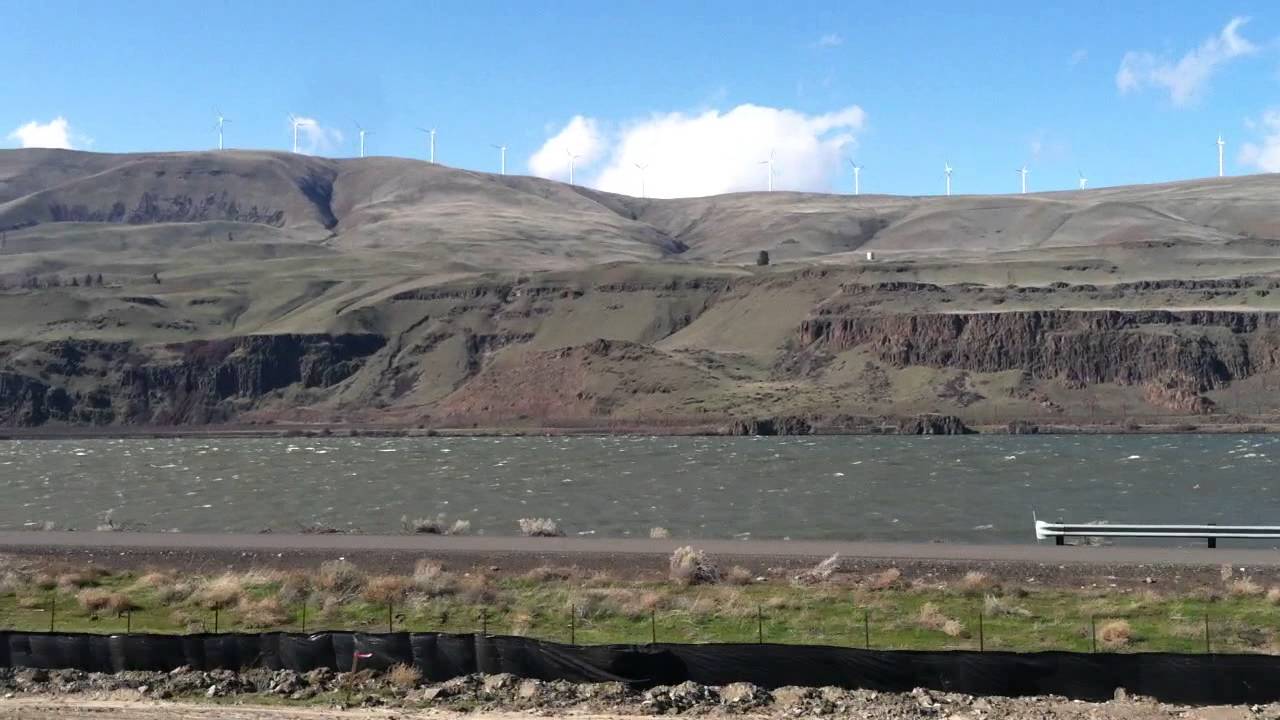
The energy we use to function in our everyday lives can be classified as...
Renewable or non-renewable
Natural or non-renewable
Renewable and Natural
All of them

It's cheaper than fossil fuels
The sun's energy would not run out for billions of years so it can be used over and over
Solar energy recharges batteries
Solar energy takes away energy from the moon
Renewable energy resources produce less_____________ than fossil fuels.
pollution
energy
wind
light
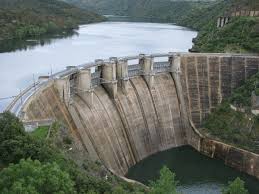
What is a renewable resource? (Choose all that are correct)
A resource you can reuse over and over
An object you cannot replace
Fossil fuels
A resource that has a nearly unlimited supply
Energy produced by burning organic matter waste such as wood, food scraps, and animal matter is called______________ energy.
All of the following are considered renewable energy sources EXCEPT –
Wind
Coal
Biomass
Solar
Energy that comes from capturing the movement of the air
Energy that comes from the Sun
A source of renewable energy, such as solar, wind, or geothermal energy
Fuel from plant material


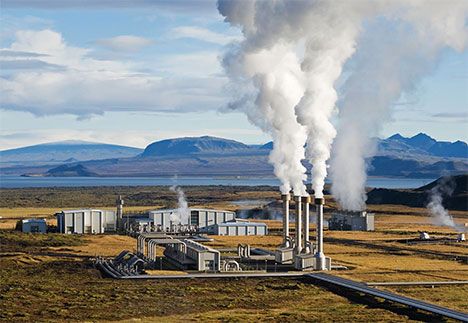
This power plant, harnessing the energy of heat below Earth's surface, produces electricity most likely by using

Renewable Resources are the SAME as ...
Non-Renewable Resources
Green Energy
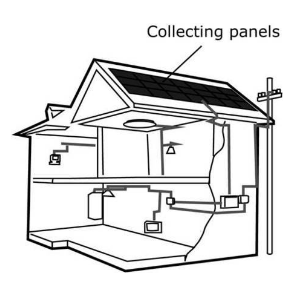
Which alternative energy source does this house use?
Produced by waste products
Form underground from dead organisms.
Replaced in a short period of time
Splitting atoms

A con for wind energy is... (Choose all that are correct)
the wind turbines are unpleasant to look at
the wind turbines are unpleasant to listen to
they are cheap to build
they provide income for farmers
A positive aspect of investing in geothermal energy is... (choose all that are correct)
it is expensive to start using
it is very efficient & reliable
there is an unlimited supply of heat from within the Earth
it is limited to certain areas
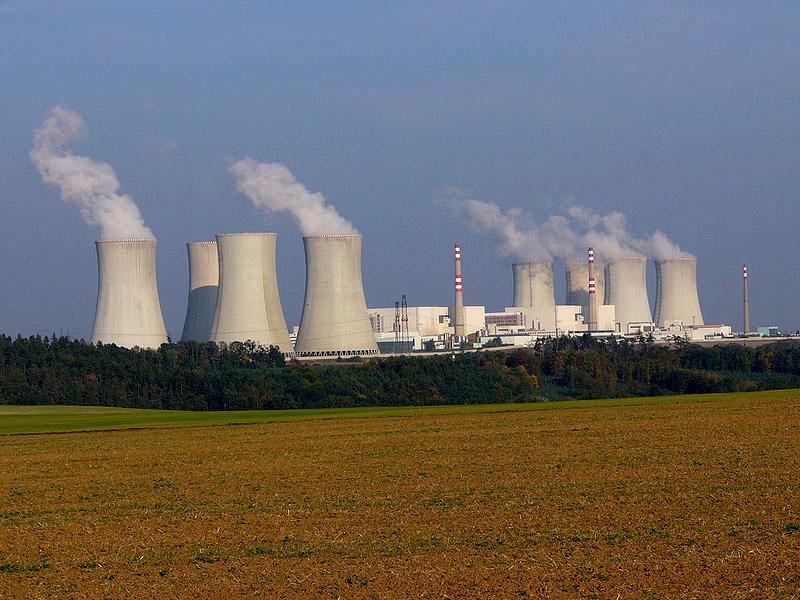
1. Which of the following is an example of a renewable energy source? *
gasoline
solar power
coal
fossil fuels
all of the above

This type of natural resource can be replaced in a short period of time.
Renewable
Non-renewable
Which of the following renewable energy sources come from plants and animals?
geothermal
coal
solar
biomass
Solar energy is energy from what?
The inside of the Earth
The Sun
Mars
Any plant that has died in the past.

Fossil fuels are considered nonrenewable because they
do not produce pollution
are no longer used by humans
are created so quickly
take millions of years to form, so once they're gone, they're gone
What are the main fossil fuels?
Coal
Oil
Natural Gas
Nuclear Energy
Nuclear Energy is made through 2 processes called...
Fission
Fusion
Fracking
Heating
A disadvantage of nuclear energy is that it creates...
fossil fuels
hydroelectric
radioactive waste
biomass
Which fossil fuel is created from the remains of dead plants and forms into a "rock?"
Coal
Petroleum
Natural Gas
Nuclear Energy
What is the main element in fossil fuels?
Carbon
Oxygen
Methane
Uranium
Scientists and engineers often use this process to gain access to Natural Gas & Oil sources...
Drilling
Fusion
Fission
Depleting
In the United States, what percent (%) of our energy comes from fossil fuels?
85%
30%
75%
99%
In order to use the energy inside of fossil fuels, they must be...
burned
melted
crushed
cut
What is needed for all fossil fuels to form?
Heat
Pressure
A lot of time (millions of years)
Uranium

Fusion is the process of
combining atoms to form new atoms
splitting atoms to make smaller atoms
Breaking atoms down
Destroying atoms
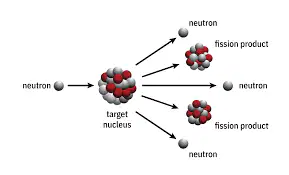
Fission is the process of
combining atoms to form new atoms
splitting atoms to make smaller atoms
Breaking atoms down
Destroying atoms
Which process is used in nuclear power plants to generate electricity?
Fission
Fusion
Fracking
Melting
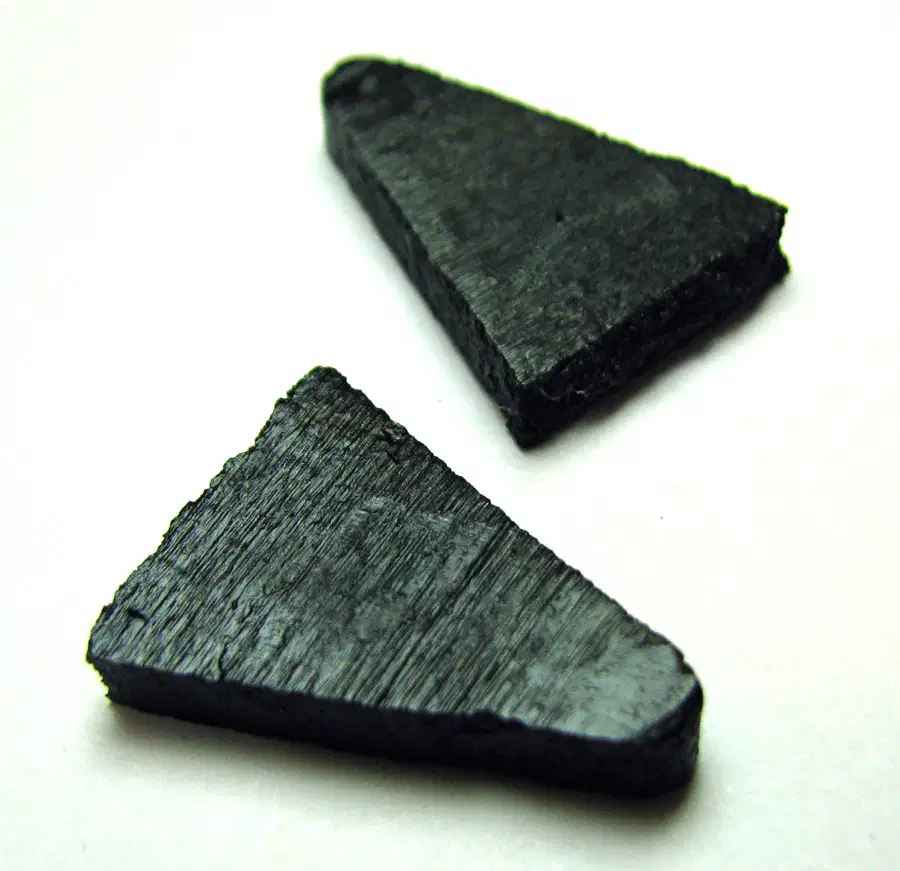
Which element is used in nuclear power plants for energy?
Carbon
Oxygen
Uranium
Methane
In a nuclear power plant, the reactor is where...
fission takes place
fusion takes place
atoms melt
atoms are destroyed
Disadvantages of fossil fuels...
they are not easily replaced
they create pollution in the environment
they are cheap
they can be stored for later use
Advantages of Non-renewable energy...
they can be stored for use at later time
they are cheap
they are not easily replaced
they cause pollution to the environment
Fossil fuels are formed from:
The remains of ancient plants and animals
Current living plants
Water cycles
Solar radiation
A major scientific concern over nuclear energy is how to--
store the radioactive waste products safely
reduce the air pollution it causes
deal with the large amounts of fossil fuels required
prevent people from using too much nuclear energy
Identify the 2 nuclear disasters that have happened....

cold front
warm front
stationary front
low pressure

cold front
warm front
stationary front
high pressure

cold front
warm front
stationary front
low pressure
This type of front is "stuck" and rain may happen for many days
cold front
warm front
high front
stationary front

What weather did Seattle just experience?
cooler temperatures and a thunderstorm because of the cold front that just passed through
cooler temperatures and light rain because of the low pressure system that just passed through
warmer temperatures because of the warm front that just passed through
no precipitation and a drop in temperature because of the cold front that just passed through


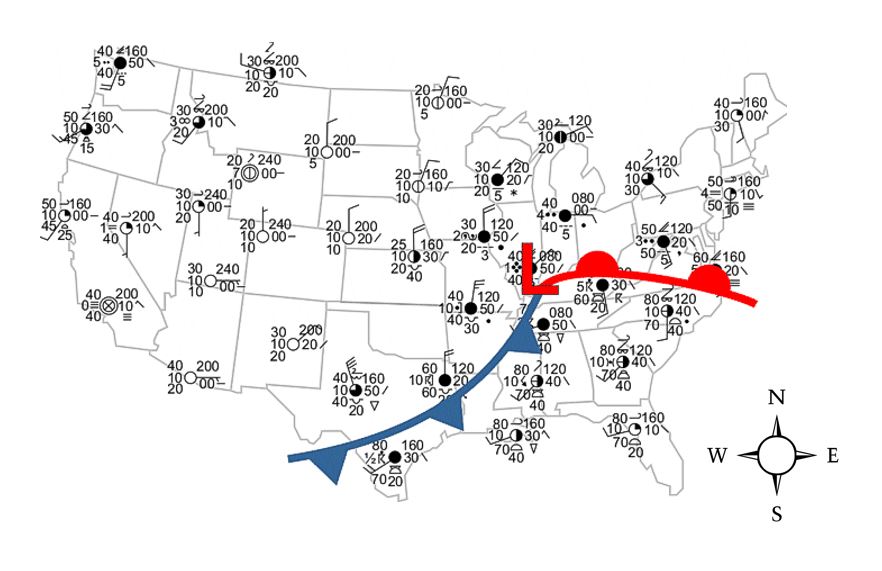
What type of weather is Tulsa about to experience?
an increase in temperature because of the warm front
a drop in temperature with gentle rain because of the cold front
many days of clouds and precipitation because of the occluded front
many days of clouds and precipitation because of the stationary front
Identify the front described: The temperature dropped very quickly and it is now super cold outside. It is really windy and it looks like we are about to get a LOT of snow.
warm front
cold front
stationary front
occluded front


This is the symbol for a(n)...
Stationary Front
Occluded Front
Cold Front
Warm Front
Which choice best describes the weather conditions Lana is experiencing now? Dear Diary, What a dreary day it is! It's Saturday and it's been raining non-stop for 3 days straight. When I look outside, all I see are gray skies and rain pouring down.
stationary front
occluded front
cold front
warm front

Which kind of weather is produced from a cold front?
Thunderstorms
Always snow
Warming up
Temperatures of 12 or below
What happens when two air masses meet?
a hurricane occurs
a dog barks
a front is created
warm air enters

This is the symbol for a(n) _____________ weather front.
Cold
Warm
Stationary
Occluded

Which type of weather front can produce foggy weather that can last for several days?
Cold
Warm
Stationary
Occluded
A(n) ________ front may remain in the same place for several days, producing clouds and precipitation
cold
stationary
occluded
warm



Based on the weather map, what type of weather did Denver just experience?
Strong winds and gentle precipitation because of the low pressure system that is nearby
Sunny skies and nice weather because of the cold front that just passed through
Thunderstorms and a cool down in temperature because of the cold front that just passed through
Thunderstorms and a cool down in temperature because of the warm front that just passed through


Earth's ozone layer is important because it absorbs
visible light
harmful ultraviolet radiation (UV light)
x-rays
radio waves


Which pressure system results in rainy or stormy weather?
weather system
high pressure
low pressure
jet stream


_________ is the most abundant (common) gas in our atmosphere
oxygen
nitrogen
carbon dioxide
methane
A(n) _______________ front results in a quick drop in temperature, strong winds, and precipitation
stationary
occluded
warm
cold
Identify the 2 main gases in Earth's atmosphere
Nitrogen
Oxygen
Methane
Carbon Dioxide
What gas makes up 21% of Earth's Atmosphere?
Nitrogen
Oxygen
Ozone
None of the Above
Where do satellites orbit?
Thermosphere
Stratosphere
Exosphere
Mesosphere
What is the correct order of layers for the atmosphere from Earth's surface to outer space?
Thermosphere
Stratosphere
Mesosphere
Troposphere
Exosphere
Thermosphere
Exosphere
Troposphere
Mesosphere
Stratosphere
Troposphere
Stratosphere
Mesosphere
Thermosphere
Exosphere
Troposphere
Stratosphere
Exosphere
Thermosphere
Mesosphere
Which pressure system results in rainy or stormy weather?
weather system
high pressure
low pressure
jet stream
cold front
warm front
stationary front
low pressure

cold front
warm front
stationary front
high pressure
cold front
warm front
stationary front
high pressure

cold front
warm front
stationary front
low pressure
This type of front is "stuck" and rain may happen for many days
cold front
warm front
high front
stationary front
What weather did Seattle just experience?
cooler temperatures and a thunderstorm because of the cold front that just passed through
cooler temperatures and light rain because of the low pressure system that just passed through
warmer temperatures because of the warm front that just passed through
no precipitation and a drop in temperature because of the cold front that just passed through
Bob and Ann want to know if today has a higher or low air pressure system. Outside they notice that the atmosphere is cool and dry. This means they are experiencing a…
High pressure system
Low pressure system
Both a high and low pressure system
Neither a high & low pressure system

What is the forecast going to be in Dallas?
Sunny skies
Rain showers
Snow Flurries
Hurricane
What is the forecast going to be in Minneapolis?
Sunny skies
Rain showers
Snow Flurries
Hurricane
What is the forecast going to be in Los Angeles?
Sunny skies
Rain showers
Snow Flurries
Hurricane
The high temperature for Dallas, Texas today was 56 degrees F. Tomorrow's high temperature is forecasted to be 69 degrees F with possible rain showers. What inference can be made?
Dallas is experiencing a low pressure system.
A stationary front will pass through the area.
A high pressure system will pass through Dallas.
A cold front is approaching the area and will decrease temperatures.
What type of weather is Tulsa about to experience?
an increase in temperature because of the warm front
a drop in temperature with gentle rain because of the cold front
many days of clouds and precipitation because of the occluded front
many days of clouds and precipitation because of the stationary front
Thunderstorms and cool weather are often created with this type of front.
cold front
high-pressure system
warm front
stationary front
Which choice best describes the weather conditions Lana is experiencing now? Dear Diary, What a dreary day it is! It's Saturday and it's been raining non-stop for 3 days straight. When I look outside, all I see are gray skies and rain pouring down.
stationary front
occluded front
cold front
warm front
Heat trapped in the atmosphere is a result of what effect?
Wind effect
Coriolis effect
Greenhouse effect
Heating effect
What mainly causes global warming?
Volcanic eruptions
Human activities, especially burning fossil fuels
Solar flares
Natural climate cycles
Which is a greenhouse gas?
Argon
Carbon dioxide
Nitrogen
Oxygen
What is the greenhouse effect?
Sunlight absorbed by the ocean
Sunlight reflected by clouds
Heat trapped in the atmosphere by gases
Cooling of the atmosphere
Which of the following is a fossil fuel?
Wind
Solar
Coal
Geothermal

Which gas is most responsible for the greenhouse effect on Earth?
Oxygen
Nitrogen
Carbon dioxide
Argon

What is an effect of global warming?
melting glaciers and rising sea levels
population is increasing
more forest areas
all of the above
Human activities are increasing the level of greenhouse gases in the atmosphere.
True
False
Most of the carbon dioxide in the atmosphere was released by people burning...
methane
forest
fossil fuels
farm land
What is the main source of Earth's temperature?
The sun
Volcanoes
Human activity
The moon
Imagine observing the Arctic region over the past few decades. What is one of the consequences you would likely notice as a result of the greenhouse effect?
Decreased severity of weather events
Increased global food production
Melting of polar ice caps
Decrease in sea levels
Melting of glaciers and polar ice caps....
will result in cooler temperatures in the Arctic
will result in sea-levels rising
Will have no effect on ecosystems
None of the above
What is the biggest danger posed by global warming to people living in coastal areas?
increased precipitation
lack of carbon dioxide in the atmosphere
increased acidity of sea water
rising sea level

What might happen if the trend shown in the graph continues?
The oceans will cool.
Glaciers will melt.
Freezing weather will happen more.
Volcanoes will erupt more frequently.
Which greenhouse gas it the most abundant in our atmosphere?
methane
carbon dioxide
natural gas
What are the top 3 activities humans do that contributes the most greenhouse gas emissions? (Choose 3)
Transportation
Electricity / Electric power
Industry (Factories)
Fishing
Farming
What are some impacts we will experience if the planet continues to warm up? (Choose all that are correct)
heat waves
droughts
sea-level rise
heavy precipitation
spread of disease
Which best describes a heat wave?
We have had 2 weeks of really hot temperatures. We don't normally have temperatures this high.
It has been freezing cold, then really hot, then really cold.
We have had non-stop rain for 6 days.
Our plants are growing really well due to all of the temperature changes.
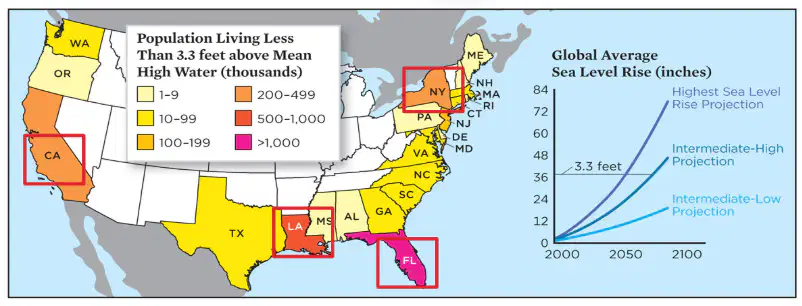
Which state is at the highest risk of sea-level rising?
Ohio
Teaxs
Florida
California
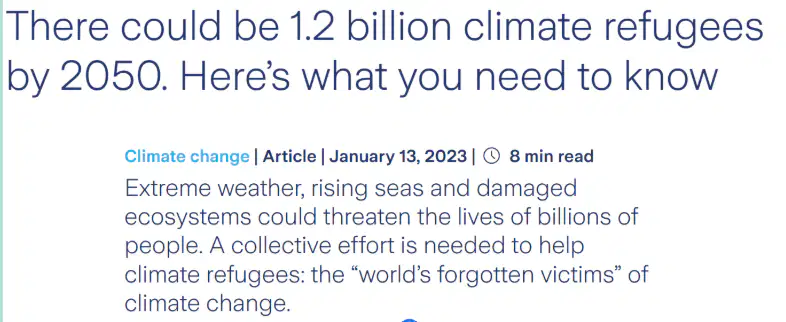
By 2050 how many climate refugees are there predicted to be around the world?
100,000
589,000
1 million
1.2 Billion
Which best describes someone who is a climate refugee?
Someone living in Australia will continue to experience all 4 seasons of the year due to global warming and climate change.
Someone living in Ohio will not be impacted by freezing cold temperatures as the planet continues to warm up
Someone living in Bangladesh is experiencing severe sea-level rise. Their home is completely underwater and they have no where to go.
Which best describes what is happening with plants and animals due to global warming and climate change?
Most plants will be fine during global warming, but animals will not.
Some may struggle to adapt and may die. Others may be able to move into new locations that they normally are not in. Many are moving away from the equator because it is too hot.
Most animals will be fine during global warming, but plants will not.
Which best describes what is happening with disease due to global warming and climate channge?
As northern countries warm, disease carrying insects will migrate north, bringing disease with them into these new areas.
Disease will not spread. It will actually slow down due to global warming and climate change.
The only disease that will spread rapidly is Lyme's Disease due to global warming and climate change.
Which best describes what is happening with Ocean Acidification due to global warming and climate change?
Certain locations, like deep in the ocean, will be the only places impacted by ocean acidification. All of the acidity will sink to the lowest points of the ocean.
The ocean is becoming slightly less acidic and more basic. This will help different ecosystems thrive and become more healthy
The pH of the ocean is becoming more acidic. This is impacting entire ecosystems, like coral reefs.
Which best describes the impact of wildfires due to global warming and climate change?
Locations with lots of water will experiences large fires that burn are going to happen more often and are going to be more and more intense
Large fires that burn are going to happen more often and are going to be more and more intense
Only locations that are near the ocean are going to experience large fires that burn are going to happen more often and are going to be more and more intense
Which best describes the impact of drought due to global warming and climate change?
A farm has received no precipitation for nearly 3 months. There is a severe lack of water in the area and this means the crops are not going to grow this season.
The state of California has received all of it's years rain in 2 days. This is a very unusual pattern for this area.
A new disease has spread into Franklin County, Ohio. We have no idea where this came from, but we know that it is very contagious and deadly.
We live in an interconnected system. What does this mean?
If a change happens in one area, then it will only impact that area and no where else.
When a change occurs in one part, it causes a change in another, and another, and another.
The climate of the planet does not depend on temperature. It only depends on water.
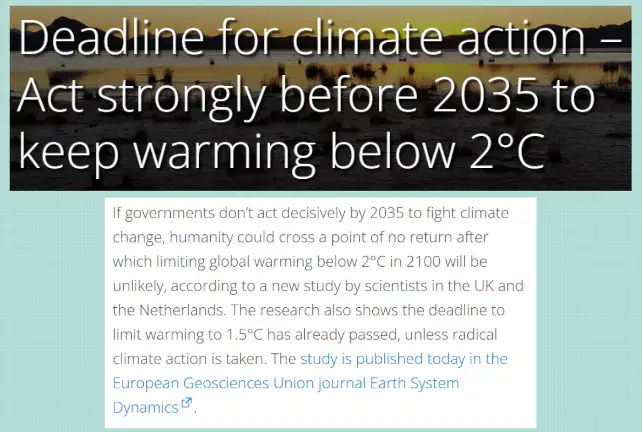
What is the deadline date for climate action to keep warming below 2 degrees Celsius? (3.6 degrees Fahrenheit)
2025
2030
2035
2050

Which of the following are consequences of climate change?
Glaciers are shrinking and sea levels are rising
Heat wave are longer and more intense
Plant and animal habitat ranges are shifting
All of the above

Over the past 200 years, the level of carbon dioxide in the atmosphere has
decreased slightly.
increased until recently, and then decreased.
increased steadily.
stayed about the same.
Which of the following is NOT a greenhouse gas?
Oxygen (O2)
Carbon Dioxide
Methane
Nitrous Oxide
Do we need greenhouse gases on Earth?
Yes - they keep the Earth warm
Yes - they get rid of all harmful gases on our planet
No - they only cause terrible climate change
No - they only block some of the Sun's rays
What do humans do that releases greenhouse gases into the atmosphere?
Burn fossil fuels
Use wind energy
Ride bikes
Planting trees
Which of the following gases DOES NOT trap heat?
carbon dioxide
nitrogen
water vapor
methane
Things you can do to help decrease global warming include:
Eat more meat
Keep your thermostat high, keeping your house as warm as possible
Keep your air conditioner on high
Turn off your lights when you’re not using them
What is the biggest danger posed by global warming to people living in coastal areas (near water)?
increased precipitation
increased acidity of sea water
lack of carbon dioxide in the atmosphere
rising sea level
Climate can change everyday.
True - climate can and does change every day
False - climate changes over long periods of time
False - climate only changes once every 100 years
False - climate changes as fast as weather changes

