
 Worksheets
EOC Review
Total questions: 187
Worksheet time: 3hrs 43mins




The main human activity that releases greenhouse gases is
using public transportation and there by reduce the affects of greenhouse gases.
burning fossil fuels
texting on cellphones
eating meat
Which of the following gases IS NOT considered a greenhouse gas?
carbon dioxide
nitrogen
water vapor
methane
Global temperatures have been increasing drastically?
since the Jurassic Era (time of dinosaurs) 65 million yr ago
since the advent of human kind.
since the industrial revolution.
Climate change is not real and there is not scientific evidence of temperature change.

The largest store of Carbon Dioxide on our planet is found in which of the following?
In the atmosphere
In our Oceans
Barried in the ground
In living organisms
Adaptations can be:
camouflage
ability to survive cold weather
hunting skills
all of the above
TRUE or FALSE: Natural selection will still occur if individuals are exactly the same.
TRUE
FALSE
How do you "win" at natural selection?
survive
go extinct
survive & reproduce
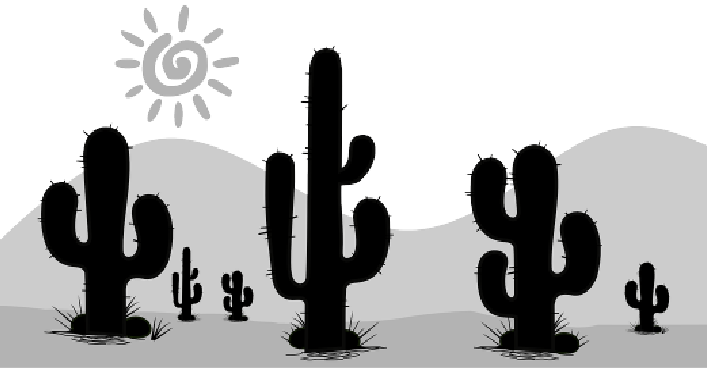
Natural Selection is driven by a change in the environment and survival of the
Earth
Fastest
Fittest
Biggest
A factor from an organism's surroundings that influences it in some way
Environmental factor
Genetic factor
Limiting factor
system
Genes passed (DNA) from parent to offspring that determine characteristics for success
Genetic factor
Environmental factor
Limiting Factor
System
Which factor(s) are environmental conditions that can influence the growth of organisms?
availability of food
birth rate
availability of space
availability of water

Overall, the oyster population has what type of trend?
Nothing
Increasing
Decreasing
All over the place

What can you infer about incubation temperature and the gender of the hatchlings?
24.5 degrees produces more males than females
26.5 degrees produces more males than females
The incubation temperature doesn't affect the gender.
24.5 degrees produces more hatchlings
An environmental changes drastically reduced the population of Lavender plants. The Lavender plants provided the only source of food for a nearby population of bees. Which statement describes the likely effect of this change?
The number of bees will decrease because they will not have enough food.
The number of bees will stay the same.
The number of bees will stay the same because they will find food elsewhere.
The number of bees will increase.
Select all that are reactants of Photosynthesis.
Water
Carbon Dioxide
Oxygen
Sunlight (Light Energy)
Glucose (Sugar/food)
How does most of the water needed by the plant get into its leaves?
It enters through the stomata
The roots absorb it and then it travels up the stem
It's made during a chemical reaction in the leaf
The flowers capture water and deliver it to the leaves
Which of the following is the correct equation for PHOTOSYNTHESIS?
light + carbon dioxide + water --> glucose + oxygen
carbon dioxide + sugar + water --> oxygen + light
oxygen + light + water --> carbon dioxide + sugar
carbon dioxide + oxygen + water --> Light+ Sugar

What are the reactants (taken into) of cellular respiration? (Mark all of them!)
oxygen
glucose
carbon dioxide
water
energy

What is the correct equation for cellular respiration?
6O2 + C6H12O6 -> 6CO2 + 6H2O + Energy
6O2 + C6H12O6 + Energy -> 6CO2 + 6H2O
6CO2 + 6H2O -> 6O2 + C6H12O6 + Energy
6CO2 + 6H2O + Energy -> 6O2 + C6H12O6

Cellular Respiration's goal is to
make water
make ATP
make glucose
make oxygen

What is the name of the energy produced during cellular respiration?
ATP
NADH
FADH2
glucose

What are the products (what is released) of cellular respiration? (Mark all of them!)
oxygen
glucose
carbon dioxide
water
ATP (energy)

Some tips for reducing human waste are...
do not buy items that have a lot of packaging
use reusable food-storage containers
reduce use of plastic or paper bags
All of the above
Which of these things are natural resources?
Coal
Electricity
Water
Wi-fi
What is any solid, liquid, or gas that is harmful to humans or animal life?
Hazardous Waste
Trash
Landfills
Should Hazardous Waste be sent to most landfills?
Yes
No
VOCABULARY:
Nonbiodegradable
a kind of substance which CAN be broken down.
a kind of substance which CANNOT be broken down by natural organisms and acts as a source of pollution.

VOCABULARY:
Ecological Footprint
the impact of a person or community on the environment, the amount of land required to sustain their use of natural resources.
How much humans recycle vs throwing things away.
All of the individuals of a species in an area.
Population
Carrying Capacity
Limiting Factors
The maximum size of a population that the environment can carry.
Population
Carrying Capacity
Limiting Factors
Things that prevent a population from growing exponentially.
Population
Carrying Capacity
Limiting Factors
Available food and water, predation, and competition
These are examples of
Density Dependent population changes
Density Independent population changes
Severe weather, drought, earthquakes
These are examples of
Density Dependent population changes
Density Independent population changs


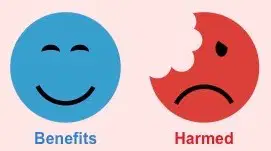
Three lampreys attached to a fish and sucking its body fluids for food is an example of -
parasitism
predation
mutualism
competition
commensalism

Many woodpeckers eating at a bird feeder is an example of -
parasitism
predation
mutualism
competition
commensalism

A butterfly pollinating a flower as it drinks nectar from the flower is an example of -
parasitism
predation
mutualism
competition
commensalism
An orchid using a high tree branch as a place of attachment to receive more sunlight but not affecting the tree is an example of -
parasitism
predation
mutualism
competition
commensalism

The dispersion pattern (distribution pattern) of a population describes the arrangement of individuals within a habitat at a particular point in time -
A large population of geese gathered together in a marsh is which type of dispersion?
Clumped dispersion
Uniform dispersion
Random dispersion

The dispersion pattern (distribution pattern) of a population describes the arrangement of individuals within a habitat at a particular point in time -
Dandelions and other plants that have wind-dispersed seeds spread widely and sprout where they happen to fall describes which type of dispersion?
Clumped dispersion
Uniform dispersion
Random dispersion

The dispersion pattern (distribution pattern) of a population describes the arrangement of individuals within a habitat at a particular point in time -
Animals that maintain defined territories, such as nesting penguins, also exhibit which type of dispersion?
Clumped dispersion
Uniform dispersion
Random dispersion
What do limiting factors do?
Separate biotic factors from abiotic factors.
Determine which is the predator and which is the prey.
Regulate how many organisms live in an ecosystem.
Determine which natural disasters will hit an area.
In ecology, what is carrying capacity?
The maximum population size an ecosystem can support.
A total list of the limiting factors.
How much weight an organism can lift.
How much pain an organism can tolerate.
Which term describes the role an organism plays in a community.
A species' _____ requires both the physical and environmental conditions (like temperature or land) and involves the interactions it has with other species (like predation or competition).
Niche
Habitat
Which term in ecology means either the area and resources used by a particular species.
________ may be an open geographical area or a specific site (e.g. a rotten log, a hollow tree, or inside a tree bark). They may be terrestrial or aquatic.
Niche
Habitat
What is the key role (function) of carbohydrates?
energy storage
immunity, muscles, structure for tissues, cell metabolism
instant energy for cells and body functions
genetic information (heredity)
How how carbohydrates and lipids similar?
both contain C, H, O, N, P and store energy
both contain C, H, O, N and give energy
both contain C, H, O, N, S and store energy
both contain C, H, O and give energy
The monomer for carbohydrates is a monosaccharide.
True
False
Lipids key role (function ) is:
immunity, chemical reactions in the body, cell metabolism, contract muscles, regulate other proteins
store energy
instant energy for cells/body
heredity/genetic information
What elements (monomers) make up a protein?
C, H, O
C, H, O, N
C, H, O, N, P
What is the smallest unit of a macromolecule?
micromolecule
glucose
monomer
polymer
What elements (monomers) make up nucleic acids?
C, H, O
C, H, O, N, (S)
C, H, O, N, P
Carbohydrates are necessary for chemical reactions in our body.
true
false
Sugars (saccharides) are not carbohydrates.
false
true
Match the protein with the correct picture.


What is the key role (function) of a protein?
instant energy for the cell/body
hormones, buoyancy, forms cell membranes, insulation, energy storage
growth, repair, and energy, immune system, enzymes
store and transmit genetic information/heredity
Identify the monosaccharide:


Identify the lipid:


Which macromolecule contains C, H, O, and has hydrogen and oxygen in a 2:1 ratio?
carbs
lipids
proteins
nucleic acid
The monomer for a protein is:
amino acid
fatty acid
monosaccharide
nucleotide
The monomer for a nucleic acid is:
fatty acid
monosaccharide
nucleotide
amino acid
The monomer for a lipid is:
monosaccharide
fatty acid
nucleotide
amino acid
Carbohydrates have C, H, O. What is the ratio of elements?
2:1:2
1:3:1
1:2:1
3:1:3
Identify the key role of nucleic acids:
instant energy
hormone, buoyancy, forms cell membranes, insulation, energy storage
transport hemoglobin, immunity,chemical reactions, regulate proteins, tissue structure
store and transmit heredity, genetic information
Identify the nucleic acid:


a renewable resource is ....
a resource that forms much more slowly than it is consumed
a natural resource that can be replaced at the same rate at which it is consumed
any natural material that is used by humans

A natural resource is....
a resource that forms much more slowly than it is consumed
a natural resource that can be replaced at the same rate at which it is consumed
any natural material that is used by humans

Choose ALL of the renewable resources
sun
coal
wind
fossil fuels
Earth (geothermal)

Choose ALL of the nonrenewable energy resources
sun
fossil fuels
nuclear fuel
wind
natural gas

Group of organisms that all share the same characteristics.
Family
Species
Order
Kingdom
Organisms that belong to the same species can .......... with each other.
interact
fight
breed

Why is biodiversity in an ecosystem so important?
Because it can help humans where to determine good places to develop farm land.
Because places that have a healthy biodiversity are unaffected by major disturbances.
Because having a high biodiversity allows ecosystems to withstand major changes.
Because having a high biodiversity allows for fewer opportunities of competition for similar resources.
All of the different organisms interacting in a pond make up
a community
a population
the habitat
an organism
What does the root "bio" mean...
living
nonliving
toxic
variety
What does the root "diversity" mean...
living
nonliving
toxic
variety

The more different types of organisms and the more relationships that can occur between organisms the greater the...
Species Diversity
Genetic Diversity
Ecosystem Diversity

Which of the following would be classified as an environmental cost of hydroelectric power? SC.912.L.17.11
desertification
disruption of freshwater ecosystems
increased biodiversity
water pollution
Biomass power is a renewable energy source derived from plant and animal products. Which of these is a benefit of using biomass for power compared to nonrenewable resources? SC.912.L.17.11
Biomass power increases the amount of oxygen in the air.
Biomass power reduces the emission of greenhouse gasses.
Biomass power increases the clearing of forests and grasslands for energy crops.
Biomass power reduces organic waste in landfills and waste-treatment facilities.
Though we hear more about oil spills that occur in acquatic environments, they can also occur on land. Why would it be easier to contain an oil spill that occurs on land? SC.912.L.17.11
Oil spills at sea are more likely to contaminate animal habitats than oil spills on land.
Oil spills at sea are more likely to contaminate the atmosphere than oil spills on land.
Oil spills at sea are more likely to cling to plants than than oil spills on land.
Oil spills at sea are more likely to spread with water currents than oil spills on land are through erosion and deposition.
A remote village is located near the ocean and several rivers. The climate is usually partially cloudy with periodic winds. The village advisory committee is reviewing several alternative energy sources. Committee members want to select a source that produces very little pollution, reduces greenhouse gases, is renewable, and is cost-effective over time.
Which energy source should they choose? SC.912.L.17.11
coal
hydroelectric
nuclear
solar
Some people see hydroelectric energy as a clean alternative to fossil fuels. Others believe it is dangerous for the migratory salmon population. What do these opinions illustrate about the environmental decision making process related to renewable energy resources? SC.912.L.17.11
The decision should be the responsibility of each citizen.
The decision should be made by weighing the risks and costs against the benefits.
The decision should usually favor older methods of energy production over newer methods.
The decision should be made by taking into account the present needs of the citizens without looking toward the future.


Grass > Grasshopper > Bird > Snake


In the nitrogen cycle, the bacteria that replenish the atmosphere with N2 are
Denitrifying bacteria
Nitrogen-fixing bacteria
Nitrifying bacteria
Ammonifying bacteria
Carbon dioxide is returned to the atmosphere primarily by
consumption by animals
combustion and cellular respiration by consumers
elimination of waste by animals
photosynthesis by producers
Carbon cycles through the biosphere in all of the following processes EXCEPT
photosynthesis
transpiration
burning of fossil fuels
decomposition of plants and animals
Nitrogen fixation is carried out mainly by
humans
plants
animals
bacteria
Which of the following steps of the water cycle is the only step that HAS to have living organisms in order to happen?
Transpiration
Condensation
Evaporation
Precipitation
In the 1800s rabbits were introduced for the first time into Australia. Here they had no natural predators and a plentiful food supply. What happened several years after the rabbit was introduced into Australia?
The rabbits began to overpopulate greatly.
Populations of animals competing with rabbits grew.
The rabbit population declined sharply.
New rabbit predators evolved.
The design of air conditioners and aerosol cans has been changed in the last few years in an attempt to reverse which ecological problem?
deforestation
freshwater pollution
hole in the ozone layer
acid rain
Poisons such as DDT build up in lakes and streams due to runoff. Then they enter the food chain. Once in living organisms, the poisons are not broken down and their concentrations increase as they are passed along the food chain.
Which term best describes this ecological phenomenon?
global warming
loss of biodiversity
biological magnification
loss of genetic diversity
Succession is the natural replacement of species that takes place in an area over time.
What is the major difference between primary and secondary succession?
Primary succession happens much faster than secondary succession.
Primary succession begins on bare rock, while secondary starts on soil.
Primary succession occurs after a minor disturbance, while secondary occurs after a major disturbance.
Primary succession is the new growth of grasses, and secondary succession is the new growth of trees.
Which of the following best describes the term biological magnification?
The buildup of non-biodegradable chemicals in consumers as they are passed up the food chain
When members of a crowded population are at odds for food, water, space, and other resources
Using the earth's resources more carefully, and preserving and restoring natural habitats
When food, water, and space are limited, causing carrying capacity to be reached
Which of the following events would start the process of secondary succession?
A volcano erupts, spewing out lava.
A glacier slides across the land.
Lightning starts a large forest fire.
A new island forms in the ocean.
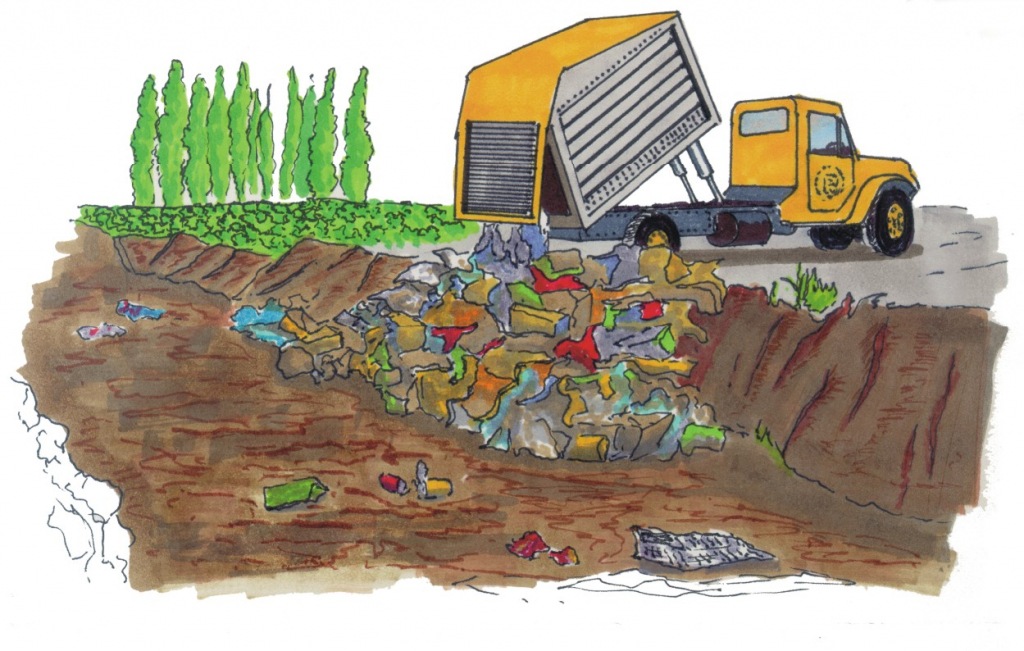
How can land pollution harm the environment?
It can release greenhouse gases
It can destroy the habitats of animals
It can allow for harmful chemicals to enter the soil
All of the above
What is it called when manufacturers take trash and turn it into new products?
Composting
Recycling
Biodegrading
An organism (plant, animal, fungus, or bacterium) that is not native and has a negative effect on an ecosystem.
deforestation
climate change
global warming
invasive species
In the 1800s rabbits were introduced for the first time into Australia. Here they had no natural predators and a plentiful food supply. What happened several years after the rabbit was introduced into Australia?
The rabbits began to overpopulate greatly.
Populations of animals competing with rabbits grew.
The rabbit population declined sharply.
New rabbit predators evolved.
The design of air conditioners and aerosol cans has been changed in the last few years in an attempt to reverse which ecological problem?
deforestation
freshwater pollution
hole in the ozone layer
acid rain
Poisons such as DDT build up in lakes and streams due to runoff. Then they enter the food chain. Once in living organisms, the poisons are not broken down and their concentrations increase as they are passed along the food chain.
Which term best describes this ecological phenomenon?
global warming
loss of biodiversity
biological magnification
loss of genetic diversity
Succession is the natural replacement of species that takes place in an area over time.
What is the major difference between primary and secondary succession?
Primary succession happens much faster than secondary succession.
Primary succession begins on bare rock, while secondary starts on soil.
Primary succession occurs after a minor disturbance, while secondary occurs after a major disturbance.
Primary succession is the new growth of grasses, and secondary succession is the new growth of trees.
Which of the following best describes the term biological magnification?
The buildup of non-biodegradable chemicals in consumers as they are passed up the food chain
When members of a crowded population are at odds for food, water, space, and other resources
Using the earth's resources more carefully, and preserving and restoring natural habitats
When food, water, and space are limited, causing carrying capacity to be reached
An organism (plant, animal, fungus, or bacterium) that is not native and has a negative effect on an ecosystem.
deforestation
climate change
global warming
invasive species
Which of the following has not resulted from urban sprawl?
suburbs
overgrazing
loss of farmland
traffic congestion
Which of the following most effectively allows forests to recover from tree harvesting?
cutting only medium-sized or mature trees
cutting all of the trees and then replanting the area with seedlings
allowing the forest to reseed itself
cutting only young trees and then replacing them with seedlings
Where do most Americans live?
in urban areas
on producing farms
in rural areas
There is an equal distribution of people across the land
Traffic jams, substandard housing, and polluted air and water can be caused by rapid growth in cities, a phenomenon known as
urbanization.
urban sprawl.
urban crisis.
infrastructure.
What can be done to sustain the productivity of rangeland?
Limit herd size
Leave the land unused for a time
Eliminate invasive plants.
All of the above
An important environmental benefit of open spaces in cities includes
contamination of water sources by runoff of soil and animal wastes
hotter, humid summers due to evaporation of water from plant leaves
the improvement in air quality resulting from filtering of pollutants by plants.
All of the above
Heat islands affect local
traffic patterns
water levels.
weather patterns
harvest patterns.
The designation of wilderness areas
allows only limited development.
provides for protected habitats.
historically forbade mining.
guarantees unrestricted public access.
What is reforestation?
removing all trees from an area
replanting trees in an area
removing selected trees from an area
None of the above
Regardless of where people live, they are dependent on resources produced in
wilderness areas.
urban areas.
national parks.
rural areas.


After a volcanic eruption the lava cools and becomes rock. Which succession must take place in order for vegetation (plants) to return?
Primary Succession
Secondary Succession

During a forest fire most vegetation (plants) burn. Which ecological succession will take place after a forest fire?
Primary
Secondary

