
Font size
 Worksheets
Unit #6; Water, atmosphere and weather
Total questions: 72
Worksheet time: 2hrs 33mins


We can see the moon during the day.
What is the source of the moon's light?
Earth
the sun
the moon
Mars
What is the definition of atmosphere?
the gases surrounding our planet
all the gases except greenhouse gases
only greenhouse gases
the percentage of oxygen in the air
A barometer is used to measure
atmospheric pressure
water vapor
humidity
temperature
In the troposphere, as you go up in elevation the temperature
stays the same
increases
decreases
it changes from day to d.ay depending on the weather
What layer of our atmosphere contains the most breathable air?
stratosphere
mesosphere
thermosphere
troposphere
If you are standing on top of a mountain, why would you feel like you are out of breath more quickly than at sea level?
Because the air molecules are so packed together, it is hard to breathe
Because the air is thinner due to the molecules being so spread out.
Because there is more nitrogen in the air than oxygen
The ozone layer makes it hard to breathe on a mountain.
Which is the correct order for the layers of our atmosphere? (Starting at the ground and moving upward)
troposphere, mesosphere, stratosphere, thermosphere, exosphere
stratosphere, troposphere, thermosphere, mesosphere, exosphere
troposphere, stratosphere, mesosphere, thermosphere, exosphere
exosphere, thermosphere, mesosphere, stratosphere, troposphere
Which layer is the coldest layer?
troposphere
mesosphere
statosphere
thermosphere
Which layer contains the ozone layer?
stratosphere
troposphere
thermosphere
mesosphere
Which layer contains all weather? (rain, snow, hail, storms, etc.)
troposphere
stratosphere
thermosphere
mesosphere
Which layer protects Earth by burning up meteors?
troposphere
stratosphere
mesosphere
thermosphere
Which layer is considered "outer space" and contains satellites?
stratosphere
mesosphere
thermosphere
exosphere
What occurrence happens in the ionosphere?
meteors burn up
ultra violet light gets trapped
the ozone layer is here
the aroura borealis
How is heat measured?
it's measured by how much energy molecules have
It's measured by how much daylight we have
it's measured by what kind of rays we are getting from the sun
it's measured by a barometer
Which layer of the atmosphere is the hottest?
troposphere
stratosphere
mesosphere
thermosphere

Water boils at...
0 C
20 C
32 C
100 C
What is the attractive force between two bodies of different substances that are in contact with each other? This is the property of a water molecule that allows it to stick to other substances.
adhesion
cohesion
specific heat
universal solvent
What is the force that holds molecules of a single substance together and its the property of water that allows one water molecule to stick to other water molecules?
cohesion
adhesion
specific heat
universal solvent
This is one part of the Earth's system which contains all of the Earth's living things.
hydrosphere
biosphere
atmosphere
geosphere
This is one part of the Earth's system that contains all of Earth's water (on land and underground).
biosphere
geosphere
atmosphere
hydrosphere


A(n) _____ is a large body of air that has properties similar to the part of Earth's surface over which it depends.
tornado
pressure system
front
air mass
What causes wind?
differences in air pressure
differences in gravity
difference in oxygen
differences in the thermosphere
Warm, rising air creates _____ pressure zones.
high
low
curved
severe
Cool, sinking air creates _____ pressure zones.
high
low
curved
severe
What are the three main types of clouds? (Select all three answers)
precipitation
cirrus
evaporation
cumulus
stratus
Which cloud is the highest in the sky?
cirrus
cumulus
stratus
Which cloud is the lowest in the sky?
cirrus
cumulus
stratus
Which cloud looks puffy like cotton balls?
cirrus
cumulus
stratus
Which cloud is thin and feathery?
cirrus
cumulus
stratus
Which shows a cirrus cloud?


Which shows a cumulus cloud?
Which shows a stratus cloud?
What are clouds made of?
water droplets, ice crystals, and dust
water droplets and rocks
only water droplets
Which stage of the water cycle causes clouds to form?
evaporation
condensation
precipitation
collection/runoff
Why do cirrus clouds have more ice crystals in them than the other clouds?
they are "snow" weather clouds
they are the highest in the sky where it is colder
they are the biggest clouds, so they can hold more water
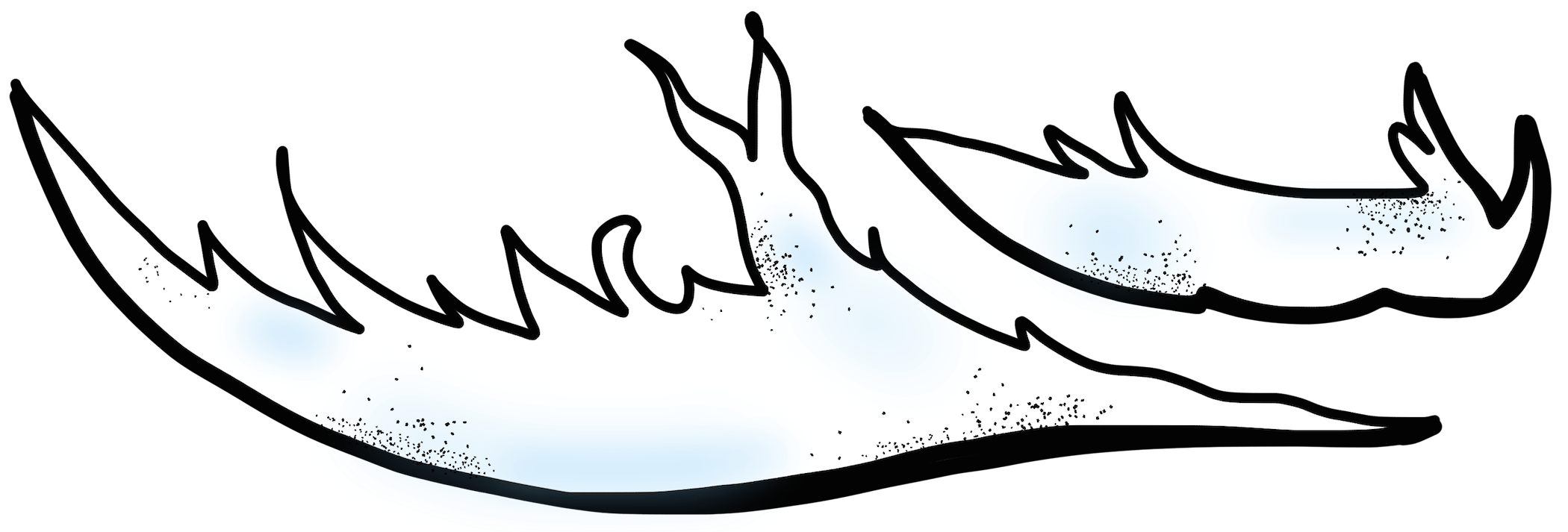
Which type of cloud is described as being high and wispy?
cumulus
cirrus
stratus
cumulonimbus

Which type of cloud is low to the ground and covers the sky like a blanket?
cumulus
cirrus
stratus
cumulonimbus

Which type of cloud is white and puffy?
cumulus
cirrus
stratus
cumulonimbus

Which type of cloud is tall and dark?
cumulus
cirrus
stratus
cumulonimbus
These clouds warn us that a storm is coming?
cumulus
cirrus
stratus
cumulonimbus
These clouds are a sign of good weather.
cumulus
cirrus
stratus
cumulonimbus
What type of clouds are called "fair weather clouds" and look like floating cotton?
Cumulus
Stratus
Cirrus

