
 Worksheets
Environmental Science Final Review
Total questions: 162
Worksheet time: 3hrs 29mins


Renewable energy resources produce less (a) than fossil fuels.
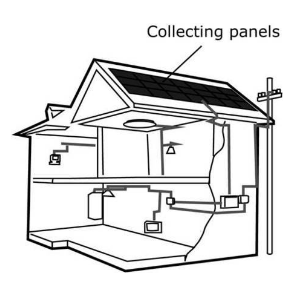
Which alternative energy source does this house use?
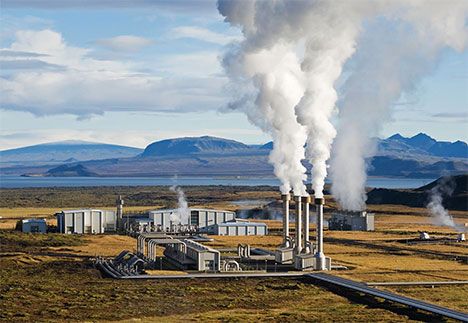
All of the following are considered renewable energy sources EXCEPT –
Wind
Coal
Biomass
Solar
Which one of these is NOT a type of renewable energy?
solar
wind
biomass
nuclear
A home is built with clear glass panels that allow sunlight to pass through. This is an example of
Active solar
Passive solar
Parabolic collector
Photovoltaic Cells
What are two advantages of geothermal energy? (a)
One benefit of geothermal energy is that (a) .
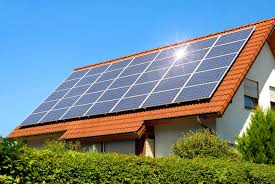
Why are not American's roofs crammed with more solar panels? (a)
Which renewable energy does not require spinning a turbine? (a)
Energy created from wood, peat moss, and manure is called (a) energy.
(a) energy comes from underground pockets of hot water.
Name a country that uses a high % of geothermal energy? (a)
Solar, wind, and hydroelectric power all share this same benefit.
zero carbon emissions/air pollution
habitat loss
cheap to use
nonrenewable
Which of the following is not a negative to using hydroelectric power
siltation occurs behind the dam
fish are not able to migrate upstream
creates air pollution
reservoirs impact the surrounding environment
biomass is a main source of energy for heating homes and food in
developed nations only
developing nations mostly
both developed and developing nations
nowhere on earth
Water is a renewable resource because it is circulated in the
Water Cycle
Geosphere
Water Table
Blender
water in oceans, contains higher salt concentrations.
Freshwater
Saltwater
Saline Solution
Tepid Water
water that people can drink, contains very little salt
Freshwater
Saltwater
Saline Solution
Wastewater
percent of the Earth’s surface is covered in water
71
97
3
80
percent of the Earth’s water is salt water
97
80
3
20
water is freshwater on Earth’s surface
Saltwater
Surface Water
Groundwater
Brackish Water
The area of land that is drained by a river is known as a
Watershed
Drainage Zone
Recharge Zone
Hydro-zone
Water stored beneath the Earth’s surface in sediments and rock formations is called
Groundwater
Solid Water
Sedimentary Water
Rock Water
An underground formation that contains groundwater is called a(n)
Aquifer
Cistern
Well
Boat
forms the upper boundary of an aquifer
Water Table
Aquifer Cap
Aquifer Hat
Well Depth
the amount of space between the particles that make up a rock
Permeability
Porosity
Heterodoxy
Vacuum Potential
The ability of rock or soil to allow water to flow through it is called
Permeability
Flow rate
Porosity
Aquifer Rate
The area of the surface where water percolates down into the aquifer is called the
Recharge Zone
Re-flow Zone
Refill Zone
Aqua Zone
According to the World Health Organization, around ______ people lack access to a clean, reliable source of freshwater
1 Billion
2 Billion
340 Million
3.6 Billion
of all residential water is used for activities inside the home
1/2
1/3
1/4
1/8
Potable water is water that is
Safe to drink
Salty
leftover after industrial use
All of the above
organisms that cause illness or disease
Pathogens
Heavy Metals
Parasites
Protists
Most of the water that is used in industry is used to __________ power plants
Cool
Heat
Power
Float
As much as ____ of the water used in agriculture evaporates and never reaches plant roots
80%
25%
10%
5%
a method of providing plants with water from sources other than direct precipitation
Irrigation
Rain
Conduction
Threshing
a structure built across a river to control the river’s flow
Dam
Fjord
Turbine
Bridge
When a river is dammed, an artificial lake, or _______, is formed behind the dam
Reservoir
Fake Lake
Inland Sea
Marsh
dams use the power of flowing water to turn a turbine that generates electrical energy
Hydroelectric
Run of River
Impoundment
Low water
Using less water is called water
Conservation
Hoarding
Collecting
Preparation
involves designing a landscape that requires minimal water use
Xeriscaping
Conservation landscaping
Dryscaping
Arid Design
the process of removing salt from salt water
Desalination
Resalination
Defracking
Delousing
the introduction of chemical, physical, or biological agents into water that degrades water quality
Water Polution
Pasteurizing
Aeration
Desalination
An example of POINT SOURCE pollution
A single pipe leaking
Fertilizer runoff from agricultural fields
Garbage buildup in city's a river system
Plastic pollution in the ocean
An example of NON-POINT SOURCE pollution
A single pipe leaking
A large power plant causing thermal pollution
Fertilizer runoff from agricultural fields
All of the above
water that contains waste from homes or industry
Brackish Water
Wastewater
Potable Water
Tepid Water
solid material that remains after sewage treatment
Sewage Sludge
Sarcoplasm
Wastewater
Potable Waste
Excess fertilizer runoff can cause
Thermal Pollution
Eutrophication
Detoxification
Viral Infection
When the temperature of a body of water increases, ______ can result
Eutrophication
Thermal Pollution
Detoxification
Free Radical Increase
85% of all pollution in the ocean comes from
Land Based Sources
Oil Spills
Ocean Liner Dumping
The atmosphere
The accumulation of pollutants at successive levels of the food chain is called
Biomagnification
Bioluminescence
Bioshock
Bio-availability
Area with more than 2500 people and a governing body.
wilderness
urban
rural
open space
Built to provide public services
infrastructure
open space
wilderness
urban
Movement of people from rural areas to cities
ruralization
urbanization
reforestation
citization
Poor management of rangeland
reforestation
urbanization
land-use planning
overgrazing
Area with relatively sparse population
urban
wilderness
rural
infrastructure
Developers, environmentalists, citizens, business people, and public officials
reforestation
urbanization
infrastructure
land-use planning
Area protected from exploitation
wilderness
rural
infrastructure
open space
Resources produced by natural and artificial ecosystems
infrastructure
reforestation
ecosystem services
land-use planning
Provide environmental benefits to urban areas
wilderness
rural
open space
land-use planning
Opposite of clear-cutting and selective cutting
wilderness
reforestation
land-use planning
overgrazing
Which of the following is true of parks and preserves?
They are not affected by air and water pollution.
They serve as sources of wood for industries.
They provide limited hunting of designated wildlife.
They provide recreation for people.
One benefit of preserving farmland is
increased CO2 production.
increased urban temperatures.
increased crop production.
increased urban sprawl.
In cities, traffic jams, substandard housing, and pollution can be the result of
urbanization
urban sprawl
urban crisis
infrastructure
What can be done to sustain the productivity of rangeland?
limit herd size
eliminate invasive plants
leave the land unused for a time
all of the above
Heat islands can affect local
weather patterns
water levels
traffic patterns
harvest patterns
When forests are not replanted after trees are cut, natural resources
increase
decrease
regenerate
remain unchanged
Each U.S. resident uses the ecosystem services provided by roughly
1 hectare of land
6 hectare of land
8 hectare of land
12 hectare of land
Urban sprawl involves people moving from cities to land that was previously used for
industry and open space
food production and open space
power lines
housing
Which type of area listed below is protected from exploitation?
farmland
rangeland
forestland
wilderness
Given that most people live in urban areas, why should rural areas be preserved?
They provide crucial infrastructure
They provide ecological services
They contain greenbelts
none of the above
Wetlands provide a unique habitat for many plants and animals. Wetlands are also important in water purification, flood control, and shoreline stability. How does housing development in wetlands affect the ecosystem?
reduces biodiversity
decreases pollutants
increases availability of nutrients
increase protection from hurricanes
Which term is used to describe low density, automobile-dependent community development that is associated with land use that has a negative impact?
urban coalition
urban homesteading
urban planning
urban sprawl
Land used to graze livestock and wildlife
rangeland
forest land
farmland
urban land
land used to grow plants for food and fiber
rangeland
forest land
farmland
urban land
land used for recreation, scenic, enjoyment, and for preserving native animal and plant communities and ecosystems
rangeland
parks and preserves
wetlands
farmland
land used for houses, businesses, industry and roads
rangeland
farmland
parks and preserves
urban land
land used for growing and harvesting wood, and harvesting wildlife, fish, nuts, and other resources
rangeland
forest land
urban land
farm land
Eliminating invasive plants and replacing them with native plants is one aspect of
urban management.
deforestation.
range improvement.
overgrazing.
Which of the following is a side effect of heat islands?
drought
lower temperatures
lower temperatures and drought
increased precipitation

38% of the earth's surface is used for...
Cities
Parks and recreation
Agriculture and farming
Parking lots
When planning for land use, there are multiple factors to consider. Which of these items SHOULD have the biggest influence on land use decisions?
Current animal populations and natural qualities of the ecosystem
Amount of pollution that might be created
Safety of the citizens
All answers are correct
An attempt to design cities so as to maximize their functionality and beauty is
City Planning
Urban Sprawl
Urbanization
Ecological Footprint
Ground level ozone
primary pollulant
secondary pollulant
indoor air pollulant
pollution control
Scrubber
primary pollulant
secondary pollulant
indoor air pollulant
pollution control
Radon gas
primary pollulant
secondary pollulant
indoor air pollulant
pollution control
Nitrogen oxides
primary pollulant
secondary pollulant
indoor air pollulant
pollution control
Decreased pH
acid precipitation
temperature inversion
lung cancer
deafness
Possible long-term effect of air pollution
lung cancer
deafness
nausea
acid precipitation
Necessary to control acid precipitation
nausea
international agreement
pollution control
indoor air pollution
Atmospheric condition trapping pollution
nausea
international agreement
temperature inversion
pollution control
Possible short-term effect of air pollution
nausea
lung cancer
deafness
pollution control
Possible long-term effect of noise pollution
nausea
lung cancer
deafness
pollution control
Which of the following is an example of a primary pollutant?
ground level ozone
soot from smoke
radon
all of these
Which of the following would be a potential cause of sick-building syndrome?
acid precipitation
smog
fungi
all of these
Catalytic converters, scrubbers, and electrostatic precipitators are examples of
technologies used to treat sick building syndrome
technologies used to counteract the effects of acid precipitation on aquatic ecosystems
technologies used to capture radon gas
technologies used to control pollution emissions
During a temperature inversion
sulfur oxides and nitrogen oxides combine with water in the atmosphere
an influx of acidic water causes a rapid change in the pH of water
levels of ground level ozone decrease
pollutants are trapped near Earth's surface
What is not a consequence of acid precipitation?
an increase in the pH of soil and water
the death of aquatic plants and animals
the destruction of calcium carbonate in building materials
a change in the balance of soil chemistry
High blood pressure and stress are both human health effects linked to
smog
air pollution
light pollution
noise pollution
. Oil refineries and gasoline stations are both sources of
particulate matter
volatile organic compounds
smog
all of these
Uranium-bearing rocks underneath a house can be a source of
ozone
asbestos
radon
formaldehyde
An increase in the pH of a lake would most likely indicate
the lake suffers from acid shock
calcium carbonate has been released into the lake
the area in which the lake is located suffers from acid percipitation
higher than average sulfur oxide levels in the atmosphere
Acid precipitation is formed when
sulfur oxides or nitrogen oxides combine in the air
sulfur oxides combine with nitrogen oxides
ozone combines with automobile exhaust
nitric or sulfuric acids combine with ozone
Which is a secondary air pollutant
ozone
carbon monoxide
particulate matter
nitrogen oxides
Volatile organic compounds
are tiny particles of liquid or solid matterr
are produced by chemical interactions between sulfur and oxygen
arean odorless colorless poisonous gas
are organic chemicals that form toxic fumes
Which device helps clean car exhaust
electrostatic precipitator
scrubber
catalytic converter
ZEV
Which pair below are the two main sources of air pollution in urban areas
vehicles and volcanoes
vehicles and industries
industries and agriculture
none of these
Which is a natural indoor air pollulant
carbon monoxide
formaldehyde
nitrogen oxides
radon
Which is not part of correcting sick building syndrome
removing sources of indoor air pollution
sealing cracks where air leaks into the building
improving ventilation
cleaning air ductrs
Which is true of air pollution and human health
years of research link air pollution to lung disease
air pollution is commonly listed as a cause of death
none of the health effects of air pollution are reversible
healthy adults are most affected by air pollution
Which air pollutant scars the lungs
adbestos
radon
fungi
ozone
Pick the letter of the term that best matches the description.
site where continuous CO2 records have been maintained since 1958
a. carbon dioxide
b. zooplankton
c. Mauna Loa, Hawaii
d. computer model
e. global warming
Pick the letter of the term that best matches the description.
an increase in Earth’s average temperature, resulting from increased greenhouse gases in the atmosphere
a. carbon dioxide
b. zooplankton
c. Mauna Loa, Hawaii
d. computer model
e. global warming
Pick the letter of the term that best matches the description.
a greenhouse gas released from burning fossil fuels
a. carbon dioxide
b. zooplankton
c. Mauna Loa, Hawaii
d. computer model
e. global warming
Pick the letter of the term that best matches the description.
a complex set of equations that account for many factors and require a great number of computations to solve
a. carbon dioxide
b. zooplankton
c. Mauna Loa, Hawaii
d. computer model
e. global warming
Pick the letter of the term that best matches the description.
tiny, shrimp-like animals that many other marine animals depend on for food
a. carbon dioxide
b. zooplankton
c. Mauna Loa, Hawaii
d. computer model
e. global warming
Which of the following will require most developed countries to decrease emissions of carbon dioxide and other greenhouse gases?
a. Montreal Protocol
b. Kyoto Protocol
c. Emissions Reduction Act
d. Reforestation Project
Most of the warming that has been observed over the 20th century can be attributed to
a. human activity.
b. plant growth.
c. glacial melting.
d. droughts.
The attempt to slow global warming is made difficult by
a. economic factors.
b. political factors.
c. social factors.
d. All of the above
Which of the following is not a major greenhouse gas?
a. water vapor
b. carbon dioxide
c. sulfur
d. methane
In an area away from forests and cities, geochemist Charles David Keeling measured the amount of
a. ozone in the air.
b. oxygen in the air.
c. nitrous oxide in the air.
d. carbon dioxide in the air.
Pick the letter of the term or phrase that best matches the description.
long-term, prevailing weather conditions at a particular place
a. latitude
b. westerlies
c. sulfur dioxide
d. climate
e. density
Pick the letter of the term or phrase that best matches the description.
a gas that can reach the upper atmosphere after a large-scale volcanic eruption
a. latitude
b. westerlies
c. sulfur dioxide
d. climate
e. density
Pick the letter of the term or phrase that best matches the description.
position with respect to the equator, measured in degrees north or south
a. latitude
b. westerlies
c. sulfur dioxide
d. climate
e. density
Pick the letter of the term or phrase that best matches the description.
is greater for cold air, causing cold air to sink below warm air
a. latitude
b. westerlies
c. sulfur dioxide
d. climate
e. density
Pick the letter of the term or phrase that best matches the description.
a belt of prevailing winds
a. latitude
b. westerlies
c. sulfur dioxide
d. climate
e. density
During summer in the Southern Hemisphere, the Northern Hemisphere experiences
a. a tilt toward the sun.
b. winter.
c. summer.
d. excess rainfall.
In regions closer to the poles, the sun
a. never sets.
b. never changes its altitude.
c. is higher in the sky.
d. is lower in the sky.
Because water __________, ocean currents have a great effect on climate.
a. moves more slowly than air
b. stays colder than air
c. holds large amounts of heat
d. cannot hold heat
During an El Niño event, winds in the western Pacific Ocean
strengthen and push___________ eastward.
a. warm air
b. cold air
c. warm water
d. cold water
The pattern of __________ determines Earth’s precipitation pattern.
a. global atmospheric circulation
b. solar activity
c. volcanic eruptions
d. All of the above



