
 Worksheets
Science Review SA 2
Total questions: 75
Worksheet time: 1hrs 2mins
What kind of change occurs if matter changes in amount, size, or shape?
substance change
chemical change
physical change
elemental change

A gel ice pack getting cold after you put it in the freezer for an hour.
Chemical Change
Physical Change

Chemical Change
Physical Change
Chemical Change
Physical Change

Frying eggs
Physical
Chemical

A firework display
Physical
Chemical

Food digestion
Physical
Chemical

The water cycle
Physical
Chemical

Burning wood
Physical
Chemical

What is the main property of the scales of fish?
smooth
rough
stretchy
rigid
Which is the main property of eggs?
absorbent
bendy
smooth
rigid

Which is the main property of plastic straws?
absorbent
bendy
rough
see-through

Which is the main property of braille?
smooth
soft
rough
bendy

Which is the main property of a raincoat?
shiny
rough
waterproof
waterpruf

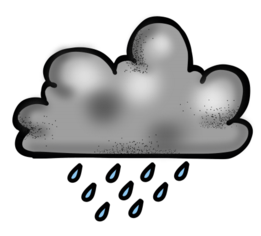

Precipitation means...
water vapor cooling to form clouds
water running downhill
water falling from the sky
water heating up and rising as gas
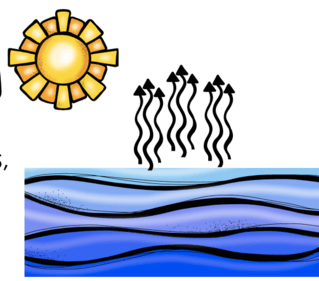
Condensation means...
water vapor cooling to form clouds
water running downhill
water falling from the sky
water heating up and rising as gas
Plants use ____________ to make their own food
Water
Sunlight
Carbon dioxide
All of these
Which gas do plants release, that humans depend on for survival?
Water
Carbon Dioxide
Oxygen
Sugar
How do plants affect the air that animals and people breathe?
Plants use oxygen from the air to make their own food
Plants release pollution into the air
Plants take in carbon dioxide and release oxygen
Plants take in oxygen and release carbon dioxide
Why is burning fossil fuels harmful?
they cause cancer
They can get extremely hot
it increases the amount of carbon dioxode/greenhouse gases in the air
this would destroy fossils
Which organisms are aquatic plants?
Crabs
Phytoplankton
Fish
Zooplankton
How are phytoplankton similar to trees?
Both are at the top of the food chain
Both conduct photosynthesis
Both grow in soil
Both are about the same size


The gravitational force exerted by an object depends on its
volume
mass
weight
Why do we have a stronger gravitational attraction with Earth than the Sun?
the sun has a larger mass
the Earth has a larger mass
we are closer to center of sun
we are closer to center of Earth
The gravitational force between two objects changes with the distance between the two objects
True
False

Ways to reduce frictional force
use lubricants
use grease
use magnesium carbonate chalk powder
use rollers and ball bearings
The use of lubricants in motor vehicles ______________
the excessive frictional force in the engine
compartment.
reduces
increases
reuses
enlarge

The larger the surface area of the moving object, the ___________ air resistance there is.
Less
More
Longer
Quicker
Air resistance pushes against falling
objects and __________________.
Speeds them up
Keeps them afloat
Slows them down
Spins them

Air resistance is a force caused by...
Water pushing against moving objects
Air pushing against moving objects
Gravity pushing against moving objects
Normal force pushing against moving objects
When dropped from the same distance, which will fall to the floor faster?


When plants convert the sun's energy into food, which type of energy is it?
kinetic
chemical
heat
electrical

What kind of energy is represented in this picture?
Heat
Potential
Nuclear
Electrical

A battery converts what type of energy to another?
sound to kinetic
light to heat
kinetic to electrical
chemical to electrical


Name the energy conversion that occurs when Charlie rides his skateboard up to the top of the ramp. (Look closely to where the arrow is pointing.)
Chemical → Gravitational
Electrical → Light
Gravitational → Elastic
Heat → Electrical

Name the Energy Conversion of a dryer.
Chemical→ Thermal and Light
Electrical → Elastic, Heat and Sound
Gravitational → Nuclear, Sound and Heat
Electrical → Heat, Kinetic and Sound

What is quality ?
heavy
heat resistant
flexible
rough

John filled a beaker with water and dropped a ball into it. He was able to see the water and the ball through the beaker clearly.
Which of the following explains his observation?
The beaker is waterproof.
The beaker is strong enough to hold both the water and ball.
The beaker allows light to pass through it.
The beaker is flexible.


What is meaning of this sign?
biohazard
poisonous
flammable
corrosive
Which of the following is a example of physical change ?
burning of wood
photosynthesis
melting of ice-cream
ripening of fruit

What does the picture represent ?
physical change
chemical change
Choose the picture that shows chemical change.


A chemical change may involve
Evolution of gas
Change in temperature
Change in colour
All of the above
What method can we use to separate materials of different sizes?
Filtering
Sieving
Evaporating
Decanting
Which of the following is an example of insoluble material?
Salt and water
Sugar and water
Flour and water
Coffee and water
What energy source do we need to evaporate a liquid?
Electricity
Heat
Light
Gas
How could you speed up the process of dissolving?
Use more water
Use warmer water
Use more salt
Use colder water
Which of these is a reversible / physical change?
Melting chocolate
Baking cakes
Burning wood
Cutting paper
The change in state from liquid to gas is called
evaporation
sublimation
condensation
deposition
Both boiling and evaporation are forms of vaporization. What is the difference between them?
Boiling liquids have intense heat added to it, evaporating liquids take heat from their environment.
Boiling happens quickly, evaporation happens slowly.
Evaporation occurs only at a liquid's surface, boiling occurs throughout the liquid
All of these reasons
....... and ...... are used for burning natural gas
(a)
When we taking medicine, we should follow the instruction on the ........ Medicine contains .................. which can be harmful to our health when taken in wrong amount. Taking more medicine than what is necessary may cause..................
(a)
The process of separating an insoluble solid from a liquid from a liquid by pouring away the liquid and leaving behind the solid is called (a)
Steam is water vapour at .............. point or at temperatures higher than ................ point
(a)
When a gas loses heat, it ........................ and changes into a ...............................
(a)

