
 Worksheets
4th Periodical Test MAPEH 8
Total questions: 63
Worksheet time: 32mins
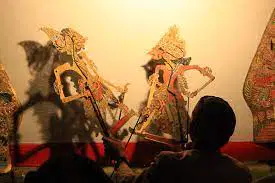
Which among the Asian traditional theaters below can you find the scene shown in the photo?
Wayang Kulit
Kabuki
Peking Opera

Which among the Asian traditional theaters below can you find the scene shown in the photo?
Kabuki
Peking Opera
Wayang Kulit
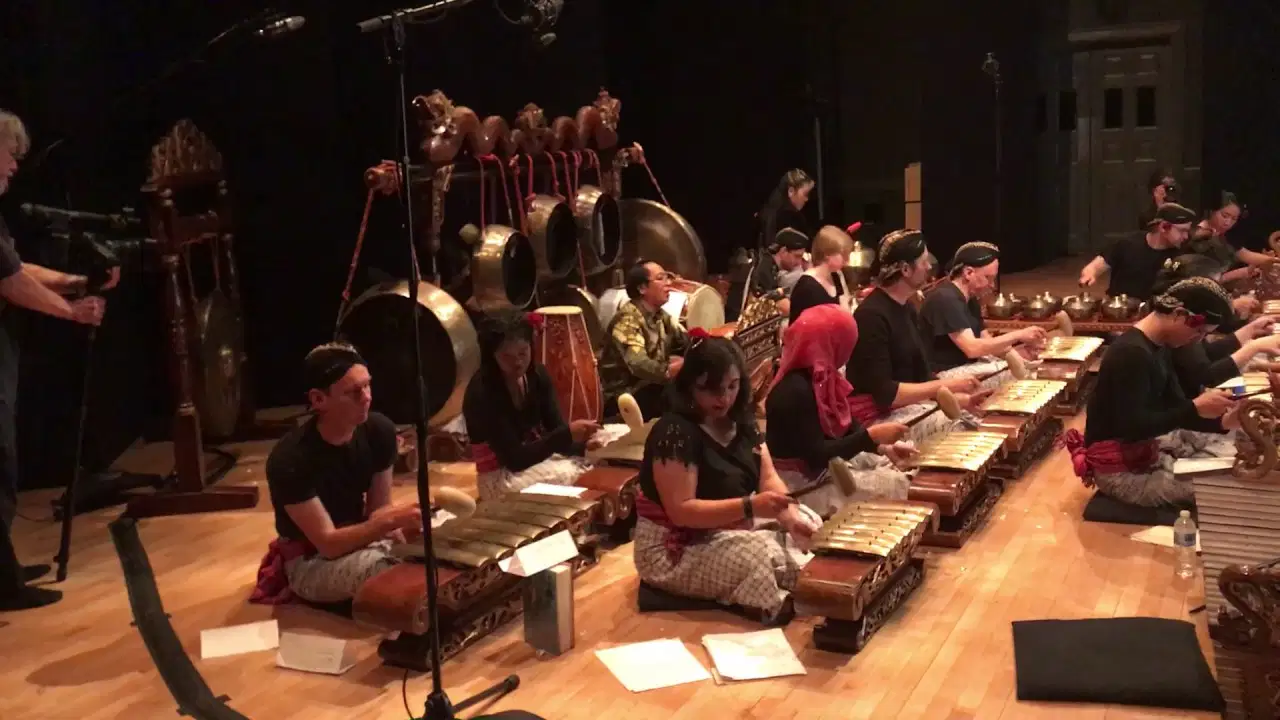
Which among the Asian traditional theaters below use these instruments as shown in the photo?
Beijing Opera
Kabuki Theater
Wayang Kulit
One of the most distinctive shadow plays among Asian dramas which has evolved in Indonesia?
Kabuki
Wayang Kulit
Peking Opera
Asian Theater
This refers to the theatrical form of Japan that comprises these elements: song, dance, and skill
Asian Theater
Peking Opera
Kabuki
Wayang Kulit
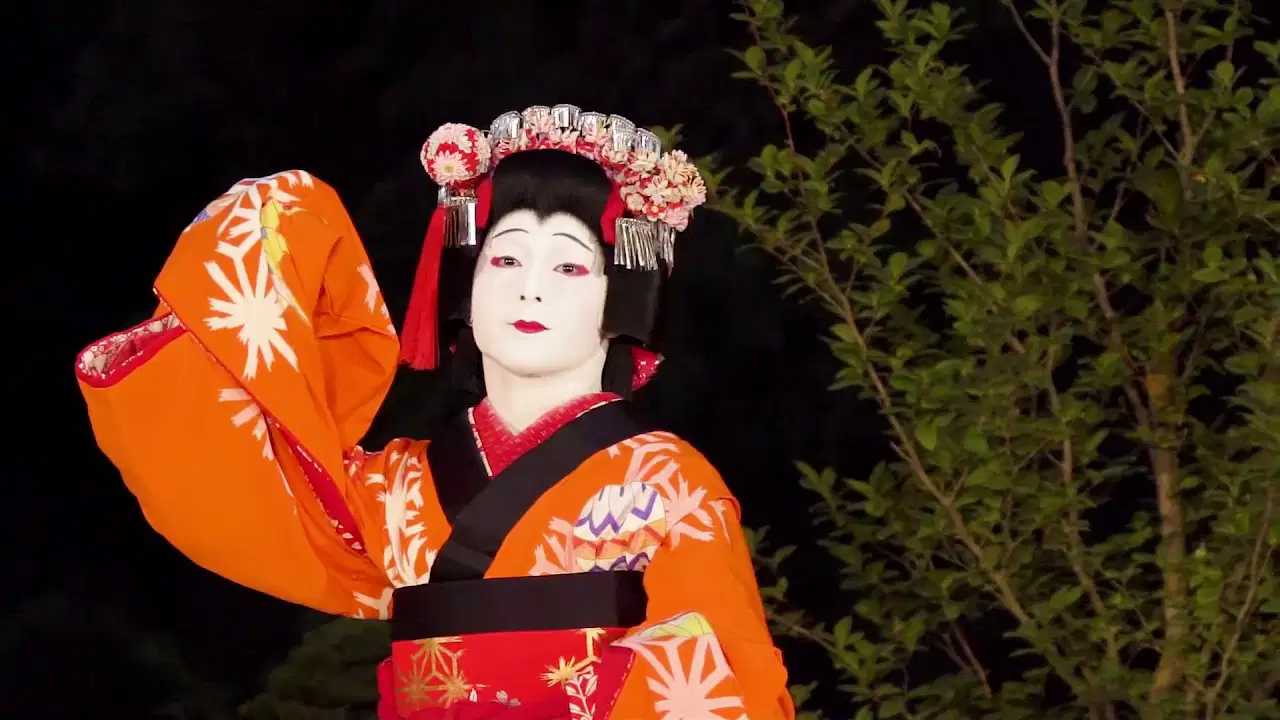
Which among the Asian traditional theater below can you find the scene shown in the photo?
Kabuki
Asian Theater
Wayang Kulit
Peking Opera
Known as the "puppeteer" in the Wayang Kulit performance
Dalag
Dalaga
Daga
Dalang
Peking Opera combines music, dance, mime, and acrobatics. Where does Peking Opera originate?
China
Indonesia
Japan
Korea
This is the ensemble accompanied by the Wayang Kulit
Gagaku
Gamelan
Pinpeat
Piphat
This is a collaborative form of art
dance
music
theater
visual art
For the Indonesians and Malaysians, wayang means ______ and kulit means __________
show, skin
theater, skin
stage, theater
shadow, theater
What is Wayang Kulit?
A comfortable kilt that originated in southern Asia
Puppetry that uses one's hands
Shadow puppetry that uses lights and shadow to tell a story
A cult that workship Lil Wayne
The puppet on the left side signifies good character and on the right-hand side the bad
TRUE
FALSE

A form of traditional Chinese Theatre which combines music, vocal performance, mime, dance and acrobatics.
Kabuki
Peking Opera
Wayang Kulit
Nang

A form of traditional Japanese Drama with highly stylized song, mime, and dance, now performed only by male actors.
Kabuki
Peking Opera
Wayang Kulit
Nang

It is the best known Indonesian Shadow Puppetry.
Kabuki
Peking Opera
Wayang Kulit
Nang

A popular shadow puppetry of Thailand.
Kabuki
Peking Opera
Wayang Kulit
Nang

It is the longest and most important festivity in the Chinese calendar and celebrated in countries and territories with significant Chinese populations
Chinese Spring Festival
Taiko Drum Festival
Bali Dance Festival
Loy Krathong Festival

A festival of Japan where Kodo features different sizes of drums.
Chinese Spring Festival
Taiko Drum Festival
Bali Dance Festival
Loy Krathong Festival

Very ancient tradition that is a part of the religious and artistic expression among the Balinese people.
Chinese Spring Festival
Taiko Drum Festival
Bali Dance Festival
Loy Krathong Festival

It is also known as the sky lantern festival of Thailand, an event of launching sky lanterns which are actually small hot air balloons.
Chinese Spring Festival
Taiko Drum Festival
Bali Dance Festival
Loy Krathong Festival

A coats over black with white calligraphy of a Kodo player
Happi
Hachimaki
Tabi
Odaiko

A big drum in Japan, used to play during the Taiko Drum Festival.
Taiko
Shime
Jozuke
Odaiko
A dance that symbolizes power, strength, and good luck where the dance team mimics the supposed movements of this river spirit in a flowing, rise and fall manner.
Bali Dance
Lion Dance
Tiger Dance
Dragon Dance

They are the teachers and presenters of the shadow puppetry in Thailand.
Dalang
Mei
Chou
Nai Nang

It is a painted face male role who plays either primary or secondary roles.
Jing
Chou
Dan
Sheng

They are also known as the Qingyi, virtuous and elite women.
Laodan
Chou
Zhengdan
Daomadan

kabuki stage feature with flat form that rises from below the stage.
Mawaro Butal
Suppon
Hanamicho
Hanamichi
A Filipino folk dancer and academic noted for her research on Philippine folk dance. She is also known as the dance researcher of Binislakan, Pangalay, Sakuting and Tiklos.
Ramon Obusan
Leonor Orosa-Goquingco
Francisca Reyes-Aquino
Ligaya Fernando Amilbangsa
A well -known Philippine folk dance with Asian influence which means "with the use of sticks"
Binislakan
Pangalay
Sakuting
Tiklos
In which province in the Philippines did the Binislakan dance come from?
Jolo, Sulu
Pangasinan
Panay and Leyte
Abra and Ilocos Norte
What is the dance classification of Binislakan?
Courtship Dance
Recreational Dance
Social Dance
Wedding Dance
What country in Asia influenced the Binislakan dance?
Myanmar
Indonesia
Cambodia
China
A well -known Philippine folk dance with Asian influence which means “My Pomelo Tree"
Binislakan
Sakuting
Tiklos
Sua-Ku-Sua
A Filipino dancer, choreographer, stage designer and artistic director. He is credited for his work in promoting Philippine traditional dance and cultural work. Also known as the dance researcher of Sua-ku-Sua.
Francisca Reyes-Aquino
Leonor Orosa-Goquingco
Ligaya Fernando Amilbangsa
Ramon Obusan
What is the dance classification of Sua-Ku-Sua?
Courtship Dance
Wedding Dance
Recreational Dance
Social Dance
In which province in the Philippines did the Sua-Ku-Sua dance come from?
Panay and Leyte
Jolo, Sulu
Abra and Ilocos Norte
Pangasinan
A well -known Philippine folk dance with Asian influence which means “Fingernail"
Pangalay
Binislakan
Sakuting
Sua-Ku-Sua
What is the male equivalent of the Pangalay dance?
Pangasik
Pangiluk
Pangalay
Pangosik
A Pangalay dance that features both a male and female dancer is called?
Pangiluk
Pangoluk
Pangasik
Pangosik
A well -known Philippine folk dance with Asian influence which means “Group of Peasants.”
Sua-Ku-Sua
Binislakan
Pangalay
Tiklos
A well -known Philippine folk dance with Asian influence which means “rhythmic sticks producing the
accompaniment for the dance.”
Binislakan
Sakuting
Tiklos
Pangalay

This is a dance whose researcher is Ramon A. Obusan, and this song means "My Pomelo Tree".
Sua-Ku-Sua
Sakuting
Pangalay
Binislakan

The Sua-Ku-Sua is a classification of what dance?
Funny Dance
War Dance
Hope and Faith Dance
Courtship Dance

In Sua-Ku-Sua, what does the two white fans represent?
shadows of fire
leaves rustling in the wind
branches cracking
wind gushing through
This is a dance of people of Cordillera during the American regime.
Binislakan
Folkdance
Festival Dance
Sakuting
Where is the Binislakan dance from?
Baguio
Ilocos Norte
Pangasinan
Camarines Sur
In which province in the Philippines did the Sakuting dance come from?
PANAY AND LEYTE
ABRA AND ILOCOS NORTE
JOLO, SULU
PANGASINAN
A form of traditional Chinese Theatre which combines music, vocal performance, mime, dance and acrobatics.
Kabuki
Peking Opera
Wayang Kulit
Nang
A form of traditional Japanese Drama with highly stylized song, mime, and dance, now performed only by male actors.
Kabuki
Peking Opera
Wayang Kulit
Nang
It is the best known Indonesian Shadow Puppetry.
Kabuki
Peking Opera
Wayang Kulit
Nang
A popular shadow puppetry of Thailand.
Kabuki
Peking Opera
Wayang Kulit
Nang
It is the longest and most important festivity in the Chinese calendar and celebrated in countries and territories with significant Chinese populations
Chinese Spring Festival
Taiko Drum Festival
Bali Dance Festival
Loy Krathong Festival
A festival of Japan where Kodo features different sizes of drums.
Chinese Spring Festival
Taiko Drum Festival
Bali Dance Festival
Loy Krathong Festival
Very ancient tradition that is a part of the religious and artistic expression among the Balinese people.
Chinese Spring Festival
Taiko Drum Festival
Bali Dance Festival
Loy Krathong Festival
It is also known as the sky lantern festival of Thailand, an event of launching sky lanterns which are actually small hot air balloons.
Chinese Spring Festival
Taiko Drum Festival
Bali Dance Festival
Loy Krathong Festival
A coats over black with white calligraphy of a Kodo player
Happi
Hachimaki
Tabi
Odaiko
A big drum in Japan, used to play during the Taiko Drum Festival.
Taiko
Shime
Jozuke
Odaiko
A dance that symbolizes power, strength, and good luck where the dance team mimics the supposed movements of this river spirit in a flowing, rise and fall manner.
Bali Dance
Lion Dance
Tiger Dance
Dragon Dance
They are the teachers and presenters of the shadow puppetry in Thailand.
Dalang
Mei
Chou
Nai Nang
It is a painted face male role who plays either primary or secondary roles.
Jing
Chou
Dan
Sheng
They are also known as the Qingyi, virtuous and elite women.
Laodan
Chou
Zhengdan
Daomadan
kabuki stage feature with flat form that rises from below the stage.
Mawaro Butal
Suppon
Hanamicho
Hanamichi
![Entertainment [ENG-VIET Complete] Level 1](https://cf.quizizz.com/image/image-loader.svg)
