
Font size
 Worksheets
Nervous System and the Senses
Total questions: 60
Worksheet time: 34mins
What is the Nervous System?
A complex network of nerve cells
A complex network of chemicals
A complex network of organs
A complex network of bones
How many sections is the nervous system split into?
1
2
3
4
What are the names of the first two sections of the nervous system? Click 2 correct answers.
Somatic Nervous System
Autonomic Nervous
Central Nervous System
Peripheral Nervous system
What two sections is the central nervous system split into? Click 2 correct answers.
Sympathetic Branch
Parasympathetic Branch
The Brain
The Spinal Cord
What is the function of the central nervous system?
Send messages to the muscles and glands
Relay nerve impulses from the CNS to the rest of the body and back.
Reflex actions
Increase heart rate
Which lobe deals with vision?
Temporal
Occipital
Parietal
Frontal
Which lobe deals with auditory information and speech?
Parietal
Frontal
Temporal
Occipital
What does the parietal lobe deal with
Planning
Vision
Personality
Info from the senses e.g. skin
What part of the brain deals with motor skills and balance?
Cerebrum
cerebellum
dienchephalan
brain stem
Which part of the brain deals with breathing, hear rate and swallowing?
Brain stem
Cerebrum
cerebellum
thalamus
What is the function of the spinal cord? Click 2 correct answers.
Relay info from the brain to the rest of the body.
relaxes the body after an emergency
Allows us to pull our hand away from something e.g. reflex
Produces adrenaline and nor adrenaline
How many cranial nerves are there?
16
29
31
12
How many spinal nerves are there?
12
14
31
30
How many subsections does the autonomic nervous system have?
2
3
4
1
Click 3 correct function of the sympathetic branch of the autonomic nervous system
Pupils dilate
Increase heart rate and blood pressure
Saliva production
fight and flight
Click 2 correct functions of the parasympathetic branch of the autonomic nervous system?
produces adrenaline and nor adrenaline
starts digestion and saliva production
pupils contract
increase heart rate and blood pressure
Which of the following is NOT a tunic of the eye?
Choroid
Conjunctiva
Retina
Sclera
The organs of HEARING are located here:
Cochlea
Utricle
Semicircular canals
Saccule
Which of the following is a receptor for PAIN?
Meissners corpuscle
Free nerve endings
Merkel's disk
Ruffini end organ
The part of the eye made up of nervous tissue (photoreceptors) is the ___.
sclera
choroid coat
iris
retina
lens
The major function of the semicircular canals is:
transmission of sound waves through bones
changing sound waves into nerve impulses
detecting the position of the head
conducting sound waves through the cochlea
The olfactory tract carries impulses associated with __.
sight
pain
smell
equilibrium
taste
Chemoreceptors are most likely to be activated by which of the following?
cold temperatures
pain
foul odors
carbon dioxide
standing on your head
What is the largest and most visible structure of the ear?
Malleus
Cochlea
Auricle
Tympanic membrane
What statement about the sense of taste is true?
Taste is influenced by the sense of smell
Taste buds are called lacteals
There are no taste buds in the back of the tongue
There are two main tastes, sweet and salty
Organisms in the throat can travel up the eustachian tube and cause:
a sore throat
swimmer's ear
otitis media (an ear infection)
vertigo
What does the pupil do?
protects the eye
helps the eye focus
allows light to enter eye
reflects light that enter the eye

Senses that respond to chemicals in solution utilize which of the following:
Meissner's corpuscle
chemoreceptors
crista ampullaris
beta lactamase
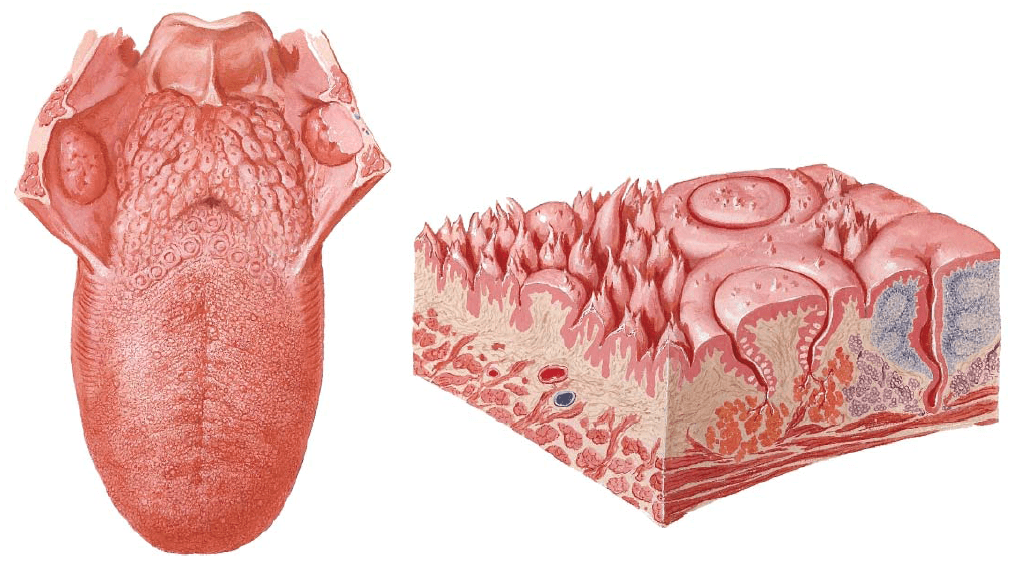
Small projections located on the tongue’s surface where taste buds are located are known as:
papillae
gustatory cells
olfactory epithelium
mucous producing glands
The thickened end of the olfactory nerve that sens sensory impulses to the brain.
Olfactory bulb
Olfactory filaments
Olfactory hairs
Vitreous Humors
Finding a cold classroom a little more comfortable once you have been in there for a while would be an example of
sensory interaction
stimulus generalization
just noticeable difference
sensory adaptation
How our body is oriented in space
kinesthetic sense
vestibular sense
absolute sense
olfacation sense
The lobe responsible for influencing the ability to read with understanding and is the primary visual receptor center.
Frontal
Parietal
Occipital
Temporal
Receives and interprets impulses from the ear. Contains Wernicke's area, which is responsible for interpreting auditory stimuli.
Frontal
Parietal
Occipital
Temporal
Interprets tactile sensations, including touch, pain, temperature, shapes, and two-point discrimination.
Frontal
Parietal
Occipital
Temporal
Motor response that promotes swallowing, talking, and production of digestive juices.
Cranial nerve V
Cranial nerve IX
Cranial nerve X
Cranial nerve XII
Sensory impulse responsible in carrying smell impulses from nasal mucous membrane to brain
Cranial nerve I
Cranial nerve II
Cranial nerve III
Cranial nerve IV
A complete neurologic examination consists of evaluating the following areas Except.
Mental Status
Cranial bones
Motor and Cerebellar System
Reflexes
Provides information regarding the integrity of the spinothalamic tract, posterior columns of the spinal cord, and parietal lobes of the brain.
motor system
sensory system
peripheral reflexes
autonomic reflexes
A brief screening of the client's neurologic status. Also useful for a client who had already had a complete neurologic examination but needs to be rechecked for changes related to therapy or other conditions.
neuro check
neuro briefing
neuro tool
neuro exam
In the emergency room, neurologic assessment includes the following Except
Level of consciousness
Pupillary checks
Movement and strength of extremities
Acupressure
In observing client for level of consciousness. A nurse assesses the patient who opens eyes to loud voice, responds slowly with confusion, seems unaware of environment. The observation to patient refers to_____.
Coma
Lethargy
Stupor
Obtunded
GCS score of ______ indicates an optimal level of consciousness.
14
13
12
11
In observing client's posture and body movements. Normal findings would include the following.
tense, nervous, fidgety
restless behavior
shoulders and back erect when standing or sitting
slumped posture
In observing for facial expressions to patient, a nurse conclude that the patient is in normal condition if she/he noted the following findings.
Poor eye contact
Extreme facial expressions
smiles and frown appropriately
mask-like expression
In assessing Glasgow Coma Scale to patient. A total score that is considered as coma is the following.
13
10
5
8
When assessing the mental status of an older client, be sure to check first the following before assuming the client has mental problem
gait and movement
vision and hearing
tone and depth of voice
vision and olfactory senses
Anatomy of the eye responsible for color vision:
retina
rods
cones
optic disc
Ear stone compose of protein and calcium.
microvilli
otoliths
gelatinous mass
nerve fibers
Which of the following is NOT one of the four primary taste sensations?
bitter
salty
sour
spicy
sweet
Which of these statements about taste is NOT true?
Taste buds are oval structures located on the surface of certain papillae on the tongue.
Each taste bud has about 40 taste cells
Taste cells contain hair-like processes called taste hairs.
Many taste sensations are strongly influenced by olfactory sensations.
Taste buds are only able to detect one taste sensation.
From the list below, all are accessory structures for the eye EXCEPT:
conjunctiva
lacrimal apparatus
retina
extrinsic eye muscles
eyelids
Which of the following special senses is relayed directly to the cerebral cortex without going to the thalamus?
smell
taste
sight
sound
touch
Olfaction:
taste
touch
smell
sight
The newest taste to be described is
bitter
salty
sweet
umami
sour
Why does a person's nose run when he cries?
Tears drain into the nasal cavity via the nasolacrimal duct.
Parasympathetic nerve stimulation causes the nose to secrete mucus.
Intense stimulation of the facial nerve as a result of crying increases nasal secretions.
The lacrimal glands secrete tears directly into the nose.
This stimulates fluid production in the nose.

