
 Worksheets
Ecology Summative Practice
Total questions: 62
Worksheet time: 43mins
Which of the following are ABIOTIC factors?
water
soil
predators
disease
weather
animal
abiotic factor
biotic factor
organism
Which of the following are BIOTIC factors?
grass
high elevation
prey
competition
rainfall
abiotic
biotic
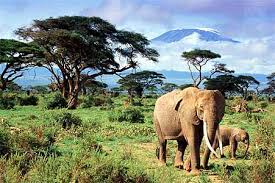
sunlight, elephants, and grasses
sunlight, water, and air
elephants, plants, trees
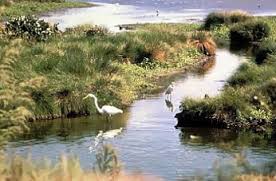
water, sunlight, dirt, air
birds and plants
water, plants, and birds
Biotic and Abiotc Factors
Biotic Factors
Abiotic Factors
None of the Above
snail, algae, guppy, sunlight
temperature, Daphnia (water flea), snail, guppy (fish)
snail, guppy (fish), Daphnia (water flea), algae
temperature, pH, conductivity, nitrite concentration

The zebra is an example of...
organism
population
community
ecosystem

The zebras and lions are an example of...
organism
population
community
ecosystem

The alligators are an example of...
organism
population
community
ecosystem

This picture (including the water and air) is an example of...
organism
population
community
ecosystem

The deer are an example of...
organism
population
community
ecosystem

The elephants and trees are an example of...
organism
population
community
ecosystem

This picture (including the water and sun) is an example of...
organism
population
community
ecosystem

The turtles and alligators are an example of...
organism
population
community
ecosystem
All the living things in an area makes up a(n):
Ecosystem
Population
Biome
Community
A bunch of ecosystems with similar climates is a(n):
Ecosystem
Population
Biome
Community
Producer
makes food in its own cells
Herbivore
eats plants/producers
Carnivore
eats animals
Omnivore
eats plants and animals
Decomposwer
Recycles dead matter in ecysostems
Producer
Palm Tree
Herbivore
Cow
Carnivore
Tiger
Omnivore
Raccoon (eats small rodents and plants)
Decomposer
Mushroom
Producer
Photosynthetic Algae
Herbivore
Rabbits
Carnivore
Shark
Omnivore
Songbird
Decomposer
Earthworm
the ground
other animals
decomposers
the sun
How do decomposers get energy?
They break down dead or decaying matter.
They eat live organisms.
They get energy from the Sun.
They get energy from the moon.
Predation
a predator hunts and eats prey
Competition
two organisms in a species need the same food source.
Mutualism
symbiotic relationship where both species benefit
Commensalism
symbiotic relationship where one organism benefits and the other isn't affected.
Parasitism
symbiotic relationship where a parasite harms a host species.
Predation
polar bears hunt and eat seals
Competition
cardinals and bluebirds both eat earthworms
Mutualism
a hummingbird pollinates a flower, helping it reproduce, an gets nectar for food.
Commensalism
An eagle builds a nest in a tree.
Parasitism
tapeworm makes humans sick by stealing nutrients from its digestive tract.
Barnacles create home sites by attaching themselves to whales.
Mutualism
Commensalism
Parasitism
Ticks feed on deer blood with harms the deer.
Mutualism
Commensalism
Parasitism
Honey guide birds alert and direct badgers to bee hives. The badgers feed on the honey and then allow the birds to eat.
Mutualism
Commensalism
Parasitism

Put this food chain in the correct order
Grass
Rabbit
Snake
Hawk
What organism is missing from this food chain?
Shrub -> (a) -> Insect Eating Bird -> Hawk
Circle every secondary consumer in red
Match each organism with the correct trophic level
Producer
Grass
Primary Consumer
Squirrel
Secondary Consumer
Insect Eating Bird
Apex Predator
Mountain Lion
Decomposer
Bacteria

What would happen to the bird if the green fish died out?
the bird population would grow
the bird population would die out
the smaller fish will die out
What is the bottom layer of the an energy pyramid?
producer
tertiary consumer
Secondary consumer
primary consumer
What does an energy pyramid show?
Energy flow in a community
Longest lifespans
The stronger animal the higher it is on the pyramid
100%
10%
50%
75%

How do biodiversity and stability work together?
The lower the biodiversity the greater the stability of an ecosystem.
The higher the biodiversity, the less stable the ecosystem
The higher the biodiversity, the greater the stability of the ecosystem.
Biodiversity has nothing to do with ecosystem stability.
The loss of a natural habitat is called:
Habitat Development
Pollution
Biodiversity
Habitat Destruction
The breaking of habitats into smaller pieces is called...
habitat division
habitat corruption
habitat pollution
habitat fragmentation
Why is habitat fragmentation hazardous to animals?
Animals may not thrive in their new habitat
Habitat fragmentation causes loss of habitat for many organisms
If coral reefs die, so will many fish species that depend on them
Habitat fragmentation does not pose a threat to animals.
Clearing Earth's forests on a massive scale
Eating too much vegetables
Going to a forest and pulling weeds
Clearing the five trees in my backyard
Deforestation causes an increase in atmospheric carbon dioxide
true
false

loss of habitat
increased green house gasses
soil erosion and flooding
all of the above
No, trees aren't that important
Sometimes because only the cutting down of Maple trees contributes to global warming
No, deforestation adds methane to the atmosphere, which makes the Earth cooler
Yes; less trees means less CO2 is turned into oxygen.
What is "overfishing"?
Fishing out of season
Catching fish faster than they can replenish
Catching fish from the top of the food chain
Catching more fish than what people eat
What percentage of the world's fish are currently overfished?
10%
33%
65%
100%
What is an impact of fish disappearing? Select all that apply.
Global warming
Jobs and economies can disappear
A major source of protein for humans is lost
Sea levels will rise, flooding coastal areas
Which of the following causes of pollution?
Car and vehicle emissions
smog
acid rain
animals and plants dying
only in the air
only on the land
only in the water
on land, in the air, and in the water

They can use a water filter to use fewer water bottles.
They can recycle their plastic, glass, paper, and cardboard items and only throw away non-recyclable items.
They can watch less television, reducing electricity use and allowing their electronics to last much longer.
They can refill large plastic containers, like those used for laundry detergent, instead of throwing them away.
This type of pollution inhibits people from seeing the stars and planets.
Light Pollution
Water Pollutilon
Air Pollution
Land pollution
Which human action can cause pollution?
Walking
Biking
Mining
Recycling
lower levels of ozone in the atmosphere
lower levels of nitrogen in the atmosphere
higher levels of carbon dioxide in the atmosphere
higher levels of oxygen in the atmosphere

atmospheric carbon dioxide levels have been decreasing since 1960
Hawaii has a lot of carbon dioxide
humans have been working hard to decrease carbon dioxide levels
atmospheric carbon dioxide levels have increased steadily since 1960
droughts
flooding
melting of polar ice caps
all of the above
using bottled water
burning fossil fuels
texting on cellphones
eating meat
will result in cooler temperatures in the Arctic
will result in sea-levels rising
Will have no effect on ecosystems
None of the above
Trees and other living things
Oceans
underground in soil and fossil fuels
All are correct
warmer
cooler
Flooding
Heat Waves
Hurricanes
All of the above

carbon
sulfur
nitrogen
boron
How long does it take plastic to degrade?
500-1000 years
200 years
150 years
50 years

