
 Worksheets
Regents Matter Practice
Total questions: 48
Worksheet time: 1hrs 19mins

What is this?
Element
Compound
Homogeneous Mixture
Heterogeneous MIxture

What is this?
Element
Compound
Homogeneous Mixture
Heterogeneous Mixture

Element
Compound
Homogeneous Mixture
Heterogeneous MIxture

What is it?
Pure Substance
Mixture

What is it?
Pure Substance
Mixture

What is it?
Pure Substance
Mixture
When there is one type of atom
Element
Compound
Homogeneous Mixture
Heterogeneous Mixture
When there is 2 or more atoms combined together
Element
Compound
Homogeneous Mixture
Heterogeneous Mixture
A group of 2 or more items, that are not chemically combined
Pure Substance
Mixture
A ______________ mixture is one that does not have a uniform composition.
heterogeneous
homogenous
pure substance
A _________________ mixture is one where the substances are evenly spread throughout.
heterogeneous
homogeneous
pure substance
Pure substances include:
Elements
Homogeneous Mixtures
Compounds
Heterogeneous Mixtures
An element is?
Chemically combined
Pure substances that can be broken down
Pure substances that cannot be broken down into simpler substances
One or more elements chemically combined.
An compound is?
Chemically combined
Pure substances that can be broken down
Pure substances that cannot be broken down into simpler substances
One or more elements chemically combined.
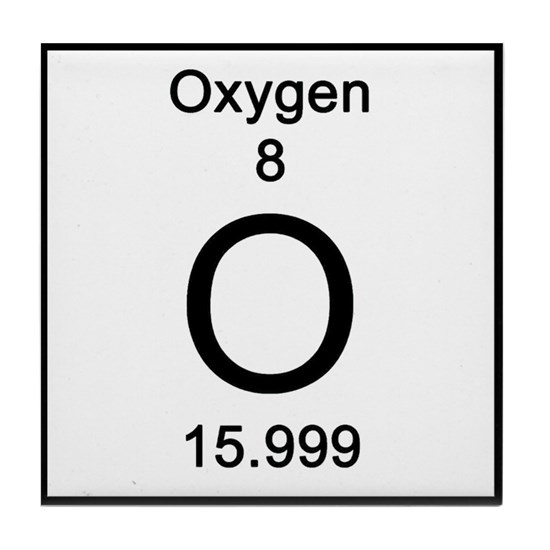
Oxygen
Element
Compound
Which is a mixture of compounds?


Which is a pure substance?


made up of?
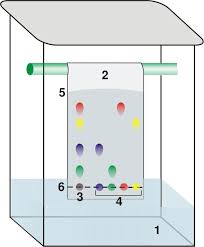
Dyes in water soluble markers may be separated by means of..
crystallization
sublimation
chromatography
sedimentation
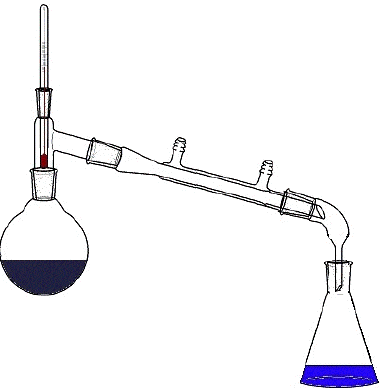

Look at the apparatus setup. It CANNOT be used to separate which of the following mixtures?
Marble chips from oil
Alcohol and water
Coffee grounds from sugar solution
Sand and sea water

Describe the substance or change between letters D and E.
Solid
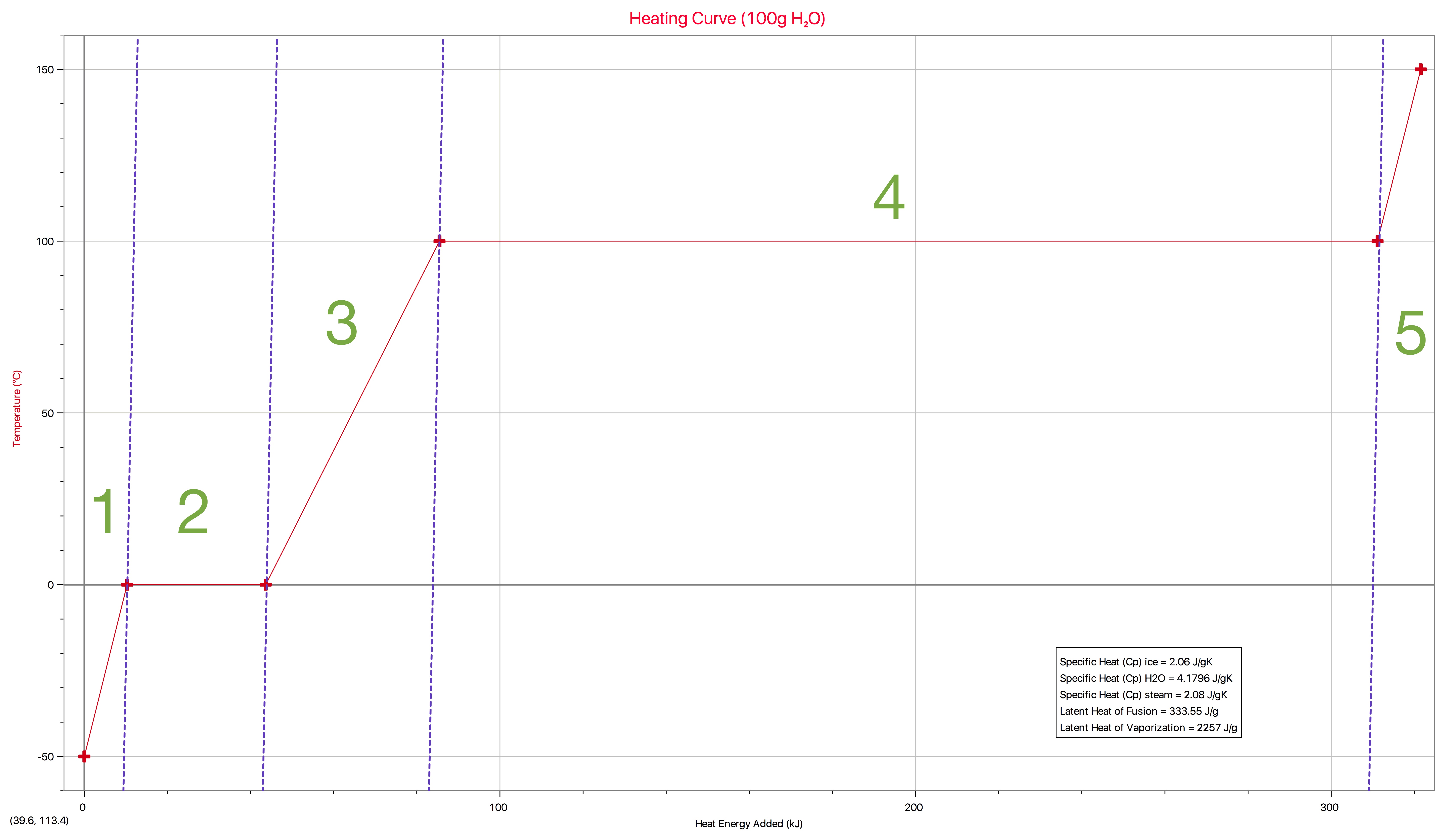

The melting point of the sample is
-60 ºC
-100 ºC
60 ºC
100 ºC

This curve indicates what about the heat energy?
Heat energy is being absorbed (added)
Heat energy is being released (removed)
What is the freezing point of the substance?
0oC
60oC
120oC
180oC
From point A to point F, the sample is going through an __________ process by __________.
exothermic, releasing heat to the surroundings
exothermic, absorbing heat from the surroundings
endothermic, releasing heat to the surroundings
endothermic, absorbing heat from the surroundings

Given the heating curve of a solid being heated at a constant rate, how much total time was required to boil this substance AFTER it reached its boiling point?
3 minutes
4 minutes
10 minutes
14 minutes

Given the heating curve of water, what is happening to potential and kinetic energy during segment CD?
the potential energy and kinetic energy both increase
the potential energy increases while the kinetic energy decreases
the potential energy is constant while the kinetic energy increases
the potential energy increases while the kinetic energy is constant

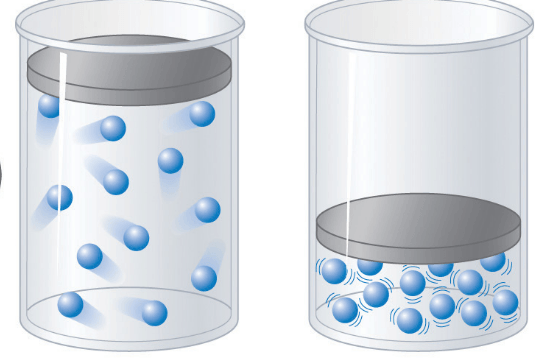

What relationship is shown in this graph?
As pressure increases, volume also increases
As temperature increases, volume decreases
As pressure increases, volume decreases
As temperature decreases, volume decreases
How many Joules of energy are required to make 50.0 grams of ice at 0 οC completely melt?
334 J
0 J
33,400 J
16,700 J
What is the formula to calculate heat energy required to raise the temperature of any substance?
Q=mc∆t
Q=mH
Q= ½mv
m=QC
The heat absorbed while a solid is melting is known as....
heat of fusion
heat of solid
heat of liquid
heat of vaporization
Calculate the energy needed to completely boil away 30 g of water at 100 ⁰C .
67,800 J
2260 J
226,000 J
100 J
Heat always flows from a __________________ to a cooler object.
warmer
cooler
liquid
gas
The amount of heat needed to change 1 gram of a substance from the liquid phase to the gas phase is ___
Heat of Vaporization
Boiling point
Heat Energy
Phase change

