
 Worksheets
Semester 2 Review Practice Gen
Total questions: 75
Worksheet time: 51mins

The end of mitosis results in ____ to each other.
2 cells that are identical
4 cells that are identical
2 cells that are not identical
4 cells that are not identical
Reorder the phases of mitosis
Prophase
Metaphase
Anaphase
Telophase
A chromosome is composed of two identical sister
centromeres
chromatids
autosomes
somatic cells
During meiosis, if an organism has 10 chromosomes, how many will the new daughter cells have?
10
8
5
2
During mitosis, if an organism has 10 chromosomes, how many will the new daughter cells have?
10
8
5
2
In which phase of meiosis does the chromosome number change from diploid to haploid?
prophase I
anaphase I
prophase II
anaphase II
Select the image that represents meiosis:


Who is considered the "father" of modern genetics?
Einstein
Mendel
Disney
Washington
Which of the following units are repeatedly joined together to form a strand of DNA?
Amino Acids
Nucleotides
Fatty Acids
Polysaccharides
What does DNA stand for?
Deoxyribonucleic acid
Denitrogenous acid
Deribonucleic acid
Diribonucleic acid
What is a mutation?
Adenine
a change/mistake in DNA
a copy of the original DNA
Guanine

What did Rosalind Franklin,Maurice Walkins, James Watson,Francis Crick discover?
DNA is the main component of a gene
DNA is found in cells
DNA consists of a double helix structure
DNA is made up of 4 bases
In this scenario, African wildebeests migrate across grasslands. What might cause them to migrate farther than normal?
A drought.
Nothing.
Too much water.
Too much grass.
What might happen if an organism is unable to adapt to its ecosystem?
They might become extinct.
They will survive anyway.
Nothing/
All of the above.

Rainforests get lots of....
snow
rain
animals
tornados

The aquatic biome is split into two main types, what are they?
Saltwater and Freshwater
Cold water and Hot water
Artic water and Grassland water
Slushy water and Soda Water
What does biology study?
the earth
chemical reactions
living things
Which term describes the different forms of a gene
Chromosome
Allele
DNA
Punnett Squares
Aa, DD, Bb, yy are all examples of _______
genotypes
phenotypes
If something is homozygous, it can also be called____
phenotype
genotype
hybrid
purebred
Which body system protects the organs of the body?
digestive
respiratory
skeletal
muscular
This organ is part of the digestive system.
lung
heart
brain
stomach
What is the function of the respiratory system?
To digest your food
To remove waste from the body
To take in oxygen and remove carbon dioxide
To fight disease
What is the function of the digestive system?
It transports blood and oxygen to your cells
It breaks down food so the nutrients can be absorbed by your body
It helps you breathe by taking in oxygen and transporting carbon dioxide out of your body
It helps you move
Which system in the human body includes the heart, blood, arteries, and veins?
cardiovascular
muscular
digestive
respiratory
Which two body systems work together to support the body and allow the body to move?
circulatory and respiratory
digestive and nervous
skeletal and muscular
circulatory and digestive
Which of the following is a component of the circulatory system?
heart
blood vessels
blood
all answers

What is the function of the cell membrane?
To control what comes in and out of the cell
To break down food inside the cell
to serve as a barrier
to eat the cells food

Which cell contains Chloroplasts?
Animal
Plant

what is the function of ribosomes
to assemble amino acids to create proteins
to pack proteins
to clean proteins

The control center of cell is
the nucleus
ribosomes
chromatin
organism
species
community
ecosystem
biosphere
Select all that are biotic
Tall bluestem grass
Post Oak Tree
Red Tailed Hawk
Average temperature 94 degrees
6-8 inches of rainfall/year

Air
Biotic
Abiotic

A cactus
Biotic
Abiotic
Define abiotic
bacteria
Things in your front yard
Living things
Non-living things
Define biotic
living plants
living animals
living things
things in your backyard

Which are abiotic factors in this environments?
Water
Deer
Grass
Dirt
Something that grows and makes more of itself
Living
Nonliving
Something that cannot grow or make more things like itself
Living
Nonliving
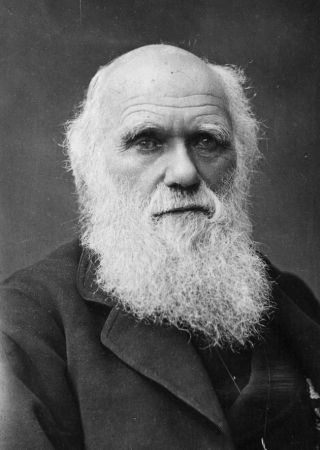
Who developed the theory of evolution?
Charles Darwin
Mike Tyson
George Washington
Patton Manning

Where did Charles Darwin travel while developing this theory?
Galapagos Islands
Philippines
Channel Islands
Hawaiian Islands
Example of a survival trait is... (more than 1 answer)
something that helps an organism EAT
something that helps an organism escape predators
something that helps an organism mate
something that helps an organism die
When organisms are better adapted to their environment they will survive and produce more offspring. This process is called what?
Selective breeding
Natural Selection
Cloning
Evolution of all species
A physical or behavioral trait that helps an organism survive and reproduce in its environment is called a what?
An adaptation
A response to a stimulus
A mutation
Evolution

What animal did Darwin bring back from the Galapagos to study?
finches
turtles
fish
iguanas

Where does the sun go on this chart?
at the very bottom
at the top
in the middle

