
 Worksheets
US and The World FInal Exam Practice Test
Total questions: 225
Worksheet time: 2hrs 23mins

The main cause for many of the rules in the Articles of Confederation was that the delegates at the Continental Congress...
did not want to give the states too much power because they'd proven they were willing to rebel against a government.
wanted to create a government that was identical to England's government.
were concerned about giving the central government too much power because the King had used his power unfairly.
wanted to unify the states together, which included creating one army and one type of currency.
Shays' Rebellion represented...
a success of the Articles of Confederation
a failure of the Articles of Confederation
A meeting held in Philadelphia in 1787 at which delegates from the states wrote the U.S. Constitution.
Congress
Constitutional Convention
First Continental Congress
The Northwest Ordinance
The plan of government adopted at the Constitutional Convention that established a two-house Congress. In the House of Representatives, representation from each state is based on state population. In the Senate, each state is represented by two senators.
The Great Compromise
The Three-Fifths Compromise
The Federalist Papers
The Articles of Confederation
An agreement made at the Constitutional Convention stating that enslaved persons would be counted as three-fifths a person when determining a state's population for representation in the House of Representatives.
The Great Compromise
The Articles of Confederation
The Three-Fifths Compromise
The Federalist Papers
Who is known as "the Father of the Constitution"?
George Washington
James WIlson
James Madison
Ben Franklin
What was a typical reason why some delegated did not sign the Constitution? (Select all that apply)
They thought ratification would take too long.
They believed in a strong national government.
They believed that the Constitution weakened the states
There was no bill of rights
Representatives
The ___________ are for the ratification (approval) of the U.S Constitution.
Federalists
Anti-Federalists
Whiggs
Representatives
The ___________ are NOT for the ratification (approval) of the U.S Constitution.
Anti-Federalists.
Federalists.
Whiggs.
Supreme Court Justices.
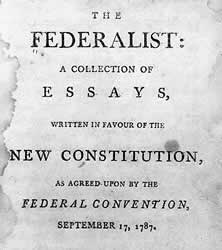
The "Federalist Papers" were written to:
Explain and convince the people into supporting the new U.S Constitution.
spark a new revolution among the American people against their government.
oppose a strong centralized government.
create a new monarchy.
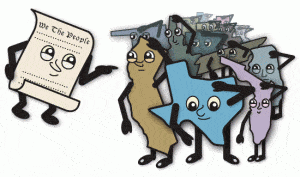
Anti-Federalists were in favor of:
States Rights and the protection of individual rights.
A strong Central Government.
A Monarchy (King & Queen) to rule over the country.
a powerful National Government
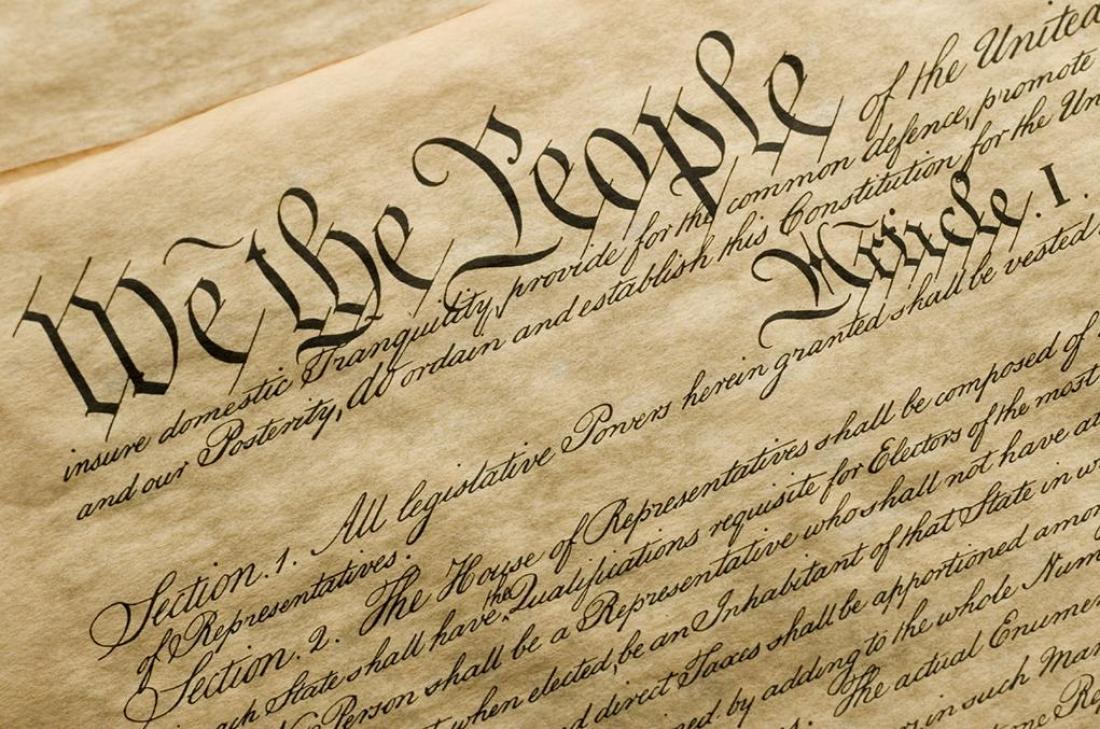
How did the Federalists and Anti-Federalists "compromise" to ratify (approve) the U.S Constitution?
The added the Bill of Rights (First 10 Amendments)
They outlawed cruel and unusual punishment.
Ensured due process of the law.
The Federalists threatened the Anti-Federalists to war.
What President made the Louisiana Purchase from France?
Washington
Adams
Jefferson
Madison
Who was president during the war of 1812?
Washington
Jefferson
Madison
Monroe
This President created the ______ doctrine, or the official US foreign policy telling Europe to stay out of the Western Hemisphere?
Adams
Jefferson
Madison
Monroe
Hamilton, Jefferson, Knox an Randolph made up the Washington advisors, presidential advisors are also called...
the cabinet
the good ol' boys
the judicial branch
the Congress
What is a precedent?
A tradition for others to follow
when countries buy or sell goods to each other based on haves and needs
when you do not choose sides in a war or argument between two sides
is when you forbid trade with another nation.
Which of the following were precedents set by Washington? (CHOOSE ALL THAT APPLY!)
Title - "Mr. President"
Choosing a Yale Graduate as Secretary of War
Set a two term "limit"
Chose two opposite cabinet members.
Creating a Cabinet
Which of the following statements most accurately describes judicial review?
the power to nominate and appoint new judges
the power to reverse the decisions of lower courts
the power to review presidential actions
the power to declare laws unconstitutional
Which Supreme Court case established judicial review?
McCullough v. Maryland
Marbury v. Madison
US v. Nixon
Baker v. Carr

Andrew Jackson's election victory in 1828 depended on support from
the rich and well-born.
Native Americans.
the common people.
states' rights supporters.

Jacksonian Democracy
an informal group of trusted advisers who sometimes met in the White House kitchen
The practice of giving government jobs to political backers
The period of expanding democracy that gave voting rights to all white males
The Court ruled that the national bank was constitutional

factories; not dependent on slavery
Expansion of the US occurred during WHAT time period?
1900s
1800s
1600s
1780s
"From Sea to Shining Sea..." can best be used to describe --
Manifest Destiny
Globalization
Eastern Expansion
Great Migration

Which President is associated with the Indian
Removal Act?
Andrew Johnson
Andrew Jackson
Abraham Lincoln
George Washington

Name of the land we gained after the Mexican American War
13 colonies
Treaty of Paris
Louisiana Purchase
Mexican Cession


This country owned Florida before the United States received it in a treaty --
Spain
France
Germany
Great Britain
Andrew Jackson was the first Democratic president elected in 1828. Which of the following was NOT a belief of this party in the early 1800s.
support southern and western interests
want to outlaw slavery
support state's rights
want to get rid of the property requirement to vote

This voided the Missouri Compromise and removed the 36* 30' line.
Compromise of 1850
Kansas Nebraska Act
The Constitution
Lincoln/Douglas Debates
Which of the following best describes John Brown?
radical abolitionist who used violence to try to end slavery
a peaceful abolitionists who hated violence
a pro-slavery Senator
a strong supporter of slavery who used violence to spread slavery
Popular Sovereignty was the idea that
slavery would be banned in all future states.
the government would decide if slavery would be legal or illegal.
the people would vote to decide if their state would have slavery.
slavery would be allowed in every future state.
What did the Wilmot Proviso state?
Slavery should not expand into the territory acquired after the Mexican American War
All runway slaves who are captured must be brought back to their plantations in the southern states
The Slave Trade would end in 1845 for all states of the Union
Slavery would be permitted in some Northern states
Which state entered the Union as a free state as a result of the Compromise of 1850?
California
Maine
Missouri
Texas

Which politician from Kentucky was instrumental in creating the Compromise of 1850? Hint: He also was key in passing the Missouri Compromise in 1820,
Henry Clay
John Quincy Adams
John C. Calhoun
Abraham Lincoln
Which part of the nation would be most in favor of the Fugitive Slave Act of 1850?
The Northern free states
The Southern slave states
California
The states in New England

The Compromise of 1850 outlawed slave auctions in...
Washington, DC
Richmond
New Orleans
Charleston
The general who developed the Unionś early war strategy known as the "Anaconda Plan."
Irvin McDowell
William Tecumseh Sherman
John C. Pemberton
Winfield Scott
What was the primary cause of the American Civil War?
Cotton
Immigration
Slavery
Native Americans
During the 1800s, abolitionists worked to
end slavery
support slavery
create slavery
improve slavery
Who won the election of 1860 causing southern states to begin seceding (leaving) from the Union?
Abraham Lincoln
Andrew Jackson
Thomas Jefferson
Andrew Johnson
Was it constitutional (legal) for south to secede from the US?
Yes
No
What happened when Union troops arrived at Fort Sumter?
Union troops opened fire
Confederate troops opened fire
Their leaders met in hopes of working out a compromise
They had orders from Lincoln to free the slaves
After seceding, the south called themselves...
The Confederate States of America
A Brotherhood of States
The New United States
The Articles of Confederation
Why did Lincoln send troops to Fort Sumter in South Carolina?
Because he'd just declared war on the south
To try to encourage the south to rejoin the US
Because that's where the first battle was scheduled to be
To watch the situation and make sure things didn't get out of hand
The first battle of the Civil War happened at...
Lincoln's Inauguration in Washington DC
the US Capitol with southern states seceded from the US
Fort Sumter after Union and Confederate troops opened fire
a rally for Lincoln in New York City

Look at the image and select the best possible answer. Who had more miles of railroad tracks?
North
South
Look at the image and select the best possible answer. Who had a larger population?
North
South
Look at the image and select the best possible answer. Who manufactured more goods?
North
South
Who was an important leader of the Union Army?

What was a major advantage of the South during the Civil War?
they had lots of factories
they had more people
they had the best military leadership
they had many cities
What battle was the turning point of the war?
Battle of Bull Run
Battle of Gettysburg
Battle of Fredericksburg
Overload Campaign
The Emancipation Proclamation freed all enslaved people in what region?
States in Rebellion
Across the Union
In Union held territory
Ohio
The Emancipation Proclamation went into effect in what year?
1881
1863
1865
1868
Which of the following war was America's deadliest war?
World War I
Civil War
Revolutionary War
Vietnam War
What speech was given by President Lincoln at the dedication of the first federal cemetery and helped redefine the nation's purpose and gave the Civil War a new meaning for the Union?
"I Have a Dream" Address
"The Purple Tomb" Address
Gettysburg Address
"Liberty and Freedom" Address

Where did the war end with the surrender of Robert E. Lee?
Yorktown, VA
Fredericksburg, VA
Appomattox Court House, VA
Richmond, VA

Which statement about African-American participation in the Civil War is true?
Most African Americans served in regiments composed of both white and black soldiers.
Many slaves and free blacks served in the Confederate army.
Many former slaves enlisted to serve in the Union army.
African Americans were less courageous than whites in active combat on the battlefield.
This is the name of the period of time the followed the end of the Civil War.
Building Era
Reconstruction Era
Rebuild Era
Post Civil War Era
This organization gave food, clothing, medicine, and other supplies to freed slaves. It built thousands of schools.
Freedom's Bureau
Freedmen's Bureau
Hope Bureau
Helpful Bureau
The ______________ Amendment gave all African American MEN the right to vote. It was illegal to deny African American men the right to vote.
14th
16th
13th
15th
The ____________ Amendment grants citizenship to all people born or naturalized in the United States. This meant that all African Americans that were enslaved were now American citizens.
14th
15th
16th
19th


Where were there race riots in 1866 which demonstrated that the South was not protecting the rights of freedmen?
New Orleans
Memphis
Kansas
Washington DC
What did Johnson do on Christmas Day, 1868?
Gave more powers to the Freedman's Bureau
Resigned
Granted an unconditional pardon to a large number of Confederate politicians and soldiers.
Andrew Johnson's reconstruction plan was ______
To bring southerners back into the union quickly and without punishment
To punish southerners for starting the Civil War
To only allow some southerners back into the Union
To protect the rights and freedoms of newly freed slaves
Andrew Johnson ______ every reconstruction bill presented to him during his time as president
Vetoed
Passed
Outlawed
Signed
What needed to have 10% in Lincoln's ten Percent Plan?
10% of plantation owners needed to free their slaves
10% of white male southerners pledge an oath of loyalty to the United States
10% of Confederate troops would be imprisoned for war crimes
10% of former slaves would have to be registered to vote
Which plan was more lenient?
Radical Republican plan
Johnson's Presidential Plan
Which statement best describes the purpose of Lincoln's and Johnson's plans for Reconstruction?
Give Congress the final authority in the process of Reconstruction
Give equal voting rights for both white and black males in the South
Provide financial aid for rebuilding the South
Encourage rapid readmission of ex-Confederate states into the Union


What was one of the results of Plessy v. Ferguson?
The Supreme Court ruled in favor of Plessy saying segregation was illegal.
The Supreme Court never made a ruling.
The Supreme Court ruled that segregation was legal.
African American and whites using different bathrooms and water fountains would be a typical ______________ law.
Sharecropping
Jim Crow
Equal Rights
Reconstruction

Where did the Industrial Revolution begin?
United States
England
France
Germany
Which effect did coal have on the Industrial Revolution?
It was converted into steel in huge furnaces
It was a profitable job to make coal in the factories
It replaced petroleum as the most popular fuel in the world
It was used to power new machines
Which word is used to describe the rapid growth of cities during the Industrial Revolution?
Decriminalization
Capitalism
Gentrification
Urbanization

A place where people and machines join together to mass produce goods.
Cartel
Corporation
Factory
Urbanization
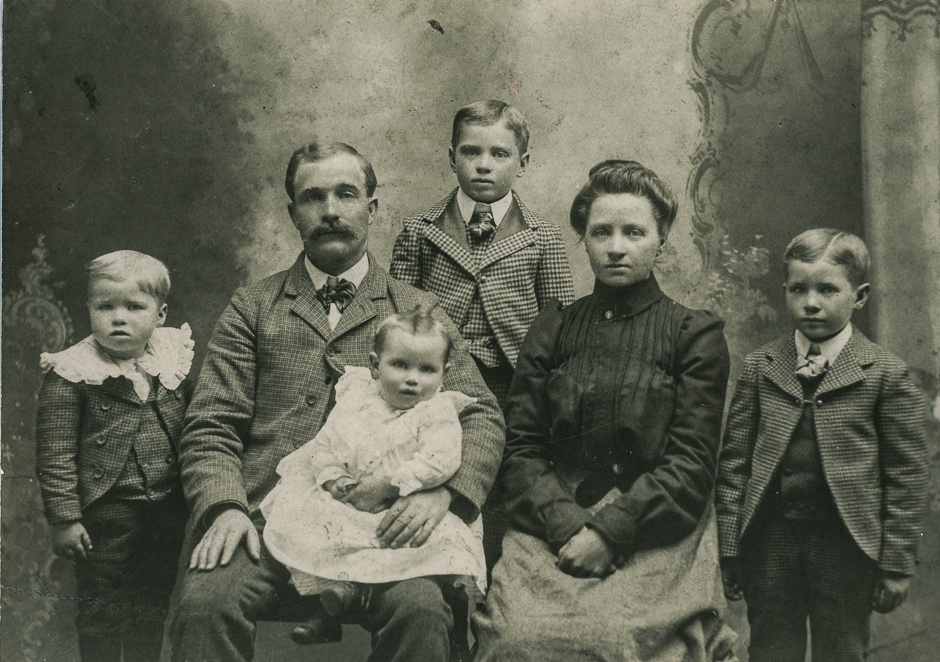
The Industrial revolution created a new ____________ class.
Upper
Poor
Lower
Middle

__________ is known as the Father of modern economics, who theorized Laissez-Faire, the idea that the market should have no political interventions?
Adam Smith
Karl Marx
Thomas Malthus
Frederick Engels

Some of the machines invented in the 18th and 19th centuries are:
telephones, geographic positioning system, radios, airplanes
steam engine, railroads, flying shuttle, phonograph, steam ships, light bulb
sailboats, automobiles, wheel barrels, clocks, word processors
automatic washer, hair dryer, rockets, space shuttles

Which of the following is considered an impact of Industrialization during the 18th and 19th centuries?
Increased competition between industrialized nations
Rise of global inequalities
Transformation of society.
All of the above

Capitalism is
An economic system in which the means of production are privately owned and money is invested to make profits.
An economic system in which the means of production are owned by the public (government) and operate for the welfare of all.
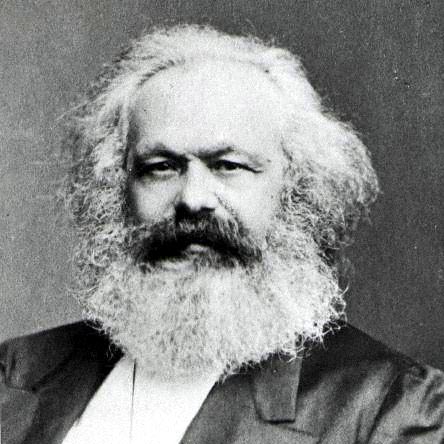
__________________ predicted a violent revolution that would result in the working class taking over in a classless political and economic systems known as communism.
John Adams
Thomas Smith
Karl Marx
Edward Jenner
What are the run-down "apartments" that many people in large cities lived in called?
tenant farms
tenements
apartments
public housing
During the period from 1880 to 1920, the majority of immigrants to the United States settled in urban areas in the North. What was the primary reason for this trend?
Most immigrants had lived in cities in their native countries.
Labor unions gave financial help to immigrants willing to work in the factories.
The Populist Party was successful in preventing immigrants from buying farmland.
Rapid industrialization created many job opportunities.
In the late 19th century, inventions such as the mechanized reaper and the steel plow made farming more efficient. What impact did the introduction of farm machinery have on American farms in the 19th century?
More workers were needed to run the new machines.
Large farms increased their output and supplied food to eastern cities.
Wages for unskilled farm workers increased.
The high cost of the machines made farming unprofitable.
As a result of increased immigration to the United States in the late 19th century, many immigrant families lived in tenements because
there was a lack of affordable housing in overcrowded cities.
there was inadequate housing on the Great Plains.
they wanted to avoid living in ethnic neighborhoods.
the federal government provided immigrants with free housing.
A reason some businesses hired children was:
To provide the children a bright future and opportunities
So they could save money by paying the children less money
So the children could take care of the heavy labor required for their business
To improve their public image
Powerful companies like Standard Oil that had control over the majority of the industry they were involved in and controlled many businesses related to their own can be called
Labor Unions
Monopolies
Start-ups
Urbanization
Identify effects of the US Industrial Revolution
The agricultural revolution
The expansion of the middle class
Dirty and crowded cities
The US Civil War
Who were the people known as "robber barons" by their critics and "captains of industry" by their supporters?
Industrial workers
Politicians
Wealthy businessmen
Labor union leaders
What innovation made manufacturing more efficient?
Electricity
Railroad
Telephone
Oil refining
What innovation contributed to the rapid industrialization (growth of factories) of the United States?
Railroads
Telephone
Dry farming
Sewing machine
What is one positive about the laissez-faire politics?
Immigrants were exploited by political machines
Entrepreneurs started businesses without government interference
American workers formed labor unions
Many immigrants lived in tenements

What does this image say about the control of Stand Oil?
Standard Oil is a monster trying to control the entire USA
Standard Oil is trying to save government from political bosses
Standard Oil is trying to keep government on the right track to benefit laborers
Stand Oil had control over many aspects of government

These were journalists who wrote book and articles that exposed corruption in business and government:
Progressives
Muckrakers
Sensationalists
Investigative reporters

This time period focused on social and political reforms in the United States in the early 1900s:
Civil War Era
Industrialization Era
Progressive Era
Reconstruction Era

This U.S. president made significant contributions to breaking up big business during the Progressive Era:
Howard Taft
Woodrow Wilson
William McKinley
Theodore Roosevelt

Why did the Progressive Era grow in the United States?
because of the negative impact of industrialization
because of the negative impact of the civil war
because industrial tycoons were appalled by the conditions of factories
because the American people were disillusioned by WWI

People who were trying to get the 19th Amendment passed were supporting what?
Right to vote for 18 year olds
Right to vote for African Americans
Right to vote for women
Right to vote for those in prison

Those who wanted to make economic reform may have been concerned about which issue?
the influence of monopolies and trusts
eliminating political machines/bosses
conservation of natural resources
ending racial discrimination

What was Jacob Riis reveal to the public through his book, How The Other Half Lives?
living conditions of the tenement buildings in New York
working conditions of a textile mill
food production of a meatpacking plant
medical care of soldiers in WWI

What does the power of referendum give voters the right to do?
select a candidate to run in the general election
to propose a law by getting signatures on a petition
remove elected officials from public office
to approve or reject a law (especially one that imposes taxes)
Which law broke up big business trusts into small companies?
Sherman Antitrust Act
Roosevelt Antitrust Act
Trust Act
Act of breaking up trusts
Why was The Jungle an important book?
It wasn't a book
It showed the poor condition of factories
It showed poor conditions of meat factories
It showed the poor condition of tenements
The period between 1900 and the start of World War I is known as the
Gilded Age
Roaring 20s
Progressive Era
Imperialism
one of the founders of the NAACP
MLK
W.E.B. Dubois
Booker T. Washington
Ida B. Wells
Which is the method by which people may vote to remove an elected official from office?
Seventeenth Amendment
Referendum
Primary
Recall
Which amendment created the Prohibition on the sale of alcohol
19th
18th
20th
21st
Amendment that called for direct election of Senators (Constitution calls for State Legislatures to appoint).
16th
17th
18th
19th


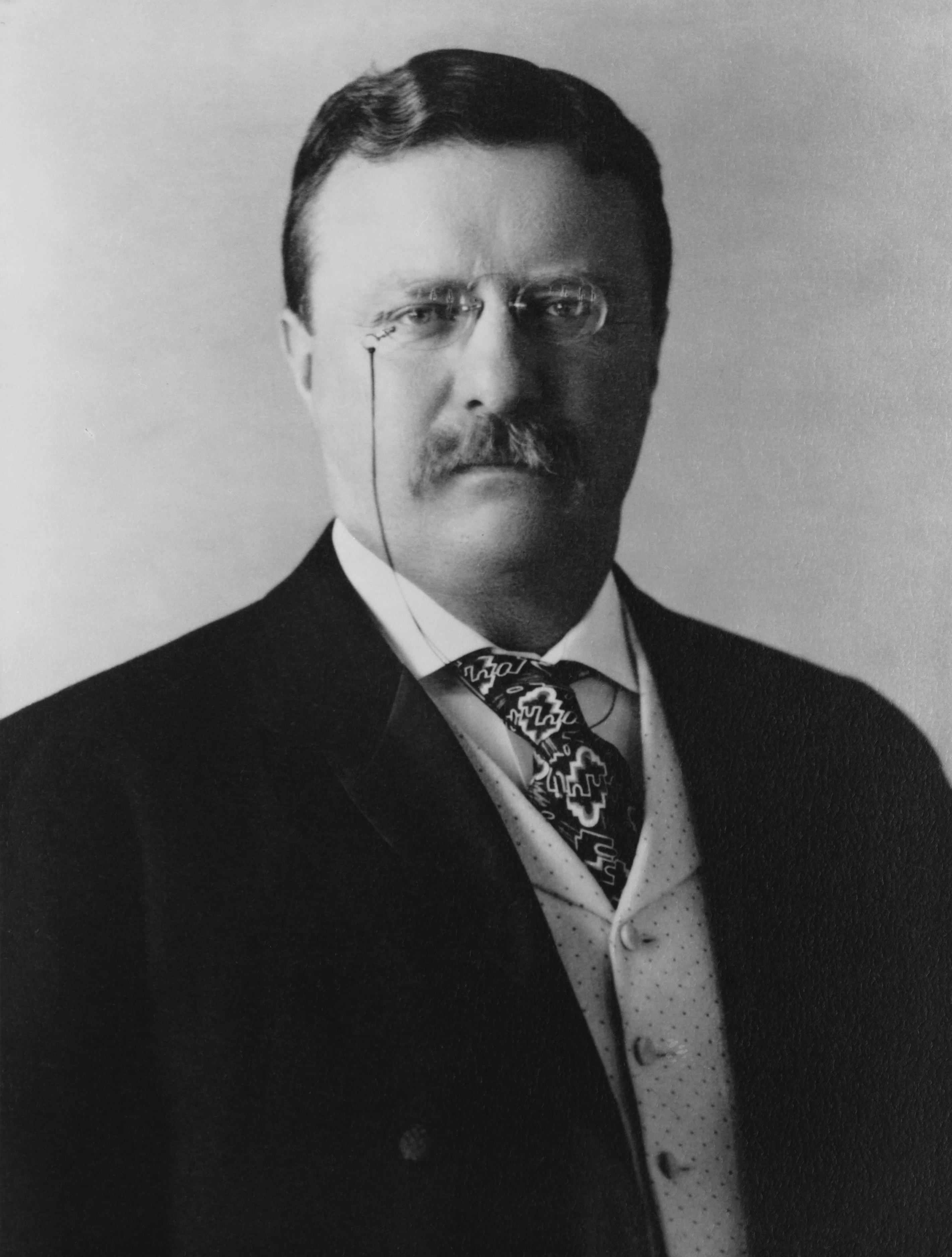
The explosion on the USS Maine started...
WWI
WWII
Spanish American War
Mexican American War
Choose all territories gained by US as a result of the Spanish American War...
Puerto Rico
Guam
Philippines
Hawaii
Choose all reasons for US imperialism...
The United States wanted to be taken seriously as a growing industrial nation
desire to compete against European empires
the need for more workers in the industrial age
the need for new markets and more natural resources
Hawaii was taken over by business men lead by...
Sandford B. Dole
Theodore Roosevelt
Grover Cleveland
the Queen of Hawaii
European nations began to search for new overseas colonies after 1880 to
find who would work in European factories for low wages
promote a free exchange of ideas between Eastern and Western cultures
bring the economic benefits of industrialization to underdeveloped nations
obtain raw materials for their industries and open new markets for their products

Countries want to use imperialism to gain colonies for all of the following reasons except
gain new resources
show their power
learn about other cultures
spreading their "superior" culture
What was the purpose of the Berlin Conference?
to prevent further takeover of Africa
to emancipate slaves
to create a way to divide up Africa
to make a peace treaty
Which two European countries controlled the most African land?
Spain & Germany
France & Great Britain
France & Belgium
This was a series of meetings called by European leaders to divide up Africa between themselves without having to go to war, or fight each other, for it.
Colonization
Berlin Conference
Pan-Africanism
Independence
Which 2 areas of Africa remained independent during this colonial period?
Madagascar
Ethiopia
Liberia
Egypt
Congo
What was the British East India company?
Ruled without British gov and had own army of sepoys
Ruled with British gov and had needed sepoys
Ruled by India and Sepoys fought against
1839 open clash between the British and the Chinese. The battles took place mostly at sea.
Opium War
extraterritorial rights
Taiping Rebellion
sphere of influence
an area in which a foreign nation controlled trade and investment in China.
Opium War
extraterritorial rights
Taiping Rebellion
sphere of influence
A movement that broke out in China in 1900, led by the Society of Righteous and Harmonious Fists in order to demonstrate their discontent with Western influence in their country.
Open Door Policy
Boxer Rebellion
Treaty of Kanagawa
Meiji era
The period of time that Mutsuhito reigned which means, “enlightened rule”. This period was marked with concentrated efforts to modernize Japan.
Open Door Policy
Boxer Rebellion
Treaty of Kanagawa
Meiji era
A 1904 war between Japan and Russia that changed the world’s balance of power.
Russo-Japanese War
Annexation
caudillo
Monroe Doctrine
Japan obtained control of this East Asian nation in 1905 following its defeat of Imperial Russia at war:
Philippines
Korea
Indonesia
Vietnam
What was one effect of the Russo-Japanese War (1904–1905)?
Japan emerged as a major world power.
Korea gained its independence.
Czar Nicholas II gained power in Russia.
Russia formed a military alliance with Japan.
Which of the following events led to Japan being opened up to foreign trade?
Admiral Matthew Perry landing in Tokyo with warships
The Boxer Rebellion
Queen Liliuokalani being overthrown
The Sepoy Mutiny

An country or territory controlled
by private business interests
rather than other governments
is which form of Imperialism?
Colony
Sphere of Influence
protectorate
Economic Imperialism


Pride in one's nation, promoting it's causes, cultures and interests is
militarism
nationalism
imperialism
alliances

The belief that a country needs a strong army is called
Imperialism
Militarism
Nationalism
Socialism
1917, 1918
Germany along with Austria-Hungary and Italy during signed an alliance agreement known as the
Triple Alliance
Allie Powers
Triple Entente
Triple Powers
The area of ground between two opposing trench forces
No Man's Land
Going Over The Top
Total War
How did the creation of alliances contribute to the start of World War 1?
The web of alliances began a chain reaction
They threatened countries in the Western Hemisphere
They allowed Japanese aggression in Korea.
They didn't include Germany or France as members
An acronym for some of the long-term causes of WW1 is M.A.I.N. What word does each letter represent?
Militarism, Armies, Imperialism, Nationalism.
Militarism, Alliances, Imperialism, Nationalism
Modernism, Alliances,
Imperialism, Nationalism.
Mistakes, Armies, Imperialists and Nationalists.

Which cause of WWI can be best described as the belief that a country/people should maintain a strong military and be prepared to use it aggressively to defend or promote national interests?
Militarism
Alliances
Imperialism
Nationalism

Which cause of WWI can be best described as a union or association formed for mutual benefit, especially among countries
Militarism
Alliances
Imperialism
Nationalism
Many European countries began taking over less powerful countries and taking the natural resources. This caused competition between the European countries as they each tried to build their empires bigger and bigger. Which WW1 cause would this fall under?
Militarism
Alliances
Imperialism
Nationalism

People felt so much pride in their country and ethnic group that they started to become overconfident, thinking their country is superior, which made them more likely to go to war.
Militarism
Alliances
Imperialism
Nationalism
This was the final A in MANIA and was the "spark" that started WWI
Alliances declared war
Russia Attacked Germany
Archduke Franz Ferdinand was Assassinated
Allied nations began distrusting each other
What was Woodrow Wilson's Fourteen Points?
parts of the "war guilt" clause
a plan for peace in the postwar world
the constitution of the League of Nations
the terms of surrender offered to Germany
Which of the following is an example of the technology used in WWI?
Chemical Weapons
Nuclear Weapons
Ship of the Line
Muskets
Which of the following is an example of the technology used in WWI?
Tanks
Nuclear Weapons
Ship of the Line
Muskets
Which of the following is an example of the technology used in WWI?
Airplanes
Nuclear Weapons
Ship of the Line
Muskets
What was one reason behind the United States entry into the war?
Germany's use of unrestricted submarine warfare
Germany's use of chemical warfare on the Allies
Austria-Hungary sending Serbia a completely unacceptable ultimatum
The US's alliance with the Central Powers
Who was forced to assume total responsibility for World War I?
Germany
United States
Russia
Austria-Hungary
This group overthrew the Russian Tzar and forced Russia to bow out of WWI
The Reds
The Whites
The Bolshevicks
The Mensheviks
This treaty officially ended Russia's involvement in WWI
The Treaty of Paris
The Treaty of Brest-Litovsk
The Molotov-Ribbentrop Pact
The Treaty of Versailles
When WWI began, the United States declared itself
involved
neutral
isolated
German u-boats sank the British ship The _________, which killed 128 Americans on board.
Lusitania
Maine
Arizona
The Creation of this organization was one of Woodrow Wilson's 14 points and was meant to be a platform to promote peace and prevent future wars
United Nations
European Union
League of Nations
NAFTA
A secret telegram from Germany to Mexico advocating for Mexican involvement in WWI if the US got involved was the:
Tooleriod Telegram
Zimmerman Telegram
Lusitania Telegram
What are war reparations in relation to the Treaty of Versailles?
Payments Germany was forced to pay
Repairs and improvements made to Germany
Money that France would donate to Germany to help rebuild
Payments that Russia would give to the Ottoman Empire

