
Font size
 Worksheets
Lower Secondary End of Term Multiple Choice Question
Total questions: 50
Worksheet time: 50mins
Distinguish between autotrophic and heterotrophic nutrition. (Select the correct options).
Autotrophs make their own food.
Autotrophs depend on other organisms for food.
Heterotrophs make their own food.
Heterotrophs depend on other organisms for food.
Which of the following are not autotrophs?
algae
mosses
ferns
fungi
Which of the following are necessary for forming healthy bones?
calcium and vitamin D
calcium and vitamin E
iron and vitamin A
iron and vitamin C
Which of the following is NOT a feature of respiratory surfaces?
Large surface area
permanently moist
good supply of blood
thick membrane
Which of the following statements about respiration is correct?
Aerobic does not use oxygen while anaerobic uses oxygen.
Aerobic occurs in the cytoplasm while anaerobic occurs in the mitochondria.
Aerobic releases large amounts of energy while anaerobic releases small amounts of energy.
Aerobic produces at least one organic product while anaerobic products are always inorganic.
Which of the following is NOT the name of a type of tooth?
canine
mole
incisor
premolar

What is the main function of the respiratory system?
to remove nitrogen waste from the body
to clean the blood
to break down food and absorb nutrients
to provide oxygen and remove carbon dioxide from the body

When you breathe, your lungs take in ____ and release _____.
air/oxygen
oxygen/carbon dioxide
carbon dioxide/waste
waste/air
What type of cells transport oxygen in the blood?
red blood cells
white blood cells
neurons
cartilage cells
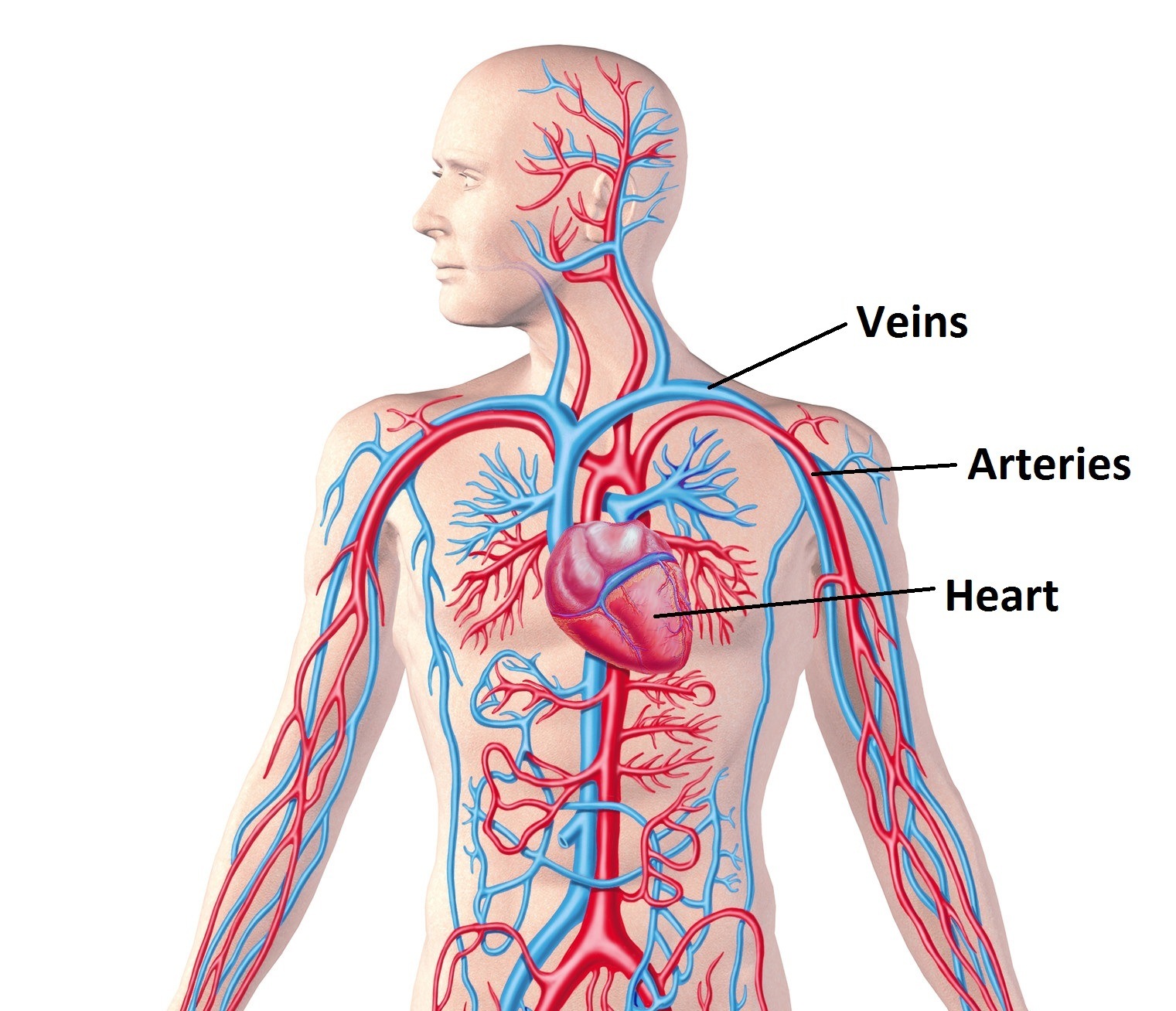
Which system allows blood to circulate throughout the body to transport oxygen and nutrients to all the cells and tissues?
Nervous
Respiratory
Circulatory
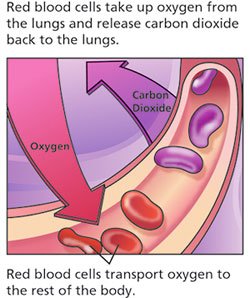
These cells, in the blood, carry oxygen and give the blood its color.
white blood cells
plasma
platelets
red blood cells
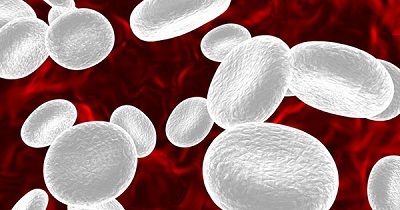
The cells in the blood that help fight germs like bacteria and viruses
red blood cells
platelets
white blood cells
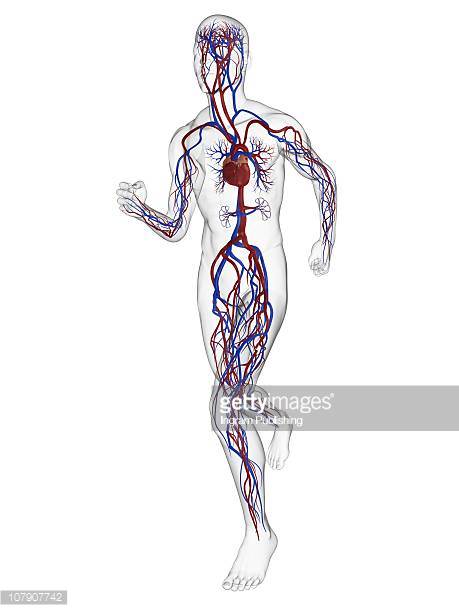
What is the main organ of the circulatory system?
small intestine
bone
lungs
heart
The job of the heart is to . . .
pump blood around the body.
send food to the small intestines.
break down food.
give energy to the body.
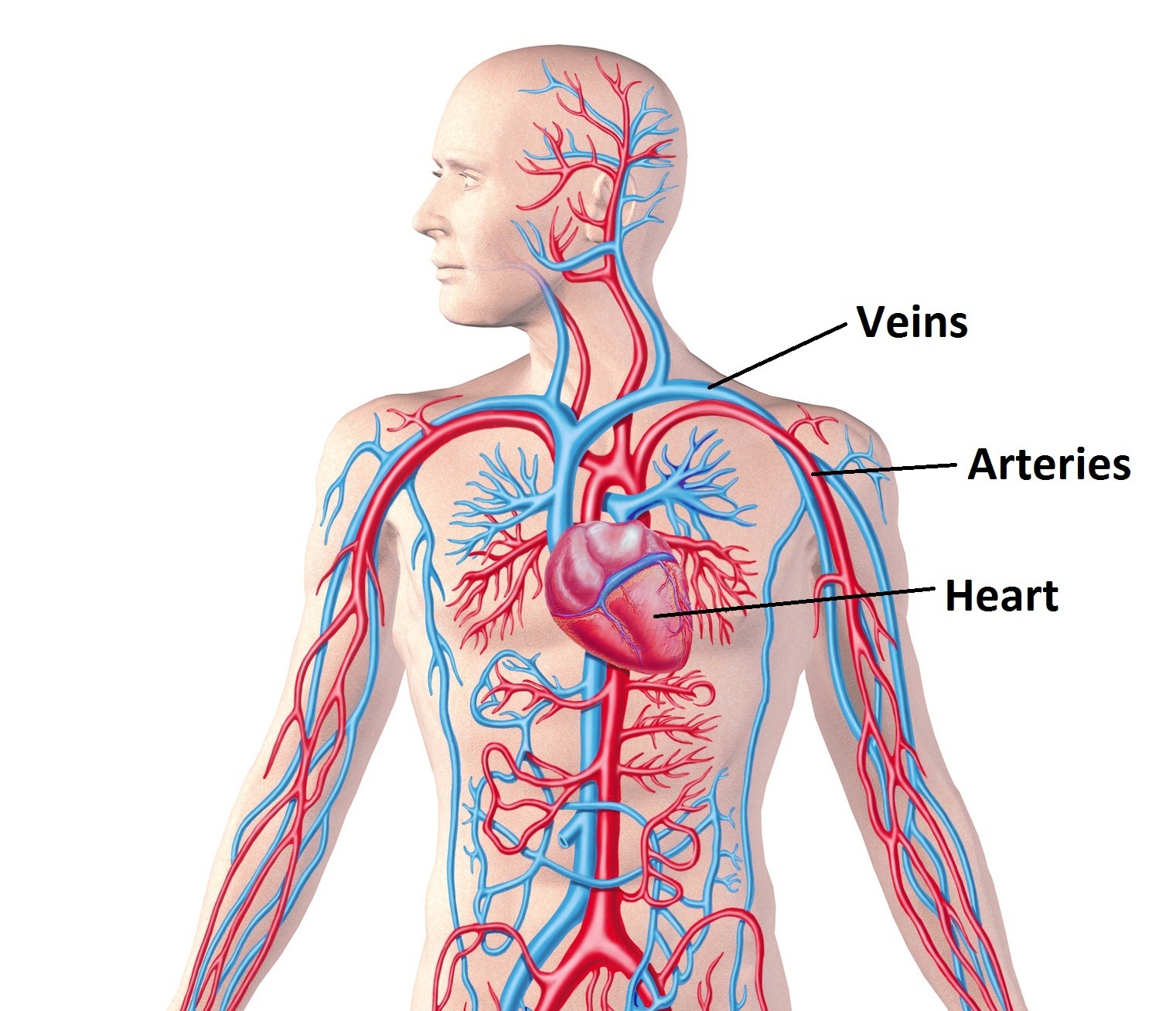
What is the circulatory system made up of?
Lungs, blood, blood vessels
Liver, kidneys, and stomach
Heart, Blood Vessels, and Blood
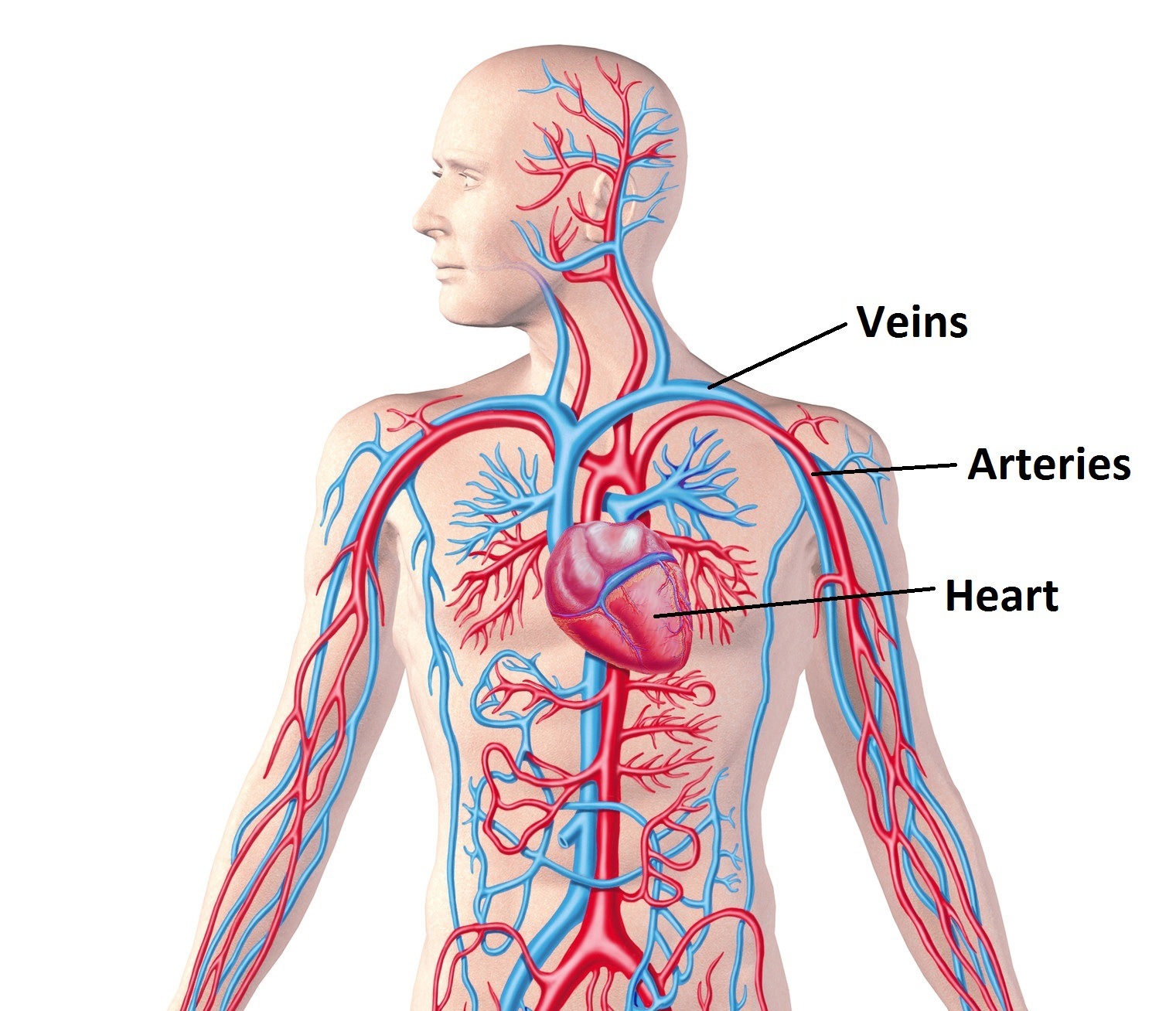
Which of the following is NOT transported throughout the body by the blood?
undigested food
Nutrients
Gases (oxygen and carbon dioxide)
hormones like adrenaline
These blood vessels take oxygenated blood to the body cells.
heart
artery
vein
capillary

What bone is highlighted?
Skull (Cranium)
Mandible
Clavicle
Scapula

What bone is highlighted?
Skull (Mandible)
Clavicle
Mandible
Scapula
What connects bones together?
ligaments
brains
trachea
heart
What are two examples of joints?
noose, lock
key, door
ball and socket, hinge
hinge, crow
Part of the cell where energy is made?
Rough ER
Mitochondria
Cytoplasm
Chloroplast
What is the MAIN role of Chloroplast?
To Facilitate Photosynthesis
To make leaves green
To Produce Oxygen

Which cell is this?
Animal Cell
Eukaryotic Cell
Prokaryotic Cell
Plant Cell
The strong muscular wall separating the left side of the heart from the right side is called the __________
Septum
Vena Cava
Aorta
Pancreas
What type of neuron carries signals from your brain to your muscles?
Motor neurons
Brain neurons
Sensory neurons
Blood neurons
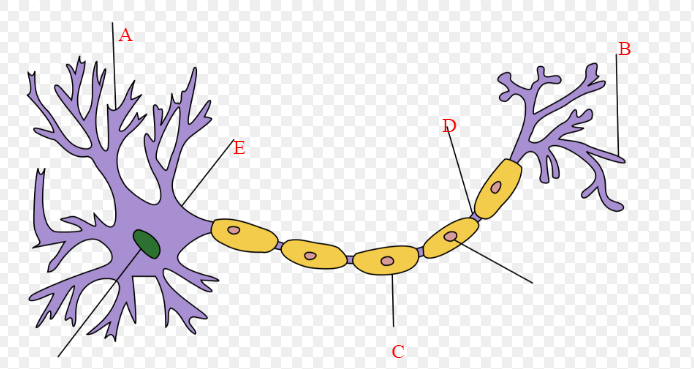
Which part sends nerve impulse to the next cell?
Dendrite
Axon
Synapse
Cell Body

These type of cells are responsible for transmitting electrical signals from nervous system to various parts of the body.
Neuron
Blood cell
Villi
Somatic

What causes the horse to drink water? Identify the stimulus
They are thirsty
the water
blinking
the horse
To stay alive, all organ systems need to work ___________.
alone
independently
hard
together
Organs are made from ___________.
tissues
bones
organisms
skin

This part of the brain coordinates movement and balance.
Cerebrum
Cerebellum
Amygdala
Hippocampus
Prefrtonal Cortex


Meiosis is the process wherein a somatic cell produces gametes.
True
False

P= purple
p= white


In the punnett square, what is the probability for white fur?


In the punnett square below, what belongs in the missing square
Homeostasis is defined as the maintenance of a constant
blood pressure
external environment
internal environment
water content
Which of the following organs are associated with the control of glucose level in the blood?
Skin, liver, pancreas
Liver, pancreas, kidney
Skin, kidney
Liver, pancreas
What role does shivering play in temperature control?
Decreases rate of heat conduction
Increases rate of heat conduction
Generates heat by muscle contractions
Uses energy for muscle contraction
A change in the structure of a single gene is called a___________.
Chromosome
Characteristic
Mutation
Phenotype
How many identical cells are produced in mitosis?
4
3
6
2

