

wayground logo

Free Printable Worksheets

NEW

Font size

S
M
L
XL
Worksheets

solubility

Total questions: 70

Worksheet time: 2hrs 35mins
Name
Class
Date
1.
Solubility is defined as
a)
the ability to catch on fire
b)
the ability to be dissolved
c)
the ability to fly.
d)
the ability to get on Mrs. D's nerves.
2.
The substance being dissolved in a solution.
a)
sands
b)
solute
c)
solvent
d)
alloy
3.
The substance in which a solute is dissolved
a)
sands
b)
solvent
c)
alloy
d)
negative particles
4.
Solutions are composed of __________ .
a)
salts and solutes
b)
solvents and salts
c)
solutes and alloys
d)
solutes and solvents
5.
In a sample of salt water, NaCl would be considered the ______.
a)
Solution
b)
Solute
c)
Solvent
d)
Solvation
6.
If we are making Kool-aid with sugar, Kool-aid powder, and water, which part is the solvent?
a)
water
b)
powder
c)
sugar
d)
powder and sugar
7.
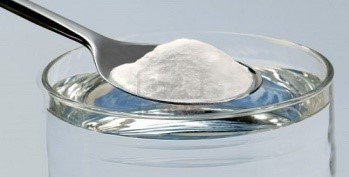
In this mixture, which of the following will be the solute?
a)
The water in the glass
b)
The glass that holds the final mixture
c)
The solution containing both powder and water
d)
The powder on the spoon
8.
Lemonade - Water, lemon juice, and sugar
Identify the solute
a)
water
b)
lemon juice
c)
sugar and lemon juice 
9.
What is a solvent?
a)
The substance that does the dissolving in a solution.
b)
The substance that is being dissolved in a solution.
c)
The mixing of different substances.
d)
The process in which neutral molecules lose or gain electrons
10.

Water is the universal ____.

a)

solute

b)

solvent

c)

solution

11.

solute + solvent =

a)

solution

b)

equation

12.
a)

solvent

b)

solute

13.
a)

solute

b)

solvent

14.
a)

solvent

b)

solute

15.

Solutes dissolve quicker in _________ water.

a)

cold

b)

warm

16.

Solutes dissolve quicker if you stir them.

a)

true

b)

false

17.
a)

solute

b)

solvent

c)

solution

18.

If I dissolve carbon dioxide in water, what is the solvent?

a)

Carbon Dioxide

b)

There is no solvent

c)

Oxygen

d)

Water

19.

When no more solute dissolves the solution is _________

a)

supersaturated

b)

unsaturated

c)

saturated

d)

supercalifragilisticexpialidocious

20.

Gases are more soluble at ______temps and _____pressures

a)

high, low

b)

low , high

c)

high, high

d)

low, low

21.

How could you change a saturated solution to an unsaturated solution?

a)

Add solvent

b)

Add solute

22.

You can make a solute dissolve more quickly in a solvent by

a)

adding more solute.

b)

adding ice.

c)

heating the solvent.

d)

removing some solvent.

23.

Stirring the solution...

a)

decrease the rate of solubility

b)

Doesn't change the rate of solubility

c)

increase the rate of solubility

d)

None of the above

24.
The amount of solute actually dissolved in a given amount of solvent.
a)
dilution
b)
concentration
c)
saturated solution
d)
supersaturated mixture
25.
When a solvent contains as much of the solute as it can hold, the solution is said to be
a)
supersaturated
b)
diluted
c)
saturated
d)
unsaturated
26.
How does a solution become supersaturated?
a)
dissolve lots of solute in it.
b)
dissolve a little solute in it. 
c)
dissolve more solute than you should be able to. 
d)
dissolve a super amount of solvent in it. 
27.
Which is an example of a solute?
a)
Egg whites
b)
Sugar
c)
Water
d)
Acetone
28.
Which is an example of a solvent?
a)
Salt
b)
Egg whites
c)
Water
d)
Sugar
29.
What is a solvent
a)
the liquid in which a solute is dissolved to form a solution.
b)
Another word for solution
c)
A thing that make drinks turn colors
d)
Its a metal molecole
30.
What does it mean to dilute a solution?
a)
lower the concentration of solute per solvent
b)
increase the concentration of solute per solvent
31.
__________ are made up of solutes and solvents.
a)
Solutions
b)
Suspension
c)
Colloid
32.
You can make a solution more concentrated by adding __________.
a)
solute
b)
solvent
c)
water
33.
Solution where more solute can still be dissolved at the given temperature. 
a)
Saturated
b)
Unsaturated
c)
Supersaturated
d)
Homogeneous solution
34.
How does a solution become supersaturated?
a)
dissolve lots of solute in it.
b)
dissolve a little solute in it. 
c)
dissolve more solute than you should be able to. 
d)
dissolve a super amount of solvent in it. 
35.
The maximum amount of a solute that can be dissolved in a given amount of solvent at a given temperature.
a)
solubility
b)
concentrated
c)
diluted
d)
surface area
36.
mixture of two or more substances; dissolved particles are spread evenly throughout the mixture
a)
solvent
b)
solute
c)
mixture
d)
solution
37.

Which solution is more concentrated?

a)

10g salt in 100ml water

b)

20g salt in 100ml water

c)

30g salt in 100ml water

d)

40g salt in 100ml water

38.
When a solution is very concentrated, it has a high amount of _________ to _________.
a)
solute to solvent
b)
solvent to solute
c)
solvent to solution
d)
solution to solute
39.

Define the term insoluble.

a)

Can dissolve in water.

b)

Cannot dissolve in water.

c)

Partially dissolves in water.

40.

Define the term soluble.

a)

Can dissolve in water

b)

Cannot dissolve in water

c)

Partially dissolves in water

41.

If I dissolve salt in water, what is the solvent?

a)

salt

b)

water

c)

salt & water

d)

none of the above

42.

Which solution is more diluted?

Solution 1:

1000 mL of water

60g of salt


Solution 2:

500 mL of water

60 g of salt

a)

Not enough information to tell

b)

Solution 1

c)

Solution 2

d)

They are equally diluted

43.

In order to dilute a solution, you need to

a)

add more of the solid

b)

add more water

c)

find the mass

d)

find the volume

44.

Which solution is more concentrated?


Solution 1:

20 mL of water

5 g of salt


Solution 2:

20 mL of water

10 g of salt

a)

Not enough information to tell

b)

Solution 1

c)

Solution 2

d)

They are equally concentrated

45.

Which solution is more concentrated?

Solution 1:

500 mL of water

100 g of salt


Solution 2:

500 mL of water

90 g of salt

a)

Solution 1

b)

Solution 2

c)

They have the same concentration

d)

I have no idea

46.

Concentration is

a)

the amount of solute in the solvent

b)

the amount of solvent in the solute

c)

density

d)

particle size

47.

How do you calculate the concentration of a solution?

a)

Mass of the solute divided by volume of the solute

b)

Mass of the solvent divided by volume of the solvent

c)

Mass of the solute divided by the volume of the solvent

d)

Mass of the solute divided by the volume of the solvent multiplied by one hundred.

48.
What will allow more solute to be dissolved in a solvent.
a)
adding more solute
b)
stiring
c)
cooling solution
d)
heat
49.

Lowering the temperature of a liquid can increase its solubilty

a)

True

b)

False

50.
This solution would be considered
a)
Unsaturated
b)
Supersaturated
c)
Saturated
d)
Undefined
51.

If solvent is added to a solution, the concentration of the solution will...

a)

increase

b)

decrease

52.

The solubility of NaCl at 25°C is about 37 grams per 100 grams of water. How many grams of NaCl could be dissolved in 200 grams of water at 25°C?

a)

about 19 grams

b)

about 37 grams

c)

about 56 grams

d)

about 74 grams

53.

The one variable in an experiment that is purposely changed and tested by the scientist is the________________.

a)

dependent variable

b)

independent variable

c)

data

d)

control group

54.

In a line graph you will find the independent variable on .... axis and the dependent variable on .... axis

a)

x , y

b)

y, x

c)

they can be switched

55.

The one variable in an experiment that is purposely changed and tested by the scientist is the________________.

a)

dependent variable

b)

independent variable

c)

data

d)

control group

56.
What is the independent variable?
a)
cost of mowing
b)
Moe's Mowing Service
c)
$18
d)
Mowing Time
57.

In a line graph you will find the independent variable on .... axis and the dependent variable on .... axis

a)

x , y

b)

y, x

c)

they can be switched

58.

How many independent variables should you have in an experiment?

a)

two

b)

as many as possible

c)

four

d)

one

59.
What is the dependent variable?
a)
Grade
b)
Number of Students
60.
A solution that has more solute than it can hold is called
a)
saturated
b)
supersaturated
c)
unsaturated 
d)
suspension
61.
Contains the maximum amount of dissolved solute
a)
unsaturated solution
b)
supersaturated solution
c)
saturated solution
62.
Which technique could increase or speed up the rate of dissolving?
a)
Allowing the mixture to settle
b)
Stirring the mixture
c)
Adding more powder
d)
Adding more water
63.
What does it mean to dilute a solution?
a)
lower the concentration of solute per solvent
b)
increase the concentration of solute per solvent
64.

A student is preparing solutions for a laboratory experiment by dissolving solid solutes in liquid solvents. Which action will increase the rate of solubility

a)

lowering the temperature of the solvent

b)

stirring the solute in the solution

c)

increasing the pressure on the solution

d)

increasing the particle size of the solute

65.

What is the percent by mass of a sugar solution where 10 grams of sugar is added to 100 grams of water?

a)

.10%

b)

0.091%

c)

9.1%

66.

Which solute is LEAST soluble at 0 ºC?

a)

A

b)

B

c)

C

d)

D

67.

Increasing the temperature will increase the kinetic energy of particles, therefore increasing the collisions between particles.

a)

false

b)

true

68.

Which of the following should be done to make the solute dissolve faster in the solvent?

a)

stir the solute

b)

freeze the solute

c)

decrease the temperature of the solvent

d)

increase the particle size of the solute

69.

To make a solute dissolve more quickly in a solvent which would you do?

a)

Put it in cold water and stir it

b)

Put it in warm water and stir it

70.

Which of the following actions will NOT increase the rate of dissolution (dissolving)?

a)

Stirring the solution

b)

Decreasing the temperature

c)

Increasing the surface area of the

solute

d)

Increasing the temperature
