
 Worksheets
Marketing Environment & Marketing Mix
Total questions: 70
Worksheet time: 34mins

Within the product classification criteria (lifespan and tangibility) this is:
Durable goods
Perishable goods
Service
Business to Business

Within the product classification criteria (lifespan and tangibility) this is:
Perishable goods
Services
Business to Business to Consumer
Durable goods
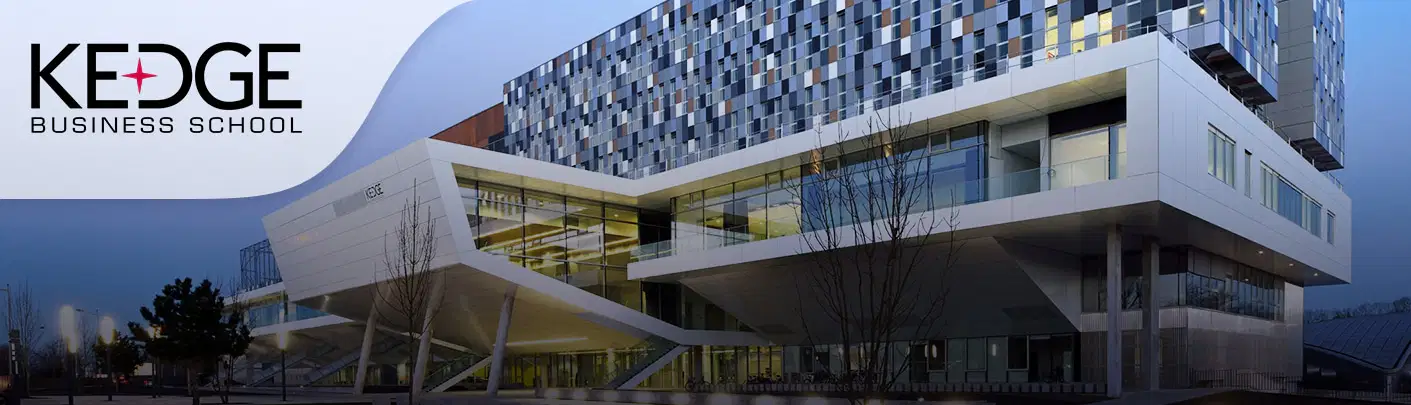
Within the product classification criteria (lifespan and tangibility) this is:
Perishable goods
Durable goods
Services
Business to Consumer
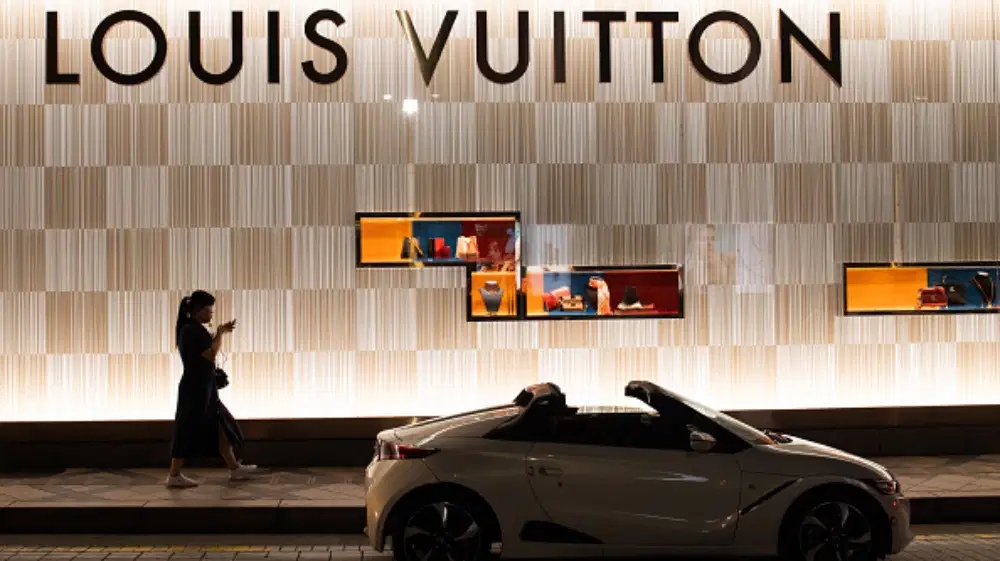
* Within the product classification criteria (Target) this is:
B2C Fast-Moving consumer products
B2B Capital Goods
B2C Specialty products
B2B Suplies and services
*Characteristics of a service:
Intangibility, indivisibility, variability, perishability
Core benefits, basic one, expected, augmented, potential
Perishable goods,
Durable goods,
Services
B2C (Business to Consumer),
B2B (Business to Business),
B2B2C (Business to Business to Consumer)
This differentiation strategy is based on the shape, size or appearance of the product. Format can help distinguish the product from its competitors and create a competitive advantage.
DIFFERENTIATION BY FEATURES
DIFFERENTIATION BY THE PRODUCT’S FORMAT
DIFFERENTIATION BY PERFORMANCE
DIFFERENTIATION BY DURABILITY
This is the lifespan of a product under normal conditions of use. The lifespan of products varies depending on the nature of the products, their quality, their design and even how they are used.
DIFFERENTIATION BY FEATURES
DIFFERENTIATION BY THE PRODUCT’S FORMAT
DIFFERENTIATION BY PERFORMANCE
DIFFERENTIATION BY DURABILITY
This involves making it easy for the consumer to place an order
DIFFERENTIATION BY EASE OF ORDERING
DIFFERENTIATION BY DELIVERY
DIFFERENTIATION BY INSTALLATION
DIFFERENTIATION BY CUSTOMER TRAINING
This concerns all the operations required that allow the product to be used.
DIFFERENTIATION BY EASE OF ORDERING
DIFFERENTIATION BY DELIVERY
DIFFERENTIATION BY INSTALLATION
DIFFERENTIATION BY CUSTOMER TRAINING
* This is the experience that will be offered to the consumer in- store or during the consumption or use of the product.
DIFFERENTIATION BY RESPECT FOR ENVIRONMENTAL POLICY
DIFFERENTIATION BY DESIGN
DIFFERENTIATION BY EXPERIENCE
*Associates the new product with precise expectations linked to knowledge of the existing brand
Advantage of reusing a new brand
Advantage of reusing an existing brand
Advantage of combining an existing brand with a new one
Disadvantage of reusing a new brand
In psychological pricing is important: This could be due to...
The preception of the quality
Competitors strategies
Branding
Environment policy
*Reference price consider
Quality of the products
Branding
Competitors prices
Brand Awareness
...refers to all the independent organisations (e.g. wholesalers, distributors) that intervene in the process by which the products or services are made available to consumers and users.
DISTRIBUTION CIRCUITS
INTERMEDIARIES
DISTRIBUTION CHANNELS
*it is based on the simultaneous and complementary use of several distribution channels, making it possible to reach different targets and customers located at different stages of the purchasing process
OMNICHANNEL DISTRIBUTION
MULTI-CHANNEL DISTRIBUTION
HORIZONTAL DISTRIBUTION SYSTEMS
DIRECT CIRCUITS
...is an overall plan that assesses the respective roles of the various communication tools and combines them to achieve consistency and efficiency. In other words it's the best communication channels for the message.
SPONSORSHIP OF EVENTS AND EXPERIENCES
INTEGRATED COMMUNICATION MIX
ADVERTISING
DIRECT MARKETING
Place
An element of the marketing mix related to how to get the product from the producer to the customer
The location of the business
The positioning of a particular business within a geographical area
The development of online sales
An electronic retailer, either by e-commerce or mobile commerce
A retailer
An e-tailer
A high-street retailer
An m-commerce retailer
ASOS is an example of
Trade Unions
Retailers
E-tailers
Wholesalers
A discount supermarket, such as Aldi, is most likely to place an emphasis upon which of the following elements of the marketing mix?
Product
Price
Place
Promotion
The manufacturer of an upmarket designer fragrance is most likely to focus on:
The product rather than the price
Price rather than the product
The product rather than promotion
Promotion rather than the product
Which of the following is a force that does NOT affect the Microenvironment?
The company
The Suppliers and Intermediaries
Customers
The Economic Environment
The actors close to the company that affect its ability to serve the customers are part of the ____________________
Microenvironment
Macroenvironment
Larger societal forces such as demographic, economic, natural, political, and others that affect marketing management's decisions are part of the
Microenvironment
Macroenvironment
Choose the concept for the following definition:
The internal environment is conformed by departments or areas such as finance, human resources, accounting, purchasing, and the top management, which share the responsibility for understanding customer needs and creating customer value.
The Company
The Suppliers
The Customers
The Competitors
Firms that provide the resources needed by the company to produce goods or offer services are
Company
Suppliers
Competitors
Customers
Firms that help the company to promote, sell, and distribute the products to the final customers or buyers.
Competitors
Intermediaries
Publics
Suppliers
Firms that share similar or the same activity as our main activity in the company are
intermediaries
Suppliers
Competitors
Customers
Individuals and households who buy goods or services for personal consumption are
the customers
the suppliers
the intermediaries
Any group that has an interest or impact in the organization's ability to achieve the objectives are
Suppliers
Intermediaries
Competitors
Publics
Financial publics are:
Banks and Stockholders
Householders
Customers
Agents
Media publics do NOT include:
Radio and Television
Newspapers and Magazines
Social media
Government
The Publics does NOT include:
Financial
Government
Local
Company
The ______________________ consists of the actors and forces outside marketing
that affect marketing management’s ability to develop and maintain successful
relationships with its target customers.
Marketing organization
Marketing system
Marketing network
Marketing environment
___ refers to natural resources that are needed as inputs by marketers or that are affected by marketing activities.
Economic environment
Technological environment
Natural environment
Cultural environment
Which of the following is a force that does NOT affect the Microenvironment?
The suppliers
The intermediaries
Customers
Economic stability
The changing age structure population.
Natural Environment
Economic Environment
Demographic Environment
Political Environment
Laws, government agencies, and pressure groups that influence and limit various organizations and individuals in a given society.
Publics
Political environment
Financial environment
Cultural environment
This is an example of a Marketing Intermediary that helps the company stock to move goods from one place to another.
Reseller
Physical distribution firms
Marketing services agencies
Financial intermediaries
Any group that has an actual or potential interest in or impact on an organization’s ability to achieve its objectives.
Publics
Suppliers
Competitors
Customers
Who are the main component of a business who contributes significantly to its success?
Suppliers
Employees
Employers
Shareholders
Keeping a close watch on ____________ enables a company to design its marketing strategy according to the trend prevailing in the market.
Suppliers
Employees
Competitors
Shareholders
What Micro Environment refers to social Responsibilities towards the society ?
Publics
Private
Employers
Empoyees
It includes all those factors that are closely associated with the operations of the business and influences its functioning
MicroEnviroment
Macroenvironement
Marketing
Shareholders
6. Factors which are common to business as a whole are called
the micro-environment.
the macro-environment.
The micro environment is concerned with factors common to society as a whole.
True
False
Which of the following is not a tangible dominant?
Detergents
Automobiles
Investment Management
Soft drinks
Select name of the country having maximum percent of GDP attributed to services
United States
China
Germany
India
Which of the following is not an element of physical evidence?
Employee dress
Employee training
Equipment
Facility design
Which of the following is not an element of People
Motivation
Teamwork
Flow of activities
Customer training
Standardized and customized flow of activities, simple and complex number of steps and customer involvement by which a service is delivered is called
Place
Physical evidence
Process
People
.......... is the environment in which service is delivered and where the firm and customer interact and any tangible components that facilitate performance of communication of the service.
Physical evidence
Process
Place
People
"All human actors who play a part in service delivery and thus influence the buyer's perceptions: namely, the firm's personnel, the customer and other customers in the service environment."
Process
Physical Evidence
People
Place
..... is the difference between customer expectations and customer perceptions.
Customer delight
Customer satisfaction
Customer gap
Supplier gap
Which of the following is difficult to evaluate?
Jewellery
Auto repair
Furniture
Clothing
Which of the following is not a type of service encounters?
Remote encounters
Phone encounters
Face to face encounters
Check in encounters
.......is a tool for simultaneously depicting the service process, the points of customer contact and the evidence of service from the customer's point of view.
Front end planning
Service blueprinting
Service standardization
None of the above
.....is the physical surroundings or the physical facility where the service is produced, delivered and consumed.
Servicespace
Servicescape
Serviceplace
Servicescope
'.......is the culture where an appreciation for good service exists and where giving good service to internal as well as ultimate, external customers is considered a natural way of life and one of the most important norms by everyone."
Service culture
Corporate culture
Service Triangle
Service Quality Dimensions
SSTs stands for
Stable Service Technologies
Social Service Technologies
Smart Service Technologies
Self Service Technologies

