
Font size
 Worksheets
Biology Test 1
Total questions: 41
Worksheet time: 30mins
Which three of the following best describe what would happen if mitosis did not take place?
Organisms would be single-celled.
Chromosomes would not duplicate.
Asexual reproduction would not occur.
Body tissues would not repair themselves.
The production of gametes would not occur.
An early sign that a eukaryotic cell has begun cell reproduction is when
it chemically bonds with a coenzyme.
the cell engulfs new material, absorbing it.
DNA replication occurs in the nucleus.
the plasma membrane thins considerably.
Which of the following is correctly correctly paired?
G1 - DNA replicates
G2 - cell grows
S - DNA replicates
G1 - cell grows
G2 - prepares for mitosis
What phase does G1, S, and G2 belong?
Interphase
prophase
cytokinesis
metaphase
anaphase
Which of the following is the longest phase of the cell cycle?
Interphase
prophase
cytokinesis
metaphase
anaphase
Cell division consists of...
Interphase
prophase
cytokinesis
mitosis
anaphase
Which of the following is NOT part of mitosis?
Prophase
Metaphase
Anaphase
Telophase
Cytokinesis
Which of the following is NOT a characteristic of living things?
Being able to rationalize
Can move over time
Able to see color
Ability to grow and develop
Energy production/use
Why are viruses considered nonliving?
Viruses evolve.
Viruses contain a genetic code.
Viruses lack machinery for reproduction.
Viruses contain structures made of proteins.
Viruses cannot make their own chemical products.
What is the correct order for the levels of organization in living systems from the simplest to the most complex? (Note that not all levels of organization are included.)
Elements → molecules → cells → tissues → organs
Molecules → tissues → cells → organs → organisms
Molecules → elements → tissues → organs → organisms
Cells → organs → tissues → organisms → molecules
Which of the following is not a difference between prokaryotes and eukaryotes?
Prokaryotes have cell walls while eukaryotes have plasma membranes.
Eukaryotes are larger than prokaryotes.
Prokaryotes do not have organelles.
Most eukaryotes are multicellular while prokaryotes are unicellular.
Which of the following are characteristics of prokaryotic cells?
a bacterial cell
no nucleus
animal cell
has membrane-bound organelles
Which of the following are characteristics of eukaryotic cells?
a bacterial cell
no nucleus
animal cell
has membrane-bound organelles
What organelles that are now found in eukaryotic cells are thought to have originated from prokaryotic cells?
nucleus and centrioles
ribosomes and nucleus
mitochondria and ribosomes
chloroplast and mitochondria
Why would more mitochondria be found in muscle cells than skin cells?
Muscle cells make more protein than skin cells.
Muscle cells require more energy than skin cells.
Muscle cells break down more waste than skin cells.
If a cell has 30 chromosomes in the mother cell, how many chromosomes will be in the daughter cells after mitosis?
15
30
45
60
The cells of multicellular organisms are
smaller than those of unicellular organisms.
simpler than those of unicellular organisms.
specialized to perform particular functions.
not dependent on one another.
The process by which a cell DIVIDES into two daughter cells is called
Cytokinesis
metaphase
interphase
prophase
Look at the following descriptions. Which cell best describes the type of cell that makes up a bacteria?
Cell A - I am smaller than other types of cells and have no nucleus or organelles. I am also called a prokaryote.
Cell B - I am a eukaryotic cell with a large vacuole, a cell wall made of cellulose and have many chloroplasts.
Cell C - I am a eukaryotic cell with no cell wall. I cannot assemble my own nutrients so I require transport of nutrients and wastes into and out of my cell.
cell A
cell B
cell C
How is cell division different between plant and animal cells?
Plant cells form a cleavage furrow while animal cells form a cell plate.
Division is exactly the same.
Plant cells do not divide.
Animal cells form a cleavage furrow while plant cells form a cell plate.
What is the end result of the cell cycle?
2 identical cells
one identical cell
2 different cells
one cell that is unchanged
What structure is used to separate chromosomes during cell division?
golgi apparatus
lysosomes
cytoplasm
centrioles
The specialized structures of different types of cells are related to the cell’s _________.
energy
equilibrium
function
homeostasis
As an adult, organisms stop growing, why is mitosis/ cell division still needed?
regeneration
replacement of dead cells
replacement of worn out cells
all of these
What two features do viruses have in common with animal cells?
Ability to form proteins at the ribosomes
Existence of lipids in cell membrane
Presence of a genetic code in nucleic acid
Production of energy by a mitochondrion
Ability to replicate (reproduce)
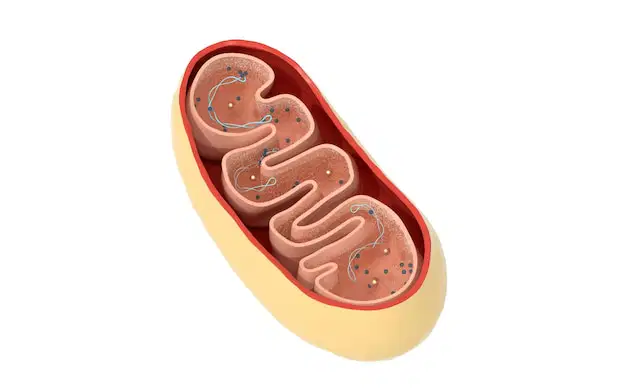
performs cellular respiration
mitochondria
chloroplast
nucleus
ribosomes
Golgi apparatus
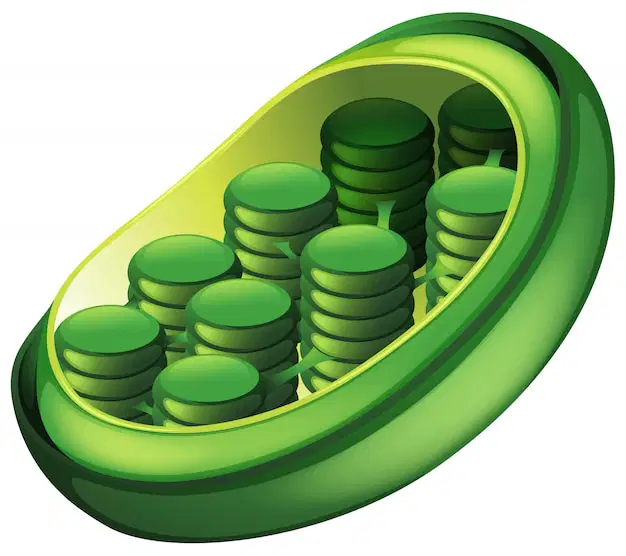
performs performs photosynthesis
mitochondria
chloroplast
nucleus
ribosomes
Golgi apparatus
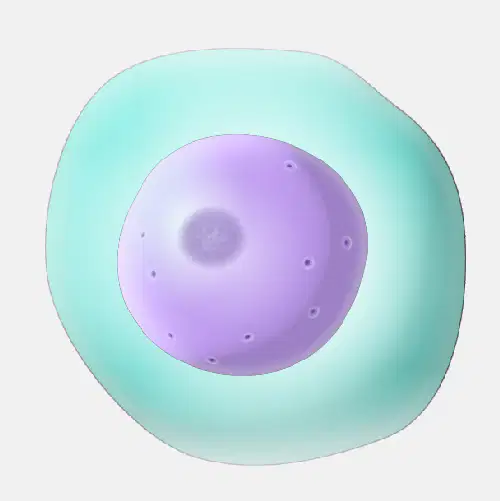
The dark center inside the nucleus that is responsible for producing ribosomes.
mitochondria
chloroplast
rough endoplasmic reticulum
nucleolus
Golgi apparatus
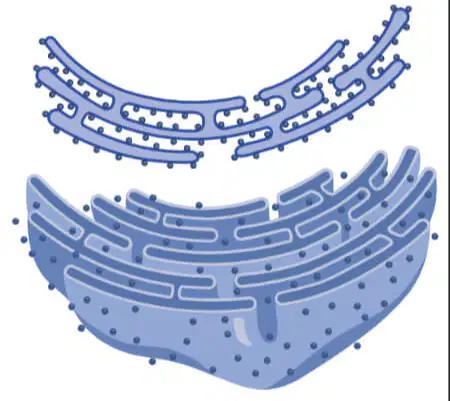
modifies proteins
mitochondria
chloroplast
rough endoplasmic reticulum
nucleolus
Golgi apparatus
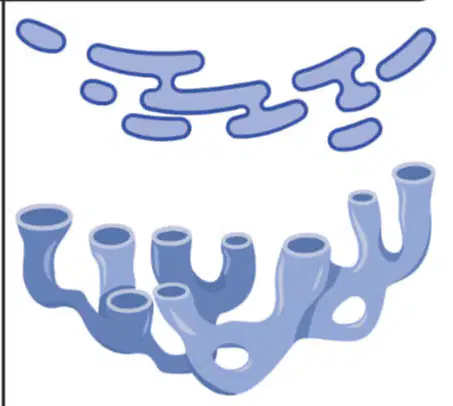
produces lipids and carbohydrates
smooth endoplasmic reticulum
chloroplast
rough endoplasmic reticulum
nucleolus
Golgi apparatus
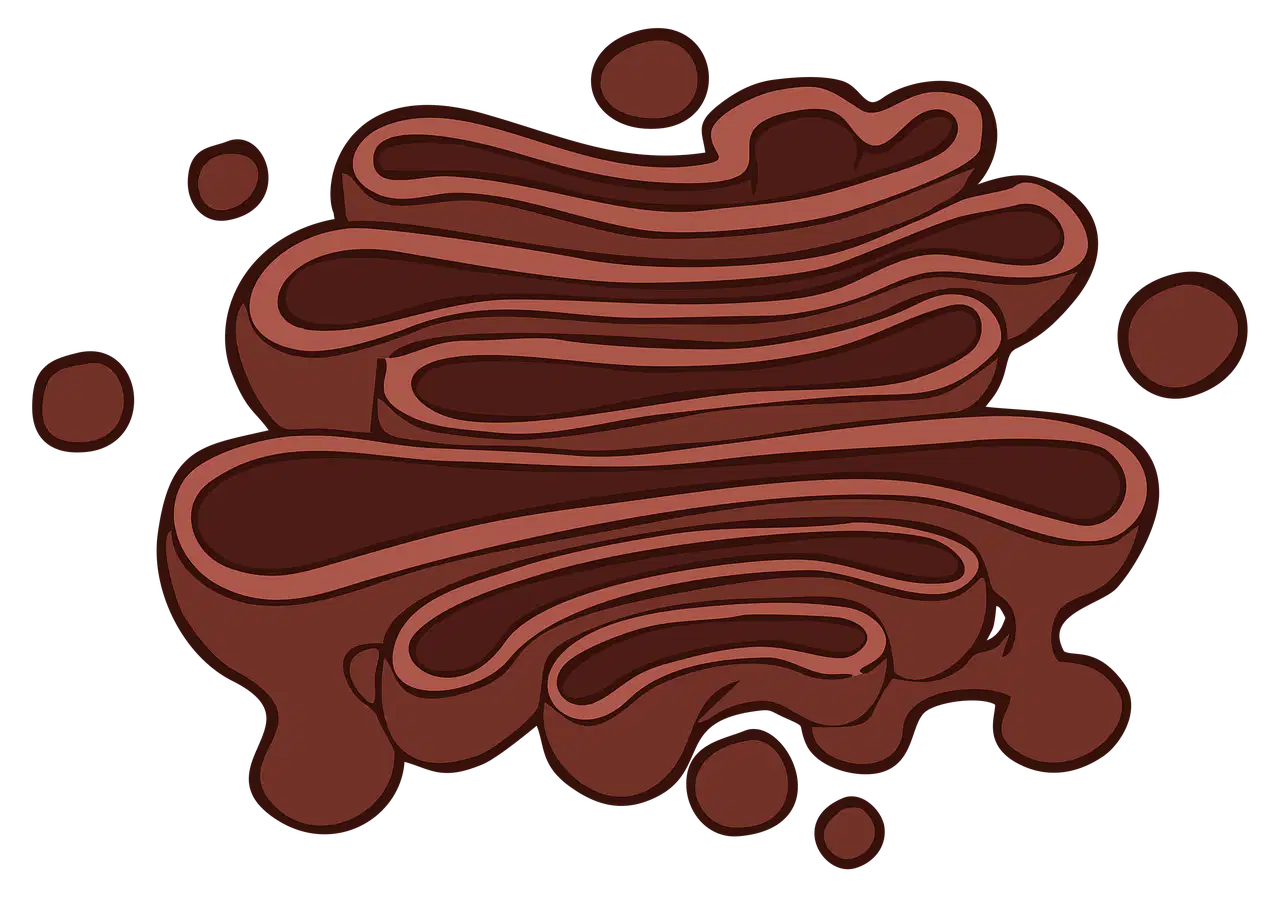
modifies, packages, stores, and ships molecules produced by the cell
smooth endoplasmic reticulum
chloroplast
rough endoplasmic reticulum
nucleolus
Golgi apparatus
the packages (bubbles)
lysosomes
vesicles
rough endoplasmic reticulum
vacuole
Golgi apparatus
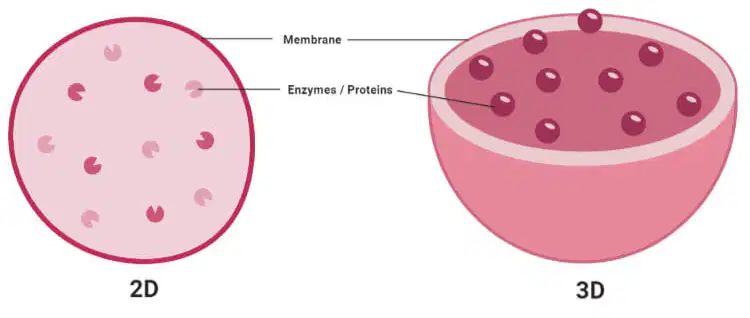
contains enzymes to clean up cell
lysosomes
vesicles
rough endoplasmic reticulum
vacuole
Golgi apparatus

used during cell division to separate chromosomes
centromere
cell wall
centrioles
vacuole
cytoplasm

overall structure that contains genetic information
centromere
cell wall
centrioles
chromosome
cytoplasm
the structure that holds the 2 strands of DNA together (#2 in the picture)
centromere
cell wall
centrioles
chromosome
cytoplasm
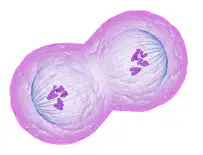
phase of cell division
prophase
metaphase
anaphase
telophase
cytokinesis
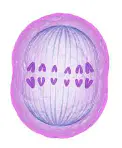
phase of cell division
prophase
metaphase
anaphase
telophase
cytokinesis
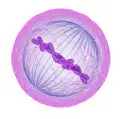
phase of cell division
prophase
metaphase
anaphase
telophase
cytokinesis
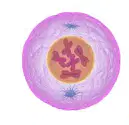
phase of cell division
prophase
metaphase
anaphase
telophase
cytokinesis
small structures that are free floating or attached to the rough endoplasmic reticulum that produce proteins
centromere
cell wall
centrioles
ribosomes
cytoplasm

