
 Worksheets
WEEK 3 PTA155 Balance Ther ex
Total questions: 46
Worksheet time: 38mins
DYNAMIC PROCESS by which the body's position is maintained in equilibrium
Balance
Center of Mass
Center of Gravity
Base of Support
Limits of Stability
Point that corresponds to the center of the total body mass
Balance
Center of Mass
Center of Gravity
Base of Support
Limits of Stability
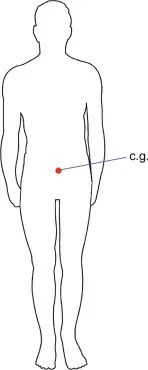
Vertical projection of the COM to the ground (usually slightly anterior to S2)
Balance
Center of Mass
Center of Gravity
Base of Support
Limits of Stability
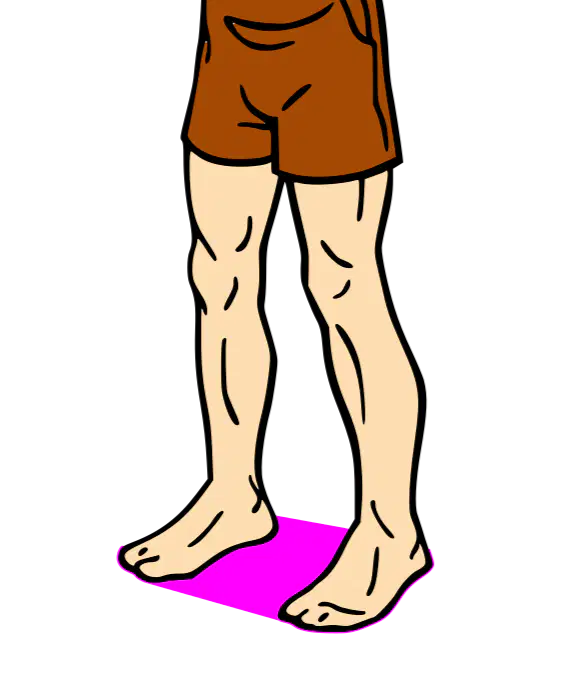
Perimeter of the contact area between the body and its support surface
Balance
Center of Mass
Center of Gravity
Base of Support
Limits of Stability
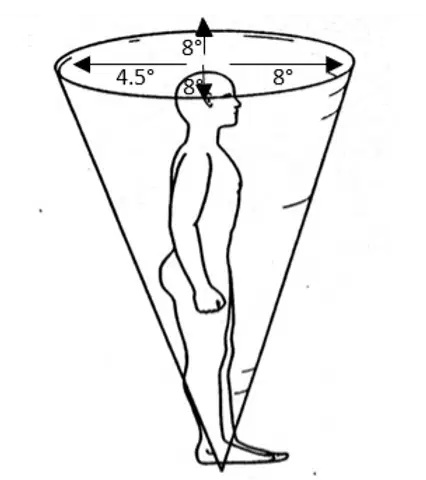
Sway boundaries in which an individual can maintain equilibrium without changing their BOS
Balance
Center of Mass
Center of Gravity
Base of Support
Limits of Stability
Match the following Sensory Information
Input from VISION, VESTIBULAR SYSTEM, and SOMATOSENSORY SYSTEM all provide information for upright posture.
Nervous System
Postural alignment, ROM, joint integrity, muscle strength
Musculoskeletal
ok
ok
Provide a reference for verticality. Can improve by fixin gaze
Visual input
Somatosensory
ok
Provides CNS with position and motion information with reference to supporting surfaces.
-Receptors: GTOs, joint receptors, cutaneous mechanoreceptors
Visual input
Somatosensory
ok
______ sense angular acceleration of the head (gait, imbalance)
Semicircular canals
Otoliths
____ (utricle and saccule) detect linear acceleration
Semicircular canals
Otoliths
The environment interacts with the (a) and (b)
Match the following
Predictable with no distractions
Closed environment
Unpredictable with distractions
Open environment
Firm vs. soft, rough vs. slippery
Stable vs. Unstable
New vs. learning; one task vs. multi-tasking, predictable vs. unpredictable
Task Characteristics
Contextual effects (a) balance control = FALL!
-ROM, Joint Integrity, Muscle Performance, Postural Alignment
Musculoskeletal System
Nervous System
Contextual Effects
Sensorimotor integration, Motor strategies, Adaptive mechanisms, Anticipatory mechanism
Musculoskeletal System
Nervous System
Contextual Effects
Environment, Support Surface, Lightning, Task
Musculoskeletal System
Nervous System
Contextual Effects
Balance Control
Musculoskeletal System
Contextual Effects
Nervous System
Match the following Motor Strategies
Quick first responders. Controlled by SPINAL CORD due to stretch response. Localized and controls muscle force.
Reflex
1st response to PREVENT FALLS. Involves coordination of legs and trunk. Controlled by brain stem.
Automatic
Involves cortical planning. Coordinated and slowest response.
Voluntary
Provides info about the position and movement of the head with respect to gravity and inertial forces.
-Sense position and motion
-Semicircular canals sense angular acceleration of the head (gait, imbalance)
-Otoliths (urticle and saccule) detect linear acceleration
Visual input
Somatosensory
Vestibular
Balance requires (a) of many sensory systems
1. Nervous System
2. Musculoskeletal
What are the three Motor Strategies?
Ankle
Hip
Stepping Strategy
Suspensory
Ankle: Small slower pertubations; postural sway on stable surface; involves _____ and _______
Gastro/Soleus
Anterior Tibialis
Posterior Tibialis
Loss of anterior tibialis
(a)
Hi strategy
Backward sway muscle strategy=
(a)
Hip strategy: For (a) to large perturbations, faster especially on unstable surface (b) ; rapid (c) or (d) to move COM within BOS.
Stepping Strategy: (a) perturbations where BOS needs to (b) , and there is a (c) of COM
*when ankle and hip strategy are inefficient to recover balance
From ankle sprains; knee ligamentous injuries; DJD; Lumbar pain all can lead to increase postural sway
Proprioceptive deficits
Reduced sensation
Visual loss
Damage to vestibular system
From peripheral neuropathies; diabetes, depend more on HIP STRATEGY
Reduced sensation
Proprioceptive deficits
Visual loss
Damage to vestibular system
Contrast sensitivity; peripheral field vision; depth perception
Reduced sensation
Proprioceptive deficits
Visual loss
Damage to vestibular system
TBI; vertigo, viral infection. Increase fall risk (use more ankle strategy vs. hip)
Reduced sensation
Proprioceptive deficits
Visual loss
Damage to vestibular system
Biomechanical and Motor Output Impairments:
Pain
Adequate ROM
Adequate strength
Motor control and coordination
Deficits with Aging
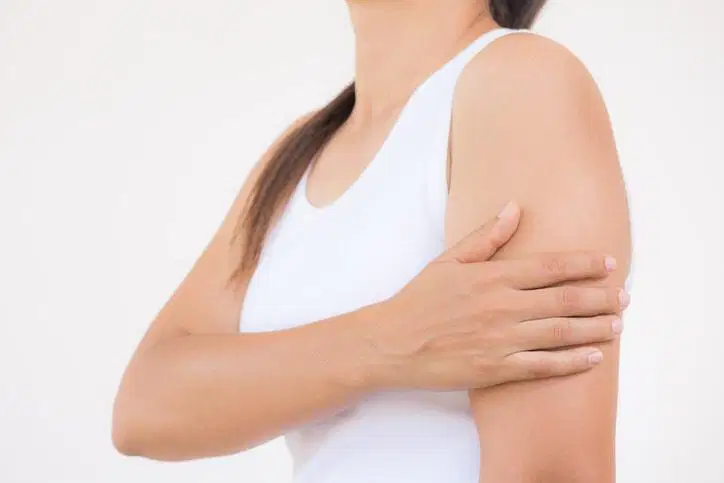
Muscle weakness

Gait deficit
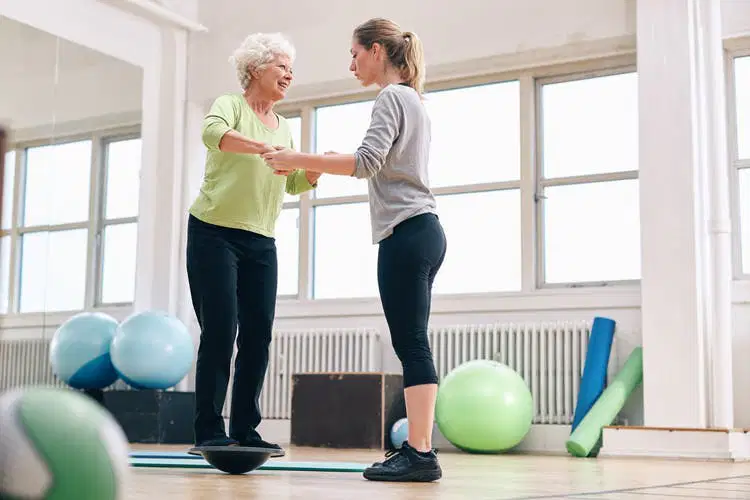
Balance deficit
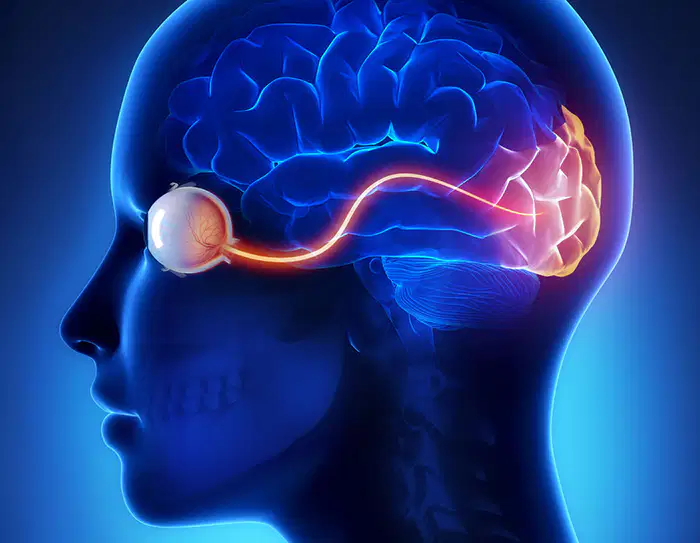
Visual deficit
Arthritis
-Cognitive impairments
-Slower onset of balance reactions
What else can have deficits with aging?
Medications
Lack of confidence
Optimize use of movement strategies for improving postural stability under changing conditions
Treatment goal
ok

Techniques to improve -Patient Safety
-High risk patients may/need two people for certain treatments
Use gait belt if appropriate
Stand slightly behind and to the side of patient
Perform ther ex near a bar, stable surface, or chair in case needed
Make sure surrounding environment is clear of other patients, sharp objects, clean floor, etc
Gaurd pt when getting off and on equipment
Techniques to Improve - Ankle Strategies
-Broad stable surface with focus on A-P sway
-Firm surface to minimize incorporation of hip strategy
-Maintain slow and small sways
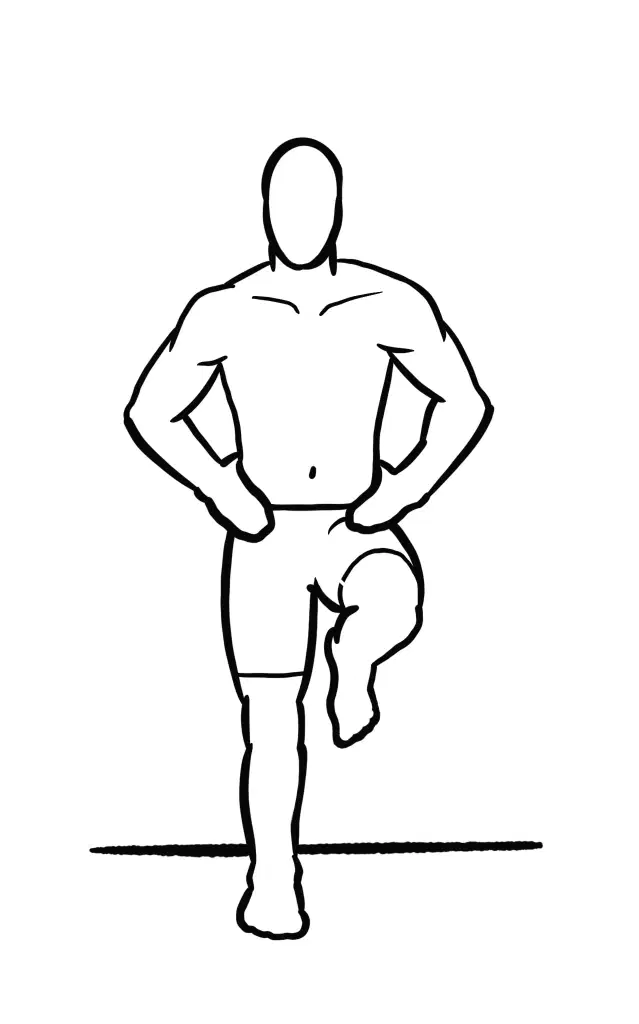
Single leg stance on floor
Single stance with weight or play catch
Bilateral stance on mild unstable surface with knees slighlty bent
Techniques to Improve Hip Strategies
-Unstable surface to promote increase sway
(should exceed ankle strategies)
Balance board
Trampoline
Catching ball on unstable surface
Surf on HALF foam roller
Sliding board
Techniques to Improve Stepping Strategies
*used once the limits of STABILITY ARE EXCEEDED
Step-ups and step downs
Step overs (can increase speed)
Push and nudge technique
(a) Small slower perturbations; postural sway on stable surface; involves Gastroc/Soleus and Anterior Tibialis
(b) For moderate to large perturbations, faster, especially on unstable surface (surfing, beam) rapid hip flexion or extension to move COM within BOS.
(c)
(d) Large quick perturbations where BOS needs to increase, and there is a readjustment of COM
(e)
Ankle Strategy
Anterior sway of the body is counteracted by gastrocnemius muscle activity, which pulls the body
Anteriorly
Posteriorly
The (a) is often used while standing on a bus that is rapidly accelerating
Hip backward sway muscle strategy=
Abdominals followed by quads
Abdominals followed by hamstrings
Ankle strategies:
Anterior perturbations
Paraspinals
Hamstrings
Gastroc
Quads
Anterior tibials
Ankle strategies:
Posterior perturbations
Paraspinals
Hamstrings
Gastroc
Quads
Anterior tibials
Is the uncoordinated step that often follows a stumble on an unexpectedly uneven sidewalk
Stepping Strategy
Hip Strategy
Ankle Strategy
Ankle Strategy
Posterior sway of the body is counteracted by contraction of the anterior tibialis muscles, which pulls the body
Anteriorly
Posteriorly

