
NEW
Font size
 Worksheets
Scientific Method Quiz
Total questions: 19
Worksheet time: 19mins
What part of the scientific method is this an example of?
__________: Determine the results and if it matches the hypothesis.
Conclusion
Ending
Research
Results
Cindy wanted to find out how the amount of sunlight affects the growth of plants. She placed two tomato plants in 10 inch pots with potting soil and watered them ¼ cup each day. One plant was placed under a cardboard box and one was placed in the sunlight. She measured the growth of the plant each week for three weeks.
What is the independent variable?
Using the same type of plant
Each plant was placed in a 10 inch pot
The growth of the plant
One plant is in the sunlight and the other is under a box
Cindy wanted to find out how the amount of sunlight affects the growth of plants. She placed two tomato plants in 10 inch pots with potting soil and watered them ¼ cup each day. One plant was placed under a cardboard box and one was placed in the sunlight. She measured the growth of the plant each week for three weeks.
What is the dependent variable?
Using the same type of plant
Each plant was placed in a 10 inch pot
The growth of the plant
One plant is in the sunlight and the other is under a box
A valid experiment has ...
good procedures
repetition
making observations
all of these answers

An experiment was designed to test if a specific vitamin would make a horse grow taller.
What would be the hypothesis for the experiment?
Does a specific vitamin make a horse grow taller?
The vitamin.
If I give a horse a specific vitiamin, then it will grow taller.
The height of the horse.
A student wrote in his laboratory note book. I placed a marble in a graduated cylinder of water and it sank to the bottom of the graduated cylinder.
What the student wrote in his notebeek is an example of a(n)
Hypothesis
Inference
Observation
Prediction
The question must be _______________ in order to use the scientific method to answer.
researchable
hard
testable
already answered
Even if your hypothesis was wrong, at the end, you are able to make ________.
a correct answer
a conclusion
new discoveries
a book
Collect _________ through experiments and observations.
money
research
rewards
data
A hypothesis allows you to then make a __________ about what will happen.
guess
conclusion
prediction
question
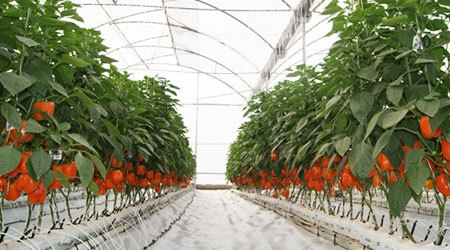
Bob read about growing plants in water. He wanted to know how plants could grow without soil.
coming up with a question
test the hypothesis with an experiment
form a hypothesis
draw conclusions

