
Font size
 Worksheets
Macromolecule review quiz (with a little water)
Total questions: 53
Worksheet time: 2hrs 42mins
What is the monomer of a Carbohydrate
Lipid
Monosaccharide
fatty acid
disaccharide
What is the monomer of a lipid
amino acid
trigliceride
phospholipid
fatty acid
What is the monomer of a nucleic acid?
monosaccharide
nucleotide
amino acid
Glycerol "heads" and fatty acid "tails"
What is the monomer of a protein?
monosaccharide
nucleotide
amino acid
Glycerol "heads" and fatty acid "tails"
What is the function of a carbohydrate?
store genetic information
long term energy storage
short term energy storage
many many many things...muscle growth, cell transport, lower activation energy...
What is the function of a lipid?
store genetic information
long term energy storage
short term energy storage
many many many things...muscle growth, cell transport, lower activation energy...
What is the function of a nucleic acid?
store genetic information
long term energy storage
short term energy storage
many many many things...muscle growth, cell transport, lower activation energy...
What is the function of a protein?
store genetic information
long term energy storage
short term energy storage
many many many things...muscle growth, cell transport, lower activation energy...
Example of a carbohydrate
Glucose
DNA
Oils
Meat
Example of a lipid
Glucose
DNA
Oils
Meat
Example of a nucleic acid
Glucose
DNA
Oils
Meat

An avocado is an example of a which macromolecule?
Carbohydrate
Lipid/Fat
Protein
Nucleic Acid
This is one job proteins do not have in the body.
structure for tissues and organs
transport things through cell membranes
speed up chemical reactions
insulation
This macromolecule breaks down into sugars such as glucose.
Lipids/Fats
Nucleic Acids
Protein
Carbohydrates


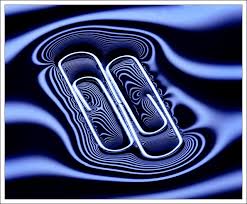


Which macromolecule is shown?
lipid
protein
nucleic acid
carbohydrate
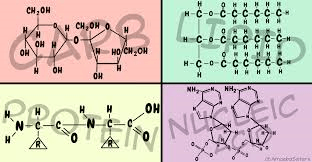
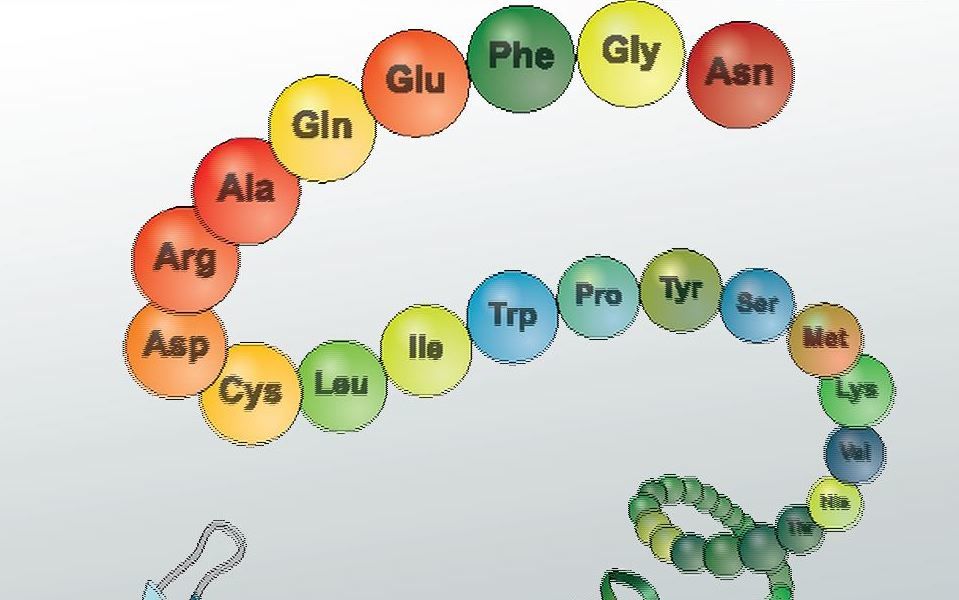


Which is shown in the picture?
Monsaccharide
Amino Acid
Fatty Acid
Nucleotide

Which is shown in the picture?
Fatty Acid
Monsaccharide
Amino Acid
Nucleotide
Catalysts
the substances changed during a chemical reaction (goes into the process)
the substances made by a chemical reaction (comes out of the process)
substance that speeds up the rate of a chemical reaction
reactant of an enzyme-catalyzed reaction
Substrate
the substances changed during a chemical reaction (goes into the process)
the substances made by a chemical reaction (comes out of the process)
substance that speeds up the rate of a chemical reaction
reactant of an enzyme-catalyzed reaction
Active site
the region of an enzyme that attaches to a substrate
a change in the shape of a protein (such as an enzyme) that can be caused by changes in temperature or pH (among other things).
substance that can bind to an enzyme and prevent the substrate from properly binding
macromolecules that contain carbon, hydrogen, oxygen, and nitrogen, include enzymes
Denature
the region of an enzyme that attaches to a substrate
a change in the shape of a protein (such as an enzyme) that can be caused by changes in temperature or pH (among other things).
substance that can bind to an enzyme and prevent the substrate from properly binding
macromolecules that contain carbon, hydrogen, oxygen, and nitrogen, include enzymes
Protein
the region of an enzyme that attaches to a substrate
a change in the shape of a protein (such as an enzyme) that can be caused by changes in temperature or pH (among other things).
substance that can bind to an enzyme and prevent the substrate from properly binding
macromolecules that contain carbon, hydrogen, oxygen, and nitrogen, include enzymes
Each enzyme only has 1 substrate that will fit its active site. What is this called?
reusable
catalyst
fragile
specific

In the diagram, what is letter A?
product
enzyme-substrate complex
substrate
active site

Letter D...
enzyme
active site
substrate
products

Letter B...
substrate
active site
enzyme
products

Letter C...
products
substrate
enzymes
active site

Letter E...
active site
products
substrate
enzyme
What happens to an enzyme when it is denatured?
Activation energy is lowered
It becomes stronger
It loses its shape
Activation energy is raised
Substances that are changed during a chemical reaction
reactants
products

What is the optimum pH for the enzyme salivary amylase?
2
5
6.2
9.1

What can be inferred using the graph?
Cells can function equally as well at all pH values.
Cells do not function well at pH values that are too high or too low.
Cells function best at high pH values.
Cells function best at low pH values.
Which suffix (word ending) is used in the names of most enzymes?
-ase
-in
-ine
-ose

What is the optimum temperature for this enzyme?
20 degrees Celsius
45 degrees Celsius
52 degrees Celsius
64 degrees Celsius
What things affect an enzyme
ph
temperature
amount of substrate
protein

