
 Worksheets
Gr 9 Kitchen Safety and Sanitation
Total questions: 66
Worksheet time: 50mins

When working in the kitchen:
Hair must be up and an apron must be on mainly when you are cleaning
Hair must be up and an apron must be on only while food is being prepared
Hair must be up and an apron must be on for the entire lab
Hair must be up and an apron must be on if you are wearing clothes you don’t want to get dirty
Your hands should be dry when handling electrical equipment to prevent:
Damaging equipment
Spreading bacteria
Getting a shock
Slipping
Electrical appliances should be unplugged by pulling
The cord
The appliance
The plug
To prevent electric shock
Keep electric cords away from water
Don’t plug many cords into the same outlet
Make sure your hands are dry before plugging or unplugging
All of the above
What are the Four Steps to Food Safety?
Keep food raw, chill, clean
Keep dirty, separate, don't cook, chill
Clean, cook, chill, keep all foods together
Clean, separate, cook, chill
Do not allow foods to sit out longer than
Longer than 2 hours
Longer than 6 hours
Do not allow them to sit out
Longer than 10 hours
Hands should be washed after:
Using the restroom
Touching the hair, face, or body
Taking out garbage
All of the above
The five main kitchen hazards are:
Food, juice, meat, poultry, and fish
Falls, cuts, electrical shocks, burns, and poison
Showers, sinks, baths, counters, and floors
Cabinets, drawers, counters, appliances, and microwaves

When cooking on the stove top...
Always stay in the kitchen
It is OK to set a timer and come back when the timer tells you the food is done
What should you do when a frying pan of food catches on fire?
Pour water onto the flames
Grab the pan and run outside with it
Throw it on the floor and stomp out the flames
Carefully cover the pan with a lid and turn off the burner
What is the best kind of spoon to stir hot liquids?
Metal spoon
Plastic handled or wooden spoon
The best place for pan handles is sticking out over the front of the stove where you can easily reach them.
False
True
Is it a good idea to wait to clean up your messes and spills until you have finished all your cooking?
Yes
No
Is it a good idea to leave drawers and doors to the kitchen cabinets open while you are cooking so it is easy and fast to find things?
No
Yes
Is it a good idea to plug in appliances with wet hands?
Yes
No
When you suffer a slight burn, you should...
Run it under cold water
Run it under warm water
Put ice on it
Put butter on it
When pouring hot liquids, make sure to lean over the pot and pour quickly.
True
False
Why is it important to remove clutter from the stove area and wear tight fitting clothing?
To prevent things from catching on fire
To make room for cooking and look your best
To look professional
When removing hot foods from the oven...
Make sure to have a cooling rack, hot pad or cool stove top near you to avoid bumping into others
Use oven mitts or pot holders
Never reach into the oven, instead pull out the rack first
All of these answers
When walking with a knife make sure to:
warn others and carry the knife close to your chest
warn others and carry knife pointing in the direction you are headed
warn others and carry knife pointing down near your leg with the sharp edge to the back
warn others and hold the knife with both hands

True or False. It is okay to put tin foil or metal in the microwave.
True
False

What should you do if food falls on the floor?
Eat it as long as less than 5 seconds
Throw it away
Pick it up and give to a friend
Eat it as long as less than 2 seconds
It is caused by ingesting hazardous chemicals.
Choking
Poisoning
Cuts
Starins
1. A (a) knife is more dangerous than a
sharp knife.
What should you not put in the microwave ever?
Microwave safe dishes
Metal
Aluminium Foil
Electrical appliances should always be unplugged by removing the (a) from the outlet.
What precautions can you take to prevent fires in the kitchen? Check all that apply.
Do not leave flammable items near a stove
Do not wear long sleeves
Keep stoves and exhaust fans free from grease build up
Leaving the skillet or pot on low
Sanitation is very important to practice in the kitchen people often ___________________ foods that should not be handled or mixed together.
food-borne illness
cross contaminate
perishable
The best way to thaw meat is on the kitchen counter.
True
False
What is the first step when entering the kitchen?
Run dishwater
Wash hands
Pre-heat oven
Gather ingredients
If you are using a saucepan/skillet, where should the handle be facing?
out
out over the edge of the stove
inwards
over another stove eye
What is the minimum amount of time you should wash your hands?
10 seconds
15 seconds
20 seconds
30 seconds
You should wash your hands after touching your hair or face.
False
True
Store meats on the bottom shelf of refrigerator.
Safe
Unsafe

When do you need to wash your hands?
Before you start cooking.
After you go to the washroom.
After you touch your hair, nose, or mouth.
All of the above.
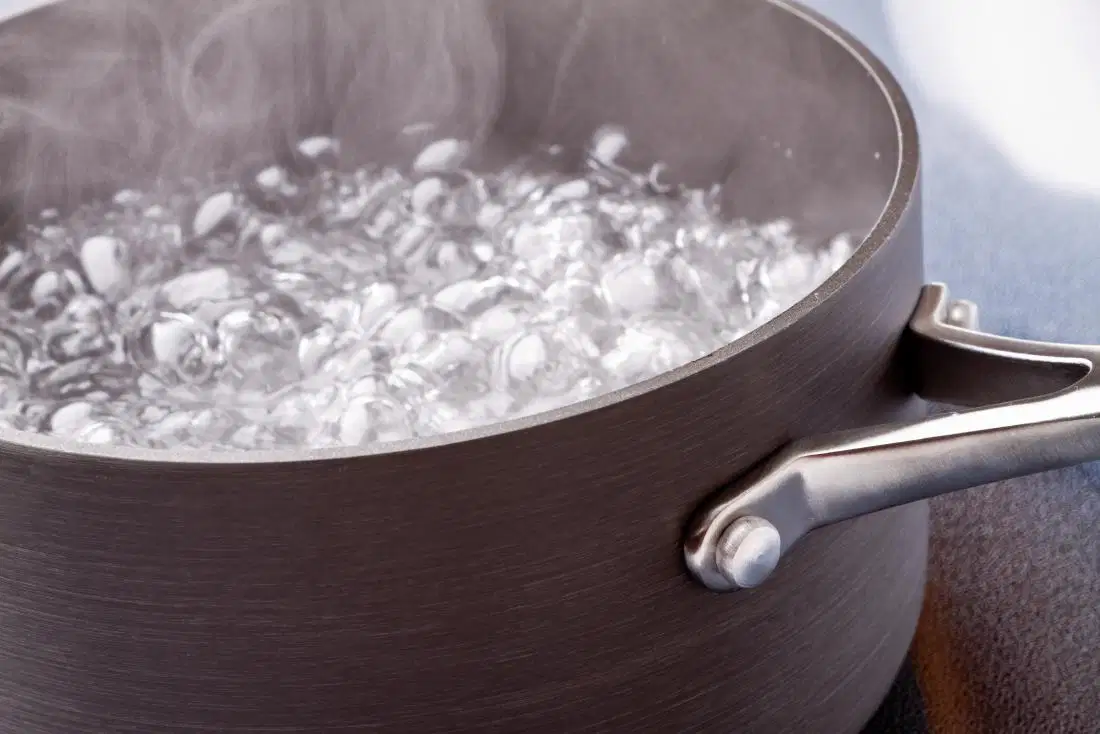
What are the most common causes of burns in the kitchen?
spilling and splashes of hot liquids
Tripping
Spilling
Not caring
What should you do if your clothes catch on fire?
Stop, Drop, and Roll
Dance.
Run through dry grass.
Panic

Cook food to the proper ______ temperature
internal
external
surface
all of the above



