
Font size
 Worksheets
BA Force and Motion Review Practice
Total questions: 57
Worksheet time: 2hrs 46mins
Speed in a given direction is the definition of:
Speed
Velocity
Acceleration
Direction
A Lego car travels 3 meters in 3.7 seconds. What is the car's speed?
0.81 m/s
0.81
1.23 m/s
1.23
A ship sails 5,635 km west in 2,520 hours. What is the ship's velocity?
1,610 km/m
1,610 km/m west
1,610
A ship sails 5,635 km west in 3.5 months. What is the ship's velocity?
1,610 km/m
1,610 km/m west
2.2 km/hr
2.2 km/hr west
The Earth travels 900 km around the sun in 30 seconds. What is the Earth's velocity?
30 km/s
30 km/s around the sun
30 km/hr around the sun
30 km/hr
A train travels 500 km north in 2 hours. What is the train's velocity?
250 km/hr
250 km/hr north
500 km/s
500 km/s north
A cheetah runs 220 km in 2 hours. What is the cheetah's speed?
110 km/hr west
110 km/hr
440 km/hr
440 km/hr west
A robot traveling 2 m/s is an example of:
Speed
Velocity
A bird flying south at 64 km/hr is an example of:
Speed
Velocity
A ball rolling west at 5 cm/s is an example of:
Speed
Velocity
What is the difference between speed and velocity?
Speed includes the direction the object is traveling.
Velocity includes the direction the object is traveling.
What is the equation for speed?
Speed = distance/time
Speed = time/distance
Speed = distance x time
Speed = time x distance


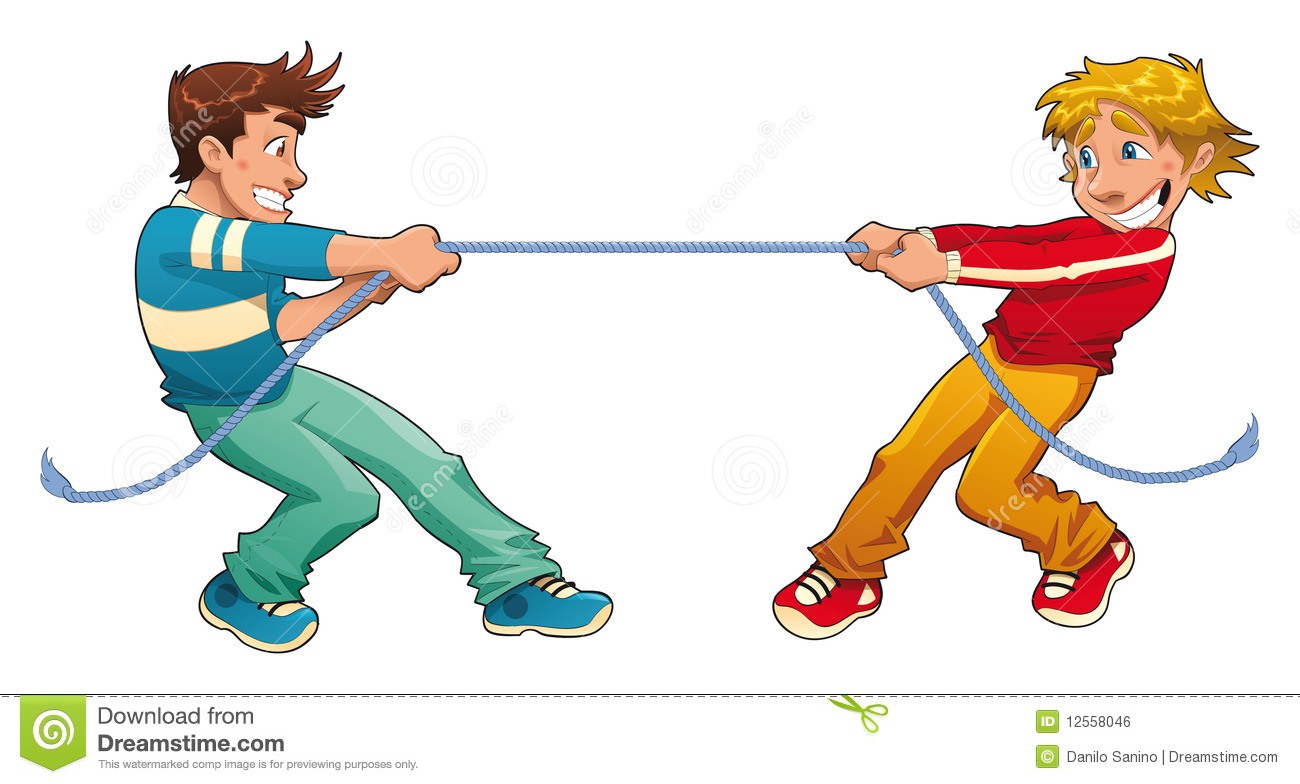
An automobile you are riding in suddenly stops, why does your body continue to go forward?
An object in motion stays in motion.
Gravity pulls your body towards the earth.
Friction makes your body slow down.
If you push a tennis ball, a bowling ball, and a basketball with the same amount of force, which one will go farthest?
bowling ball
tennis ball
basketball
If a magician pulls a table cloth from under a table of dishes, what should happen based on Newton's 1st law?
The dishes will stay in place on the table.
The dishes will fall to the ground.
The dishes will accelerate and then slow down.
It is much more difficult to move a dresser full of clothes than an empty dresser. Why?
An object in motion stays in motion.
It takes more force to move an object with more mass.
It takes more friction to move the empty dresser.

Pushing a child on a swing is harder than pushing an adult on the same swing.
True
False
The first law of motion says that a moving object tends to keep
force
speed
distance
moving
If there was no friction, objects in motion would stay in motion forever.
true
false
Why is it harder to push a cart full of bricks than a cart full of feathers?
The bricks have more friction than the feathers.
The feathers have more friction than the bricks.
The bricks have more weight/mass than the feathers.
The feathers have more weight/mass than the bricks.

Reference point can also be described as what?
An ending point
A starting point
A description
A location
What two things do you need to find speed (select both)
distance
time
velocity
direction

This equation goes with which law?
Newton's first law of motion
Newton's second law of motion
Newton's third law of motion
A person is pushed forward into their seat belt when a car stops. Which law is this?
Newton's 1st Law
Newton's 2nd Law
Newton's 3rd Law

When the force on a car is doubled, the acceleration is doubled.
Newton's 1st Law
Newton's 2nd Law
Newton's 3rd Law

A skater pushes another skater forward, but the one pushing moves backwards.
Newton's 1st Law
Newton's 2nd Law
Newton's 3rd Law

The harder you hit a baseball, the faster it accelerates.
Newton's 1st Law
Newton's 2nd Law
Newton's 3rd Law

You push against a wall and the wall is pushing back on you.
Newton's 1st Law
Newton's 2nd Law
Newton's 3rd Law
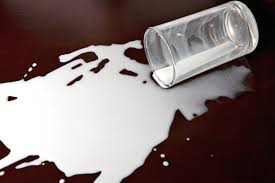
You are carrying a lunch tray when you bump into the edge of a table. Although the tray did not tip, your milk falls off of the front of the tray.
Newton's
1st
Law of Motion
Newton's
2nd
Law of Motion
Newton's
3rd
Law of Motion

Which law best explains why more force must be applied to the bowling ball to make it accelerate at the same rate as the tennis ball.
Newton's 1st Law
Newton's 2nd Law
Newton's 3rd Law
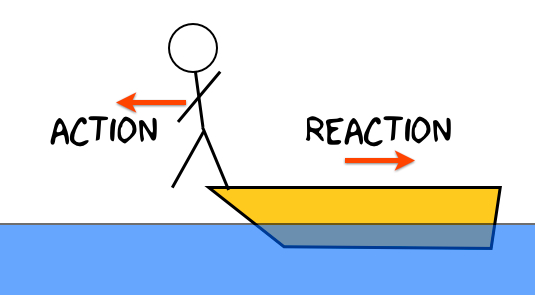
A sports car speeds up much faster than a dump truck when a traffic light turns from red to green. Which law is this?
Law 1
Law 2
Law 3
Which of the following has more inertia?
Bowling ball
Tennis ball
Which of the following has less inertia?
Feather
Hammer
Newton's Third Law says that forces must always occur in _____.
pairs
groups of 20 or more
individual circumstances
friction
What measurement is used to measure force?
Newtons
Kelvin
Kilos
Moles

