
NEW
Font size
 Worksheets
Biology part 1 Review
Total questions: 43
Worksheet time: 46mins

What type of asexual reproduction is it?
budding
fragmentation
spore formation
binary fission

What type of asexual reproduction is it?
budding
vegetative propagation
spore formation
binary fission

What type of asexual reproduction is it?
vegetative propagation
spore formation
budding
binary fission

What type of asexual reproduction is it?
vegetative propagation
spore formation
budding
binary fission

What type of asexual reproduction is it?
budding
fragmentation
spore formation
binary fission

What type of asexual reproduction is it?
budding
fragmentation
spore formation
binary fission

What type of asexual reproduction is it?
vegetative propagation
spore formation
budding
binary fission

What type of asexual reproduction is it?
vegetative propagation
spore formation
budding
binary fission


During what phase do the spindle fibres appear and the nuclear membrane disappear?
Cells of organisms must go through cell division for?
growth
repair of damaged cells
replacement of dying cells.
All of these
In metaphase of mitosis, chromosomes
form and the nuclear envelope disappears.
are pulled toward opposite ends of the cell.
chromosomes line up along the equator of the cell
chromosomes begin to decondense and the two new nuclei begin to form.
In anaphase of mitosis, chromosomes
form and the nuclear envelope disappears.
are pulled toward opposite ends of the cell.
chromosomes line up along the equator of the cell
chromosomes begin to decondense and the two new nuclei begin to form.
Proteins are important because
they help build and repair our muscles, tissues and bones
they make hormones and enzymes which have important jobs in our bodies
they help to carry oxygen around our body which helps to produce energy
all of these answers are true
In telophase of mitosis, chromosomes ___
form and the nuclear envelope disappears.
are pulled toward opposite ends of the cell.
line up along the equator of the cell
begin to decondense and the two new nuclei begin to form.
What are the 3 stages of the Cell Cycle?
Interphase, prophase and end phase
Interphase, mitosis and cytokinesis
Outerphase, mitosis, and cytokinesis
Metaphase, anaphase and teriphase
What is the function of the nucleolus?
It makes ribosomes
It lets things in and out of the cell
It provides energy to the cell
It digests materials in the cell
What is the function of the mitochondria?
It makes ribosomes
It lets things in and out of the cell
It provides energy to the cell
It digests materials in the cell
A jellylike substance that contains many organelles.
This organelle controls what goes in and out of plant and animal cells.
Cell Wall
Cell Membrane
Chloroplasts
Cytoplasm
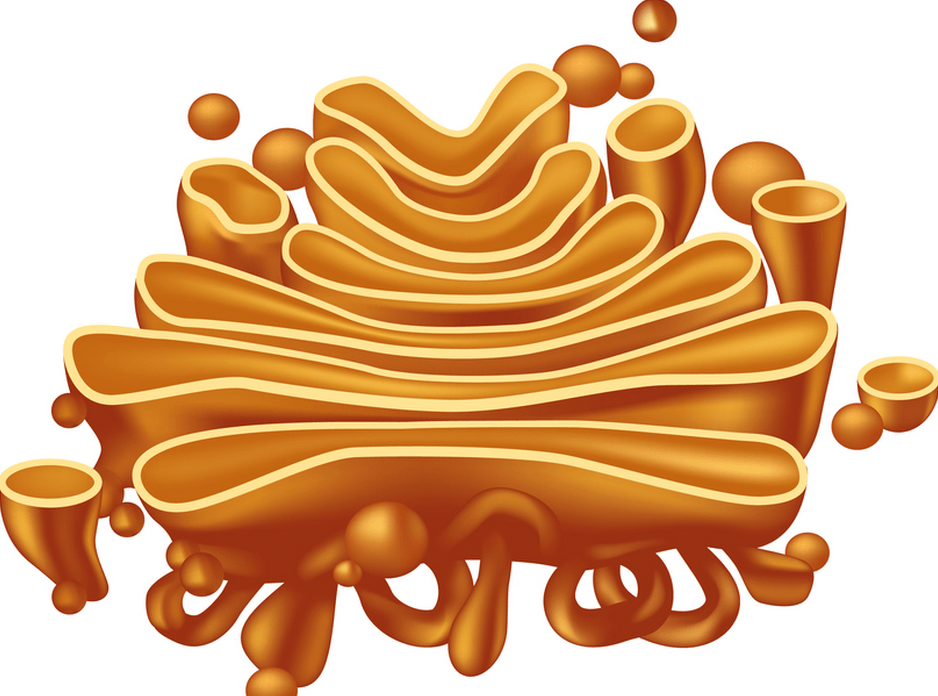


How many chromosomes are found in each cell of your body?
46
23
40
45
What are genes?
Pants
Specific traits
Sections of DNA arranged along the chromosomes
Chromosomes
What does DNA stand for?
Deoxyribonucleic acid
ribosenucleic acid
Deoxyribose
Nucleic acid
Where is DNA found in a human cell?
ribosome
nucleus
cell membrane
cytoplasm
From smallest to largest how would genetic information be organized?
genes, cell, nucleus, chromosome, nucleotide
chromosome, cell, gene, nucleotide, nucleus
nucleotide, gene, chromosome, nucleus, cell
nucleus, cell, gene, nucleotide, chromosome


