
 Worksheets
Practice Chemistry Test - You can take this as often as you want
Total questions: 43
Worksheet time: 28mins
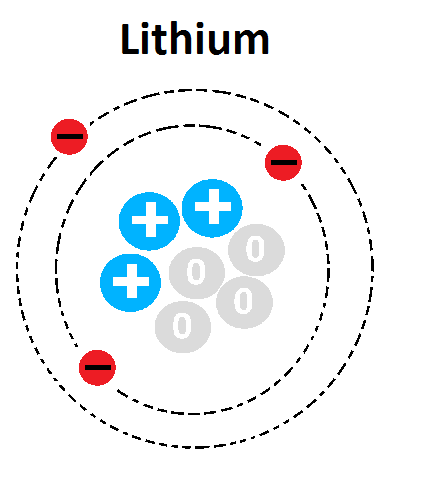
What is the atomic mass of this atom?
1
3
4
7
What is the atomic number?
the number of protons
the number of protons and neutrons combined
the number of neutrons
the number of protons and electrons combined

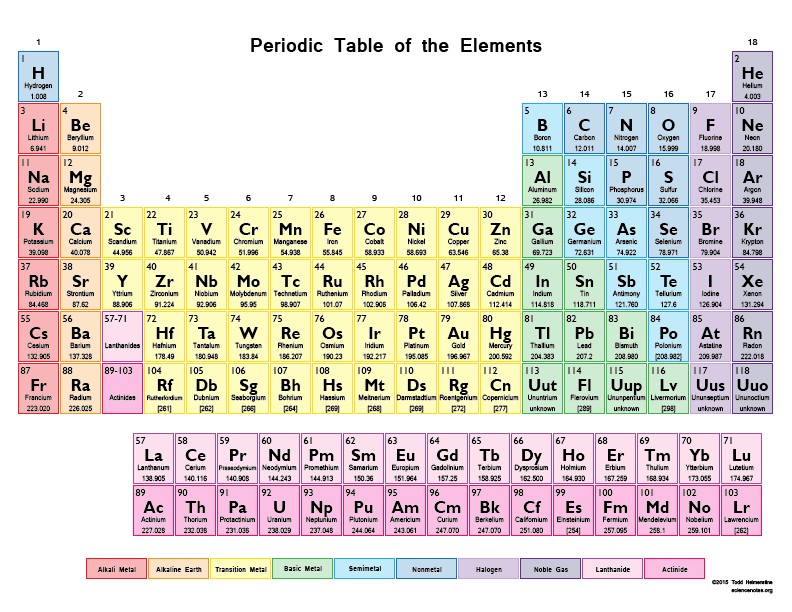


Do electrons contribute to the atomic mass of an atom?
YES of course, they are there for a reason
NO, they are useless to the atom
No, their mass is too small to contribute to the mass
YES, silly, they are the superstars of the atom
SIDE TO SIDE rows on the periodic table are
groups
periods
UP and DOWN columns on the periodic table are
groups
periods
Which elements have properties in common?
elements in a group
elements in a period
The group number tells you the number of
protons
valence electrons
energy levels
The period number tells you the number of
protons
energy levels
valence electrons

These elements are in a:
group
period

These elements are in a:
group
period

Which of the following has would gain an electron and get a -1 Charge?


How many valence electrons does Bromine (Br) have?
5
6
7
8

According to the diagram below, how many bonds will this atom be able to make?
Which of these is incorrect?


Would these two elements be more likely to bond with a covalent bond or ionic bond?
Na and Br
Select the element most likely to gain an electron
Bromine
Fluorine
Chlorine
Iodine
Select the element with the largest atomic radius
Potassium
Scandium
Gallium
Arsenic
Select the element most likely to lose an electron
Magnesium
Sulfur
Barium
Oxygen
Select the sequence that correctly orders from smallest to largest atomic radius
Sn, Y, Ru
Cu, Ga, Br
Al, S, Na
F, N, Li
Select the element below that is least reactive
Hydrogen
Chlorine
Lithium
Neon
Select the element with the highest electronegativity
Chlorine
Silicon
Argon
Magnesium
What element is found in Group 5 period 4?
Zirconium
Magnesium
Strontium
Vanadium

