
 Worksheets
AS EM Unit 1 Review
Total questions: 55
Worksheet time: 2hrs 36mins
What are some Ecological Impacts of Ozone Depletion?
Sea Levels Rise
The breakdown of Ozone led to more UV light and a reduced biodiversity.
Warmer Atmosphere
Reduction of plant diversity
What are some sources of CFCs when it comes to Ozone Depletion?
Aerosols
Refrigerants
Decomposition
all of the above
Management Strategies for Climate Change?
Montreal Protocol
Reduce carbon emissions by (driving electrical vehicles)
Planting Trees (carbon capture and storage)
Use less Fossil Fuels
Human Impacts of Ozone Depletion?
Respiratory Issues
Skin Cancer
&
Cataracts
Eye Irritation
Chemical Weathering

What is the chemical compound of Ozone Depletion?
Carbon dioxide
&
Mathane
Sulfur dioxide
&
Nitrogen Oxides
CFCs
(Chlorofluorocarbons)
NItrogen Oxide
&
VOCs
Global warming is a phenomenon related to _______
Ecological balance
Evaporation
Greenhouse effect
Desertification
What will happen if deer is missing in the food chain below?
Grass ==> Deer ==> Tiger
Tiger will start eating grass
The population of tiger increases
The population of grass decreases
The population of tiger decreases & the population of grass increases
Energy flow in ecosystem is _________.
Multidirectional
Unidirectional
Bidirectional
All around
What layer of the atmosphere is the hottest?
troposphere
stratosphere
thermosphere
exosphere
What layer of the atmosphere contains weather?
troposphere
stratosphere
thermosphere
exosphere
What is the most abundant gas in the atmosphere?
oxygen
argon
nitrogen
carbon dioxide

What layer of the atmosphere is labeled C?
thermosphere
mesosphere
troposphere
stratosphere
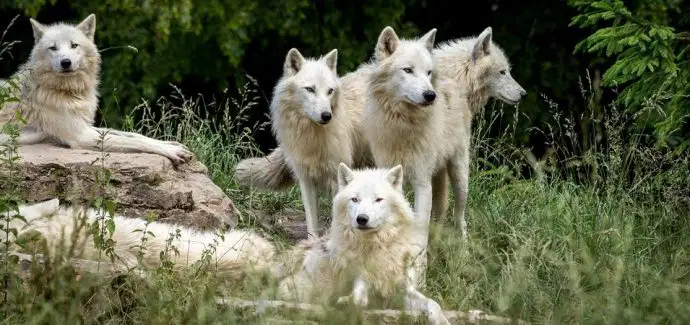
The wolves in this image are an example of a ____________
organism
habitat
population
ecosystem

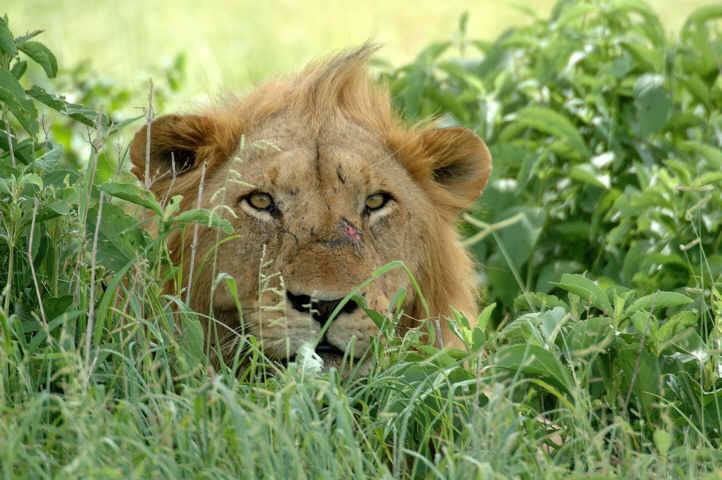
The image an example of a ____________
organism
bioshphere
population
ecosystem
A ___________ is a group of various species that live in the same place and interact with each other. (a)
The majority of life on earth receives its energy from ______________
plants
heat
the sun
chemicals in the air
One of the main roles of the ocean is _________________
to regulate temperatures in the atmosphere
trap heat near earth
absorb ultraviolet radiation
add carbon dioxide to the atmosphere

What process is represented at stage 3?
evaporation
condensation
runoff
precipitation
What process is represented at stage 1?
evaporation
condensation
runoff
precipitation
What process is represented at stage 4?
evaporation
condensation
runoff
precipitation
What process is represented at stage 2?
evaporation
condensation
runoff
precipitation
(a) are associated with or result from the activities of living organisms, while (b) describes the non-living part of an environment.
Identify the key phrase best associated with sustainability from the following list.
Maximize natural resource consumption
Short-term financial goals supersede long-term environmental quality
Seek to promote environmental depletion
Responsible environmental interaction
Minimize destruction of fossil fuels
Occurs as water enters the ground to become groundwater:
(a)



Which of the following is true about the greenhouse effect? you can choose more than one
It is a natural process
It is caused by gasses trap heat from infrared radiation
It makes life on Earth possible
It is the cause of global warming
Sustainability, according to our syllabus, is defined as:
balanced use of resources
the ability to meet the needs of the present without compromising the future needs
the ability to meet the needs of the present without compromising the ability of future generations to meet their own needs
meeting present needs without sacrificing future needs
The part of the hydrologic cycle were water changes from a gas to a liquid
condensation
evaporation
transpiration
through-flow
Natural interception is beneficial in the hydrologic cycle because it:
Cleans the water of toxins prior to infiltrating into the soil
Allows animals such as bees and ants to drink water before it infiltrates into soils
Slows the flow of water, which can lead to increased rates of infiltration
Increases the rate at which water cycles, making it widely available to living creatures.
As anthropogenic interception increases, _.
Runoff increases, infiltration decreases, evaporation decreases
Runoff decreases, infiltration increases, through-flow also increases
Runoff increases, infiltration decreases, through-flow also decreases
It is not possible to tell.
The 5 correct major gases that comprise the composition of the atmosphere are:
Nitrogen, oxygen, CO2, argon, and water vapor
Nitrogen, helium, oxygen, CO2, water vapor
Hydrogen, oxygen, argon, helium, and water vapor
Oxygen, nitrogen, fluorine, nitrogen, and water vapor
___ radiation comes to Earth from the sun in space and is either __ or __.
shortwave ; reflected or deflected
shortwave ; reflected or absorbed
longwave ; reflected or deflected
longwave ; reflected or absorbed
The natural greenhouse effect:
Prevents ALL longwave radiation from escaping Earth's atmosphere
Prevents some shortwave radiation from escaping Earth's atmosphere
Prevents some longwave radiation from escaping Earth's atmosphere
Prevents ALL shortwave radiation from escaping Earth's atmosphere
Which of the following is a way to potentially avoid a tragedy of the commons?
private ownership
regulation by the government
people sharing the resource work to manage the resource
none of the above
Which of the following are the main producers of marine ecosystems?
phytoplankton
plants
bacteria
zooplankton

Put this food chain in the correct order
Grass
Rabbit
Snake
Hawk
What organism is missing from this food chain?
Shrub -> (a) -> Insect Eating Bird -> Hawk
Put this food chain in the correct order
Grass
Grasshopper
Shrew
Snake
Mountain Lion
Match each organism with the correct trophic level
Producer
Grass
Primary Consumer
Squirrel
Secondary Consumer
Insect Eating Bird
Apex Predator
Mountain Lion
Decomposer
Bacteria
Over ________________ of years, once-living matter that remains in the ground can transform into fossil fuels.
millions
hundreds
thousands
a few handful

