
 Worksheets
1st Nine Week Science Exam
Total questions: 40
Worksheet time: 23mins
What is energy?
Force
The ability to do work
Electricity
The ability to transform work

Which type of energy is best seen in the picture?
Chemical
Sound
Electrical
Radiant

Which type of energy is shown?
Sound
Radiant
Mechanical

What type of energy is seen here?
Sound
Nuclear
Thermal
Mechanical
Which of the following changes electrical energy into radiant (light) and sound energy?
battery
alarm clock
light bulb
apple
The is the energy due to the splitting of atoms.
Thermal
Mechanical
Nuclear
Radiant
What type of energy do we use to cook food?
Radiant
Electrical
Nuclear
Thermal
This is the energy of vibrating molecules that move through matter.
sound
thermal
nuclear
radiant
Sound energy is produced when an object __________.
moves
heats up
vibrates
falls

Which type of energy is produced when the handle of a pencil sharpener turns?
Radiant
Electrical
Mechanical
Thermal
Photosynthesis goes through two energy transformations. What are the transformations?
radiant
chemical
chemical
radiant
electrical
nuclear
radiant
sound

When water falls through a dam and turns a turbine connected to a generator, electricity is produced. The electricity is used to light a home. Which shows the energy transformation?
electrical➡light➡mechanical
chemical➡mechanical➡electrical
mechanical➡chemical➡light
mechanical➡electrical➡light
A solid is a state of matter that has a(n)
indefinite volume and indefinite shape
definite volume and a definite shape
definite volume and an indefinite shape
indefinite volume and a definite shape
substance that cannot be broken down into a simpler substance
chemical
element
compound
mixture
basic particle from which all elements are made
atom
molecule
element
compound
group of two or more atoms held together by chemical bonds
atom
molecule
chemical bond
compound
substance made of two or more elements that are chemically combined is a set ratio
compound
chemical formula
molecule
atom
A type of mixture where you can see the different parts and they can easily be separated into their different parts.
atomic mixture
Compound mixture
Heterogeneous mixture
Homogeneous mixture
A _________ is made of two or more substances that are together in the same place but their atoms are NOT chemically bonded.
compound
mixture
substance
filtration
A type of mixture that you can't see the different parts.
Homogeneous mixture
Heterogeneous mixture
Compound
distillation
_____ describes the way something feels, looks, tastes, smells, etc.
physical properties
chemical properties
compounds
elements
What is the difference between an element and a compound?
Elements are made of more than one atom.
Compounds have uniform composition.
Compounds are made of more than one type of atom.
Only elements are pure substances.
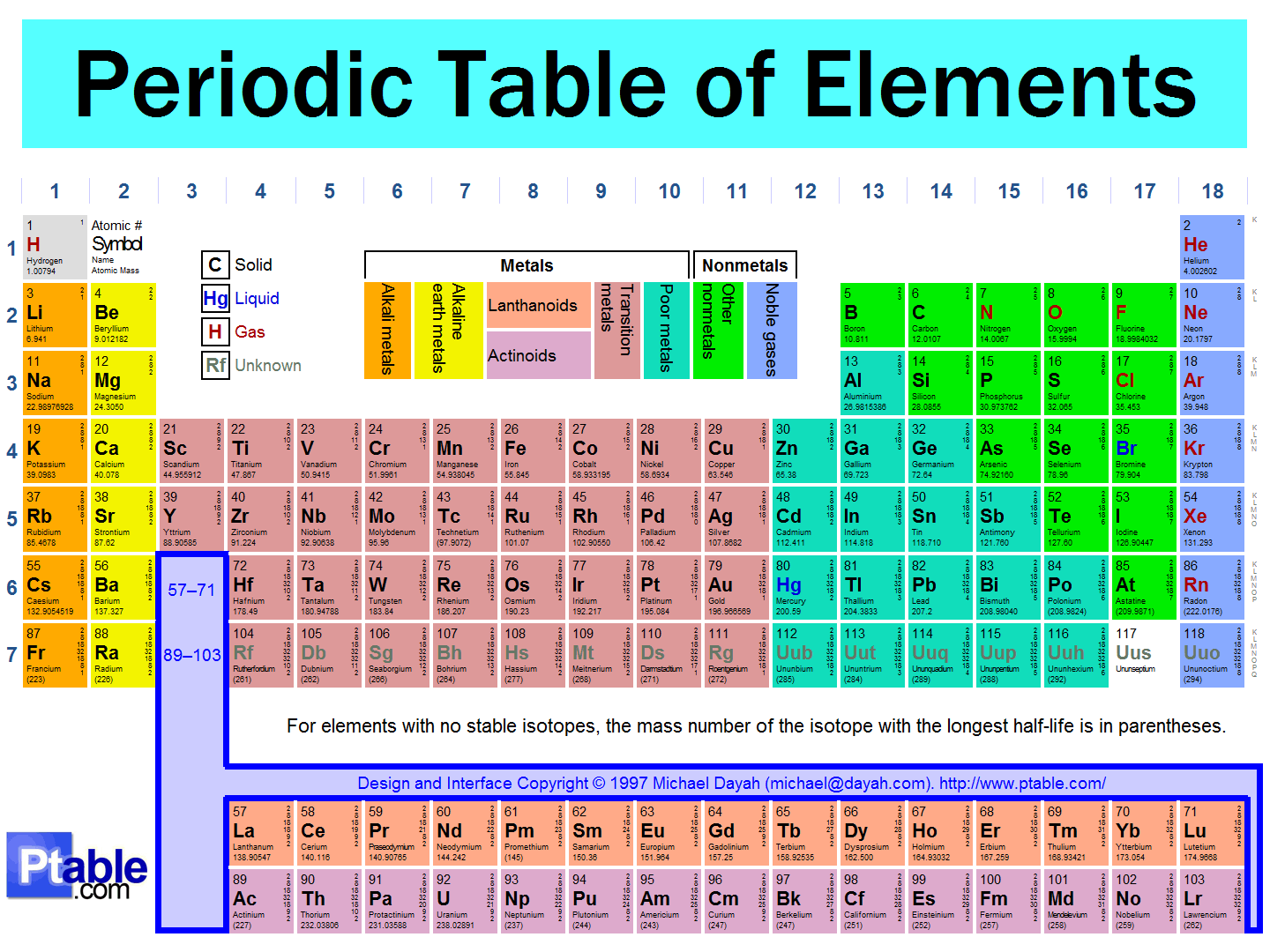
The vertical (up and down) columns in the Periodic Table are called
groups
towers
periods
atomic numbers

the positively charged subatomic particle contained in the nucleus of an atom
proton
neutron
electron
matter

a negatively charged subatomic particle that orbits the nucleus of an atom
proton
neutron
electron
matter

What does the atomic mass tell you?
Basically,the number of electrons and protons
The number of neutrons
Basically, the number of protons and neutrons
The number of protons.
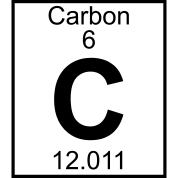

Elements which are shiny, conduct electricity and heat are called
metal
nonmetal
metalloid
nonexistent

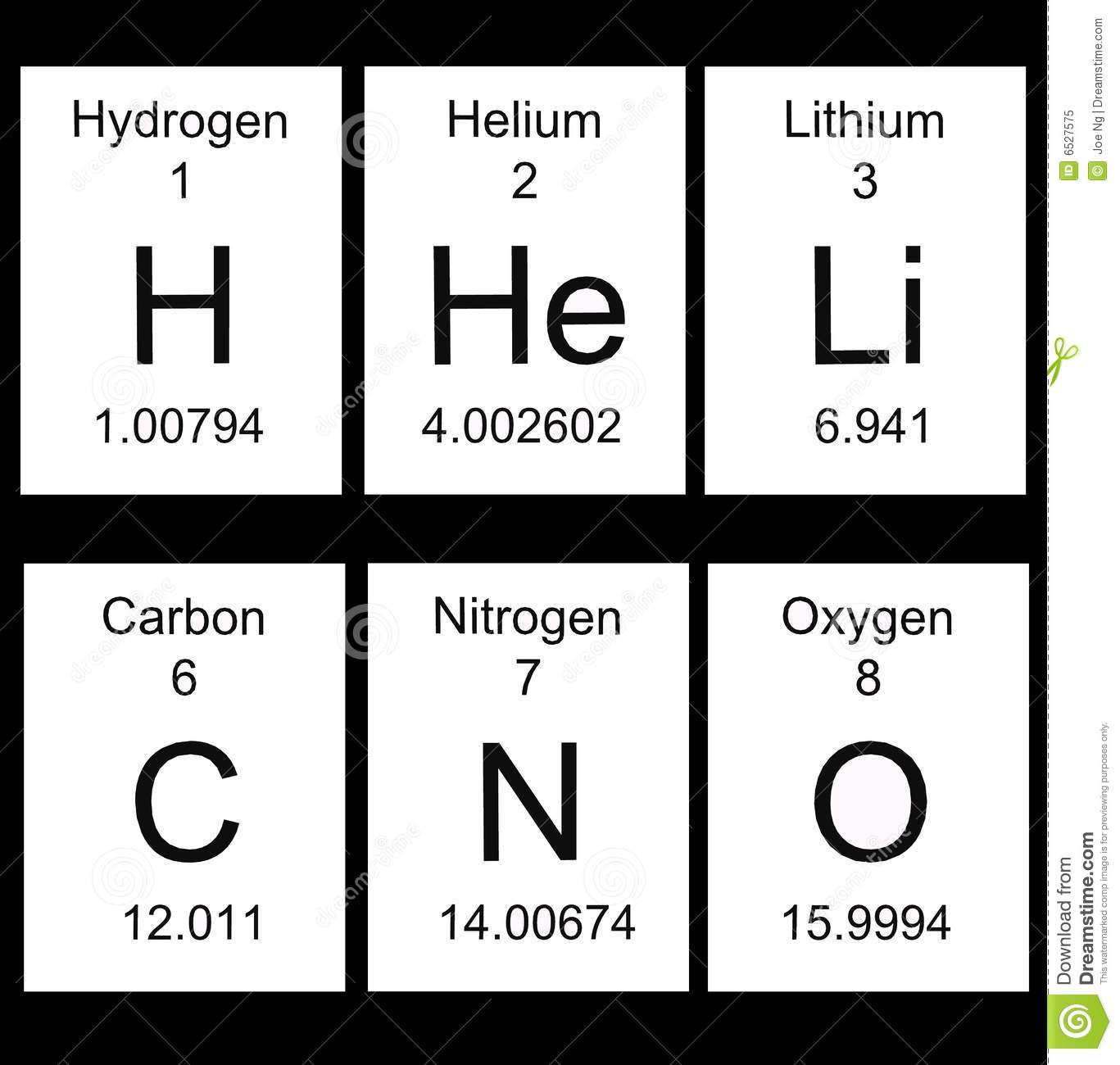
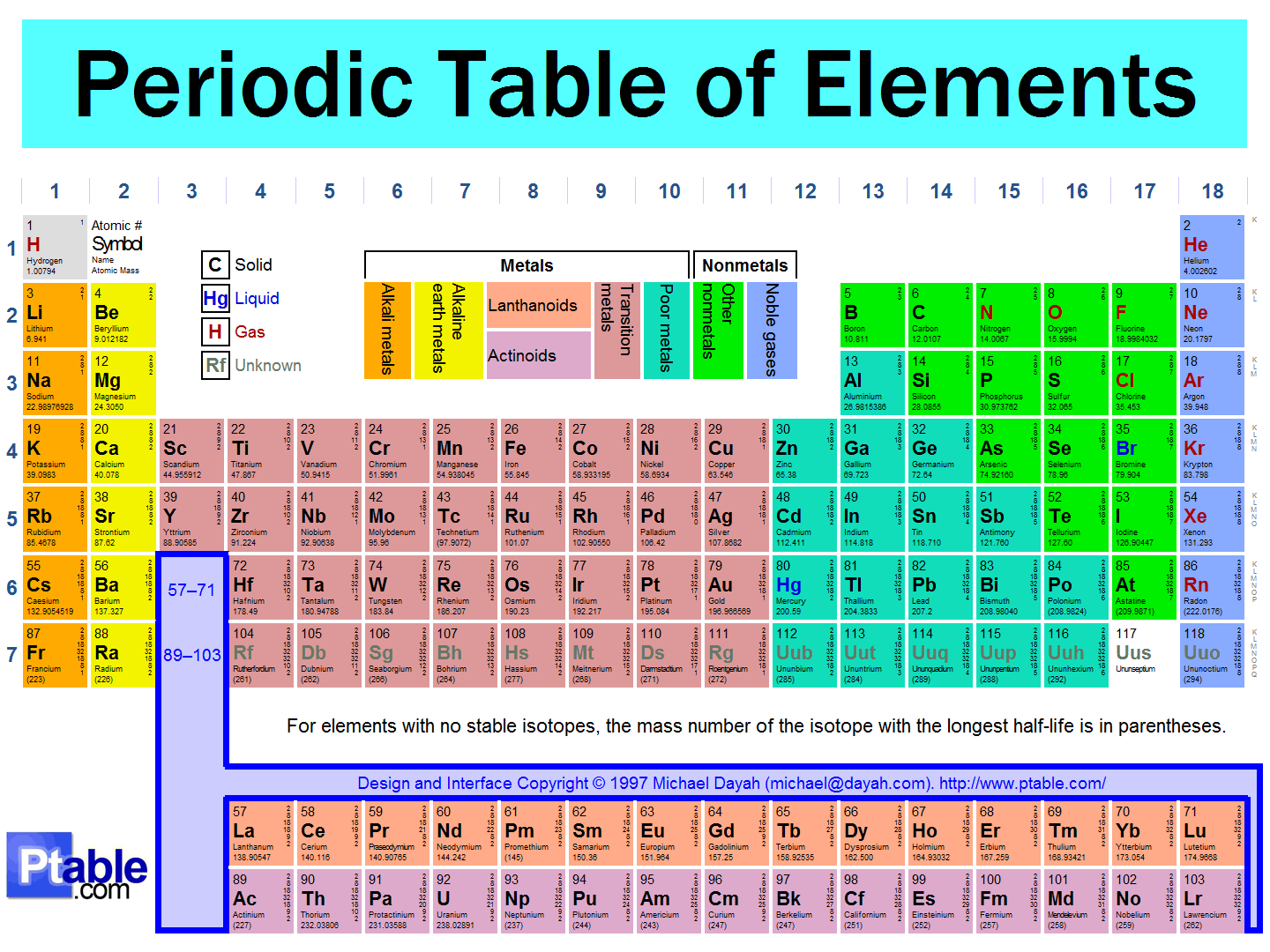
All _________ are semiconductors.
metals
metalloids
nonmetals
gases

