
NEW
Font size
 Worksheets
Grant- 1st 9 Weeks Review
Total questions: 34
Worksheet time: 34mins
You find a species that seems to be unicellular and is eating smaller cells around it. It has organelles and a nucleus. Which kingdom is it MOST likely a part of?
Fungi
Bacteria
Protists
Plants
Identify the one that is NOT an archaea.
Methanogen
Thermophile
Halophile
Virus
You identify a small living organism that is eating something at your feet. It's visible but pretty tiny, you take it to a lab and find that it has cell walls made of chitin. Which is its domain and kingdom?
Prokaryote, Fungi
Eukaryote, Fungi
Prokaryote, Plant
Eukaryote, Plant
Which is NOT a eukaryote?
Plants
Animals
Archaea
Protists
Domain of unicellular prokaryotes that have cell walls that do not contain peptidoglycan
Domain
Archaea
Fungi
Taxonomy
Kingdom composed of heterotrophs; many obtain energy and nutrients from dead organic matter
Fungi
Binomial Nomenclature
Clade
Parsimony
Classification system in which each species is assigned a two-part scientific name
Scientific Name
Derived Character
Binomial Nomenclature
Clade
Which two levels of classification are used to name organisms?
family and order
kingdom and domain
genus and species
class and order
Of the following classifications, the smallest or least inclusive is
order
genus
species
class
Clostridium tetani is a type of bacteria that causes tetanus. Which of the following organisms is most closely related to this bacteria?
Tetanus tocani
Clostridium botulinum
Streptobacillus clostridium
None of the choices

According to this chart, which two organisms are most closely related?
Snail and triceratops
Human and snail
Human and triceratops
None are related to each other

According to this chart, which two organisms are most closely related?
Cat and Wolf
Cat and Fly
Wolf and Fly
Which of the following is the correct scientific name for a tiger?
PANTHERA tigris
Panthera tigris
Panthera Tigris
Panthera Tigris
ATG TGA CAG

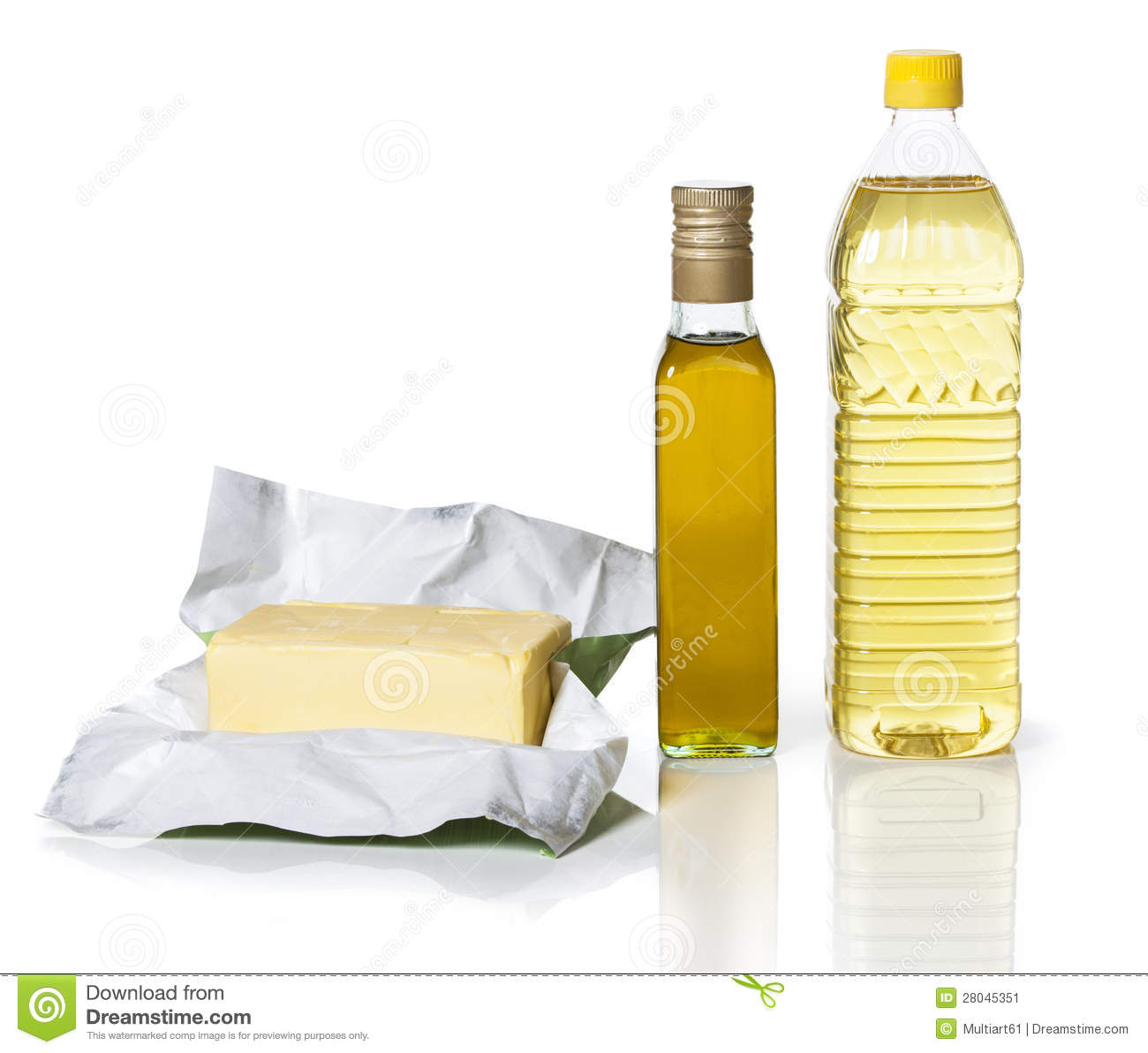
What is the function of carbohydrates?
Perform cell's functions/tasks
Fast energy
Energy storage
Alter other biomolecules
Store information for cells

Select the correct definition for antibiotics.
Chemicals which destroy bacteria.
Chemicals which destroy fungi.
Chemicals which destroy viruses.
Chemicals which destroy parasites.



Ribose
Cellulose
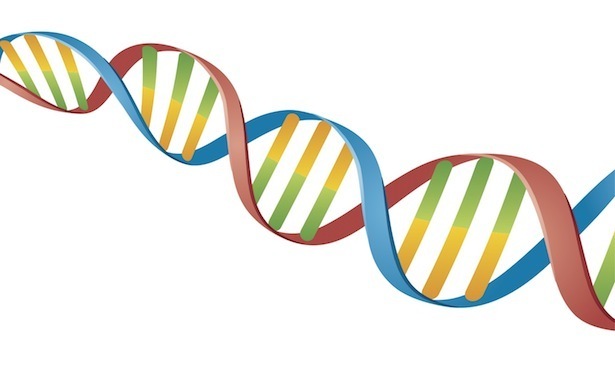
What are the components of a nucleotide?
nitrogen base, phosphate group, and 5-carbon sugar
5 carbon sugar, purine, and pyrimidine
nitrogen base and a phosphate group
DNA, phosphate group, monosaccharide

What part of the nucleotide is labled "A"
Phosphate
Nitrogenous Base
Protein
Sugar (Deoxyribose or Ribose)

