
 Worksheets
Unit 3 Review
Total questions: 65
Worksheet time: 33mins

Substance R?
Iodine
Phosphorus
Gallium
Potassium
The smallest particle of an element
Atom
Proton
Cell
Molecule

__________ and __________ are found in the atmosphere.
Nitrogen and oxygen
Hydrogen and oxygen
Sodium and chlorine
Carbon and phosphorus
Can you change an element into another element? Example: gold to silver
Yes
No
Symbol for hydrogen
H
h
He
he
Symbol for sodium
Na
S
So
N

Phosphorus is found in...
living matter
oceans
atmosphere
Earth's crust

Hydrogen is found in...
living matter, oceans
atmosphere, living matter
oceans, atmosphere
atmosphere, living matter, oceans
Water - element or not element?
Element
Not element
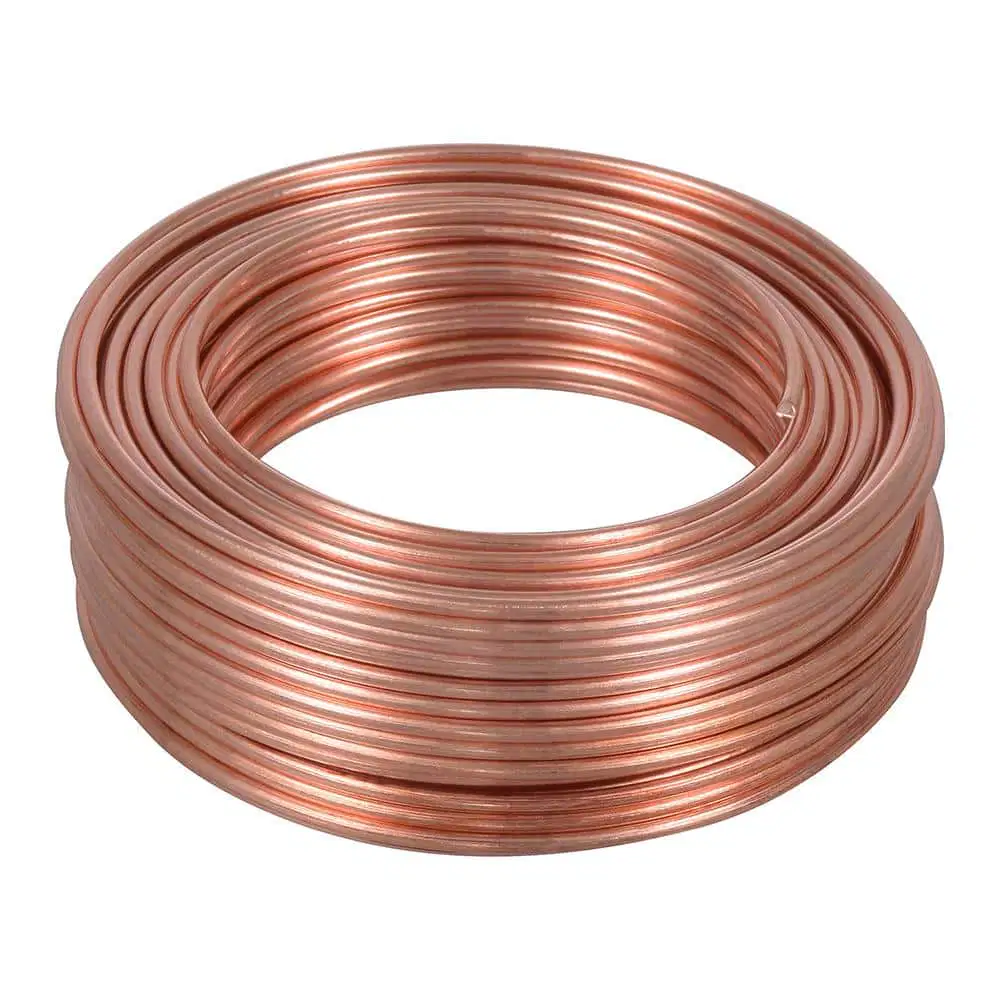
Copper wiring - element or not element?
Element
Not element
Symbol for chlorine
Cl
Ci
CL
C
Elements are made from only ____ type(s) of atom.
one
two
three
four

_________ is found in living matter, the oceans, and the atmosphere.
Oxygen
Hydrogen
Nitrogen
Carbon
Which describes elements?
pure substances
impure substances
tiny particles of matter
can be broken down
Symbol for calcium
Ca
Cl
CA
ca
Why is water not an element?
It is made of two elements - hydrogen and oxygen
It is made of two elements - helium and oxygen
It is made of three elements - hydrogen, oxygen, and sulfur
It is made of three atoms
Elements that are solid, shiny, and can be melted and flattened
Metals
Nonmetals
Metalloids
Able to carry heat and electricity
Ductility
Malleability
Conductivity
Luster
Ability of an object to reflect light (shiny or dull)
Ductility
Malleability
Conductivity
Luster
Elements that have properties of BOTH metals and nonmetals
Metals
Nonmetals
Metalloids
Which elements are semiconductors?
Metals
Nonmetals
Metalloids
Ablility to be flattened by pressure (hammered flat)
Ductility
Malleability
Conductivity
Luster
Ability to be stretched into thin wires without breaking
Ductility
Malleability
Conductivity
Luster
Ductile
Metal
Nonmetal
Not ductile
Metal
Nonmetal
Usually shiny
Metal
Nonmetal
Not malleable
Metal
Nonmetal
Good conductor
Metal
Nonmetal
Usually dull (no shine)
Metal
Nonmetal
Malleable
Metal
Nonmetal
Poor conductor
Metal
Nonmetal
I have an object that is dull, brittle, and an insulator. What is it?
metal
nonmetal

The table shows the classification and state of four elements. Which element most likely has a shiny luster?
Cobalt
Hydrogen
Carbon
Arsenic

What are the correct headings for columns A, B, and C?
Nonmetal, metalloid, metal
Metal, nonmetal, metalloid
Nonmetal, metal, metalloid
Metalloid, nonmetal, metal

A
B
C
D
E

Leaves changing color
Physical change
Chemical change

Sugar is dissolved in water
Physical change
Chemical change

Ice melting
Physical change
Chemical change

Tearing paper
Physical change
Chemical change

Mixing flour, sugar, salt, and eggs for a cake
Physical change
Chemical change

Glass shattering
Physical change
Chemical change

Baking a cake
Physical change
Chemical change

Grinding chalk into powder
Physical change
Chemical change

Physical change
Chemical change
A student observes sugar as it is heated and burns.
Which of the following is evidence of a chemical change?
Heat is added to the sugar.
The sugar melts and becomes liquid.
The sugar turns black.
No evidence of a chemical reaction is present.

Cooking an egg on the stove
Physical change
Chemical change
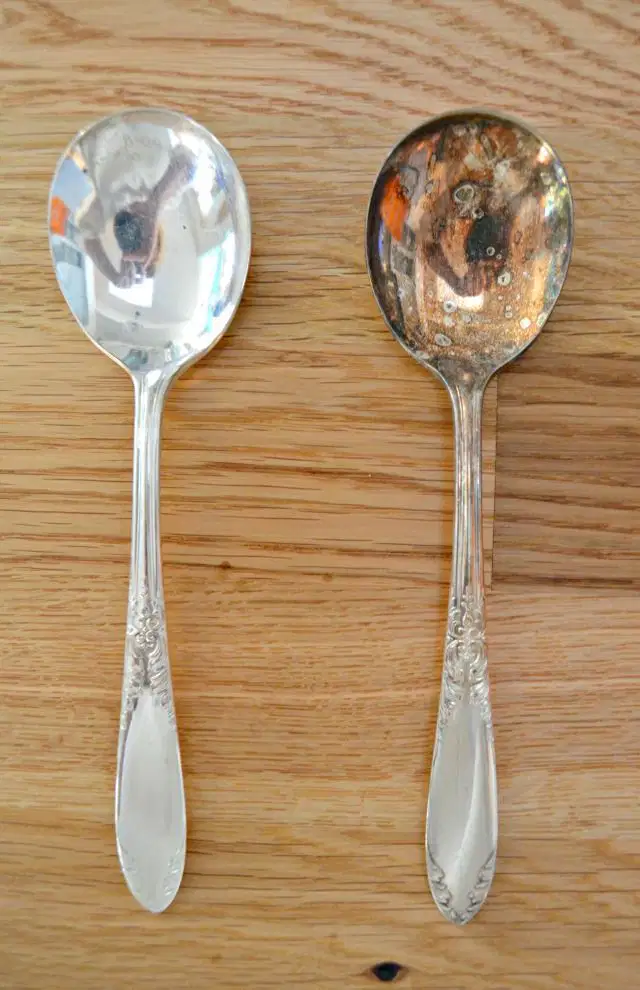
Metal (silver) tarnishes
Physical change
Chemical change

Wood in a campfire
Physical change
Chemical change

A student mixes two liquid solutions and instantly a precipitate (solid) forms.
Physical change
Chemical change
Two substances are combined and after a few minutes, the temperature has increased by 5 degrees Celsius.
Physical change
Chemical change

Crushing a can
Physical change
Chemical change

Juice freezes
Physical change
Chemical change

Water boiling
Physical change
Chemical change

Burning charcoal
Physical change
Chemical change

Melting iron
Physical change
Chemical change

Chopping firewood
Physical change
Chemical change
You drop two Alka-Seltzer tablets in a glass of water and immediately see bubbles.
What evidence proves there was a chemical change?
Color change
Temperature change
Precipitate formed
Gas was produced
Does not produce a new substance
Physical change
Chemical change
Always produces a new substance
Physical change
Chemical change
Two substances are combined. After a few minutes, the temperature has decreased by 10 degrees Celsius.
Physical change
Chemical change
Usually not reversible (permanent)
physical change
chemical change
Often reversible (can be undone)
physical change
chemical change
Brittle, weak
Metal
Nonmetal
Water is broken apart into hydrogen and oxygen gas
Physical change
Chemical change
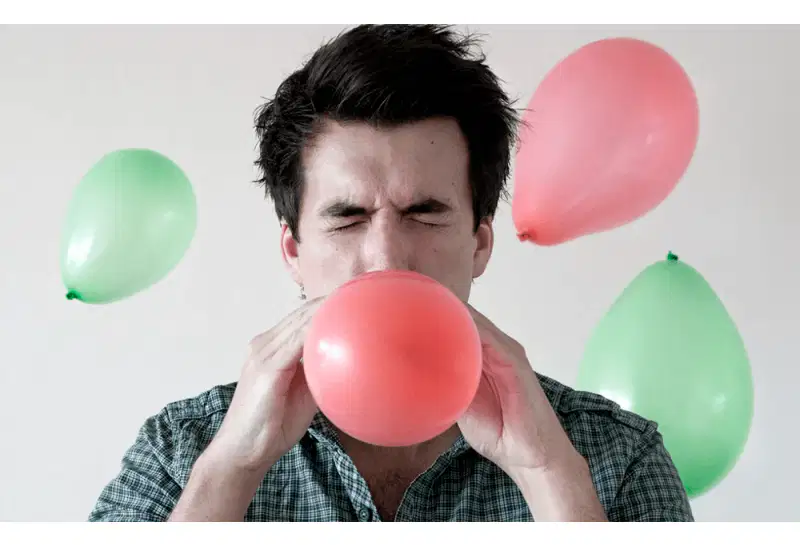
Inflating a balloon (changing its size and shape)
Physical change
Chemical change

