
 Worksheets
Building Services Health and Safety
Total questions: 70
Worksheet time: 36mins
What is the first step to take in case of a fire emergency?
Activate the fire alarm
Call the fire department
Evacuate the building
Try to extinguish the fire with water
What are the three elements of the fire triangle?
water, heat, and oxygen
fuel, heat, and oxygen
fuel, cold, and oxygen
fuel, heat, and carbon dioxide
Why is it important to have fire extinguishers in buildings?
To scare away intruders.
To use as a decorative item.
To quickly extinguish small fires and prevent them from spreading.
To create a cozy atmosphere in the building.
What are the different classes of fire extinguishers?
Class A, Class B, Class C, Class D, and Class K
Class X, Class Y, Class Z
Class 1, Class 2, Class 3
Type A, Type B, Type C
What are the common electrical hazards in building services?
inadequate lighting, malfunctioning elevators, fire hazards, structural instability, lack of emergency exits
pest infestation, mold growth, air pollution, asbestos exposure, inadequate insulation
water leaks, poor ventilation, slippery floors, broken windows, faulty plumbing
faulty wiring, overloaded circuits, exposed electrical parts, improper grounding, lack of electrical safety measures
What safety precautions should be taken when working with electrical equipment?
Use metal tools, avoid grounding, work on live circuits, don't use personal protective equipment, keep work area wet, ignore lockout/tagout procedures, don't inspect or maintain equipment, overload circuits, keep flammable materials nearby, ignore manufacturer's instructions
Use non-insulated tools, don't worry about grounding, work on live circuits, don't use personal protective equipment, keep work area cluttered and wet, don't follow lockout/tagout procedures, don't inspect or maintain equipment, overload circuits, keep flammable materials nearby, ignore manufacturer's instructions
Use damaged tools, don't worry about grounding, work on live circuits, don't use personal protective equipment, keep work area cluttered and wet, don't follow lockout/tagout procedures, don't inspect or maintain equipment, overload circuits, keep flammable materials nearby, ignore manufacturer's instructions
Use insulated tools, ensure proper grounding, avoid working on live circuits, use personal protective equipment, keep work area clean and dry, follow lockout/tagout procedures, inspect and maintain equipment, avoid overloading circuits, keep flammable materials away, follow manufacturer's instructions
What are some examples of hazardous materials commonly found in building services?
sulfuric acid, hydrochloric acid, nitric acid, phosphoric acid
plutonium, uranium, radon, cesium
asbestos, lead, mercury, formaldehyde, PCBs
chlorine, ammonia, bleach, gasoline
What are the potential health risks associated with exposure to hazardous materials?
Headache, dizziness, and nausea.
Allergic reactions and asthma attacks.
Muscle pain and fatigue.
Respiratory problems, skin irritation, organ damage, cancer, and death.
What is the purpose of personal protective equipment (PPE) in building services?
To protect workers from potential hazards and injuries in the workplace.
To enhance the appearance of workers in the workplace.
To provide comfort and convenience to workers in the workplace.
To increase productivity and efficiency in the workplace.
What are some examples of PPE that should be used in building services?
hard hats, safety goggles, noise-canceling headphones, aprons, and steel-toed shoes
face masks, lab coats, knee pads, and rubber gloves
safety vests, respirators, safety harnesses, and work gloves
safety helmets, safety glasses, ear protection, gloves, and safety boots

When working with a substance should you ever smell it to determine if it could cause you harm?
Yes it's usually fine to do this.
Only if you have been trained.
No absolutely not.
Only in a well ventilated area.

Which of the following statements is true?
It is acceptable to wash your hands with thinners when using paint.
It is acceptable to wash your hands with thinners if you have used barrier cream beforehand.
It is acceptable to clean your hands with thinners anytime.
It is not acceptable to clean your hands with thinners.

Do all protective gloves give the same protection to your hands when working with chemicals?
Yes, if they are long enough to cover your arms.
Yes, all safety gloves are the same.
No, they are all designed to give different types of protection.
Yes, if used with the right barrier creams.

Which two of the following animals carry Weil's disease?
Sheep
Rats
Cats
Dairy cattle
Pigs.

If you suspected that Asbestos was present where you were working on a renovation project what would you do?
Remove it to save time.
Stop work and seek advice before proceeding.
Ignore it and keep on working.
Remove it carefully and place it in the skip.

Which of the following could be a consequence of working in direct sunlight for prolonged periods?
Blood cancer
Dermatitis
Skin cancer
Acne.

Inhalation of Asbestos dust could cause which of the following?
Skin irritation.
Asthma
Leptospirosis
Cancer
Stomach ulcers.

What should be provided for operatives working in all weather conditions on a registered CDM project?
Hot lunches.
A drying room.
A shower.
Transport to the job.

When working with wet cement or concrete why is it important to wear protective gloves?
Gloves are not needed.
To prevent dermatitis.
To keep your hands from getting cold.
To stop cuts and abrasions.
What are employers required to provide as a minimum for hand washing on site?
Hot water and hand driers.
Hot and cold water with soap and drying facilities.
Running cold water and paper towels.
Water soap and roller towels.
Occupational dermatitis is commonly caused by being exposed to what?
Sunlight.
Soap and water
Cement
Excessive noise
Skin cancer can be caused by prolonged exposure to which of the following?
Barrier creams
Eye wash
Soap and water.
Mineral oils.
Why is personal hygiene important?
So people will talk to you.
To be CoSHH compliant.
So you don't smell.
To remain in good health.
Leptospirosis is more commonly known as which of the following?
Measles
Mumps
Weil's disease.
Flu.

The main cause of Vibration white finger is?
Old age.
Constant cold or wet hands.
Overusing vibrating tools
Not wearing gloves.
In which of the following situations would you most likely to be exposed to Weil's disease?
Working on a roof structure.
Working at height on a scaffold.
Working on the ground near to water.
Working on a MEWP.
When should you apply barrier cream to your hands?
When you have finished your work.
When you received first aid.
Before you start work.
Before you eat.
Before eating you should always.
Go to the toilet.
Wash and dry your hands thoroughly.
Make sure that a space has been reserved in the canteen.
Remove your work boots.
The site toilets are regularly found to be out of order. they constantly get damaged by someone you know, what should you do?
Not use the toilets until they are fixed.
Take no action as they always get fixed.
Report the matter to your supervisor including the name of the person responsible for the damage.
Fix the damage yourself.
How often should Welfare facilities be cleaned?
At least once a week.
Every day at the end of a shift.
As many times as needed to maintain good hygiene standards.
Every morning before the shift begins.
Before any Health inspections take place from the safety representative.
Under the CDM Regulations when do adequate facilities need to be provided before the project begins on site?
If the work is going to take more than a week.
If there are 3 people working for a full week of 40 hrs.
If the work is going to take more than 30 days or 500 person days.
Facilities should be provided for every site.
What recommendations are given to stop the spread of COVID-19 during "lockdown"? (Tick all that apply.)
Wash you hands and keep at least 2 meters apart.
Wash you hands for more than 20 seconds.
Wear a face mask and gloves.
Stay at Home.
Don't visit friend and family.

What is the correct colour for underground electric service ducting?
Pink?
Yellow
Orange
Red or Black

What is the colour for Telecommunications ducting ?
Blue?
Yellow?
Orange?
Grey?

What should you do before installing any service box?
Ask how to fit it?
Read through the installation instructions?
fit it as quickly as possible?
Put it in and leave it?

What is the colour of Gas service ducting?
Black?
Red?
Green?
Yellow?

What is the colour of Water services?
Blue?
Green?
Pink?
Black?

What should you do before working by any services?
Check it's isolated?
Switch it On first?
Just carry on ?
Be carefull?

What must you do before nailing skirting board to the wall?
Check for electric cables
Check for water pipes
Check for locations of gas, water and electric. services.
Check for gas pipes
What should you form in the floor where there are important service junctions?
A band and tour the world
a Floor trap and record it on a working drawing.
Form a what'sapp group
Nothing, its not your job

What is P.A.T Testing?
An electrical test that must be carried out and updated annually
and identified with a pass date on a red sticker.
A test carried out by Pat
An electrical test that must be carried out and updated annually
and identified with a pass date on a green sticker.
A gas safety check
The HASAWA covers...
All people at work (employers/ employees)
The self-employed
The general public
All of the above
Health and safety policy must be written down and documented if an employer has more than...
2 employees
3 employees
4 employees
5 employees
State one statutory document that specifically regulates working with electrical systems?
LOLER
PUWER
COSHH
The Electricity at work regulations 1989
What does the acronym ACOP stand for?
Approved Codes Of Practice
Appealed Codes Of Practice
Approved Carers Of Practical
Appointed Chief Of Practice
Who would inspect a construction site to ensure that it is safe?
Site Manager
Apprentice
Health & Safety Executive
The Government
What potential risks would you expect to find in a Risk assessment for working in a service excavation tren
Trench collapse
Electrocution
Explosion
Flooding
All of the previous mention risks
What does the acronym SSSTS stand for?
Site Supervisors Safety Training Scheme
Site Scaffolders Safety Training Scheme
Site Supervisors Safety Training Schedule
Site Supervisors Site Training Scheme
How deep can excavations be before they must have their sides supported?
1 M
1.2 M
1.5 M
1.9 M

Which 2 of these would be considered a confined space?
Site Work
Commercial Building
An Attic
A Domestic Premises
Drainage manhole and chamber

Insurance that protects an employer from any damages to a member of the public or public property is called...
Employer's Liability
Supervisor's Liability
Site Liability
Public Liability
What is the description of an accident?
An accident is an unplanned event that results in damage, harm, injury or Death.
An unplanned event that could have potentially resulted and caused damage, harm, injury or death.
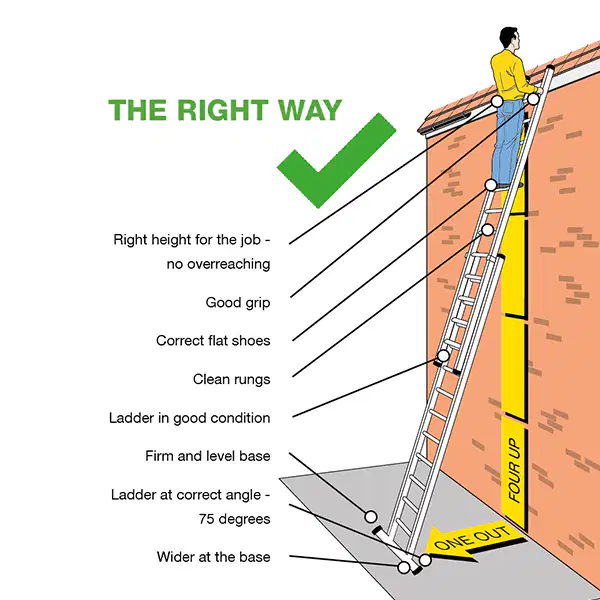
What angle should a ladder be set at?
60 Degrees
75 Degrees
100 Degrees
125 Degrees

Which Regulation covers working at heights?
CDM Regs
Manual Handing Regs
Working at Height Regs
HSE
Which 3 are types of scaffold system?
Tubular scaffolding
Quick stage scaffolding
Portable Access towers
Safety deck
Which of the following environmental issues are health and safety concern?
Silt
Chemical spills
Gas leaks
All of these
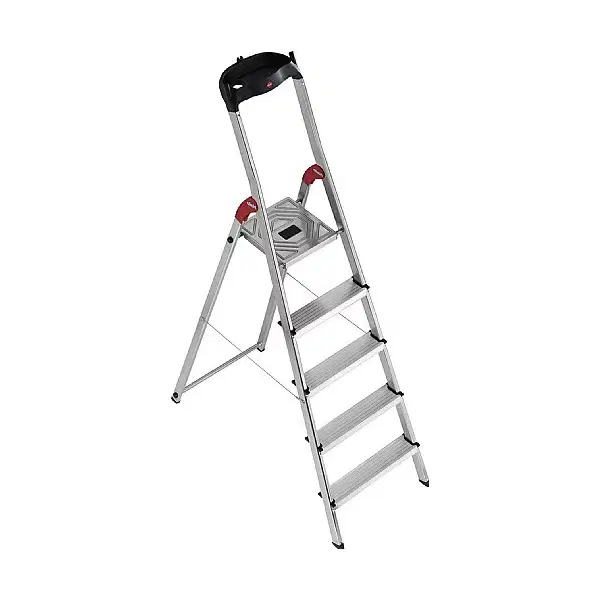
Which class of ladder is used for domestic requirements?
Class 1
Class 2
Class 3
Class 4
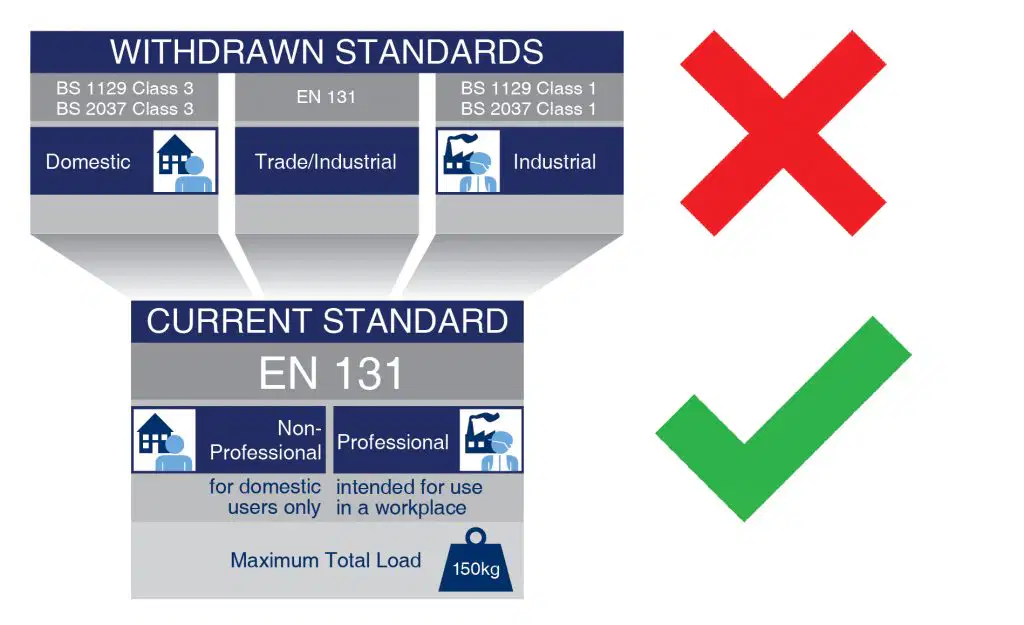
What safety code applies to Step ladders that can be used in the work place?
BS 1129 Class 3
EN 131
BS2037 class 3
Non code required for site step ladders
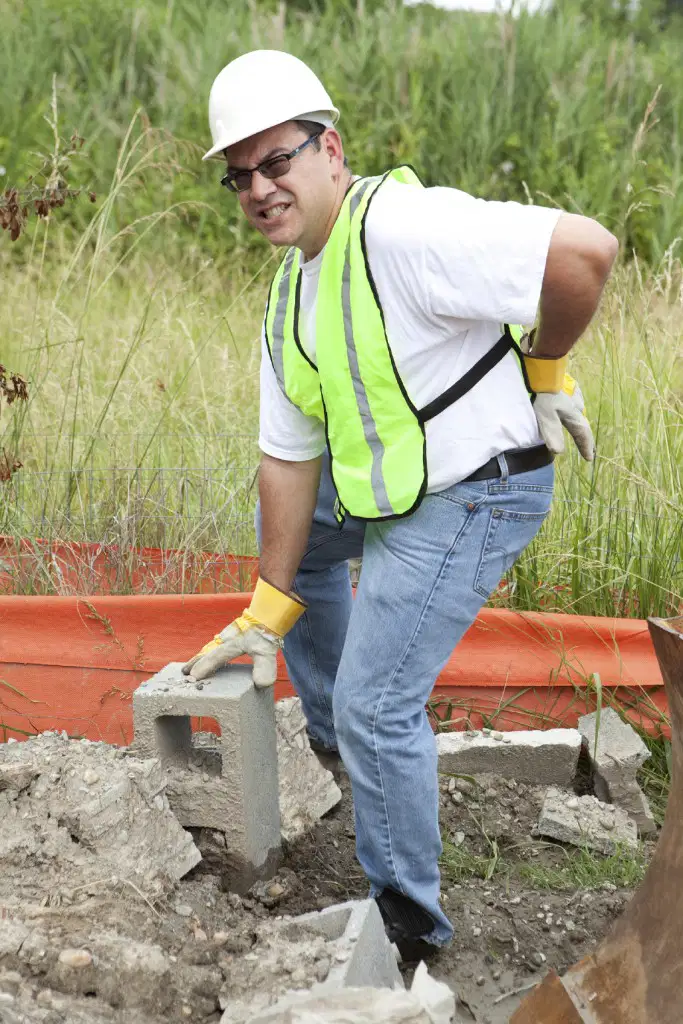
What does the acronym MHOR stand for?
Manual Handling Operations Regulations 1992
Module Health Operations Regulations 1992
Manual Hacksaw Operations Regulations 1992
Machinery Handling Operations Regulations 1992

Likelihood x Consequence is a way of calculating...
Cost
Time
Risk
Results

The HASAWA 1974 states that Heath & Safety is the responsibility of...
Employers
Employees
The Public
All Persons
What does the acronym COSHH stand for?
Control Of Systems Hazardous To Health
Control Of Substances Harmful To Health
Chemical Of Substances Hazardous To Health
Control Of Substances Hazardous To Health
How long does a person have to be off work due to an injury before the incident must be reported to RIDDOR?
More than 2 days
More than 3 days
More than 4 days
More than 5 days
Efficient planning and scheduling techniques would be highlighted in the...
HASAWA
CDM Regs
MHOR Regs
RIDDOR
Which safety sign has a blue background?
Warning
Mandatory
Information
Prohibition
What type of fire is a class A fire?
Soild
Liquid
Gas
Electrical
What type of fire is a class C fire?
Solid
Liquid
Gas
Electrical
What type of fire is a class E fire?
Solid
Liquid
Gas
Electrical
What valve do you have to close to isolate a gas supply?
ECV
Main Consumer Switch
Stop Valve
Isolation Valve
Which valve would isolate both hot and cold supplies in a domestic property?
ECV
Main Consumer Switch
Stop Valve
Isolation Valve

