
Font size
 Worksheets
Energy pie Charts Test 1
Total questions: 40
Worksheet time: 30mins
The faster an object is moving, the more of this energy it has.
Chemical Energy
Nuclear Energy
Radiant Energy
Gravitational Energy
Kinetic Energy
Energy stored in an object's height
Chemical
Kinetic
Nuclear
Gravitational


Nuclear → Electrical
Gravitational → Thermal
Chemical → Motion
Light → Chemical

What is it called when energy is changed into another form?
production or creation
loss or gain
conversion or transformation
In a car engine, gas is burned to turn __________ energy into heat and mechanical (kinetic) energy.
nuclear
chemical
electromagnetic

What form of energy is represented by a rock sitting at the edge of a cliff?
The picture showing the energy conversion
Chemical → thermal
is:


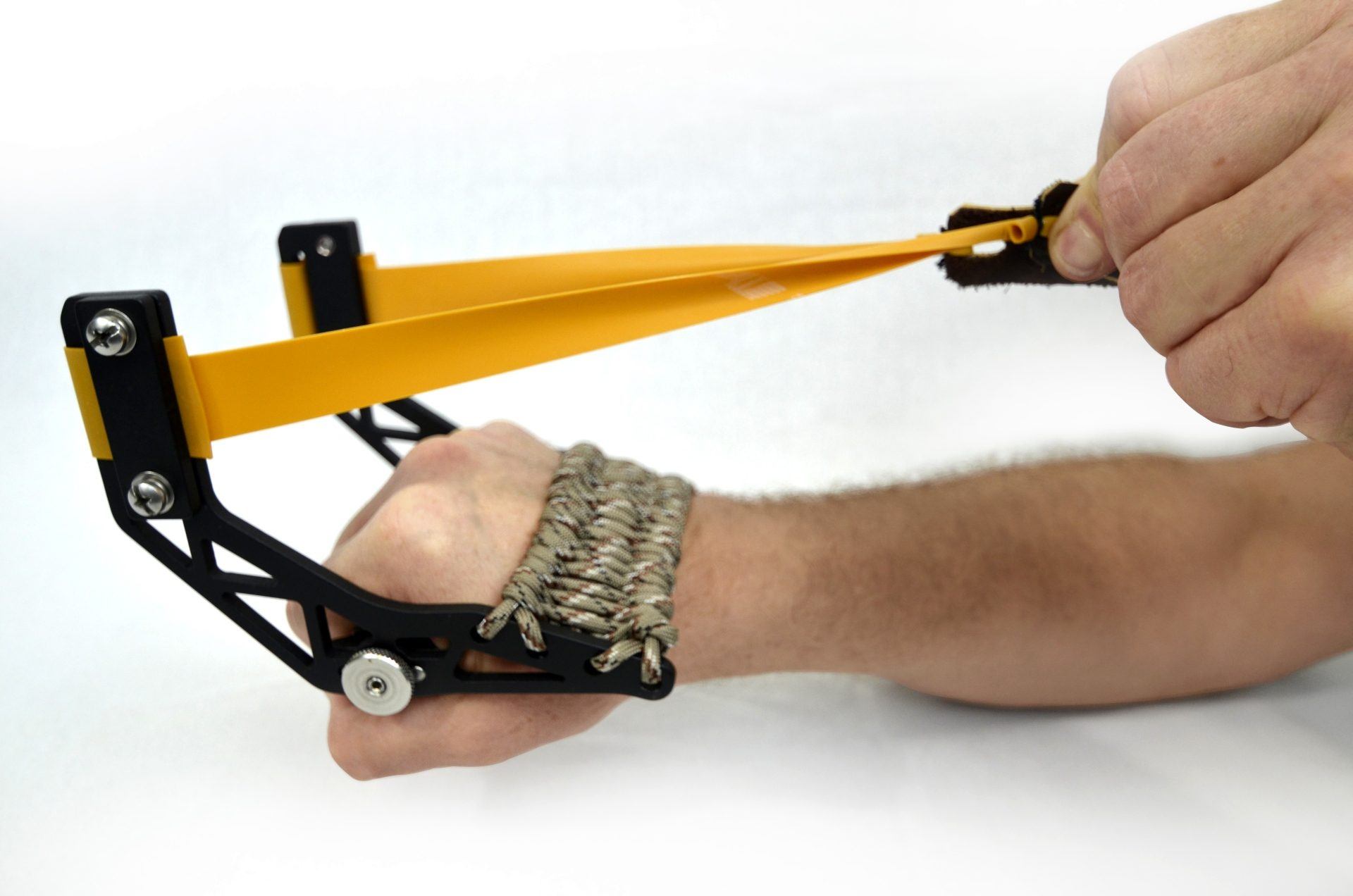
Elastic Potential
Chemical Potential

When you compress a spring, you are storing __________ energy.
sound
elastic
kinetic
chemical

What could this series of pie charts represent?
A battery being charged.
A toy car being charged.
A toy car getting faster over time.
A rollercoaster moving to a stop.
According to the Law of Conservation of energy, the amount of energy before and after a reaction must be the same. Which statement below is true?
When working a problem from the beginning to the end, what does it mean when the overall pie chart (circle) stays the same size?
It means that the types of energy always stay the same
It means that the total amount of energy can change, but we are only looking at a certain amount
It means that the total amount of energy stays the same
It doesn't mean anything, that is just how we draw it
What happens to the chemical energy of a battery as it is used?
The chemical energy increases because the more they are used, the more chemical reactions are occuring
The chemical energy decreases because the energy is converted to another kind of energy
The chemical energy stays the same because the same number of batteries are being used
Chemical energy has nothing to do with batteries


During which position change would the roller coaster be transforming kinetic energy to gravitational potential energy?
At which position would the roller coaster have the lowest gravitational potential energy?
A
B
C
D
Eel represents
electric energy
elevated energy
elastic energy
According to the reading, kinetic energy is represented as
Emove
EK
EngK
KinEn
Which statement(s) are true about thermal waste energy? Click all answers that are correct.
It is abbreviated Eth or Eint
It is still stored in the system but is no longer usable; cannot be transferred back into another mode.
It is lost.
It is created when two surfaces rub against one another.
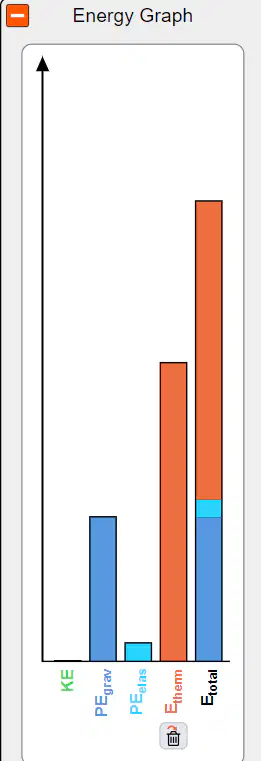
Which answer matches the image?
the mass is midway up being pulled by the spring
the mass is attached to the spring extended to its lowest point
the mass is attached to the spring at its highest point
the mass has stopped and is hanging on the spring after having moved
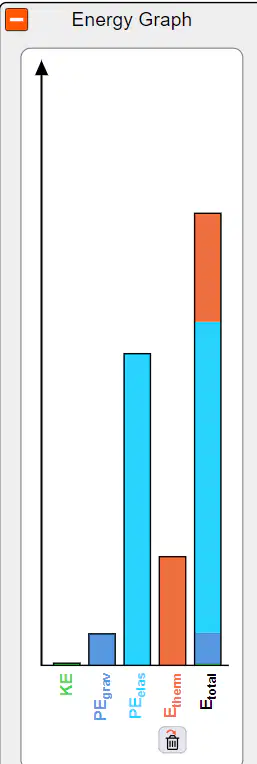
Which answer matches the image?
the mass is midway up being pulled by the spring
the mass is attached to the spring extended to its lowest point
the mass is attached to the spring at its highest point
the mass has stopped and is hanging on the spring after having moved

Which answer matches the image?
the mass is midway up being pulled by the spring
the mass is attached to the spring extended to its lowest point
the mass is attached to the spring at its highest point
the mass has stopped and is hanging on the spring after having moved

Which answer matches the image?
the mass is midway up being pulled by the spring
the mass is attached to the spring extended to its lowest point
the mass is attached to the spring and is almost to the highest point
the mass has stopped and is hanging on the spring after having moved
Friction causes?
light energy to convert to thermal
chemical energy to convert to thermal
kinetic energy to convert to thermal
friction is its own energy
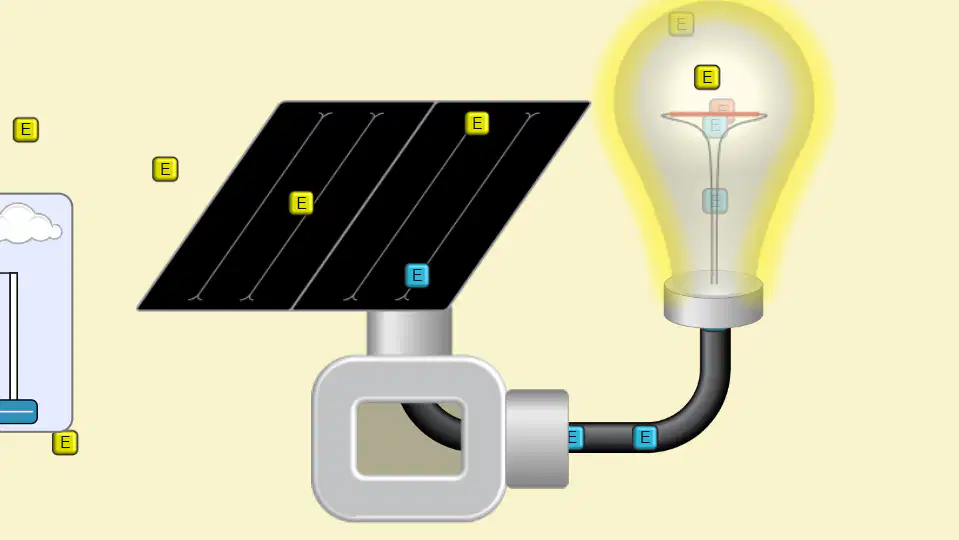
Which answer explains the energy transfer?
kinetic to electrical to thermal
light to electrical to thermal and light
mechanical to kinetic to light to thermal
there is no transfer
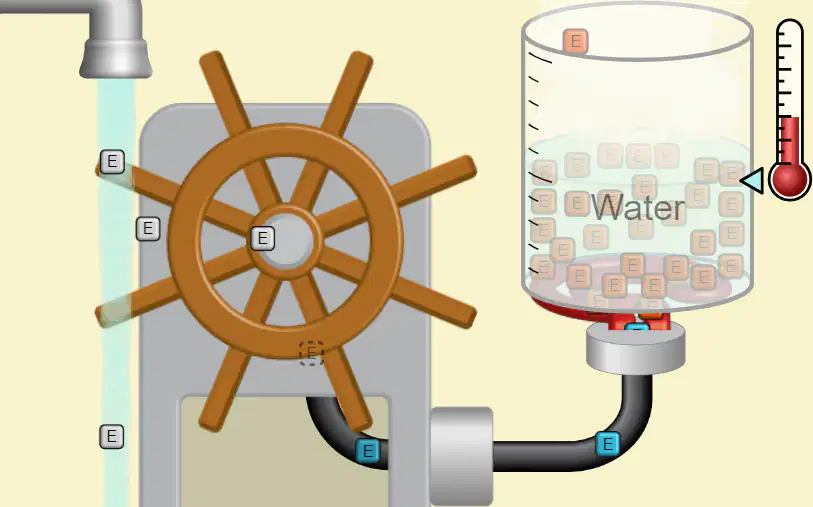
Which answer explains the energy transfer?
mechanical(kinetic) to electrical to thermal
light to electrical to thermal and light
mechanical to kinetic to light to thermal
there is no transfer
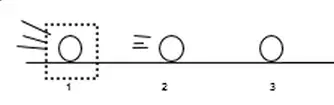
Which pie chart represents ball 2?
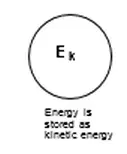
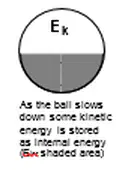
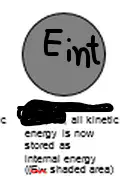
Assume the dark gray is Eint
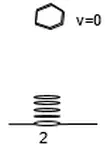
Describe the energy in the object as seen.
Ek
EEl
Eg
Eth
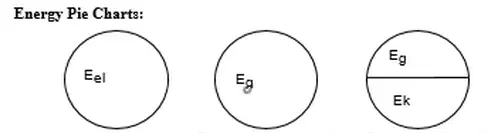
Which pie chart would represent a system of a spring and object compressed on the ground?
first
second
third
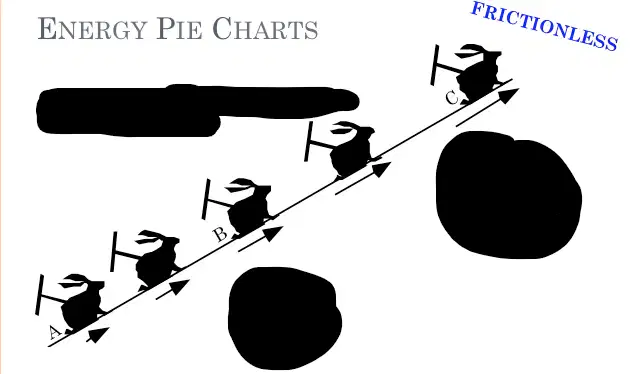
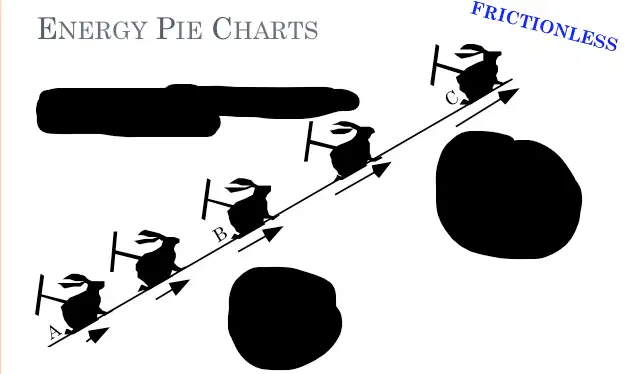
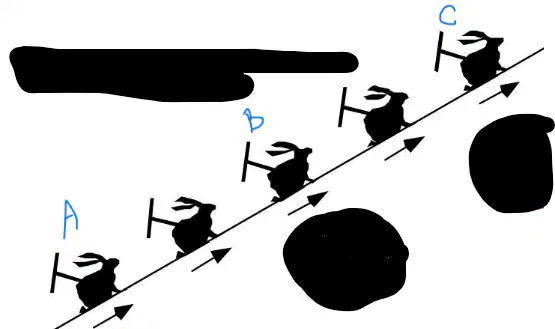
which pie chart is bunny C
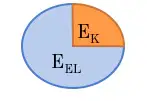
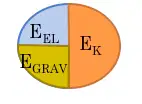
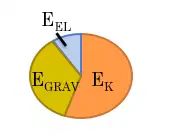
which pie chart is bunny B

which pie chart is bunny A

In which image does rabbit B closely resemble the pie chart ? Assume all of the tracks are frictionless.

Energy due to a force deforming (changing the position) of an object?
thermal energy
kinetic energy
gravitational energy
elastic energy
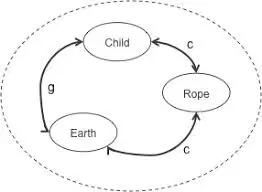
What does the dashed line indicate?
the system and the surroundings
the system of interest
how energy was transferred
the upside down

