
 Worksheets
Carbon Cycle and Human Impact
Total questions: 67
Worksheet time: 43mins
Deforestation
Removing carnivores from a forest
Recycling
Heating homes with fossil fuels
Approximately 75 percent of the Earth's surface is covered in water, but most of it is found in our oceans. Why is freshwater water considered such a precious resource?
Only a small fraction of the Earth's water is freshwater available for drinking and irrigation.
The interaction of sunlight with pollutants produced by fossil fuels
What affect does logging (deforestation) have on the forest ecosystem?
When certain chemicals such as CFC (chlorofluorocarbons) react with Ozone (O3), ozone breaks down to O2 (oxygen gas). Why would this have a negative impact on the climate?
More oxygen causes more storms
More oxygen in the atmosphere increases plant growth
Ozone is part of what protects us from harmful UV radiation.
More oxygen leads to increased human overpopulation and desertification
The ozone hole is actually an area of depleted ozone in Earth’s atmosphere. Which of the following human activities has the greatest contribution to the development of the ozone hole?
The use of oil in automobile engines
The use of airplanes in the atmosphere
The increase in factory emissions
The use of chlorofluorocarbons (cfc’s) in refrigeration
In the 1800s rabbits were introduced for the first time into Australia. Here they had no natural predators and a plentiful food supply. What happened several years after the rabbit was introduced into Australia?
The rabbits began to overpopulate greatly.
Populations of animals competing with rabbits grew.
The rabbit population declined sharply.
New rabbit predators evolved.
The design of air conditioners and aerosol cans that release harmful pollutants into the atmosphere have been changed in the last few years in an attempt to reverse which ecological problem?
deforestation
freshwater pollution
hole in the ozone layer
acid rain
Poisons such as DDT build up in lakes and streams due to runoff. Then they enter the food chain. Once in living organisms, the poisons are not broken down and their concentrations increase as they are passed along the food chain.
Which term best describes this ecological phenomenon?
global warming
loss of biodiversity
biological magnification
loss of genetic diversity
The burning of coal releases sulfur dioxide gas. How might the burning of coal lead to damaged plant life?
Sulfur dioxide can combine with drops of water to form acid rain.
Sulfur dioxide causes the remains of animals to decompose at a faster rate.
Sulfur dioxide gives off heat that raises the temperature of bodies of water.
Sulfur dioxide is a radioactive material that is dangerous for many years.
How are greenhouse gasses harming our environment?
They aren't
Less heat is able to escape causing the Earth to cool down
Less heat is able to escape causing the Earth to warm up
More heat is able to escape
Which of the following is a finite (non-renewable) resource?
Increased industrialization (human developments) will most likely:
Conservation is the act of conserving, or protecting the environment, plants, and animals. What are some simple things you can do to help conserve our environment?
What evidence is there to support that Global Warming is occurring?
Decreasing ocean temperatures
More arctic sea glacers
Sea levels rising
Decrease in carbon dioxide in the atmosphere

Which organism shown in the food chain has the highest concentration of pollutants?
plankton
small fish
large fish
shore bird
What is a disadvantage of wind turbines?
They pollute the air.
They do not pollute
They produce noise and may harm some animals
They are "green" energy
Biomass can be converted into fuel such as biodiesel and bioethanol
True
False
a species that is not native to a particular region and has no natural predators and little competition
consumer species
producer species
invasive species
adapted species


Forest clearing, farming, and road building are all examples of
Biodiversity
Population distribution
Habitat loss
Climate Change
The greatest cause of biodiversity loss today is
Pollution
Habitat loss and change
Climate Change
Invasive species

The ability of an organism to remain unaffected by a harmful agent in the environment
chronic toxicity
acute toxicity
resistance
monoculture

What makes a species invasive?
Finding a new niche in the ecosystem
Organisms that take up too much space
UV rays (sunlight)
CFCs (chlorofluorocarbons)
How can we help to reduce plastic pollution?
We should use paper/cloth bags.
We should use less plastic.
We should refill our drinking bottles not buy new ones.
We should avoid (unikać) plastic or styrofoam containers.
All answers are correct.
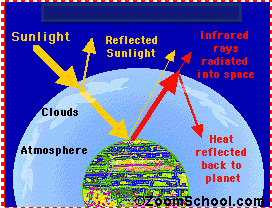
When humans burn fossil fuels, most of the carbon quickly enters the _______ as carbon dioxide.
Water
Atmosphere
Sun
Air
Which one of these does not add CO2 to the atmosphere?
Cooking with gas
Planting trees
Burning wood
Riding in a bus
Which of the following does not produce carbon dioxide?
Photosynthesis
Burning of fossil fuels
Animal respiration
Decay of plants
How do living organisms return carbon to the atmosphere in the carbon cycle?
Respiration and photosynthesis
Decomposition and respiration

In the carbon cycle, which gas do producers take in?
Carbon dioxide
Oxygen
Nitrogen
Carbon monoxide
All of the carbon in existence is continually recycled in the carbon cycle.
True
False
What can organisms become when they do not decompose and are buried?
Water
Nutrients
Air
Fossil fuels
If the plant population decreased, the amount of carbon in the atmosphere would _________.
Stay the same
Increase
Decrease
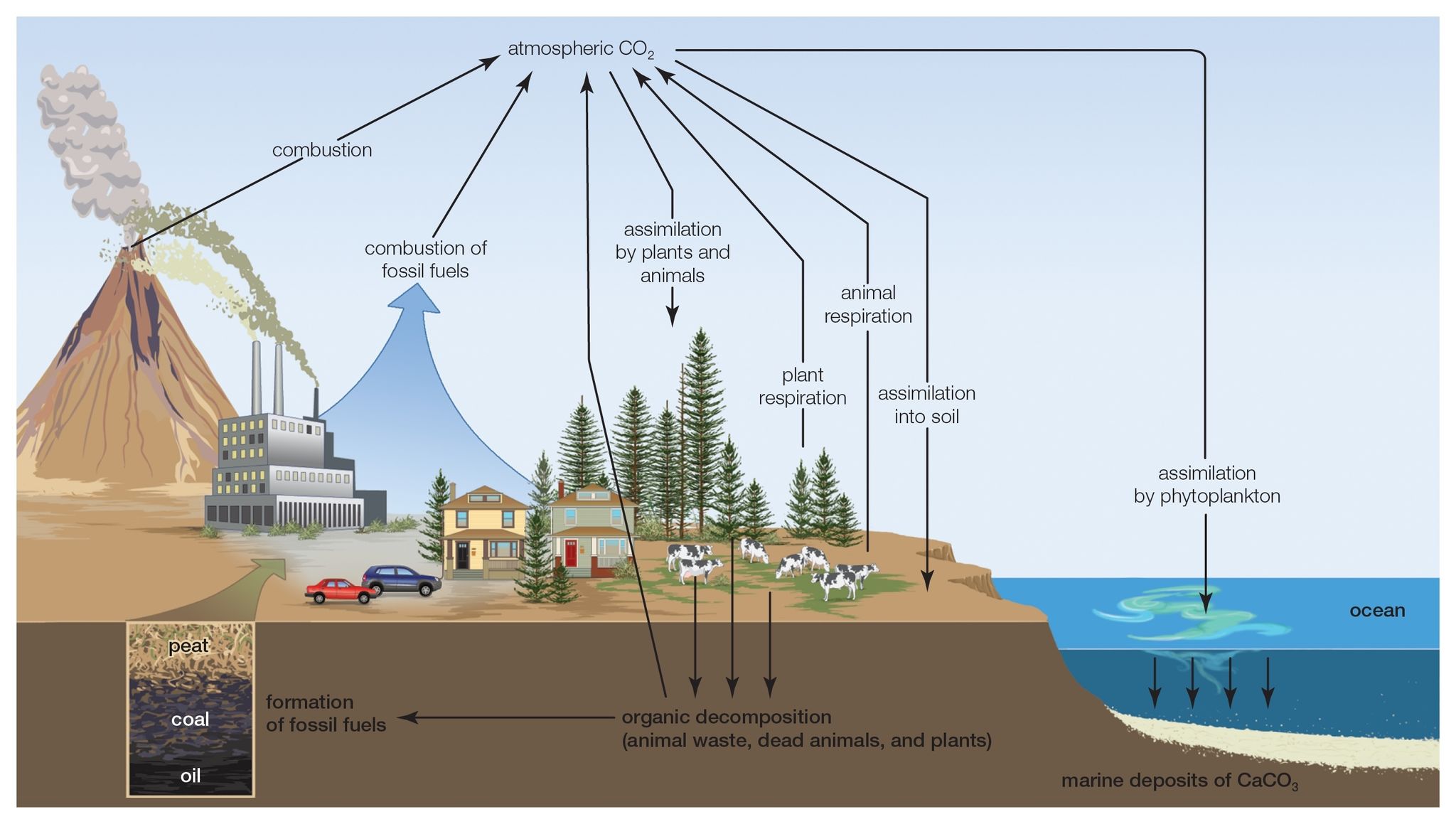
Which of the following contributes to the addition of carbon dioxide to the atmosphere?
Volcanoes
Combustion of fossil fuels
Animal and plant respiration
All of these
The average temperature of the Earth's surface has increased by approximately 1°C in the past century. Which reason best explains this increase in temperature?
Lower levels of ozone in the atmosphere
Lower levels of nitrogen in the atmosphere
Higher levels of carbon dioxide and other greenhouse gases in the atmosphere
Higher levels of oxygen in the atmosphere
With the help of the Sun, plants use the process of photosynthesis to pull carbon dioxide from the air to make ________
leaves
food
roots
nutrients
Where can carbon be found?
In the atmosphere
In the soil
In fossil fuels
All of the above
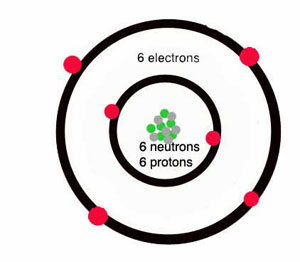
The circulation of the element Carbon among Earth's atmosphere, land, oceans, and organisms is called what?
The Carbon Cycle
The Oxygen Cycle
The Carbon Dioxide Cycle
The Water Cycle
What is CO2?
Carbon Monoxide
Carbon Trioxide
Carbon Dioxide
Oxygen
Which of the following are fossil fuels?
Coal, water, oil
Oxygen, coal, oil
Coal, Oil, Natural Gas
None of the above
Why does an excess of carbon dioxide in the atmosphere cause climate change?
It cools our planet
It blocks out UV rays
It traps heat and warms the planet
It allows light to escape
How does deforestation contribute to greenhouse gases?
By causing the loss of trees that would otherwise remove carbon dioxide from the air
By releasing carbon dioxide when trees are cut
By increasing the amount of oxygen in the air
What is the mixture of gases surrounding the Earth called?
Atmosphere
Carbon
Concentration
Emissions
What process returns the carbon of dead organisms back into the atmosphere?
Respiration
Decomposition
Combustion
Erosion
What are natural resources, such as fossil fuels, that will eventually be used up and can never be replaced called?
Renewable resource
Biofuels
Hydroelectric energy
Nonrenewable resources

This sphere is made up of all the rocks on Earth.
Atmosphere
Biosphere
Geosphere
Hydrosphere


Why is the ocean important to the carbon cycle?
It is a carbon sink that keeps sediment containing carbon underwater for millions of years.
The ocean releases more carbon than it absorbs (increases global warming).
The ocean isn't important to the carbon cycle since it isn’t a carbon sink.
Predict what would happen to the carbon dioxide and oxygen levels in the air if all forests were destroyed.
There would be more oxygen and less carbon dioxide in the air.
There would be more carbon dioxide and less oxygen in the air.
The levels would stay the same.
The levels of both oxygen and carbon dioxide in the air would increase.

