
 Worksheets
Biology EOC Ecology & Systems Practice
Total questions: 60
Worksheet time: 4hrs 50mins
What is an example of a mutualistic relationship in an ecosystem?
Bees and flowers
Lions and zebras
Wolves and rabbits
Sharks and fish
What is the primary source of energy in most ecosystems?
wind
water
fire
sun
What is the process by which carbon is cycled between the atmosphere, plants, and animals?
carbon transformation
carbon recycling
carbon transfer
carbon cycle
What is an example of a predator-prey relationship in a community?
lion and zebra
eagle and rabbit
snake and mouse
shark and fish
What is the term for the variety of species in an ecosystem?
What is the role of decomposers in an ecosystem?
Decomposers help plants grow by providing them with nutrients.
Decomposers produce oxygen through the process of decomposition.
Decomposers are responsible for pollinating flowers in an ecosystem.
Decomposers break down dead organic matter and recycle nutrients.
What is the process by which nitrogen is converted into a usable form by bacteria?
nitrogen fixation
nitrogen conversion
bacterial transformation
nitrogen adaptation
What is an example of a parasitic relationship in an ecosystem?
Squirrel and acorn
Lion and zebra
Tick and dog
Bee and flower
What is the term for the process of maintaining a stable internal environment in an organism?
equilibrium
metabolism
adaptation
homeostasis
What is the main goal of biodiversity conservation?
To protect and preserve the variety of life on Earth.
To prioritize economic development over environmental protection.
To eliminate all species that are not useful to humans.
To exploit and use all natural resources for human benefit.


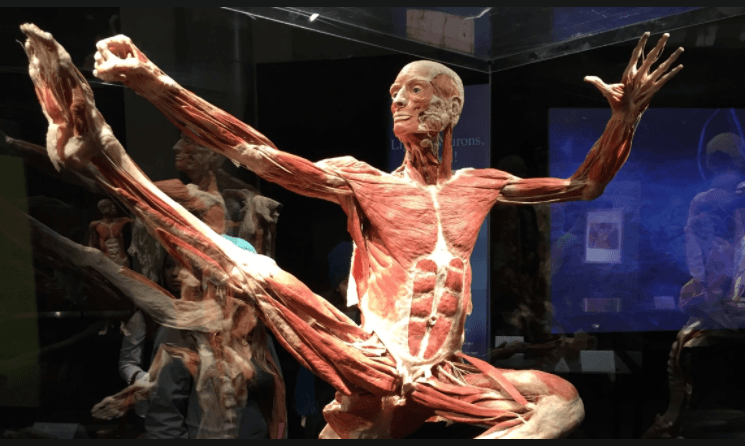


A ____________ is the basic unit of structure and function for all living things.
skin
cell
eyes
heart
A/an ___________________ is a group os tissues that work together to perform a specific job.
organ
cell
skin
What kind of tissue makes your body move?
nerve tissue
connective tissue
muscle tissue
epithlial tissue
A ____________ is the basic unit of structure and function for all living things.
skin
cell
eyes
heart
A/an ___________________ is a group os tissues that work together to perform a specific job.
organ
cell
skin
What kind of tissue makes your body move?
nerve tissue
connective tissue
muscle tissue
epithlial tissue
Which body system is responsible for making us breathe?
digestive system
immune system
excretory system
respiratory system
The main function of the respiratory system is to take in ______________ through the lungs and get rid of carbon dioxide and water.
oxygen
saliva
water
carbon dioxide
The excretory system helps ___________ wastes in the body.
bring in
get rid of
Which organ helps break down wastes into forms that can be excreted and recycles materials?
kidneys
liver
lungs
Which body system eliminates pathogens and sicknesses from invading the body?
excretory system
nervous system
immune system
respiratory system
All of these are layers of the immune system EXCEPT:
breathing passages
mouth
stomach
skin
heart
The brain is the main organ that is part of the _____________ system.
nervous system
immune system
respiratory system
digestive system
the frontal lobe, occipital lobe, parietal lobe, and the temporal lobe are all part of which organ?
the brain
the heart
True or False: the digestive system is responsible for transforming your food into nutrients and energy to keep your body alive.
true
false
The stomach is part of which organ system?
digestive system
respiratory system
excretory system
nervous system
Which is the most important body system?
nervous system
digestive system
respiratory system
immune system
all of the above- they are ALL important!
Carries materials like energy from food and oxygen to the cells in the body
Circulatory System
Digestive System
Respiratory System
Skeletal System
Strong muscle that pumps blood around the body
Heart
Lungs
Veins
Arteries
Liquid part of the blood that delivers nutrients where they are needed.
Blood vessels
Arteries
Plasma
White blood cells
Tubes that carry blood FROM the heart to the rest of the body.
Veins
Arteries
Blood vessels
Heart
Where food enters the body and is chewed up
Mouth
Esophagus
Stomach
Liver
The ________ help fight off germs in the body
White blood cells
Red blood cells
Veins
Arteries
Tubes that carry USED blood BACK to the heart.
Veins
Arteries
Blood Vessels
White blood cells
J-shaped sac that stores food and helps digest it
Stomach
Esophagus
Liver
Gallbladder
Liquid that carries OXYGEN through your body's arteries and veins.
Veins
Arteries
Blood
Heart
Cells that carry oxygen to the organs
Red blood cells
White blood cells
Plasma
Veins
Tube that squeezes food down to the stomach.
Esophagus
Stomach
Mouth
Liver
Hollow tube where food mixes with special juice.
Small intestine
Large intestine
Stomach
Heart
Stores waste and removes water from food.
Large intestine
Small intestine
Liver
Gallbladder

