
Font size
 Worksheets
Unit 2 Review - Scientific Method and Experimental Design
Total questions: 55
Worksheet time: 14hrs 45mins
The higher the temperature of the water, the faster the egg will boil. What is the Independent variable? (The 'cause' in a 'cause-effect' relationship)
The temperature of the water
The egg
The time the egg takes to boil
The type of egg
The higher the temperature of the water, the faster the egg will boil. What is the dependent variable (the effect)
The egg
The temperature of water
The type of water
The time it takes the egg to boil
Albanee is performing a test in which she is trying to see if plants can grow when given fizzy drinks instead of water. She gives one plant water and a second identical plant the same amount of fizzy drink for two weeks. What is the independent variable?
The plants
The amount of liquid
The type of liquid
Sally
Albanee is performing a test in which she is trying to see if plants can grow when given fizzy drinks instead of water. She gives one plant water and a second identical plant the same amount of fizzy drink for two weeks.
What is the dependent variable?
The plants' growth
The amount of liquid
The type of liquid
Sally
Albanee is performing a test in which she is trying to see if plants can grow when given fizzy drinks instead of water. She gives one plant water and a second identical plant the same amount of fizzy drink for two weeks.
What are two constant variables from the experiment?
The type of plants
The amount of liquid
The type of liquid
The plants' growth
This part of the experiment serves as a basis of comparison; the one variable being tested has been omitted.
Experimental group
Control group
Data
Variables
Which shows the correct steps of scientific method?
Problem (question), hypothesis, experiment (procedure), data analysis, conclusion, communicate results
hypothesis, experiment (procedure), data analysis, Problem (question), communicate results, conclusion
Data analysis, hypothesis, communicate results, experiment (procedure), problem (question), conclusion
experiment (procedure), data analysis, hypothesis, problem (question), conclusion, communicate results
What is the act of noticing, noting, and recording facts?
Observation
Problem
Hypothesis
Experiment
Which step in the scientific process involves recording materials and procedures and performing a test to collect data?
Observation
Problem
Hypothesis
Experiment
What is the outcome of an experiment called?
Results
Controlled variables
Control group
Data Table
What is a chart used for organizing and identifying specific information?
Results
Controlled variables
Control group
Data Table
What is a question based on observation that one would like to investigate called?
Hypothesis
Independent variable
Dependent variable
Problem
What are the variables that remain the same or constant in all trials called?
Control variables
Control group
Experiment
Data Table
What is an educated guess using an 'If, Then' format called?
Hypothesis
Independent variable
Dependent variable
Problem
What is a variable that is changed or manipulated by the scientist called?
Hypothesis
Independent variable
Dependent variable
Problem
What is a detailed examination or study of information called?
Analysis
Conclusion
Procedure
Experiment
What is a variable that responds to change and is measured or observed called?
Analysis
Conclusion
Procedure
Dependent variable
What is a comparison group that doesn't receive the studying factor in an experiment called?
Controlled variables
Control group
Experiment
Data Table
What is the first step of the scientific method?
Observation
Problem
Hypothesis
Experiment
What is the second step of the scientific method?
Observation
Problem (Asking Questions)
Hypothesis
Experiment
What is the third step of the scientific method?
Observation
Problem
Hypothesis
Experiment
What is the fourth step of the scientific method?
Observation
Problem
Hypothesis
Experiment
Give the correct symbol: hectogram
g
G
hag
hg
Give the correct symbol: dekaliter
d
dL
daL
Ld
Give the correct symbol: dekaliter
d
dL
daL
Ld
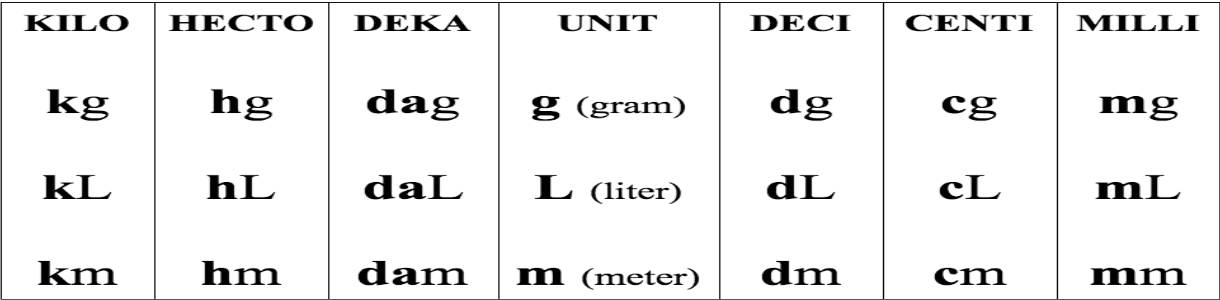
64,600,000 cm = ____ km
646
64.6
6,460
6.46
64,600
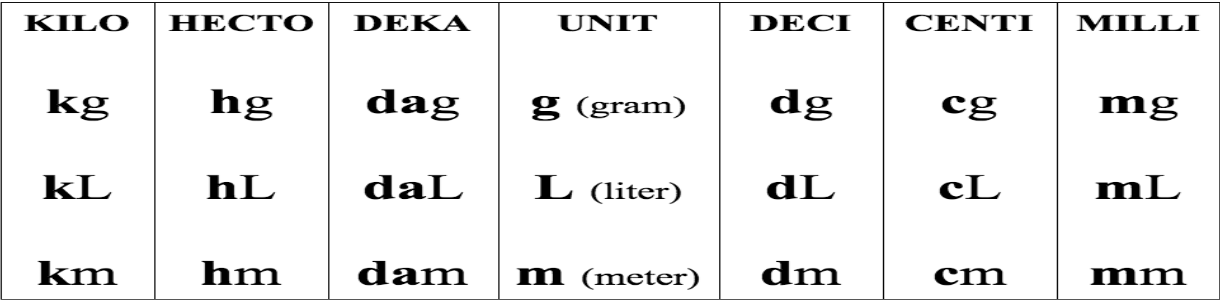
425,000 mL = ___ L
425
42.5
4,250
4.25
42,500
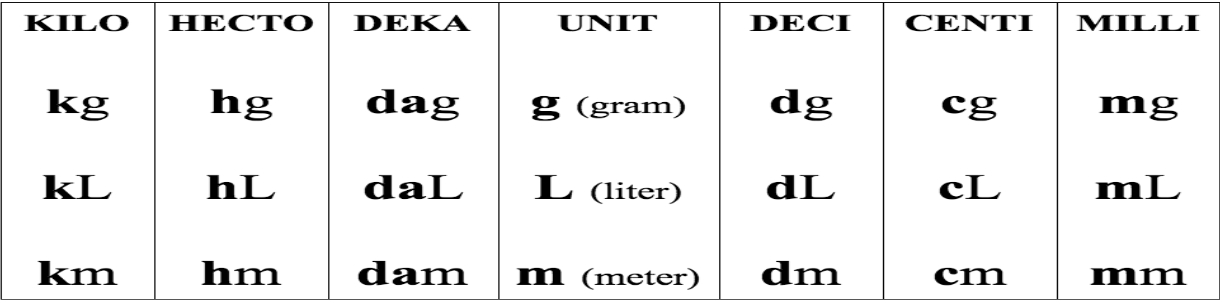
0.000238 m = ___ cm
0.0238
0.238
2.38
0.00238
0.000238
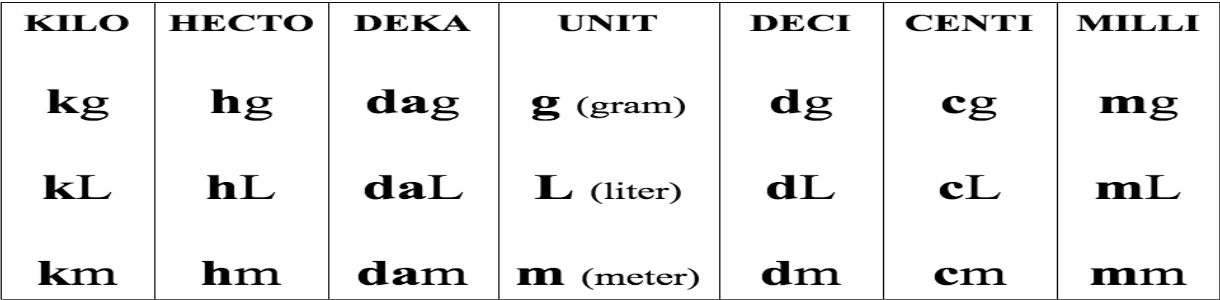
0.00817 km = ___ cm
817
81.7
8.17
0.817
8,170
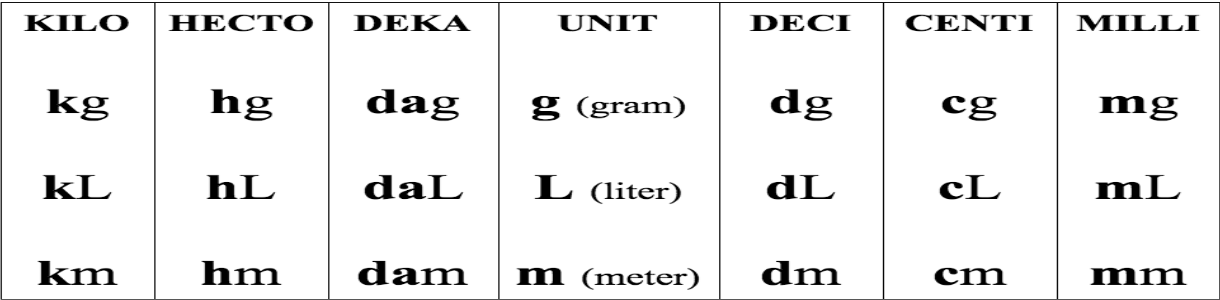
0.0079 cm = mm
0.079
0.79
7.9
0.0079
0.00079
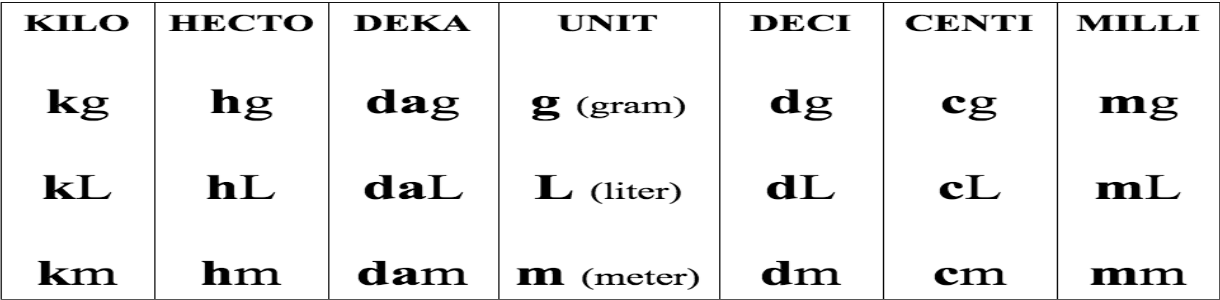
0.00738 L = ___ mL
7.38
73.8
0.738
0.0738
738
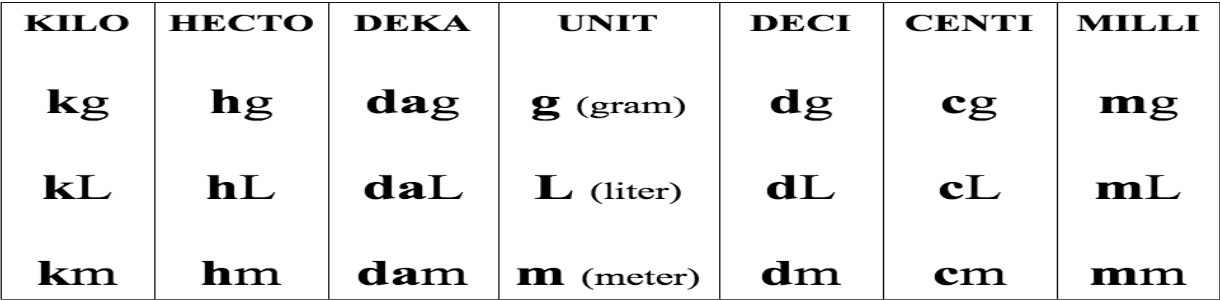
60,800 cm = ___ m
608
6,080
60.8
608,000
6.08

What type of correlation does this graph have?
positive
negative
none
all of the above

What type of correlation does this scatter plot show?
positive
negative
no correlation
nonlinear association
Which type of graph is best suited for comparing different categories or groups?
line graph
pie chart
scatter plot
bar graph
In a line graph, what does the x-axis represent?
The dependent variable or the outcome being measured.
The y-axis values.
The independent variable or the variable being measured or controlled.
The title of the graph.

Based on the graph, how many more students are in the science club than the book club?
20
16
46
18
What is the difference in people between the smallest and largest clubs?
22
18
24
20
In a line graph, the dependent variable is plotted on the _____
x-axis
y-axis
A type of graph that is useful for showing trends or continuous change is a _________________
line graph
bar graph
circle graph
stem and plot graph

Look at the line graph. What do you think will happen to potatoes in 2017?
They will go back up
They will keep going down
They will stay the same
There won't be potatoes.

Describe the trend shown in the graph.
As the volume decreases, the mass stays the same.
As the mass decreases, the volume increases.
As the volume increases, the mass increases.
As the mass increases, the volume stays the same.

Describe the trend in rainfall from January to June in City 1.
As time increases, the monthly rainfall increases.
As time increases, the monthly rainfall decreases.
As time decreases, the monthly rainfall stays the same
As time decreases, the monthly rainfall decreases.
Jaden, Sincere, and Ashante were testing to see which ball, a basketball or volleyball, would bounce higher. Before they did the experiment, each of them guessed what they thought would happen before the experiment.
What part of the scientific method is this called?
a) purpose
b) materials
c) hypothesis
d) data
Degas, Nyasia, and Abriana decided to test which objects in their classroom were attracted to magnets. When their teacher asked why they were doing their experiment, they told their teacher the reason.
What part of the scientific method is this called?
a) purpose (problem statement)
b) materials
c) data
d) hypothesis
Makayla and Trayshawn wanted to test if sugar or salt dissolved faster in hot water. In order to do this, they followed certain steps to complete the experiment.
What part of the scientific method is this called?
What part of the scientific method is this called?
a) data
b) procedure
c) purpose
d) results
Kamiyah and Treyvaughn were testing which balloon rocket would go the fastest. After they did each test, they recorded their findings on a table.
a) hypothesis
b) materials
c) procedure
d) data
Tayshawn and Jacoby were looking at the results of their experiment with glue. They noticed that wood holds tighter together with wood glue than with school glue. They learned that wood glue is best when working with wood.
What part of the scientific method is this called?
a) hypothesis
b) materials
c) procedure
d) conclusion
Astronomers send probes to other
planets to take pictures of their surfaces. An astronomer thinks that briny
water flows on Mars because he noticed certain features in one picture of Mars.
Which method did the astronomer use to form this hypothesis?
Reading scientific literature
Making careful observations
Analyzing a natural experiment
Conducting a controlled experiment
Experiments include many trials, since:
It's fun
Scientists like to stay busy
More trials ensure the hypothesis is ALWAYS correct
More trials increase accuracy of results


