wayground logo

Free Printable Worksheets

Font size

S
M
L
XL
Worksheets

NOS and Measurement

Total questions: 58

Worksheet time: 37mins

Name
Class
Date
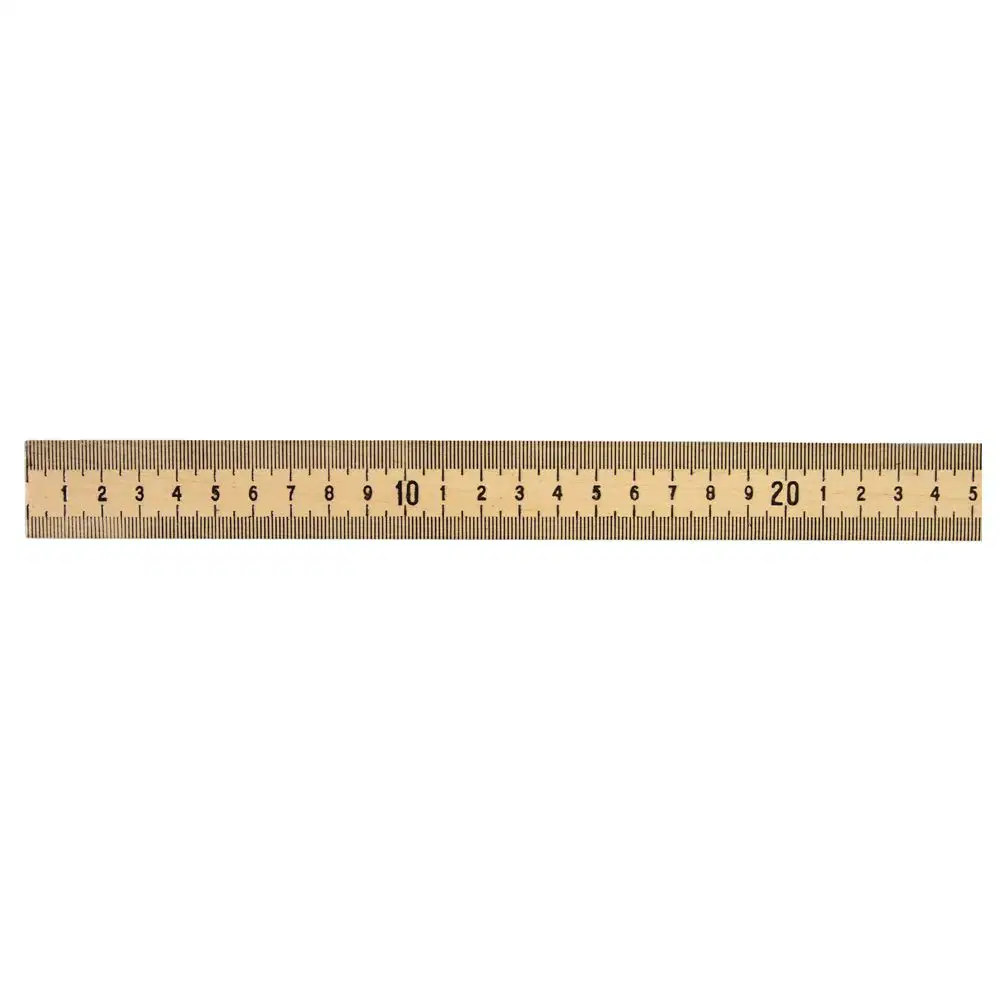
1.
What is this scientific tool?
a)
beaker
b)
tube
c)
graduated cylinder
d)
balance
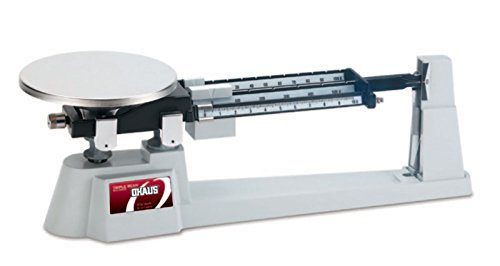
2.
What is this scientific tool?
a)
beaker
b)
tube
c)
graduated cylinder
d)
balance
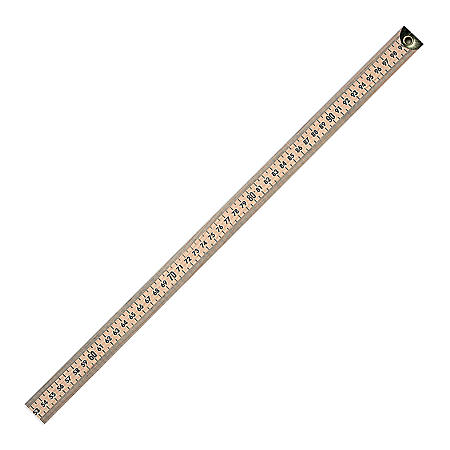
3.
What is this scientific tool?
a)
beaker
b)

meter stick

c)
graduated cylinder
d)
balance
4.
What is this scientific tool?
a)
beaker
b)

meter stick

c)
graduated cylinder
d)
balance
5.
The metric unit of measurement for length is the: 
a)
gram
b)
liter 
c)
meter
d)
cm
6.
What is the volume of liquid in this graduated cylinder?
a)
40.0 mL
b)
40.3 mL
c)
43.0 mL
d)
44.0 mL
7.
At which point should your eyes be when you read a graduated cylinder? (Hint: see the letter next to the eye)
a)
A
b)
B
c)
C
8.
Calculate the volume of the rock
a)
10.0 cm3
b)
16.0 cm3
c)
30.0 cm3
d)
40.0 cm3
9.
What is the volume of the fish?
a)
18.0 cm3
b)
6.0 cm
c)
38.0 cm3
10.
How much water should be added to raise the volume to 20mL?
a)
1.0 mL
b)
2.0 mL
c)
3.0 mL
d)
4.0 mL
11.
Using your senses to gather information.
a)
hypothesis 
b)
observation 
c)
seeing 
d)
guessing 
12.

The correct abbreviation for milliliter is..

a)

ML

b)

Mil

c)

mL

d)

mll

13.
The basic unit of metric volume is called a_____.
a)
Kilogram
b)
milligram
c)
Liter
d)
milliliter
14.
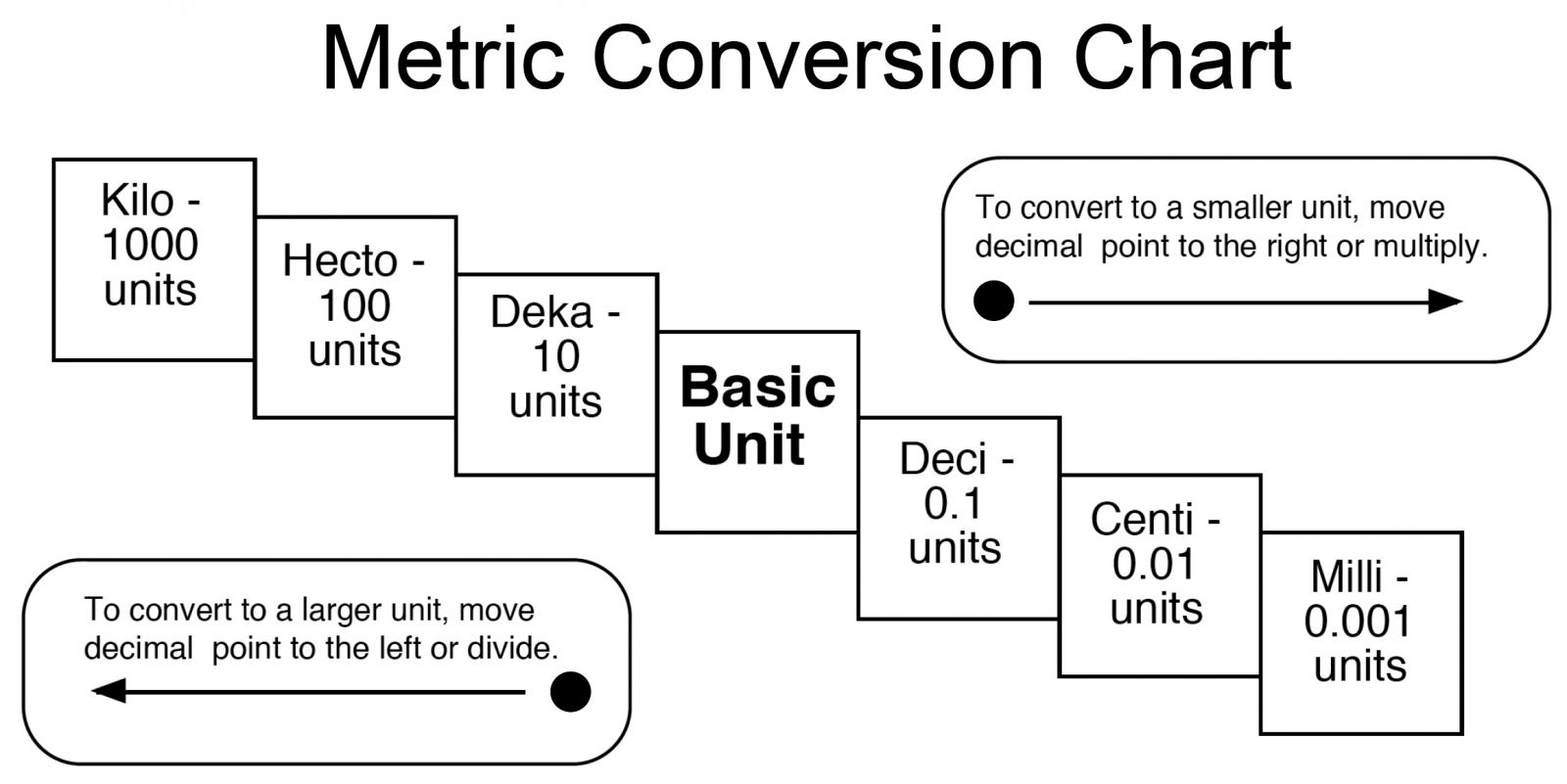
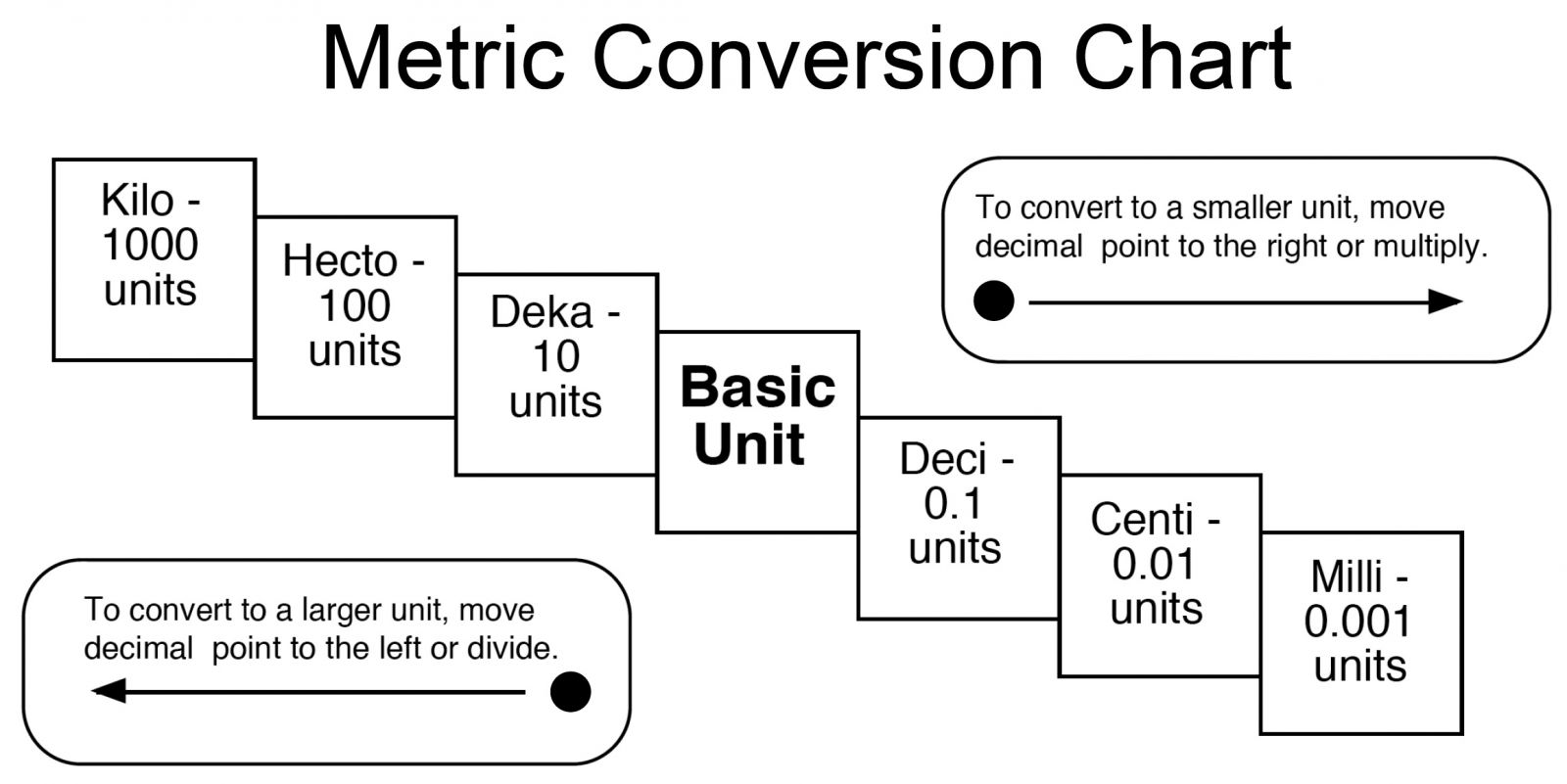
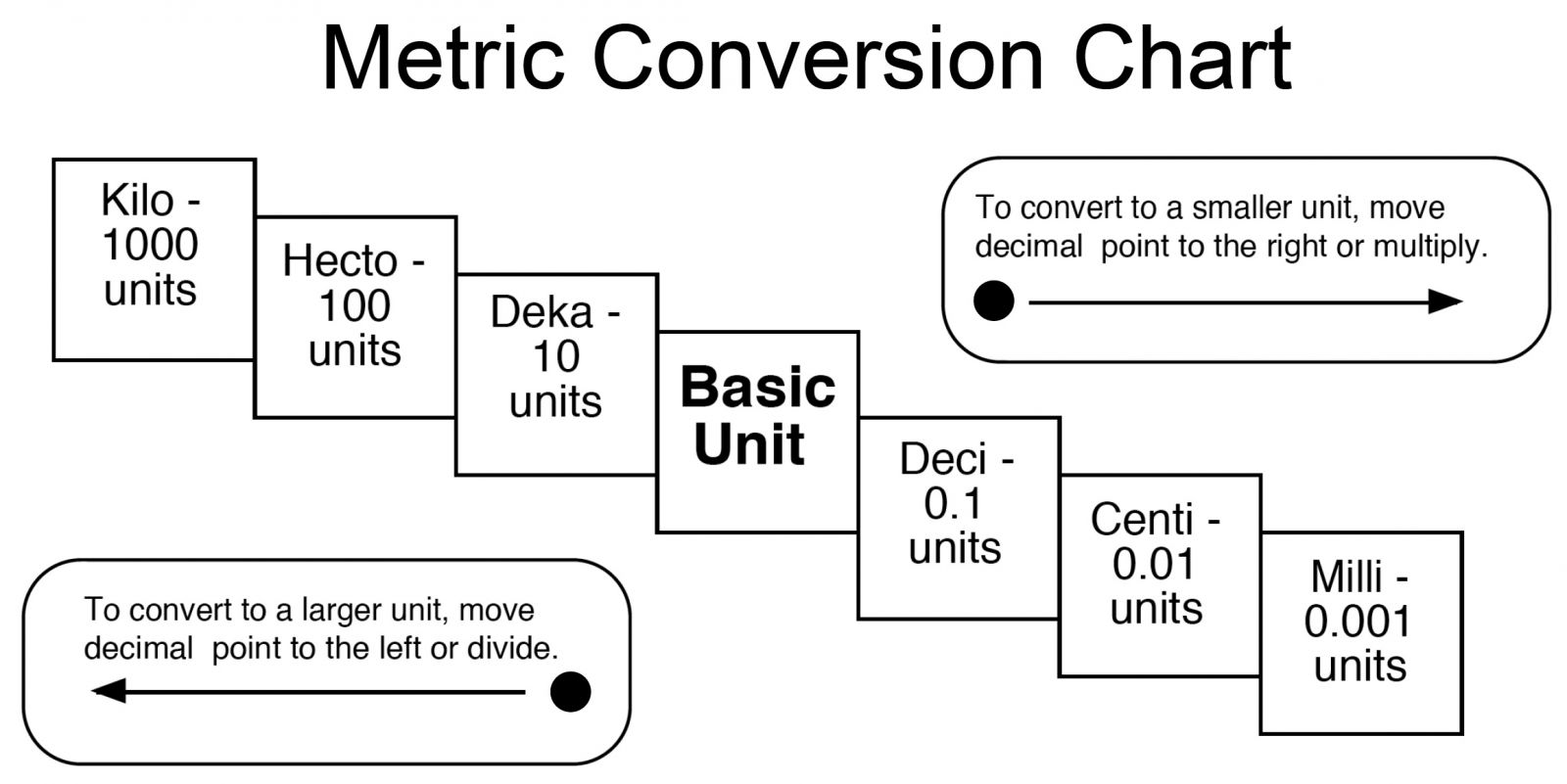
How many cm's is in a meter?
a)
1000
b)
10
c)
100
d)
1
15.
The width of a kernel of corn would be about...
a)
4 cm
b)
4 mm
c)
4 m
16.

The appropriate abbreviation of centimeter is..

a)

cm

b)

Cm

c)

cent

d)

CM

17.
The abbreviation for gram is...
a)
G
b)
gg
c)
g
18.
m stands for....
a)
millimeter
b)
meter
c)
centimeter
d)
Liter
19.
What is the length of the eraser?
a)
3 cm 
b)
2 cm 
c)
5 cm
d)
7 cm
20.
Using your senses to gather information.
a)
hypothesis 
b)
observation 
c)
seeing 
d)
guessing 
21.
What number is the metric system based?
a)
10
b)
20
c)
1
d)
100
22.
The base unit of metric length.
a)
Meter
b)
Liter 
c)
Gram
d)
Metric
23.
The base unit for mass is the
a)
Meter
b)
Gram
c)
Metric
d)
Liter
24.
What is the mass reading on the triple beam balance?
a)
336.8 g
b)
336.8 m
c)
306.8 g
d)
306.8 m
25.
20,000 cm = ____ m
a)
200
b)
2,000
c)
20
d)
200,000
26.
80 mm = ____ cm 
a)
.8
b)
800
c)
8
d)
8,000
27.
5,000 m = _____ km
a)
50
50
b)
500
c)
5
d)
50,000
28.
The volume of water in a graduated cylinder in 12 mL. A marble is dropped in & the volume raises to 15 mL. What is the volume of the marble?
a)
3 mL
b)
12 mL
c)
15 mL
d)
27 mL
29.

Two tools used to find the volume of an object are the:

a)

ruler and graduated cylinder

b)

triple beam balance and ruler

c)

graduated cylinder and triple beam balance

d)

test tube and graduated cylinder

30.

Name the lab equipment in the picture.

a)

pipette

b)

syringe

c)

graduated cylinder

d)

measurement dropper

31.
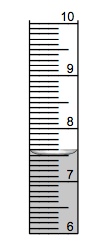
What is the volume of the liquid in this graduated cylinder?
a)
8.5 mL 
b)
7.5 mL 
c)
8 mL 
d)
.1 mL
32.
The amount of matter or "stuff" in an object
a)
Mass
b)
Volume
c)
Length
d)
Weight
33.
What is the mass on this triple beam?
a)
221.5g
b)
222.5g
c)
20.5g
d)
221.0g
34.
What does volume measure?
a)
the amount of stuff or matter in an object
b)
the amount of space something takes up
c)
the gravitational pull on an object
d)
the measure of how hot or cold something is
35.
Where should you read the level of water on the graduated cylinder?
a)
Level "A"
b)
Level "B"
c)
Level "C"
d)
None of these
36.

Calculate the volume of the rock

a)

10.0 cm3

b)

16.0 cm3

c)

30.0 cm3

d)

40.0 cm3

37.

the investigation and exploration of natural events and of the new information that results

from those investigations

a)

science

b)

investigation

c)

hypothesis

d)

scientific law

38.

using one or more of your senses to gather information and taking note of what occurs

a)

science

b)

observation

c)

hypothesis

d)

prediction

39.

possible explanation for an observation that can be tested by scientific investigations

a)

hypothesis

b)

prediction

c)

scientific theory

d)

scientific law

40.

statement of what will happen next in a sequence of events

a)

observation

b)

hypothesis

c)

prediction

d)

inference

41.

logical explanation of an observation that is drawn from prior knowledge or experience

a)

hypothesis

b)

prediction

c)

inference

d)

scientific theory

42.

explanation of observations or events that is

based on knowledge gained from many observations and investigations

a)

hypothesis

b)

inference

c)

scientific theory

d)

scientific law

43.

comparing what you already know with the information you are given in order to decide

whether you agree with it

a)

observation

b)

inference

c)

science

d)

critical thinking

44.

practical use of scientific knowledge, especially for industrial or commercial use

a)

science

b)

technology

c)

scientific theory

d)

scientific law

45.

rule that describes a repeatable pattern in nature

a)

explanation

b)

scientific theory

c)

scientific law

d)

critical thinking

46.

spoken or written summary of observations

a)

observation

b)

description

c)

explanation

d)

science

47.

interpretation of observations

a)

science

b)

prediction

c)

description

d)

explanation

48.

internationally accepted system of

measurement

a)

(SI) International System of units

b)

scientific notation

c)

science

d)

technology

49.

expression of error as a percentage of the accepted value

a)

percent error

b)

scientific notation

c)

constant

d)

International System of Units (SI)

50.

contains the same factors as the experimental group, but the independent variable is not

changed

a)

Control Group

b)

dependent variable

c)

experimental group

d)

independent variable

51.

factor you observe or measure during an

experiment

a)

Control Group

b)

dependent variable

c)

experimental group

d)

independent variable

52.

factor that you want to test; is changed by the

investigator to observe how it affects a dependent variable

a)

Control Group

b)

dependent variable

c)

experimental group

d)

independent variable

53.

Words used to describe what is observed

a)

qualitative data

b)

quantitative data

c)

variable

d)

observation

54.

numbers used to describe what is observed

a)

qualitative data

b)

quantitative data

c)

variable

d)

observation

55.

any factor that can have more than one value

a)

qualitative data

b)

quantitative data

c)

variable

d)

constant

56.

factor in an experiment that stays the same

a)

Control Group

b)

dependent variable

c)

constant

d)

independent variable

57.

Which tools are used for quantitative observations? (Hint: There are 4)

58.

What is the base unit for volume in the metric system?

a)

gram

b)

liter

c)

meter

d)

ounces