
 Worksheets
10 Chemistry term 1 revision
Total questions: 162
Worksheet time: 27hrs 0mins
What is the correct formula for the oxide ion?
Ox
O2
O2-
O
The correct name for the CO32- ion is
carbon oxide
nitrate
sulphate
carbonate
What is the name of the compound whose formula is CuSO4 ?
Copper sulphate
Copper sulphide
Copper(II) sulphate
Culcium sulphide
The formula for Magnesium hydroxide is
Mg(OH)2
MgO
HMgO
Mg(OH)
To balance the equation; SO2 + O2 -> SO3, the coefficient to be placed in front of the SO3 is a
1
3
2
1.5
When sulphur dioxide and hydrogen sulphide react to produce sulphur and water, the correct equation is
SO2 + H2S -> 2S + H2
SO2 + 2H2S -> 3S + 2H2O
SO2 + H2S -> S + H2O
SO2 + 2H2S -> S + 2H2O
What is the rate of reaction?
How much energy is needed for a reaction to occur.
The energy required to break a bond.
The time it takes for a reaction to occur.
Collision Theory
What is the purpose of a catalyst?
Helps to slow down a reaction
Raises the activation energy
Lowers the activation energy
Is consumed by the reaction
What factors effect rate of reaction?
Temperature, Concentration, Pressure and Energy
Surface Area, Concentration, Energy and Pressure
Temperature, Pressure, Concentration and Surface area
Pressure, Surface area, Density and Energy
Increasing the temperature of your solution will.......
Not affect the rate of reaction.
Speed up the rate of reaction
Slow down the rate of reaction
Which has more surface area?
Large chunks of chalk
Cube of sugar
Powdered sugar
Small chunks of sugar
How does concentration affect the rate of reaction?
Increasing concentration increases the rate
Increasing concentration decreases the rate
Why does increasing concentration increase the rate of reaction? Tick all correct options.
There is a lower activation energy
There are more particles in the same volume
There are more frequent collisions
The particles have a higher surface area
Why does increasing surface area increase the rate of reaction? Tick all correct options.
There is a lower activation energy
There are more particles in the same volume
There are more frequent collisions
The particles have a higher surface area

This equipment could be used to measure the rate of what type of reaction?
One that produces a gas
One that produces a solid
One that has a colour change
Which of the following reactions occurs at the highest rate?
Photosynthesis
Rusting of iron
Combustion of hydrogen in oxygen
Combustion of magnesium in oxygen

An experiment is carried out to study the effect of concentration on the rate of reaction between sodium thiosulphate and hydrochloric acid.
Graph of the concentration of sodium thiosulphate against 1/time is as shown.
Based on the graph, what is the value of t if the experiment is repeated using sodium
thiosulphate solution 0.025 mol dm-3.
32.3 s
50.0 s
0.020 s
0.031s

Diagram 4 shows the graph of volume of carbon dioxide gas against time when 5 g of marble chips is added to
50 cm3 of 0.2 mol dm-3 hydrochloric acid.
At what time the rate of reaction the highest?
t1
t2
t3
t4

Diagram 7 shows a graph of the volume of gas produced against time for the reaction between zinc granules and hydrochloric acid.
The gradient of the graph decreases with time because
catalyst is not used
volume of mixture decreases
temperature of reaction decreases
concentration of hydrochloric acid decreases
What does the "thermal" in thermal decomposition mean?
sulfur
catalyst
heat
oven
copper(II)carbonate → ___________ + carbon dioxide
copper(I) oxide
copper(II) oxide
copper oxide
copper(III) oxide
What happens when CO2 is bubbled through limewater
It changes from pink to blue
It goes pop
It goes cloudy
It gets hot


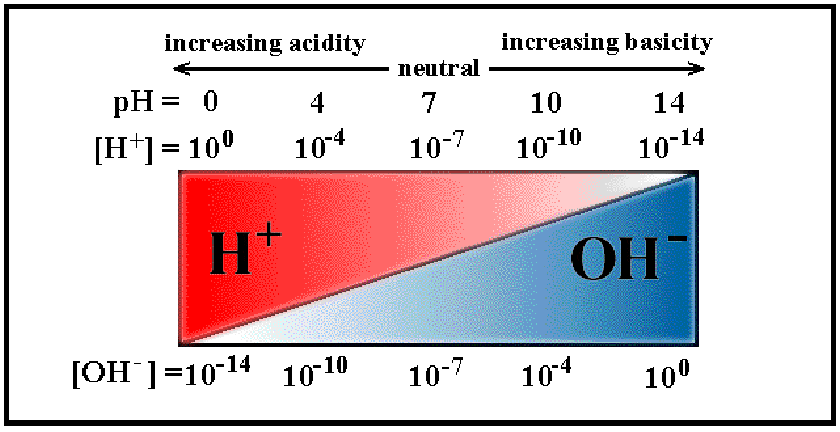
True or false: a neutral solution has equal amounts of H+ and OH-.
True
False

HCl is found in household products, including some toilet bowl cleaners. Is HCl an acid or a base?
Acid
Base
Neither (Neutral)
sulfuric acid
HSO3
H2SO3
H2SO4
H3SO4
sulfuric acid
HSO3
H2SO3
H2SO4
H3SO4
Basic oxide
BaO
P2O5
ZnO
CO2
Which is NOT an amphoteric oxide?
zinc oxide
aluminium oxide
lead (II) oxid
sodium oxide
Which of the followings is an acidic oxide?
SO2
H2O
CO
ZnO
Acids are substances that release H+ ions when dissolved in water.
True
False
Sulfuric acid reacts with sodium carbonate to form
hydrogen gas
carbon dioxide gas
sodium sulfate
water
How are alkalis related to bases?
It refers to strong bases.
It refers to soluble bases.
It refers to bases which react with acids.
It is another name for bases.
Which of the following substances will not react with sodium hydroxide?
sulfuric acid
chlorine
aqueous ammonia
ammonium sulfate
Choose two suitable reactants that can be used to make barium sulfate.
lead(II) sulfate
potassium sulfate
barium nitrate
barium metal
Which of the following is an acid given below?
C2H5OH
CH3COOH
C2H5CHO
All the above
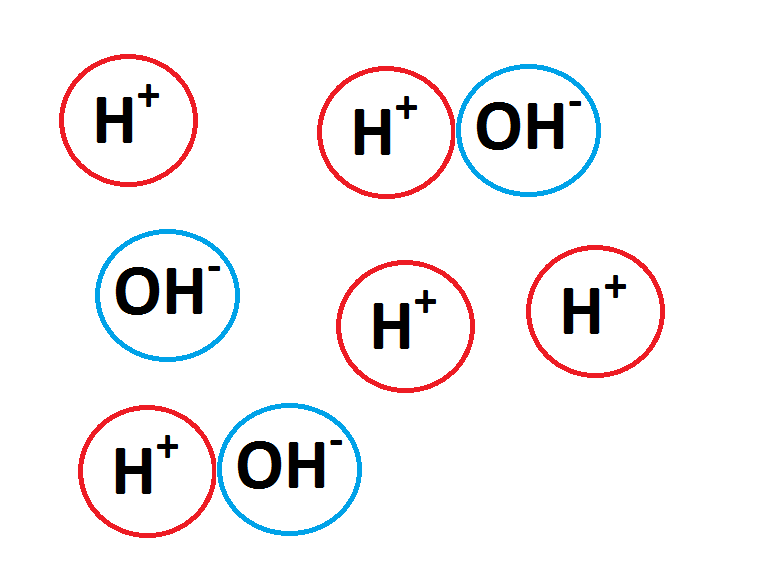
Range from 4-7 on the pH scale.
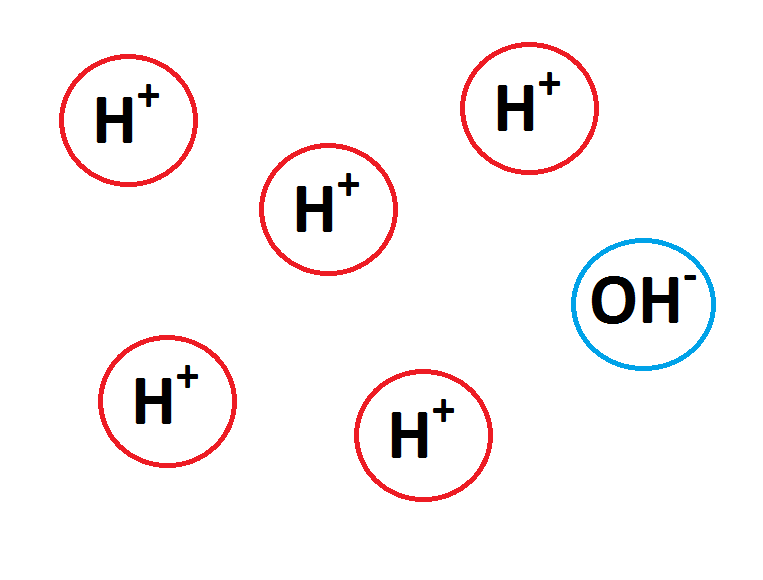
aluminium oxide has both acidic and basic properties, therefore it is
a base oxide
an acid oxide
a metalloid oxide
an amphoteric oxide
when a non-metal oxide dissolves in water, the solution formed is a/an
acid
base
alkali
neutral solution
which of the following solutions can turn blue litmus red?
sulphur dioxide in benzene
ammonia in water
hydrogen chloride in methylbenzene
carbon dioxide in water
Metals and acids react to form .....
Salt and hydrogen
Salt and water
Carbon dioxide, salt and water
Hydrogen only
Magnesium + hydrochloric acid-->
Magnesium chloride + water
Magnesium chloride + hydrogen
Magnesium hydrochloride + hydrogen
Magnesium chloride + water + carbon dioxide
Metal carbonates react with acid to form....
Salt, carboxylic acid and water
Salt, carbon dioxide and water
Salt and carbonated water
Salt and hydrogen
Calcium carbonate + hydrochloric acid -->
Calcium chloride + hydrogen
Calcium choride + water
Calcium chloride + carbon dioxide + water
Calcium sulfate + carbon dioxide + water
6.15: Which of these is not a property of noble gases?
Colourless
Odourless
Flammable
Gas at room temperature

What is the trend in boiling point for noble gases?
There is no trend.
Boiling point decreases down the group.
Boiling point increases down the group.
All the boiling points are the same.
What is the percentage composition of nitrogen in air?
78%
75%
86%
Acid rain can be traced back to
the burning of fossil fuels.
the use of electrostatic precipitators.
thermal inversions.
the release of particulate matter into the atmosphere.
During the purification process, filtration separates the
Solid purities
Solid impurities

Steel generally speaking is made of
iron and carbon
copper and iron
tin and carbon
aluminum and nickel

What happens to the average kinetic energy of matter when it is heated?
It increases
It stays the same
It decreases
It cannot be determined

How many VALENCE ELECTRONS does Chlorine have?
2
7
8
10
17

Ionic bonds are formed when electrons get
Shared between two atoms
Removed from both atoms
Transferred from one atom to another
Added to both atoms
How many valence electrons does Mg have? (use the PTable)
1
2
3
4
5

Atoms are most stable when their outer shell is complete.
True
False

Why do elements form chemical bonds?
Because they're friendly
To create a new element
To become stable
Because they all need to gain more electrons

Cations _______ electrons, becoming _______ charged.
Gain; positively (+)
Gain; negatively (-)
Lose; positively (+)
Lose; negatively (-)

Anions ____ electrons, becoming _____ charged.
Gain; positively (+)
Gain; negatively (-)
Lose; positively (+)
Lose; negatively (-)

Write the chemical formula for K and Br (potassium bromide).
KBr
K2Br
KBr3
KBr2

Metals (like Na) typically _____ electrons in the formation of ionic bonds.
Gain
Lose
Keep the same

Write the chemical formula for Na and S (sodium sulfide).
NaS
S2S2
Na2S
NaS2

Why are there two sodiums (Na), in the formation of this ionic compound?
There always has to be 2 metals
The overall charge needs to add up to 4
The overall charge has to be 0
It needs to have more metal atoms than nonmetal
How does oxygen become an oxide ion?
it loses 2 electrons
it gains 2 electrons
it shares electrons
it releases energy
Aluminum will react spontaneously with oxygen in the air to form aluminum oxide. Write the formula for the compound that is produced in this reaction.
AlO
Al2O3
O3Al2
Al6O3
Correct diagram for HF


Correct diagram for CF4


Correct diagram for N2


Name the following: C3H8
Tricarbon octahydride
Carbon hydride
Carbon octahydride
Tricarbon hydride
Ionic compounds conduct electricity when dissolved in water. Which statement below best explains the property?
Ions are free to move.
Electrons are free to move.
Bonds are strong.
There are weak intermolecular forces of attraction.
Ionic bond is formed between _____________________________.
metal atom with metal atom
metal atom with non-metal atom
non-metal atom with non-metal atom


I am usually a good conductor and shiny/lustrous
Metal
Metalloid
Non-metal
I am Chlorine many electrons to I need to be complete?
8
7
1
0
Elements in the same group or family have _____________.
the same number of valence electrons and different properties.
the same number of valence electrons and similar properties
different number of valence electrons and similar properties.
different number of valence electrons and different properties.
A column of the periodic table is a ________.
group
period
range
A row on the periodic table is a _______.
group
period
range
Group 1 metals that react quickly with other elements are ___________.
metals
alkaline earth metals
alkali metals
nonmetals
Oxygen (O) has a greater mass than chlorine (Cl).
True
False
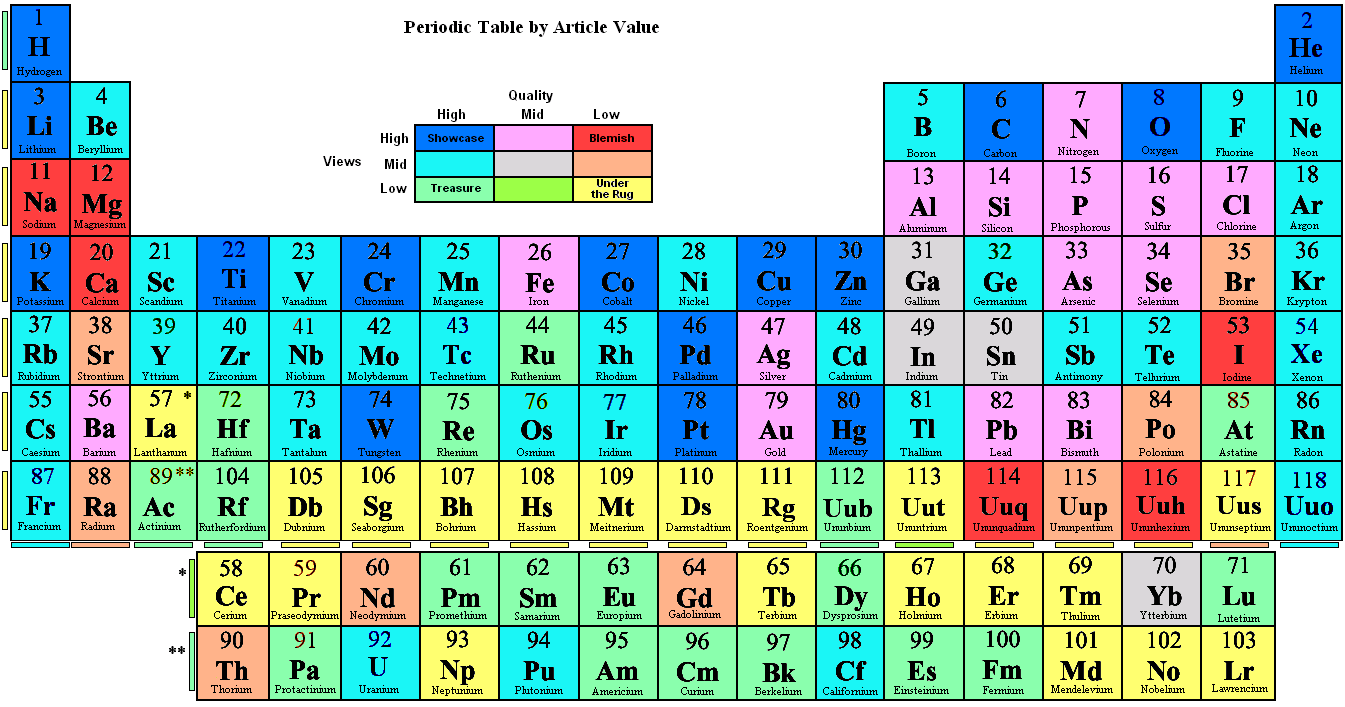
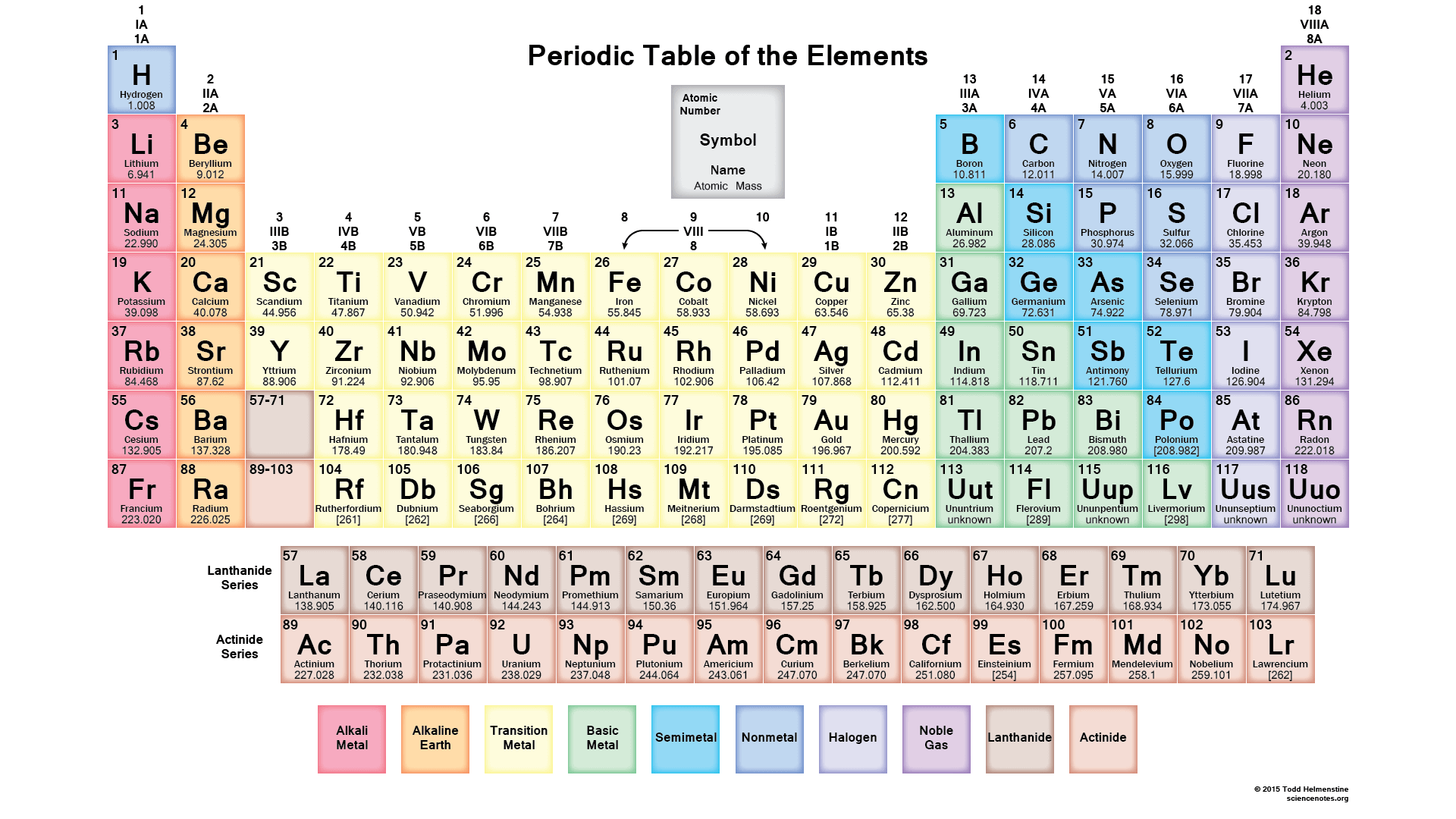
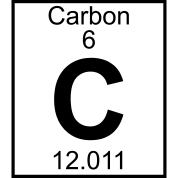
Going across Period 3, the properties of the oxides changes from
acidic to basic to amphoteric
amphoteric to basic to acidic
acidic to amphoteric to basic
basic to amphoteric to acidic
Which of the "Halogens" is found in liquid state at room temperature?
Flourine
Astatine
Iodine
Bromine
As you move down the group, halogens' reactivity...
increases
decreases
doesn't change
shows no trend.
Which halogens can displace bromide ions to make bromine?
Fluorine and iodine.
Fluorine and bromine.
Fluorine and chlorine
Chlorine and iodine.
Would a displacement reaction occur for Bromine + Potassium Iodide?
Yes
No
Maybe
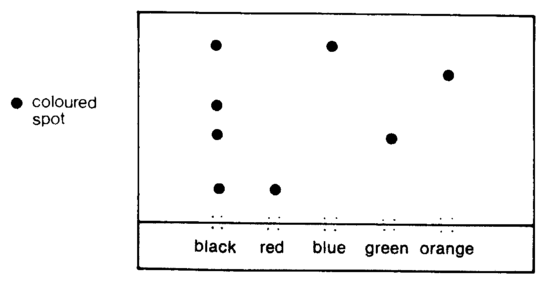
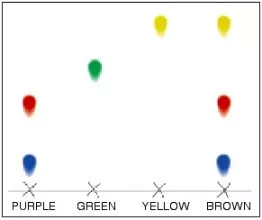
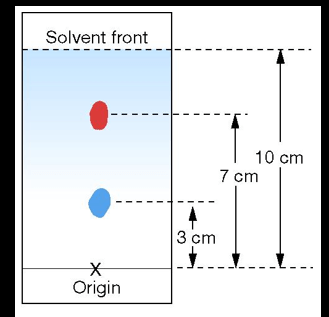


Ethanol has a higher boiling point than water.
Ethanol has a lower melting point than water.
Ethanol has a higher melting point than water.
Ethanol has a lower boiling point than water.

A
B
C
D
What allows us to know when the end point has been reached?
Bubbles
Feels warm
indicator changing color
Turns to a solid
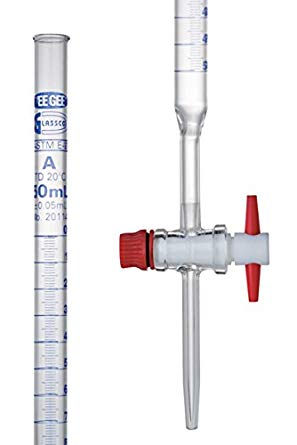
What is this piece of apparatus called
Pipette
Burette
Janette
Cuvette
What are some things we will need for a titration?
A solution of known concnetration
A burette
indicator
mass balance
a bunsen burner

What is the reading on this burette?
24.0cm3
25.8cm3
24.2cm3
23.9cm3
What is the colour of methyl orange an acid ?
Pink
Yellow
Orange
Colourless
What is the colour of phenolphthalein an acid?
Pink
Yellow
Orange
Colourless
How do you remove the water to leave solid copper sulfate crystals?
Filter
Evaporate
Distill
What is the name of the practical technique to neutralise an alkali?
Neutralisation
Titration
Using a burette
Telestration
What does the word insoluble mean?
Does dissolve
Doesn't dissolve
Is part of a solid
How do you separate an excess insoluble reactant from a solution?
Filtration
Precipitation
Crystalisation
Evaporation

Why do you add excess of the insoluble reactant when making a soluble salt?
To make sure all the acid is used up
To separate the solid from the solution
To make sure a reaction occurs
To have the reaction happen faster
When producing a soluble salt in a reaction between an acid and an alkali, how can you prepare dry solid crystals from the solution?
Filtration
Neutralisation
Condensation
Evaporation/crystallisation
When a soluble salt is formed from reacting an acid and with an insoluble base, how do you know when an excess of a base has been added?
There is effervescence
When the reactant all dissolves
When some of the reactant is left unreacted/undissolved
When a colour change happens
Which method is used to produce an insoluble salt?
Neutralisation reaction
Precipitation reaction
Titration reaction
Adding excess insoluble base to an acid

Which of the following is NOT part of the definition of salt?
Ionic compound
when hydrogen ion of an acid
is replaced by a metal cation or ammonium ion
contains hydrogen ions

Which of the following statements best define the term ‘salt’?
Salt is formed when metal reacts with an alkali.
Salt contains sodium ions and chloride ions.
Salt is formed from a weak Van der Waals’ forces of attraction.
Salt is formed when the hydrogen ions in an acid is replaced by metal or ammonium ions.
What is the best method for removing water from a hydrated compound?
freezing
filtration
distillation
heating
What is the colour of hydrated Copper (II) sulphate?
White
Blue
Pink
Brown

