Wayground logo

Free Printable Worksheets

Font size

S
M
L
XL
Worksheets

CELLS QUIZ

Total questions: 45

Worksheet time: 1hrs 15mins

Name
Class
Date
1.
Refer to the illustration, which structure immediately identifies this cell as eukaryotic?
a)
A. Structure 2
b)
B. Structure 6
c)
C. Structure 9
d)
D. Structure 10
2.
The smallest unit of LIFE is a
a)
cell
b)
lysosome
c)
atom
d)
nucleus
3.
THESE organelles are found in abundance in nerve an muscle cells because these cells require extra energy.
a)
Ribosomes
b)
Mitochondria
c)
Golgi Bodies
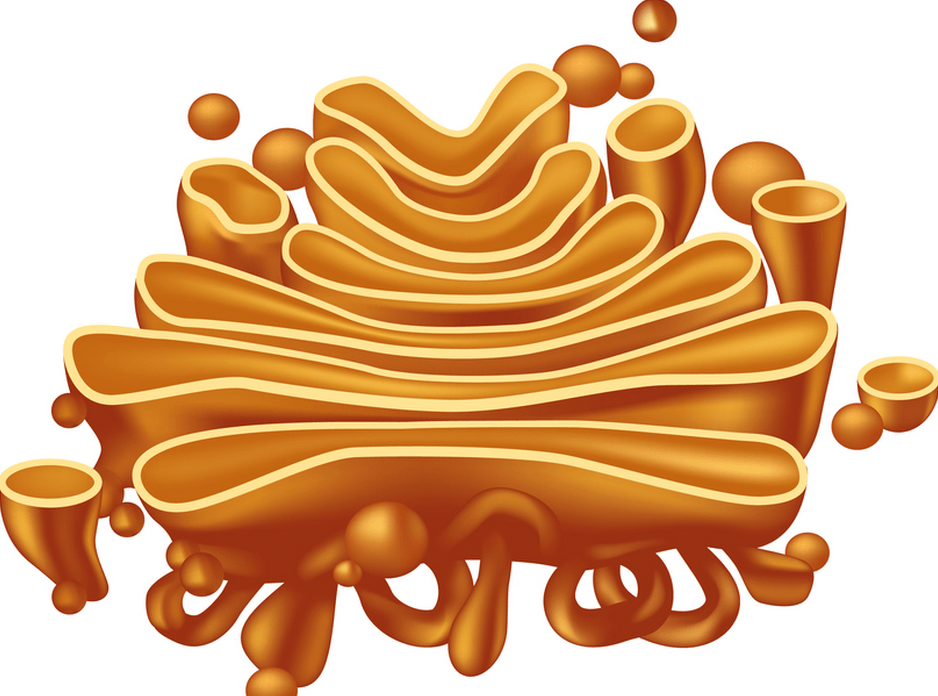
d)
Chloroplasts
4.
THESE organelles are found in abundance in plant cells, but not animal cells:
a)
Golgi Bodies
b)
Mitochondria
c)
Ribosomes
d)
Chloroplasts
5.
I am a protein packaging and shipping machine! Who am I?
a)
vacuole
b)
ribosome
c)
mitochondrion
d)
golgi apparatus
6.
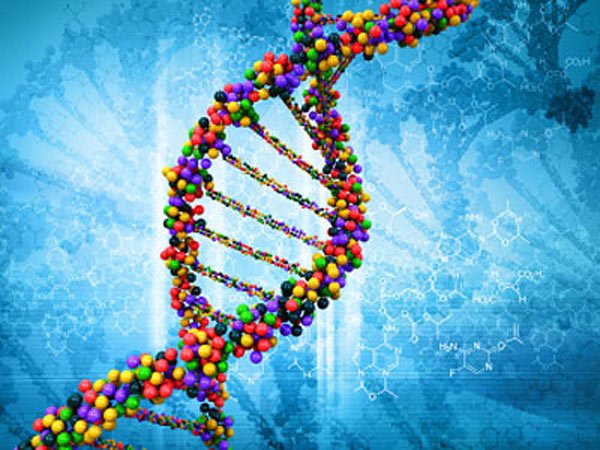
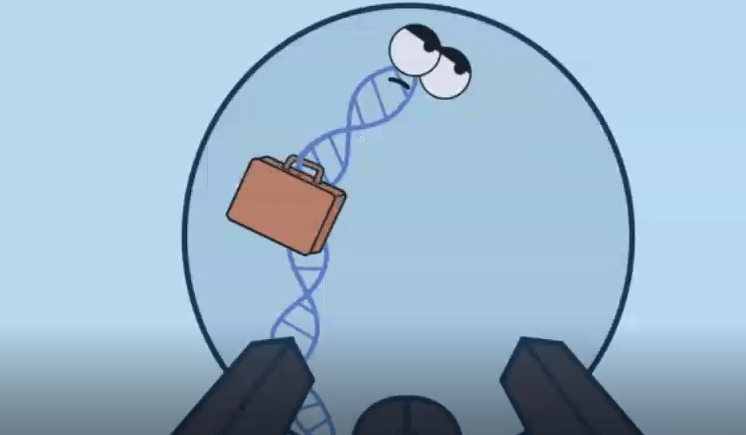
What is the name of the genetic material that is inside the nucleus?
a)
ER
b)
ATP
c)
YOLO
d)
DNA
7.
what is the correct order of the levels of organization from largest to smallest?
a)
organism, organ, organ system, tissue, cell
b)
organism, organ, tissue, organ system, cell
c)
organ, organism, organ system, tissue, cell
d)
organism, organ system, organ, tissue, cell
8.
Directs all cell activities through the DNA located there.
a)
Lysosomes
b)
Nucleus
c)
ribosomes
d)
Mitochondria
9.
Which of the following statements is not part of the cell theory?
a)
Cells are the basic unit of structure and function in all living things.
b)
All cells are produced from other cells.
c)
Only animal cells are composed of cells.
d)
All living things are composed of cells.
10.
What organelle stores water and nutrients in the cell?
a)
Mitochondria
b)
Chloroplast
c)
Nucleus
d)
Vacuole
11.

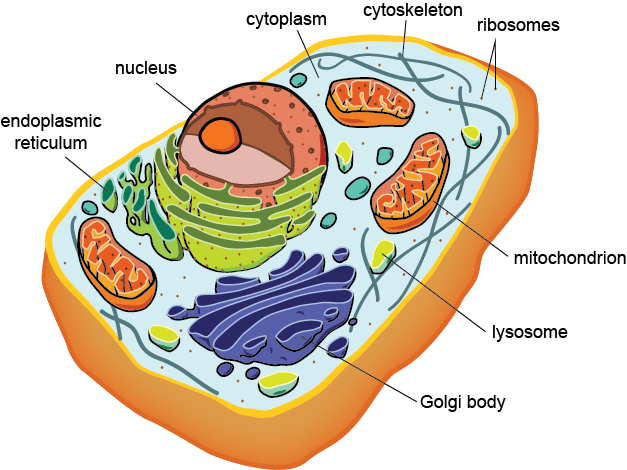
What kind of cell is this?

a)

Prokaryote

b)

Eukaryote

12.

A eukaryotic cell is different from a prokaryotic cell because...

a)

Eukaryotic and prokaryotice cells have a nucleus

b)

Eukaryotic cells have no nucleus

c)

Prokaryotic cells have no nucleus

13.

Bacteria is an example of a

a)

Eukaroytic Cell

b)

Plant Cell

c)

Animal Cell

d)

Prokaryotic Cell

14.
This is a picture of:
a)
Prokaryote
b)
Eukaryote
15.

A student viewing a cell through a microscope observes a cell wall, cell membrane, and nucleus. What type of cell is this?

a)

eukaryote, animal

b)

prokaryote

c)

eukaryote, plant

d)

prokaryote, plant

16.

Organisms that consist of many cells

a)

cell

b)

unicellular

c)

multicellular

d)

organism

17.

The basic unit of life

a)

cell

b)

unicellular

c)

multicellular

d)

organism

18.

What is the jelly-like material inside cells that surrounds all the internal cell structures.

a)

Plasma membrane

b)

Cytoplasm

c)

Nucleus

d)

Vacuole

19.

Which organelle in the cell is not a membrane-bound organelle and makes proteins?

a)

Mitochondria

b)

Golgi Apparatus

c)

Nucleus

d)

Ribosomes

20.

Which membrane-bound organelle contains the genetic material of the cell (such as DNA) ?

a)

Cytoplasm

b)

Nucleus

c)

Endoplasmic Reticulum (ER)

d)

Mitochondria

21.

Which organelle processes and transports molecules for the cell, and sends away molecules in vesicles?

a)

Golgi Apparatus

b)

Mitochondria

c)

Chloroplasts

d)

Endoplasmic Reticulum

22.

What do Mitochondria do?

a)

Process and package molecules within the cell and cend them to where they need to go in the cell.

b)

Synthesize and package proteins into vesicles.

c)

Make ATP energy for the cell in a process called cellular respiration.

d)

Make glucose for plant cells in a process called photosynthesis.

23.

What do Chloroplasts do?

a)

Make ATP energy for the cell in a process called cellular respiration.

b)

Make glucose for plant cells only in a process called photosynthesis.

c)

Receive, process, and package molecules within the cell and sends them where they need to go.

d)

Makes proteins in a process called protein synthesis.

24.

Plant cells have a cell wall, which offers additional protection and shape maintenance, and animal cells do not.

a)

True

b)

False

25.
Which organelle is only found in a plant cell? 
a)
nucleus
b)
chloroplast
c)
mitochondria
d)
cell membrane
26.
This organelle creates energy.
a)
Nucleus
b)
Ribosome
c)
Mitochondria
d)
ER
27.
This organelle makes proteins. 
a)
Cell membrane
b)
Nucleus
c)
Ribosome
d)
ER
28.
Plant and animal cells are identical. 
a)
True
b)
False
29.

Which organelle allows things into and out of the cell?

a)

Mitochondria

b)

Ribosome

c)

Cell membrane

d)

Cell wall

30.

Prokaryotes are always...

a)

Plants

b)

Animals

c)

Bacteria

d)

Eukaryotes

31.
What organelle is called the "powerhouse" of a cell?

a)
Endoplasmic Reticulum
b)
Nucleus
c)
Mitochondria
d)
Nucleolus
32.
What is the function of nucleus?
a)
Structure that organizes motion of chromosomes. 
b)
Structure that contains DNA and directs the cell 
c)
Membrane that surrounds and protects the cell 
d)
Stack of membranes that packages chemicals
33.
This is a double layer of phospholipids that creates a barrier between the cells internal and external environments; it controls what comes in or out of the cell (selective permeable)
a)
Nucleus
b)
Cilia
c)
Cell membrane
d)
Flagella
34.
You are made up of...
a)
eukaryotic cells
b)
prokaryotic cells
c)
plant cells
d)
bacterial cells
35.
Which 2 organelles are only found in plant cells?
a)
chloroplast and mitochondria
b)
chloroplast and cell membrane
c)
mitochondria and cell wall
d)
chloroplast and cell wall
36.

Which organelle captures energy from the sunlight and uses it to produce food in plant cells?

a)

mitochodria

b)

cell membrane

c)

chloroplast

d)

centrioles

37.

What is #9?

a)

Golgi bodies

b)

smooth endoplasmic reticulum

c)

rough endoplasmic reticulum

d)

Nucleus

e)

Nucleolus

38.

What is #10?

a)

Golgi bodies

b)

smooth endoplasmic reticulum

c)

rough endoplasmic reticulum

d)

Nucleus

e)

Nucleolus

39.

What is #3?

a)

Plasma membrane

b)

Ribosome

c)

Centriole

d)

Chloroplast

e)

Mitochondria

40.

What is #4?

a)

Plasma membrane

b)

Ribosome

c)

Centriole

d)

Chloroplast

e)

Mitochondria

41.

"Garbage collectors" of the cell that remove waste:

a)

Cell Membrane

b)

Centrioles

c)

Lysosomes

d)

Nucleus

42.
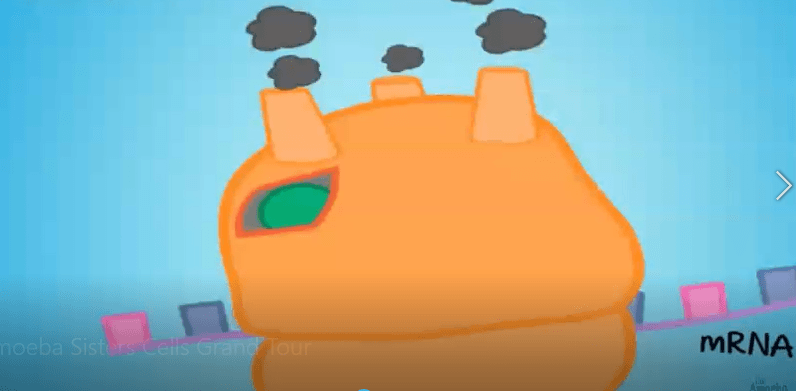
What am I?
a)
Nucleus
b)
Golgi Body
c)
Mitochondrion
d)
Plasma Membrane
43.

You might think of me as the trash collector, but recycler is maybe more accurate. I can break down old cell parts. What am I?

a)

mitochondria

b)

lysosome

c)

vacuole

d)

ribosome

44.

Prokaryotic cells are used in ______________ organisms.

a)

unicellular (one-celled)

b)

multicellular (many-celled)

45.

The organelle that organizes cell division:

a)

Nucleus

b)

Centrioles

c)

Cytoskeleton

d)

Ribosome