
 Worksheets
2nd six weeks exam
Total questions: 193
Worksheet time: 2hrs 7mins

Which of the following choices describes luster?
how hard a mineral is
how malleable a mineral is
how a mineral reflects light
how a mineral conducts electricity

Which of the following choices describes conductivity?
how hard a mineral is
how malleable a mineral is
how a mineral reflects light
how a mineral transfers heat and electricity
What are the physical properties of metals, nonmetals, and metalloids?
luster, conductivity, and malleability
shine, conductivity, and luster
conductivity, metal, and iron

Your science Teacher is...
Ms. Jones
Ms. Johnston
Ms. Johnson
Which describes malleability?
cannot be beaten into a shape
can be beaten into a shape
shiny
dull

What am I?
Periodic Table
Periodic Table of Compounds
Period Table of Elements
I am shiny and a good conductor of heat.
metals
nonmetals
metalloids
I am dull... Which element am I?
metals
nonmetals
metalloids
I am a bad conductor of electricity and heat.
metals
nonmetals
metalloids
I am malleable, but do not have a shiny luster
metals
nonmetals
metalloids
I am a good conductor of electricity and am malleable.
metals
nonmetals
metalloids
I can be found on the stair-step line on The Periodic Table of Elements.
metals
nonmetals
metalloids
I can be found to the right of the stair-step line on The Periodic Table of Elements.
metals
nonmetals
metalloids
I can be found to the left of the stair-step line on The Periodic Table of Elements.
metals
nonmetals
metalloids
I have properties of both metals and nonmetals.
metals
nonmetals
metalloids
Luster
how an object reflects light
can be hammered into a shape
transfers heat and/or electricity
Conductivity
how an object reflects light
can be hammered into a shape
transfers heat and/or electricity
Malleability
how an object reflects light
can be hammered into a shape
transfers heat and/or electricity
Luster, Conductivity, and Malleability
elements on the Periodic Table of Elements
physical properties
compare
Meadowbrook Middle School
Panthers
Dragons
Buffaloes
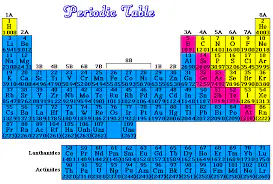
Which elements are on to the LEFT of the stair-steps?
Metals
Nonmetals
Metalloids
Periodic Table of Elements
Which elements are on the stair-steps?
Metals
Nonmetals
Metalloids
Periodic Table of Elements
Which elements are on the RIGHT of the stair-steps?
Metals
Nonmetals
Metalloids
Periodic Table of Elements
Melting ice
physical change
chemical change
Burning wood
physical change
chemical change
Acid in stomach, breaking down food.
physical change
chemical change
Burning coal
chemical change
physical change
Soured milk
physical change
chemical change
Which change describes a substance that changes shape, form, or appearance but is still the same substance?
physical change
chemical change
What happens when a new substance is produced during a reaction?
chemical change
physical change
rusty nail
chemical change
physical change
broken glass
physical change
chemical change
mixing baking soda and vinegar
chemical change
physical change



A student mixes yellow powder with water. Which observation would prove a CHEMICAL change occurred?
The powder DISSOLVED in the water
The water turned the COLOR yellow
The bag's TEMPERATURE changed
The STATE OF MATTER changed
Which of the following examples provides evidence of a PHYSICAL change?
Wood is burned and releases ash and smoke
Iron rusts over time
When mixed, baking soda and vinegar form gas bubbles
Boiling water bubbles when heated
Which of the following options provides evidence of a CHEMICAL change?
Wood is burned releasing ash and smoke
Rocks separate when soil is sifted
Boiling water bubbles when heated
Salt dissolves in water

A white tablet is dropped into water. The water becomes cloudy and bubbles are produced. What type of change has occurred?
Physical change
Chemical change
No change

Water is boiling on a stove, producing steam. What conclusion can you make about the change that is occurring?
Boiling water bubbles indicate a chemical change
Steam indicates a state of matter change
Heat indicates a chemical change
The clear color indicates a chemical change
Which observations prove a chemical change occurred
Dissolving and expected color change
Mixing and dissolving
State of matter change and boiling water bubbles
Unexpected color change and temperature change
Which word matches the definition "two liquids make a solid"
pre-color
precipitation
precipitate
pretest
When mixing milk and vinegar, a white, chunky, solid substance is formed. What has occurred?
Physical change: state of matter
Chemical change: precipitate
Physical change: freezing
Chemical change: rust
Which of the following is true?
A physical change produces a new substance
A chemical change does not produce a new substance
A physical change can produce a precipitate
A chemical change can produce a precipitate
When iron is exposed to air over a long period of time, it forms rust. This is an example of what?
A new substance forming
Color change: no new substance
Shape change: no new substance
Burning: a new substance
Sharpening a pencil
Physical change
Chemical change
Photosynthesis
Physical change
Chemical change
Mixing paint
Physical change
Chemical change
Roasting a marshmallow
Physical change
Chemical change
Burning wood
Physical change
Chemical change
Mirror shattering
Physical change
Chemical change
Making Kool-Aid
Physical change
Chemical change
Melting an ice cube
Physical change
Chemical change
A rotting strawberry
Physical change
Chemical change
Cracking an egg
Physical change
Chemical change
Teeth breaking down the food in your mouth
Physical change
Chemical change
Water evaporates from the surface of the ocean
Physical change
Chemical change
Fireworks exploding
Physical change
Chemical change
Melting butter for popcorn
Physical change
Chemical change
Frying an egg in a frying pan
Physical change
Chemical change
Cutting a pizza for you and your friends
Physical change
Chemical change
Making a paper airplane with your homework
Physical change
Chemical change
Getting your haircut
Physical change
Chemical change
Snow melting in your driveway
Physical change
Chemical change
Taking out the rasins from the trail-mix
Physical change
Chemical change
True or False!
Matter is everything around us!
Everything we see, touch, breathe!
True
False
What is chemistry the study of?
Horses
Matter
It does not matter
TikTok
Matter can be in different states, either solid, liquid, or gas.
Is an Ice Cube a solid, liquid, or gas?
Solid
Liquid
Gas
True or False?
A Physical Change changes the form or shape of a substance, not the identity.
True
False
When an Ice Cube melts it turns into a liquid, but the substance stays the same, H2O. Is ice melting a physical or chemical change?
Physical
Chemical
Someone puts a water bottle in the freezer and it turns to ice. Is this an example of a physical change?
Yes, because a new substance was not formed
No, because a change in state of matter occurred
Is cutting a log of wood in half a physical or chemical change?
Physical
Chemical
True or False?
A chemical change creates new matter or a new substance.
True
False
If a students is combining two substances and see bubbles and fizzing, a _________ is probably taking place.
Physical Change
Chemical Change
When baking soda and vinegar are mixed, immediately there are bubbles and fizzing. What does this show?
Formation of a precipitate
Formation of a gas
Formation of a new liquid
Which of the following is NOT a sign of a chemical change?
Color change
Gas forming
Shape change


True or False!
Matter is everything around us!
Everything we see, touch, breathe!
True
False
What is chemistry the study of?
Horses
Matter
It does not matter
TikTok
Matter can be in different states, either solid, liquid, or gas.
Is an Ice Cube a solid, liquid, or gas?
Solid
Liquid
Gas
True or False?
A Physical Change changes the form or shape of a substance, not the identity.
True
False
When an Ice Cube melts it turns into a liquid, but the substance stays the same, H2O. Is ice melting a physical or chemical change?
Physical
Chemical
Someone puts a water bottle in the freezer and it turns to ice. Is this an example of a physical change?
Yes, because a new substance was not formed
No, because a change in state of matter occurred
Is cutting a log of wood in half a physical or chemical change?
Physical
Chemical
True or False?
A chemical change creates new matter or a new substance.
True
False
If a students is combining two substances and see bubbles and fizzing, a _________ is probably taking place.
Physical Change
Chemical Change
When baking soda and vinegar are mixed, immediately there are bubbles and fizzing. What does this show?
Formation of a precipitate
Formation of a gas
Formation of a new liquid
Which of the following is NOT a sign of a chemical change?
Color change
Gas forming
Shape change
Melting ice
physical change
chemical change
Burning wood
physical change
chemical change
Acid in stomach, breaking down food.
physical change
chemical change
Burning coal
chemical change
physical change
Soured milk
physical change
chemical change
Which change describes a substance that changes shape, form, or appearance but is still the same substance?
physical change
chemical change
What happens when a new substance is produced during a reaction?
chemical change
physical change
rusty nail
chemical change
physical change
broken glass
physical change
chemical change
mixing baking soda and vinegar
chemical change
physical change
A student mixes yellow powder with water. Which observation would prove a CHEMICAL change occurred?
The powder DISSOLVED in the water
The water turned the COLOR yellow
The bag's TEMPERATURE changed
The STATE OF MATTER changed
Which of the following examples provides evidence of a PHYSICAL change?
Wood is burned and releases ash and smoke
Iron rusts over time
When mixed, baking soda and vinegar form gas bubbles
Boiling water bubbles when heated
Which of the following options provides evidence of a CHEMICAL change?
Wood is burned releasing ash and smoke
Rocks separate when soil is sifted
Boiling water bubbles when heated
Salt dissolves in water
A white tablet is dropped into water. The water becomes cloudy and bubbles are produced. What type of change has occurred?
Physical change
Chemical change
No change
Water is boiling on a stove, producing steam. What conclusion can you make about the change that is occurring?
Boiling water bubbles indicate a chemical change
Steam indicates a state of matter change
Heat indicates a chemical change
The clear color indicates a chemical change
Which observations prove a chemical change occurred
Dissolving and expected color change
Mixing and dissolving
State of matter change and boiling water bubbles
Unexpected color change and temperature change
Which word matches the definition "two liquids make a solid"
pre-color
precipitation
precipitate
pretest
When mixing milk and vinegar, a white, chunky, solid substance is formed. What has occurred?
Physical change: state of matter
Chemical change: precipitate
Physical change: freezing
Chemical change: rust
Which of the following is true?
A physical change produces a new substance
A chemical change does not produce a new substance
A physical change can produce a precipitate
A chemical change can produce a precipitate
When iron is exposed to air over a long period of time, it forms rust. This is an example of what?
A new substance forming
Color change: no new substance
Shape change: no new substance
Burning: a new substance
Sharpening a pencil
Physical change
Chemical change
Photosynthesis
Physical change
Chemical change
Mixing paint
Physical change
Chemical change
Roasting a marshmallow
Physical change
Chemical change
Burning wood
Physical change
Chemical change
Mirror shattering
Physical change
Chemical change
Making Kool-Aid
Physical change
Chemical change
Melting an ice cube
Physical change
Chemical change
A rotting strawberry
Physical change
Chemical change
Cracking an egg
Physical change
Chemical change
Teeth breaking down the food in your mouth
Physical change
Chemical change
Water evaporates from the surface of the ocean
Physical change
Chemical change
Fireworks exploding
Physical change
Chemical change
Melting butter for popcorn
Physical change
Chemical change
Frying an egg in a frying pan
Physical change
Chemical change
Cutting a pizza for you and your friends
Physical change
Chemical change
Making a paper airplane with your homework
Physical change
Chemical change
Getting your haircut
Physical change
Chemical change
Snow melting in your driveway
Physical change
Chemical change
Taking out the rasins from the trail-mix
Physical change
Chemical change
True or False!
Matter is everything around us!
Everything we see, touch, breathe!
True
False
What is chemistry the study of?
Horses
Matter
It does not matter
TikTok
Matter can be in different states, either solid, liquid, or gas.
Is an Ice Cube a solid, liquid, or gas?
Solid
Liquid
Gas
True or False?
A Physical Change changes the form or shape of a substance, not the identity.
True
False
When an Ice Cube melts it turns into a liquid, but the substance stays the same, H2O. Is ice melting a physical or chemical change?
Physical
Chemical
Someone puts a water bottle in the freezer and it turns to ice. Is this an example of a physical change?
Yes, because a new substance was not formed
No, because a change in state of matter occurred
Is cutting a log of wood in half a physical or chemical change?
Physical
Chemical
True or False?
A chemical change creates new matter or a new substance.
True
False
If a students is combining two substances and see bubbles and fizzing, a _________ is probably taking place.
Physical Change
Chemical Change
When baking soda and vinegar are mixed, immediately there are bubbles and fizzing. What does this show?
Formation of a precipitate
Formation of a gas
Formation of a new liquid
Which of the following is NOT a sign of a chemical change?
Color change
Gas forming
Shape change
True or False!
Matter is everything around us!
Everything we see, touch, breathe!
True
False
What is chemistry the study of?
Horses
Matter
It does not matter
TikTok
Matter can be in different states, either solid, liquid, or gas.
Is an Ice Cube a solid, liquid, or gas?
Solid
Liquid
Gas
True or False?
A Physical Change changes the form or shape of a substance, not the identity.
True
False
When an Ice Cube melts it turns into a liquid, but the substance stays the same, H2O. Is ice melting a physical or chemical change?
Physical
Chemical
Someone puts a water bottle in the freezer and it turns to ice. Is this an example of a physical change?
Yes, because a new substance was not formed
No, because a change in state of matter occurred
Is cutting a log of wood in half a physical or chemical change?
Physical
Chemical
True or False?
A chemical change creates new matter or a new substance.
True
False
If a students is combining two substances and see bubbles and fizzing, a _________ is probably taking place.
Physical Change
Chemical Change
When baking soda and vinegar are mixed, immediately there are bubbles and fizzing. What does this show?
Formation of a precipitate
Formation of a gas
Formation of a new liquid
Which of the following is NOT a sign of a chemical change?
Color change
Gas forming
Shape change

