
 Worksheets
U.S. Constitution Quiz 2025
Total questions: 46
Worksheet time: 47mins
What is the U.S Constitution?
A set of rules that explains the Northwest Ordinance
A document that says how the U.S government operates
A document that says all men are created equal
Is a document that says how mayors and governors should act.
In which year did delegates meet in Philadelphia to replace the Articles of Confederation and draft the U.S. Constitution?

Which Virginian, who would later become our 4th President, was the primary author of the U.S. Constitution?
Which house of the bicameral Congress, is based on equal representation ( hint: 2 per state ) and was supported by the New Jersey Plan in the "Great Compromise"?

Government system where the Federal Government and the State Governments share the power to govern its citizens ( hint: 10th Amendment ).
Federalism
Free Enterprise
Bicameral
Republicanism

The first 10 Amendments to the Constitution are referred to as...
The Bill of Rights
The Articles of the Constitution
The Separation of Powers
Checks and Balances
The power to write and pass laws is reserved in which of the 3 Branches?
Legislative
Judicial
Executive
The power to carry out and enforce laws, and creates the office of the President of the United States is established in which of the 3 branches?
Bicameral
Legislative
Judicial
Executive
The power to interpret the Constitution and settle legal disputes is established in which of the 3 Branches?
Congress
Executive
Legislative
Judicial

This term refers to the two houses of Congress: The House of Representatives and The Senate.
Amendment
Bicameral
Checks and Balances
Popular Sovereignty

This term refers to the system to ensure one branch doesn't get too much power.
Amendment
Bicameral
Checks and Balances
Popular Sovereignty
The Senate and the House of Representatives (who make the laws) are all members of?
The Preamble
Congress
The Executive Branch
Supreme Court
The first form of government in the U.S. , which gave more power to the states and had a weak central government was called the ..... ?
Declaration of Independence
Articles of Confederation
Northwest Ordinance
The U.S. Constitution
Official changes to the Constitution are called:
Articles
Bills
Legislature
Amendments
What was the purpose of the authors who wrote the Federalists Papers?
To ratify (approve) the Articles of Confederation
For the 3/5ths Compromise
To decrease slavery in the south
To (ratify) approve the U.S. Constitution
Who has the power to declare war?
The President
Congress
The Supreme Court
The Joint Chief of Staff
This group of policymakers felt that the states should have more power than the federal government?
Thomas Paine
Federalists
Anti-Federalists
House of Representatives

Based on the picture, what agreement was created to determine how states would be represented in Congress?
3/5 Compromise
The Northwest Ordinance
the Great Compromise
the Treaty of Paris 1783
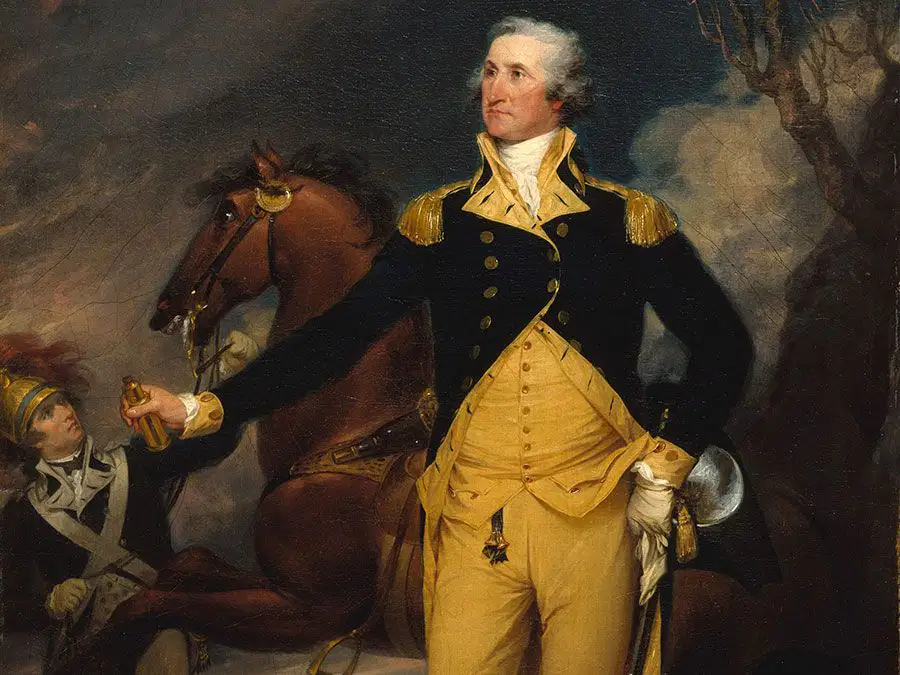
Which of the following is a role that the President fills?
Commander-in-Chief of the military
Leader of the Senate
Chief Justice of the Supreme Court
Speaker of the House

Why did the Anti-Federalists demand that a bill of rights be added to the U.S. Constitution?
To strengthen the authority of the federal government.
To improve the organization of the judiciary.
To give each state an equal amount of power.
To protect individual freedoms from the federal government.
What is required to add a new amendment to the U.S. Constitution?
Executive Branch approval
2/3 vote of both houses of Congress
ratified by the legislatures or conventions in 3/4's of the states
2/3's Supreme Court approval
passing the Bill of Rights

With which of the following arguments would the authors of The Federalist Papers most likely have agreed?
A bill of rights should be included in the Constitution before it is ratified.
Having a stronger central government will make the country more stable and prosperous.
The Three-Fifths Compromise will result in fair and equal representation.
Universal suffrage should be constitutionally guaranteed.
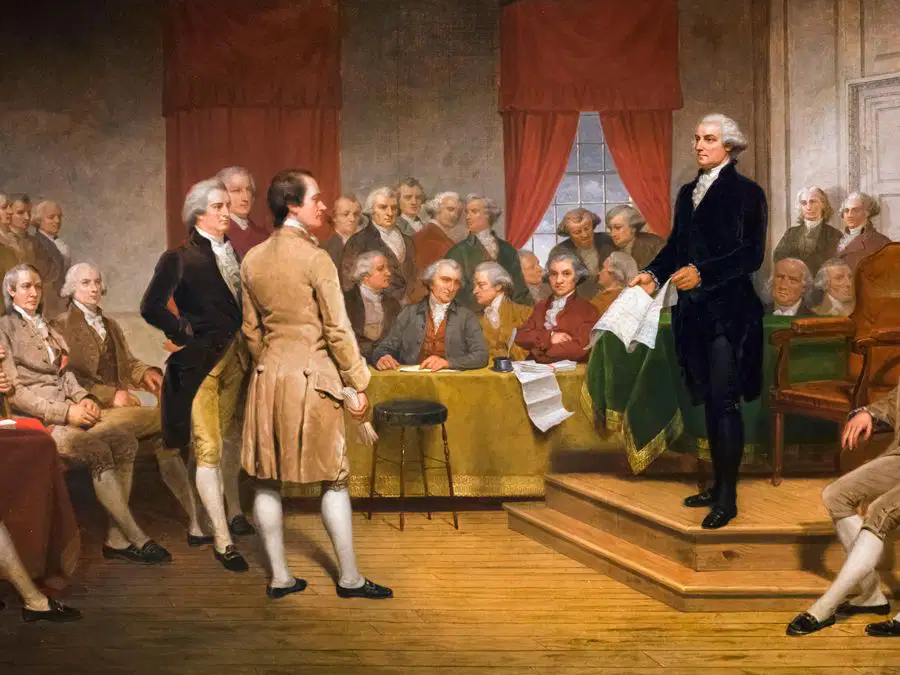
Held in Philadelphia, Pennsylvania, what was the purpose of the Constitutional Convention?
To rewrite the Declaration of Independence
To create a stronger central government
To write the Treaty of Paris
To create a government to give more power to the states
Which part of the bicameral Legislative Branch has representation based on a states population?
Representatives
Federal

What constitutional principle is being represented in the picture?

The principle outlined in this diagram is the (a) and its purpose is to (b)
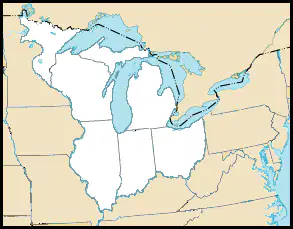
One of the few positive accomplishments of the national government under the Articles of Confederation (which gave the nation a method for new territories to become states), was the ?
The signing of the Declaration of Independence
The Proclamation of 1763
The Northwest Ordinance
The ratification of the Treaty of Paris 1763
"We the people of the United States, in order to form a more perfect union..."
Which democratic principle of the U.S system of government is reflected in this excerpt from the Preamble?
federalism
popular sovereignty
separation of powers
individual rights

Which of the following was a result of the Great Compromise?
A supreme court
An electoral college
A bicameral legislature
An amendment process
Match the following
The authority of a state is created and sustained by consent of the people.
Popular Sovereignty
Government power is restricted by law, usually in a written constitution.
Limited Government
Government is divided into branches, each with separate and independent powers.
Separation of Powers
A system established by the Constitution that prevents any branch of government from becoming too powerful.
Checks and Balances
Power and responsibility are divided between a federal government and local or state governments.
Federalism

What amendment aligns with the principle of Federalism (shared powers between the gov't and the states)?
The 1st amendment protects which of the following?
Freedom from unreasonable searches and seizures.
Freedom of religion, speech, press assembly and petition.
Right to trial by jury.
No quartering of soldiers.
The 2nd amendment protects which of the following rights?
Right to keep and bear arms.
Rights of accused persons (speedy and public trial).
Powers reserved to the states.
Other rights of the people.
The 3rd amendment protects which of the following rights?
Right of a trial by jury.
Freedom of religion, speech, press, assembly and petition.
No quartering of soldiers.
Right to keep and bear arms.
The 4th amendment protects which of the following rights?
Powers reserved to the states.
Freedom from unreasonable searches and seizures.
Freedom from excessive bail, cruel and unusual punishments.
Right to due process of law, freedom from self-incrimination, and double jeopardy.
The 5th amendment protects which of the following rights?
Right to due process of law, freedom from self-incrimination, and double jeopardy.
Rights of accused persons (speedy and public trial).
Other rights of the people.
Right to keep and bear arms.
The 6th amendment protects which of the following rights?
No quartering of soldiers.
Right to due process of law, freedom from self-incrimination, and double jeopardy.
Powers reserved to the states.
Rights of accused persons (speedy and public trial).
The 8th amendment protects which of the following rights?
No quartering of soldiers.
Powers reserved to the states.
Freedom from unreasonable searches and seizures.
Freedom from excessive bail, cruel and unusual punishments.
What is Double Jeopardy?
An order from a judge that authorizes police to search and seize property
Giving testimony that can be used against you in a court case
The concept that the government must follow clear rules and act reasonably as it carries out the laws
Putting a person on trial more than once for the same crime

Which Headline describes an event that established guidelines for the admission of new states to the Union?
A. Northwest Ordinance Passed
B. Treaty of Paris Ratified
Bill of Right Ratified
D. Alien & Sedition Acts

Define "civic responsibility."
vetoing unfair laws
appointment of high level officials
being involved in things that are good for the community
becoming wealthy
Who has the power to veto (cancel) bills that were passed by Congress?
Congress
The President
The Supreme Court

