
Font size
 Worksheets
🍭 OPTIONAL Pre-Quiz Biochem Redo Review 🍭
Total questions: 28
Worksheet time: 1hrs 24mins
Building blocks of lipids (a)
What is the function of carbohydrates?
quick energy
stored energy
transmit genetic and hereditary information
structure, repair, support, makes enzymes
What is the function of nucleic acids?
quick energy
stored energy
transmit genetic and hereditary information
structure, repair, support, makes enzymes
What is the function of lipids?
quick energy
stored energy
transmit genetic and hereditary information
structure, repair, support, makes enzymes
What is the function of proteins?
quick energy
stored energy
transmit genetic and hereditary information
structure, repair, support, makes enzymes
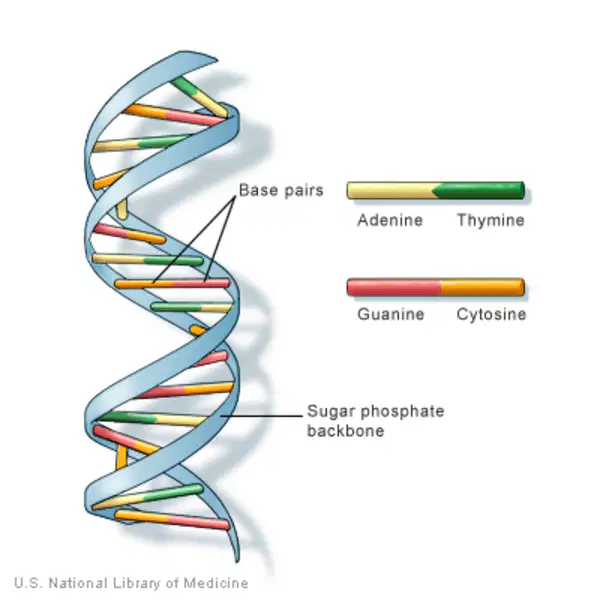
What am I?
sugar/carbohydrate
lipid
nucleic acid
protein/amino acids
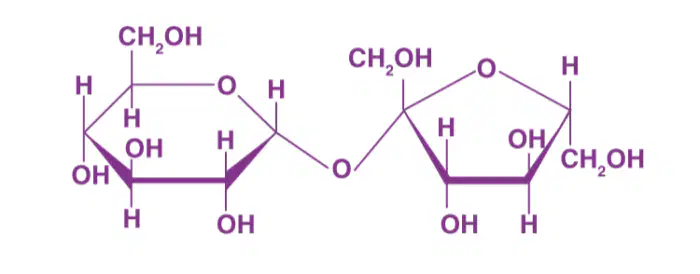
What am I?
sugar/carbohydrate
lipid
nucleic acid
protein/amino acids
What type of bond is present?
peptide bond
ionic bond
glycosidic bond
hydrogen bond
What 2 elements are present in all organic compounds? (select 2 answers)
Carbon
oxygen
nitrogen
hydrogen
How do plants store extra carbohydrates?
as glycogen
as DNA
as starch
as enzymes
How do animals store extra carbohydrates?
as glycogen
as DNA
as starch
as enzymes
Which of the following is NOT organic (there are 2 correct answers)
nucleic acids
water
carbon dioxide
glucose
Which organic compound can you recognize due to the presence of nitrogen?
protein
carbohydrates
sugars
lipids

I am the building block of a _____________ and I form ________________ bonds.
starch..... glycosidic bonds
starch.... peptide bonds
protein ... peptide bonds
protein... glycosidic bonds

Which statement best describes these two molecules?
Sugar molecules are inorganic and fat molecules are organic.
Sugar molecules are organic and fat molecules are inorganic
Energy for life processes can be stored within the chemical bonds of both molecules.
Energy for life processes can be stored within the chemical bonds of sugar molecules, only.
The shape of a protein is originally determined by the
size of the protein molecule
location of the protein within the cell
function the protein must carry out
arrangement of amino acids in the protein
How many different kinds of amino acids are there?
10
20
1
100

I am a _____________________ a source of ________________
lipid.....stored energy
carbohydrate... quick energy
lipid... quick energy
carbohydrate... stored energy
This organelle makes enzymes
mitochondria
chloroplast
ribosome
cytoplasm
I am the building block of nucleic acids
nucleotides
amino acids
simple sugars
fatty acids and glycerol
I am the building block of starch and large carbohydrates
nucleotides
amino acids
simple sugars
fatty acids and glycerol
I am the building block of protein
nucleotides
amino acids
sugars
fatty acids and glycerol
What determines how a protein functions?
the color of a protein
the shape of a protein
the order of fatty acids
the order of glycosidic bonds
Which of the following are lipids?
starch, glycogen, cellulose & glucose
DNA and RNA
enzymes, antibodies and hormones
oil, wax & most of cell membrane
Which of the following are proteins?
starch, glycogen, cellulose & glucose
DNA and RNA
enzymes, antibodies and hormones
oil, wax & most of cell membrane
Which of the following are nucleic acids?
starch, glycogen, cellulose & glucose
DNA and RNA
enzymes, antibodies and hormones
oil, wax & most of cell membrane
Which of the following are carbohydrates?
starch, glycogen, cellulose & glucose
DNA and RNA
enzymes, antibodies and hormones
oil, wax & most of cell membrane
The bond that joins two amino acids together
double bond
hydrogen bond
ionic bond
peptide bond

