
Font size
 Worksheets
Science Test
Total questions: 499
Worksheet time: 10hrs 57mins
Which is a Jamaican scientist
Albert Einstein
Dr.J.Mellow
Dr.Henry Lowe
Norman Manley
What is Dr.Henry's full name
Dr.Henry Issac Clore Lowe
Dr.Henry Fox Lowe
Dr.Henry Martin Lowe
Dr.Henry Kyle Logan Louis
What did Dr.Lowe discovered?
The medical plants which are being developed for cancer therapy and treatments
Book makers
Science-based gas masked
The treatment for diabetes patients

If you were to accidentally scratch the outermost part of your eye, which part would you damage?
The cornea
The lens
The retina
The pupil
If you were to accidentally scratch the outermost part of your eye, which part would you damage?
The cornea
The lens
The retina
The pupil

What do the lens and cornea have in common?
They both send messages to the brain.
They can both change shape.
They both contain photoreceptive cells.
They both bend light into a focused beam.

What would happen to your pupils if it's extremely bright outside?
They would let a lot of light into your eyes
They would expand and become very large
They would contract and become very small
They would close up completely

How are rods different from cones?
Rods are sensitive to light, while cones can detect color.
Cones are sensitive to light, while rods can detect color.
Cones send images to the brain, while rods do not.
Rods send images to the brain, while cones do not.

Which part of your eye is most like the film in a camera?
The iris
The retina
The pupil
The lens

Order the following: A) The optic nerve transmits signals; B) An image is projected onto the retina; C) Rods and cones transform an image into electrical impulses
B, A, C
C, A, B
A, C, B
B, C, A

What role does your brain play in the process of seeing?
It puts blurry images into focus.
It turns black-and-white images into color.
It flips upside-down images rightside-up.
It flips backwards images over so you see them the correct way.
Which animal has better eyesight than humans?


What might happen if the lens of your eye became damaged?
Your eyes wouldn't be able to focus properly.
You wouldn't be able to see in color.
You wouldn't be able to see at night.
All the images you saw would be upside-down.

What is the best synonym for "photoreceptive?"
Tissue-covered
Camera-like
Color-detecting
Light-sensitive
What is the hole in the eye that light passes through?
Pupil
Cornea
Retena
What are the TWO light sensitive cells in the eye?
Rods
Pupils
Cones
Retinas
True or False: The Rods can detect all 7 colors
True
False
What is the name of the condition in which cones cannot see certain wavelengths of light?
Visual Impairment
Photophobia
Color Blindness
Optic Atrophy
The root word Vis/Vid means to...
See
Hear
Smell
Taste
Aud is the root word for...
To hear
To see
To smell
To taste
Phon is Greek for...
hear
see
sound
touch
When you visualize something you
hear something
act something out
imagine it in your mind
cancel the sound out
The baby crying was a _____________ of sound, it was horrible to listen to
audible
vista
xylophone
cacophony
What is the definition for vista.
an interview for a particular role in a play or movie
a part of a theater where the audience sits
a pleasant view seen through a window
a machine that produces sound by a record player
It is ___________ that the class understands the lesson, everyone got 100%
evident
phonetic
audiology
provide
bear/bare, sun/son, and dear/deer are all examples of....
phonographs
videos
audios
homophones
Audiology is the science of....
hearing
speech
sound
touch
If I ask you to revise something you wrote, I am asking you to... (choose all that are correct)
re-write it
fix the answers
throw it away
show it to a parent.
All of the above
Choose all that are nouns...
Provide
visonary
symphony
phonograph
Audible
A large room where people gather to watch a performance is an....
Audience
Auditorium
Symphony
Microphone
Which roots are latin based
Audi
Vis
Vid
Phon
A visionary is someone who has ideas about what....
the future
the past
the present

What is the machine in the picture
xylophone
Audible
phonograph
Vista
1. What is the cornea?
clear structure that bends light to focus on the retina
clear layer that forms front of the eye
white outer layer of the eyeball
gel that fills space
What is the function of the iris?
helps refract light to retina
colored part of the eye that controls the amount of light that enters the eye.
clear, watery fluid
fibers that hold the lens in place
What is the aqueous humor?
fibers that hold the lens in place
clear, watery fluid
thin structure that controls pupil
helps refract light to the retina
What is the function of the lens?
clear, watery fluid
thin structure that controls the pupil
sends signal to the brain
helps adjust the amount of light entering the inner part of the eyes
What is the sclera?
clear structure that bends light to focus on the retina
clear layer that forms front of the eye
white outer layer of the eyeball
gel that fills space
What is the function of the retina?
helps with night vision
blood supply
transport the message to the brain
receives information of hat you see. it has rods and cones

What part of the eye is no. 10
lens
sclera
cornea
iris

What part of the eye is no. 11
lens
sclera
cornea
iris
What part of the eye is no. 12
lens
sclera
cornea
iris
What part of the eye is no. 14
vitreous humor
sclera
cornea
iris

What structure is responsible for carrying sensory impulses from the eye to the brain?
Retina
Optic Nerve
Iris
Rods & Cones

What will happen to your pupils if you are in a really bright room?
They will contract
They will burst into flames
They will expand
They will stay the same size

Does this show proper care for the sense organ?
YES
NO

Does this show proper care for the sense organ?
YES
NO

Does this show proper care for the sense organ?
YES
NO
Far objects appear blurry but close objects appear clear
Nearsightedness
Farsightedness
Conjunctivitis
strabismus
An eye infection that is characterized by itchiness, redness and swelling of the eyes
Nearsightedness
Farsightedness
Conjunctivitis
strabismus
The inability of the two eyes to work together. The eye is attached or is very near the nose
color blindness
conjunctivitis
cross - eyes
wall eyes
A medical doctor who treats eye diseases
ophthalmologist
optometrist
Optician
An eye doctor who examines and corrects them by means of eyeglasses/
ophthalmologies
optician
optometrist

We use our ears to
hear
smell
taste
feel
I can listen to
voices
a desk
a wall
floor

How may parts does the ear have?
1
2
3
4
Ear wax has an important job. What is it?
to help you hear
to make candles
to hear louder
it stops germs
What does the ear drum do as it receives sound?
it starts to vibrate
it does nothing
it bursts
The cochlea is filled with fluid. The fluid move tiny hairs. What happens next?
sound stops here
messages are sent to the brain
A loud sound is made by
a lot of vibrations
little vibrations
A quiet sound is
a bee buzzing
a dog barking
a baby crying
a rock concert
A loud sound is
excited children shouting
a page in a book turning
a cotton ball falling on the floor
whispering
Sound can also be
high pitched
low pitched
both
The sense organ that allow us to perceive sounds.
eyes
ears
fingers
tongue
The system in charge of the ability to identify sounds.
respiratory system
auditory system
muscular system
What two organs make up the auditory system.
ears
anvil
cochlea
brain
The auditory system is classified in how many parts?
one
two
three
four
Sound vibrations traveling through the air are called ?
molecules
odor
sound waves
vibrate
The outer part of the ear is called?
(a)
In the middle ear we can find the following parts :
hammer
anvil
stirrup
eardrum
A small circular tube filled with liquid.
stirrup
anvil
eardrum
cochlea
Processes the signal as sounds.
eardrum
brain
anvil
stirrup
How may parts does the ear have?
1
2
3
4
Ear wax has an important job. What is it?
to help you hear
to make candles
to hear louder
it stops germs
What does the ear drum do as it receives sound?
it starts to vibrate
it does nothing
it bursts
The cochlea is filled with fluid. The fluid move tiny hairs. What happens next?
sound stops here
messages are sent to the brain

What does your outer ear do?
Collects ear wax
Gathers wind
Gathers sound into the ear canal

How many bones do we have in our ears?
1
2
3
4

What are the bones in our ears for?
To reduce the vibrations
To increase the vibrations

What does the cochlea do?
It sends sounds to the eardrum.
It sends electric signals to the brain.
It sends blood to the heart.
Which sequence is correct?
Outer ear - ear drum - cochlea - ear bones
Outer ear- ear bones - ear drum - cochlea
Outer ear -ear drum- ear bones - cochlea
The ears are the organs of
hearing
sight
touch
taste


The auditory nerve sends signals to the ....
cochlea
ear drum
brain
Which is the sense organ for hearing sounds?
eyes
ears
nose
tongue
Hammer, anvil and stirrup are called (a)
The (a) is made up of thin stretched skin.

What part of the ear is pointed by the arrow number 6?
ear drum
cochlea
ossicles
ear canal
What part of the ear is pointed by the arrow number 3 ?
ear drum
cochlea
ossicles
ear canal
What is in the ears that traps dirt, protect it from infection and keeps the inner ear clean?
cochlea
ear wax
Pinna
Ossicles
The (a) sends the nerve signals to the brain for us to identify the sounds we hear.
The (a) consists of the Pinna and the Ear canal.
The (a) interprets the sounds we hear.
The ears are made up of how many main parts?
1
2
3
4


Do you think plants are living or non-living things?
Living Things
Non Living Things
What are the four main parts of a plant?
A.
Arms, legs, head, feet
B.
Flowers, stems, leaves, roots
Where are the roots of a plant located?
A.
Above the ground
B.
Below the ground
The (a) make the food for the plant.
The (a) take in water and nutrients from the soil.
What do the plant’s leaves do?
A.
They take water and minerals from the ground.
B.
They make seeds.
C.
They make food for the plant.
Plants make their own food.
True
False
What do the plant’s roots do?
A.
They take water and minerals from the ground.
B.
They make seeds.
C.
They make food for the plant.
D.
They move the water through the plant.
A student places three identical plants in the same type of containers, uses the same type of soil and the same amount of water for each plant. This student places the three plants in three different locations. Plant A is placed in a sunny area, Plant B is placed in a shaded location, and Plant C is placed in the dark room. Each day this student records the growth of each plant. Based on the information given what do you think will determine how well the plant grows?
the soil
the amount of water
the amount of sunlight
In general, plants need ______________, ______________ and ______________ to grow well.
light, water, air and cool condition
dry place, dark condition and warmth
light, water, air and warmth
medium, cold temperature, and light
In general, seeds need the things below, EXCEPT....
water
sunlight
soil
humans
What food substance is made by plants during photosynthesis?
Carbon dioxide
Glucose
Granulated sugar
Oxygen
Where is chlorophyll found in plants?
Leaves
Root
Flower
Stem
Which are examples of autotrophs? Select all that apply.
Bacteria
Humans
Plants
Algae
Humans cannot make their own food, what are they called?
Autotrophs
Producers
Heterotrophs
Herbivores
The factory or storehouse of the plant is the
flower
root
stem
leaves
Which of the following is not transported in plants?
minerals
oxygen
water
carbon dioxide
Which is a major source of nutrients in plants?
soil
leaves
stem
roots
Which are the vascular tissues in plants that are responsible for transporting substance around the plant? Select all that apply.
Leaves
Xylem
Roots
Phloem
This part of the transport system in plants is made up of dead cells.
Xylem
Phloem
Shoot
Leaves
This part of the transport system in plants is made up of living cells.
Xylem
Shoots
Phloem
Leaves
Water and minerals move upward from the root to the rest of the plant in this vascular tissue.
Root
Xylem
Leaves
Phloem
This vascular tissue carries substances from the leaves to the other parts of the plant.
Phloem
Leaves
Roots
Xylem
This is the process in which plants sweat.
Transportation
Transpiration
Explanation
Exportation
The flow of water in the xylem travels in two directions up and down.
True
False
Movement in the phloem tissue goes in one direction.
True
False
What is the stomata in plants?
Large pores in the leaves
The green pigment
The chloroplast
Tiny pores in the leaves
Sweating is the process that plants use to remove excess water.
True
False
Both plants and humans have a transport system.
True
False
Both the xylem and the phloem tissues can be found in the stem, roots and leaves of a plant.
True
False
What is needed for photosynthesis to take place? Select all that apply.
sunlight
water
carbon dioxide
chlorophyll
The part of ear that provides equilibrium
cochlea
round window
semicircular canals
labyrinth

The receptors that sense chemicals
thermoreceptors
mechanoreceptors
chemoreceptors
photoreceptors
The receptors that sense light
thermoreceptor
chemoreceptor
mechanoreceptor
photoreceptor
Receptors for taste and smell are classified as:
proprioreptors
thermoreceptors
chemoreceptors
mechanorecptors
The ________is the area for hearing.
malleus
incus
stapes
cochlea
Special structures that detect stimuli
Receptors
nerve cells
brain
medulla
Photoreceptors are found in your
eyes
ears
nose
mouth
skin
Receptors found in your mouth are
mechanical receptors
chemical receptors
sound receptors
photoreceptors
Which type of receptor is NOT found in your skin?
temperature
pain
pressure
light
Which of the following statements about sense organs is INCORRECT?
They are responsible for producing senses.
They contain sensory cells.
They are responsible for detecting stimuli.
There are five sense organs in humans.
Photoreceptors are found in your
eyes
ears
nose
mouth
skin
Receptors found in your mouth are
mechanical receptors
chemical receptors
sound receptors
photoreceptors
Which type of receptor is NOT found in your skin?
temperature
pain
pressure
light
Receptors send messages to the... (pick the MOST correct option)
control centers
brain
spinal cord
organs
Which of the following statements about sense organs is INCORRECT?
They are responsible for producing senses.
They contain sensory cells.
They are responsible for detecting stimuli.
There are five sense organs in humans.
Which of the following is the cause of illusion?
The brain is tired.
The brain fails to work.
The brain misinterprets the signals.
The signals are not interpreted by the brain.
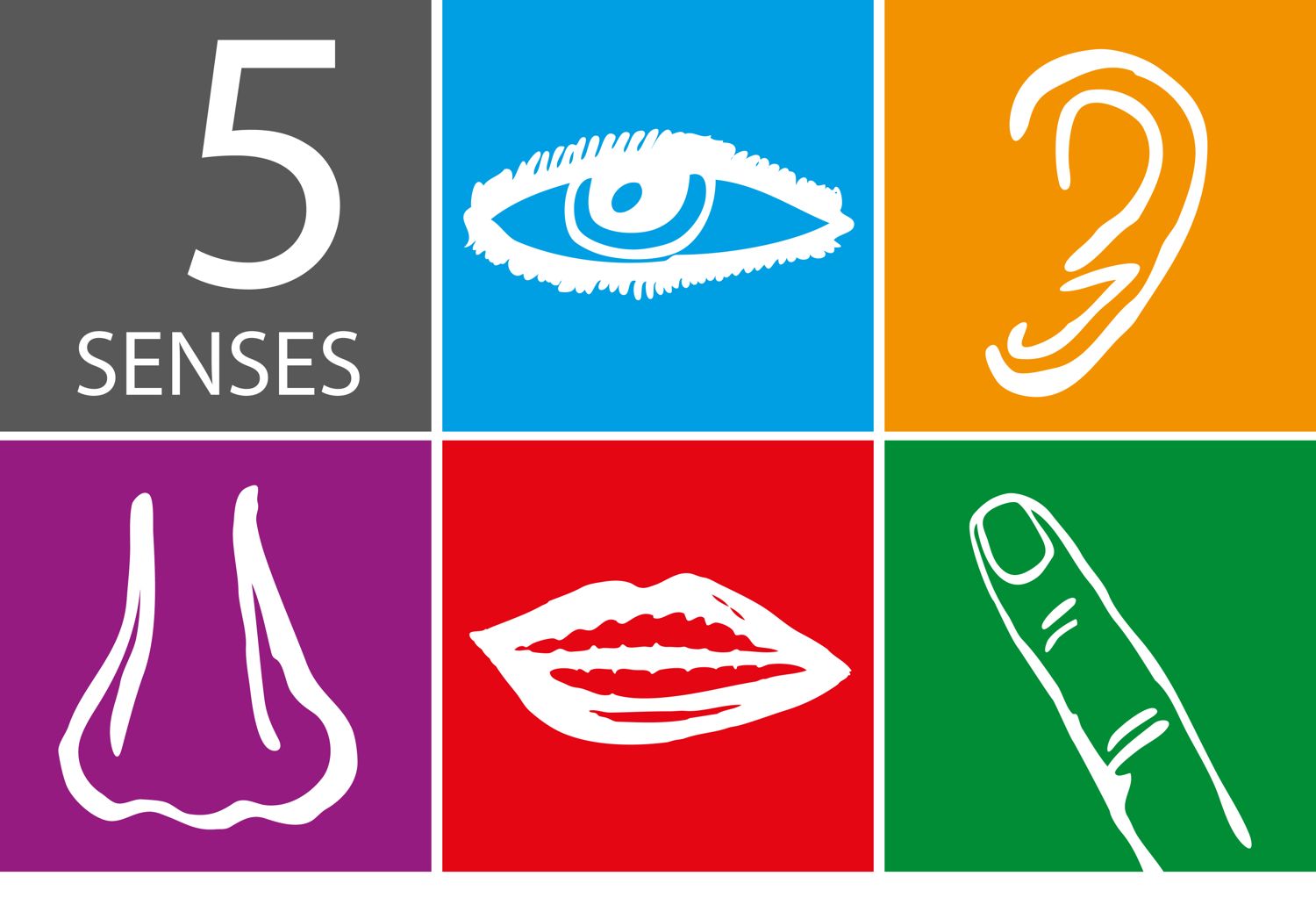
Which of the following senses are most closely related:
touch and smell
smell and taste
taste and hearing
hearing and smell
_________________ is the largest sense organ.
nose
ear
skin
We have _____________ sense organs.
10
5
3
Our nose helps us in _____________
singing and talking
smelling and breathing
touching and feeling
Our ________________ helps us in tasting food.
skin
tongue
head
The eyes give you the sense of ____________.
smell
sight
hearing
_________________ protects the eyes from dust and dirt.
Iris
Pupil
Eye lashes
When some food burns in your kitchen, which sense organ helps you to find out?
eye
ear
nose
The coloured part of your eye is called the _____________.
iris
sensors
pupil
Which sense organ has the sense of touch?
skin
eye
ear
Our body finds out about the world around us using our....
intestines
skeleton
light rays
sense organs

It is like a clear window and it covers the front of the eye.
Iris
lens
cornea
retina

Is a circular hole. Light enters the eye through the....
pupil
iris
cornea
retina

Which part is #2?
iris
cornea
retina
lens
pupil

What is the function of the iris?
It is the coloured part of the eye.
It focuses the image we see.
It sends messages to the brain.
It controls how much light enters the eye.

The pupil is located at the center of the...
sclera
iris
retina
world
retina

This part of the eye carries the nerve impulses from your eye to the part of your brain that controls vision.
cornea
lens
optic nerve
retina
choroid
Eye ball is located in____
Eye jacket
Eye socket
Skull
All the above
Your eyes are being protected by_____.
Eye lashes
Eye brows
Eye lids
All the above
Eye brows protect us from_____.
Dust particles
Water droplets slide down from forehead
Both
None
Retina is____.
Innermost layer of eye
Sensory in function
Posses receptor cells
All the above
Sense organs help us____
To direct us towards stimukus
To survive in the surroundings
To get knowledge from surroundings
All the above

Where can we find the taste buds for the animals in the picture?
around their body
on their feet
on top of their antenna
around their wings
This is the white part of the eye
Sclera
Pupil
Cornea
Iris
Define stimulus
Describe how the brain works with the sense organs to send messages to various our of our body
The dark circle, in front of the eyeball ,is _______________
Pupil
Iris
Cornea
Lens
The nerve which connects eye and brain is
Auditory nerve
Olfactory nerve
Optic nerve
None
The largest sense organ of our body is
Eye
Nose
Skin
Ear
Birds make a particular sound when they
see the availability of food
see an enemy around
call all members for taking rest
none
The snake feels different kinds of vibrations through its (a)
Which of the following has feelers on their bodies?
Housefly
Cockroach
Butterfly
none
The ____________ ear varies in shape and size in different animals.
external
middle
internal
none
The screen on which the images are formed in the eye is
pupil
iris
eyelids
retina
The function of inner ear is to
hear
direct the sound
maintain the balance of the body
convey the vibrations
The (a) on tongue are sensitive to different tastes.

What are sense organs?

Why are sense organs important?

We are the sense organs in your body...
ears, tongue, eyes, ears, skin
feet, tongue, ears, nose, stomach
hair, eyes, lips, retina, hands
ears, tongue, eyes, ears, teeth

How does this sense organ detect stimuli from the body?
The eyes help in the sense of sight by detecting and focusing on the light.
This organ helps in the sense of sight by detecting and focusing on the wind.
This organ helps in the sense of sight by detecting and focusing on sounds.
This organ helps in the sense of sight by detecting and focusing on touch.

Select the two types of photoreceptors found in the eye.
rods
roads
cones
corns

The eyes are used for.....
The ears are used for.....
The skin is used to sense ....
The tongue is used for .....
The nose is used for smelling ....
seeing, hearing, touch, tasting, smelling.
hearing, biting, chewing , tasting, smelling
touching, tasting, writing, smelling, chewing.
hearing, seeing, touch, smelling, tasting

Ears are the ..... sense organs in the body.
visual
auditory
sensory
physical

What is the function of the taste buds?
The taste buds help in sensing different tastes.
The taste buds help in sensing different sounds.
The taste buds help in sensing different temperatures.
The taste buds help in sensing different objects.

The largest organ of the body is the (a)

How does the skin detect stimuli from the environment ?

What would happen if you did not have any sense organs?

What have you learnt in today's class ?

How can your sense of smell keep you safe?

What can your senses tell you about a flower?
What are the four planets closest to the Sun called?
Gas Giants
Outer Planets
Inner Planets
Dwarf Planets
How much Planets are are in our Solar System?
10
8
16
9
What are the four Planets furthest away from the Sun called?
Inner Planets
Moons
Outer Planets
Dwarf Planets
What is another name for the Inner Planets
Terrestrial Planets
Gas Giants
Outer Planets
What is at the center of our Solar System
The Moon
The Sun
Asteroids
Comets
WHAT IS A SIMPLE MACHINE?
THEY ARE MACHINES
THEY ARE MACHINES WITH 1 OR 2 PARTS, HELP US MAKE WORK EASIER
THEY ARE COMPOSED FOR 3 OR MORE PARTS
WHAT ARE THE TYPES OF SIMPLE MACHINES?
PULLEY AND LEVER
PULLEY, LEVER, WHEEL, CAR, AXE, KNIFE
PULLEY, WHEEL AND AXLE, LEVER, SCREW, INCLINED PLANE, WEDGE
CHOOSE THE LEVER


CHOOSE THE INCLINED PLANE


CHOOSE THE SCREW


CHOOSE THE WHEEL AND AXLE


CHOOSE THE WEDGE


CHOOSE THE PULLEY


WHAT IS WORK?
IT IS WHEN YOU USE YOUR FORCE TO MOVE AN OBJECT
DO DIFFICULT THINGS
THINK A LOT
CHOOSE WHAT WORK IS


Which States of Matter has a chemical and physical property?
Element
Compound
Mixture


To protect our skin from sun damage we should:
use lip balm with sunscreen
wear a brimmed hat
use sunscreen lotion on our skin
use all of the above
______ gives the skin its colour.
blood
hair
fats
melanin
The external part of the skin is the:
dermis
nerves
epidermis
sweat glands
What provides heat for the body?
fat cells
blood
nerves
sweat gland
The substance in the mouth which helps to break down food.
mucus
tongue
teeth
saliva
______ and _____ enable us to tell if food is suitable for eating
Tasting , smelling
Brain, seeing
Seeing , feeling
Nerves, smelling
Taste buds detect _______ basic tastes.
7
3
4
5
Which of the following helps us to swallow?
nose
tongue
eyes
blood
______ is a waste which escapes through the pores of the skin.
tears
sweat
saliva
mucus
The septum is a part of the:
skin
dermis
nose
nerve
The papillae contain:
mucus
sweat glands
taste buds
sticky fluid
The nasal cavity is
a space behind the nose
the two openings in the nose
the lining of the nose
a space in the throat
Tiny holes in the skin are called
melanin
nerve ending
glands
pores
The _______ is formed mainly of dead cells.
dermis
epidermis
nerve ending
glands
What name is given to the three small bones in the ear:
cochlea
ossicles
stirrup
hammer
Which shows the correct order in which we smell?
brain ----- nasal cavity ---- air molecules ---- olfactory cells
olfactory cells ------ brain ----- air molecules ---- nasal cavity
air molecules ----- nasal cavity ----- olfactory cells ------ brain
air molecules ---- olfactory cells ------ brain ---- nasal cavity
John woke to the aroma of freshly baked cookies. Which sense organ alerted him?
eyes
ears
tongue
nose
Most animals have a sense of smell.
Animals use their sense of smell for all Except:
protection from enemies
drive away their mates from them
recognize food and family
communication to let others know its their territory
Molly is presenting to her group on ways to care for the nose. Which of the following is correct?
a) wear a dust mask when exposed to dust
b) put a pencil in the nose to scratch it
c) inhale harmful chemicals
d) cut out the cilia
b only
a only
a and d
all the above
Which is True about the mucus membrane?
it is rich with blood vessels and warms the air we breathe
it works like an air filter
itt separates the nostrils
it keeps germs from entering our lung
What are Forces?
Only when you lift a object
Only when you push a object
A push or pull on a object
Another name for energy
What is contact force
A contact force is force without contact
A contact force needs contact to move a object
A contact force is potential and kinetic energy
Which of the options are contact force
Magnetic force
Applied force
Friction
Gravity
What do you use to measure force
Energy
Forces
Newtons
Grams
John tried to move a wall. It did not move. Why was that?
He did not use enough force
The wall was too light
He was too weak
The boy was healthy
What is potential energy
Stored energy
Moving energy
No energy
John tried to move an anchor. Did it move
No
Yes
A ball was stationary until the door was opened and it hit the ball across the room. What type of energy did the ball have when stationary?
Light Energy
Potential Energy
Kinetic Energy
Electrical Energy
Which options forms of energy
Heat
Friction
Sound
Gravity
Why are our teeth important?
They help us to talk
They help us to smile
They help us to eat
All of the above

This tooth is called an
canine
incisor
premolar
molar
These teeth grind and chew our food
canines
molars
incisors
All of the above
How many teeth do adults have?
(a)
I use (a) to tear food.
______is the visible, outermost covering of your teeth. The colour of healthy ______varies from light yellow to a gray or blue-like white. It's the hardest substance in the human body.
root
enamel
nerve
pulp cavity

These are parts of a tooth except
nerve
enamel
pulp vessel
root
To care for our teeth we need to
brush
floss
eat healthy foods
All of the above
What will happen if we do not take care of our teeth?
(a)
Name 3 household items that we use to take care of our teeth
(a)

GO
GROW
GLOW

GO
GROW
GLOW

GO
GROW
GLOW

GO
GROW
GLOW

GO
GROW
GLOW

GO
GROW
GLOW

GO
GROW
GLOW
What are the three food groups?
proteins, minerals,water
glow, grow, go
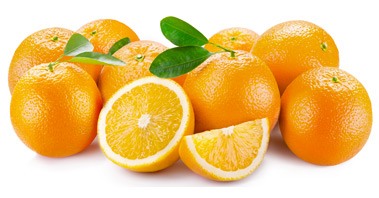
The picture above is part of which food group?
Go foods
Glow foods
Which of these is a grow food?
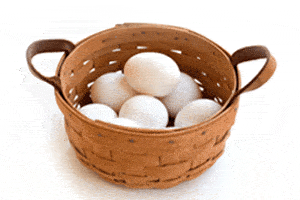
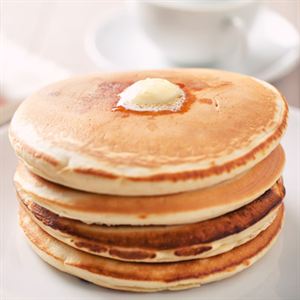
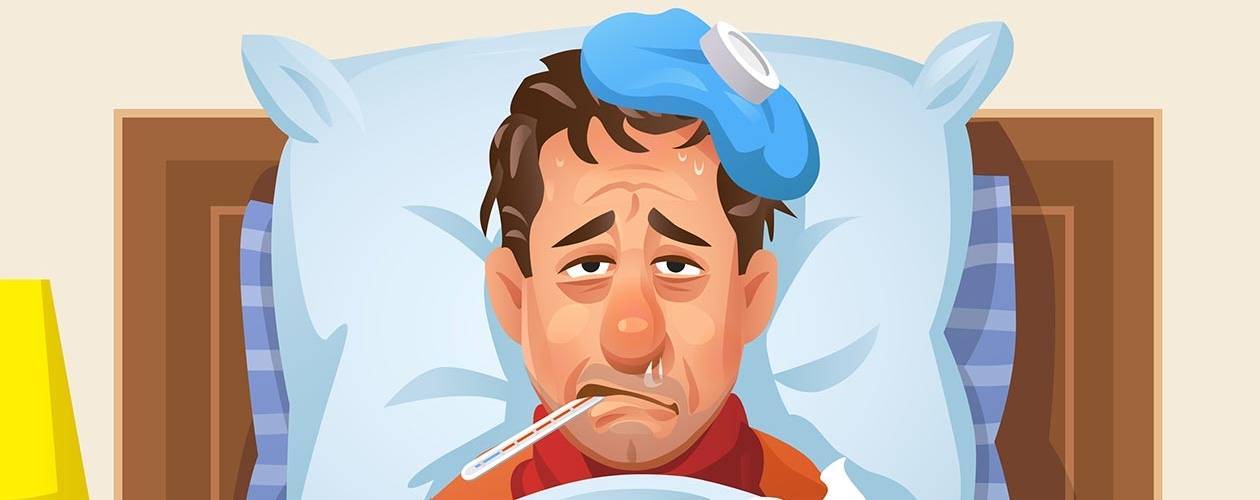
Which type of food does he need?
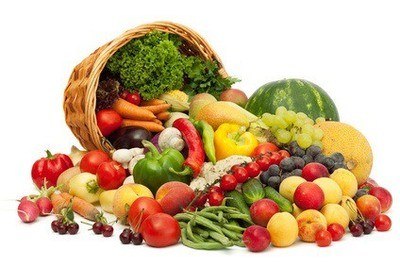
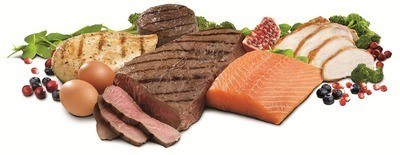
We eat 'GROW' foods to...............
make us big and strong
make our brains work faster
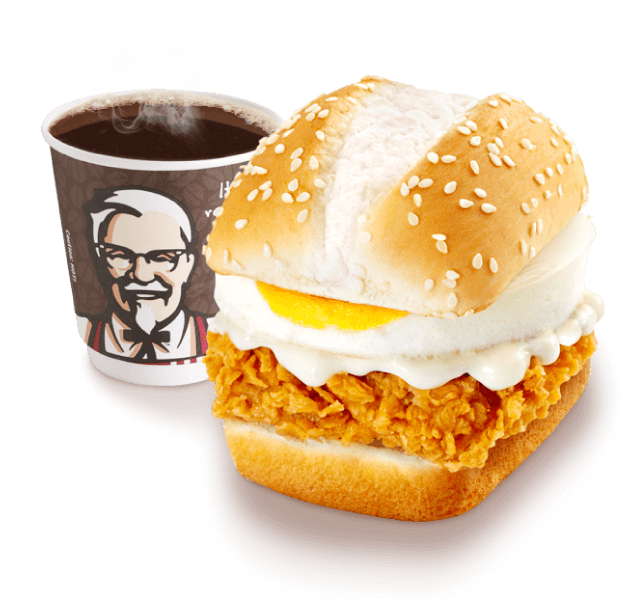
Which is the HEALTHIEST breakfast?
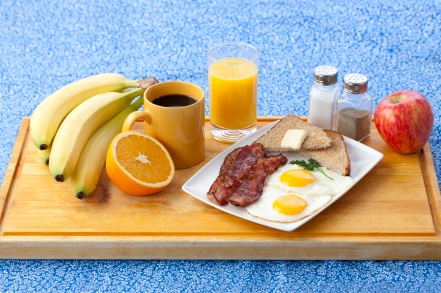
GO foods contain lots of .......
carbohydrates and fats
minerals and vitamins
Which one does not help us to be healthy?
watching more TV than sleeping
drinking lots of water
The digestive system changes the food into ___________.
water
juices
nutrients
The stomach shapes like the letter?
C
L
J
The stomach is made of ___________________.
plastic
rubber
strong muscles

Name the biggest organ in the digestive system.
What is the function of the small intestine?
What happens to the shape and size of your stomach when food goes into it as you eat six (6) slices of pizza?

Which word best matches this picture?
Hand
Feet
Ear
Complete the sentence.
I use my ______ to smell.
Tongue
Eyes
Nose

What do this sense organ helps us to do?
Hear
See
Taste

Which word best names this picture?
Hands
Ears
Nose
Eyes
Which picture shows the first stage of life?
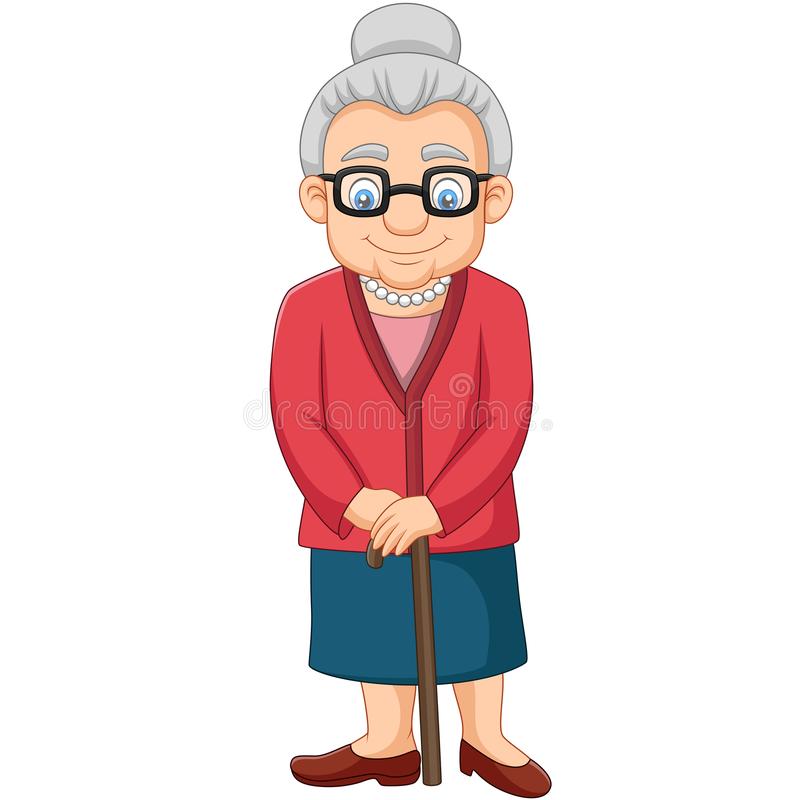
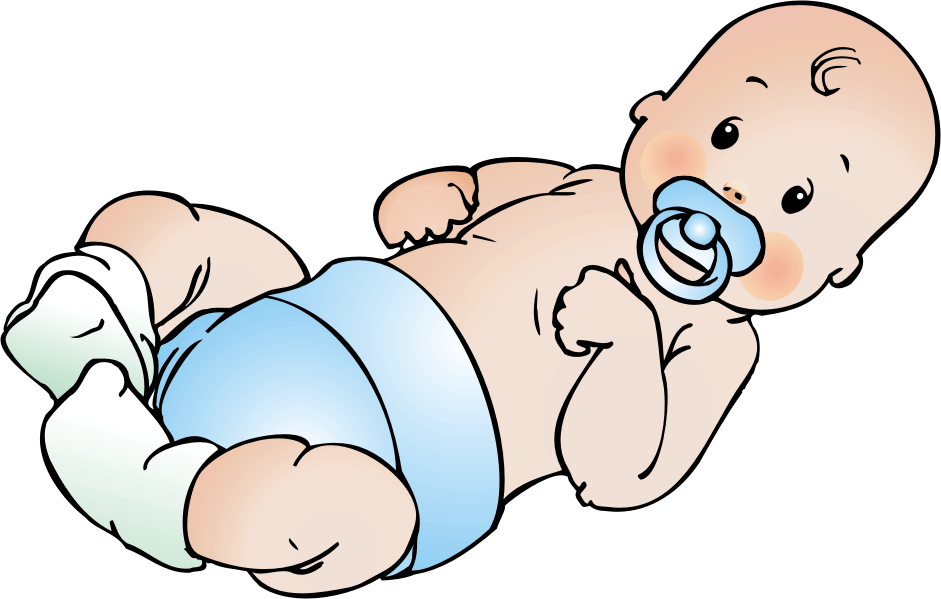
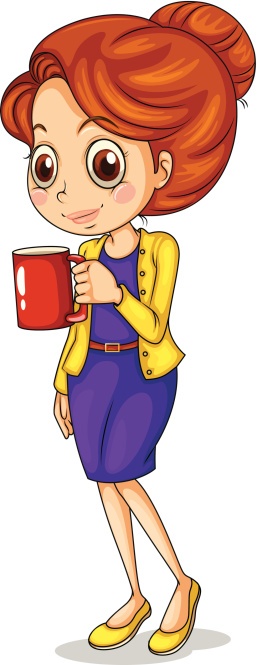
Which picture shows the third stage of life?
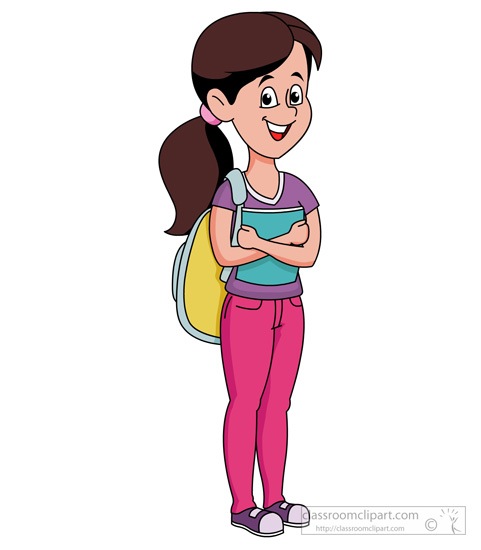
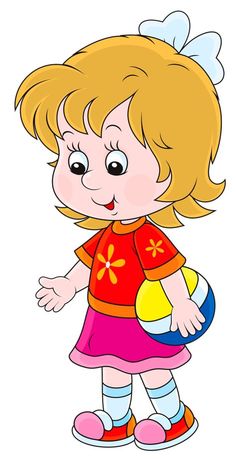
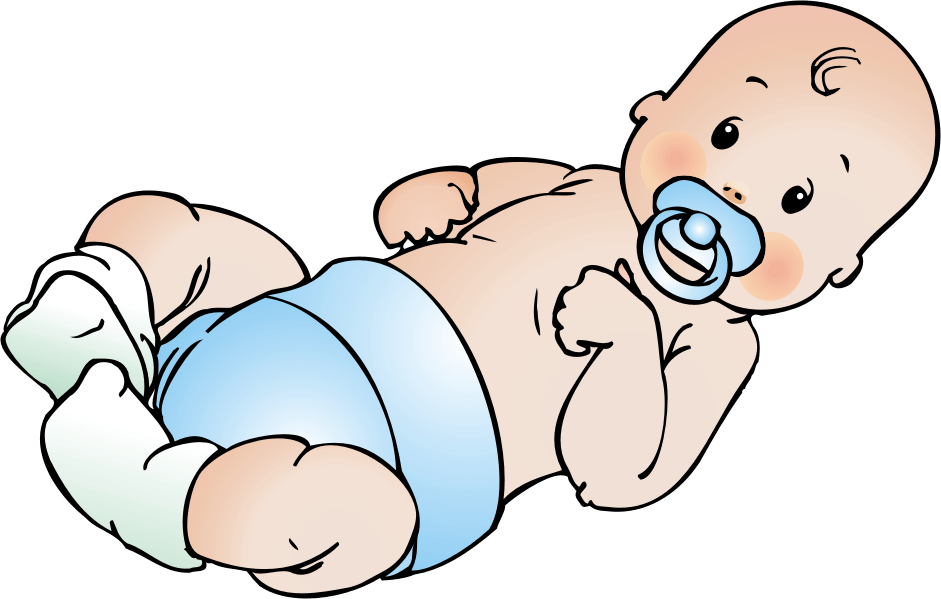
What is the last stage of life?

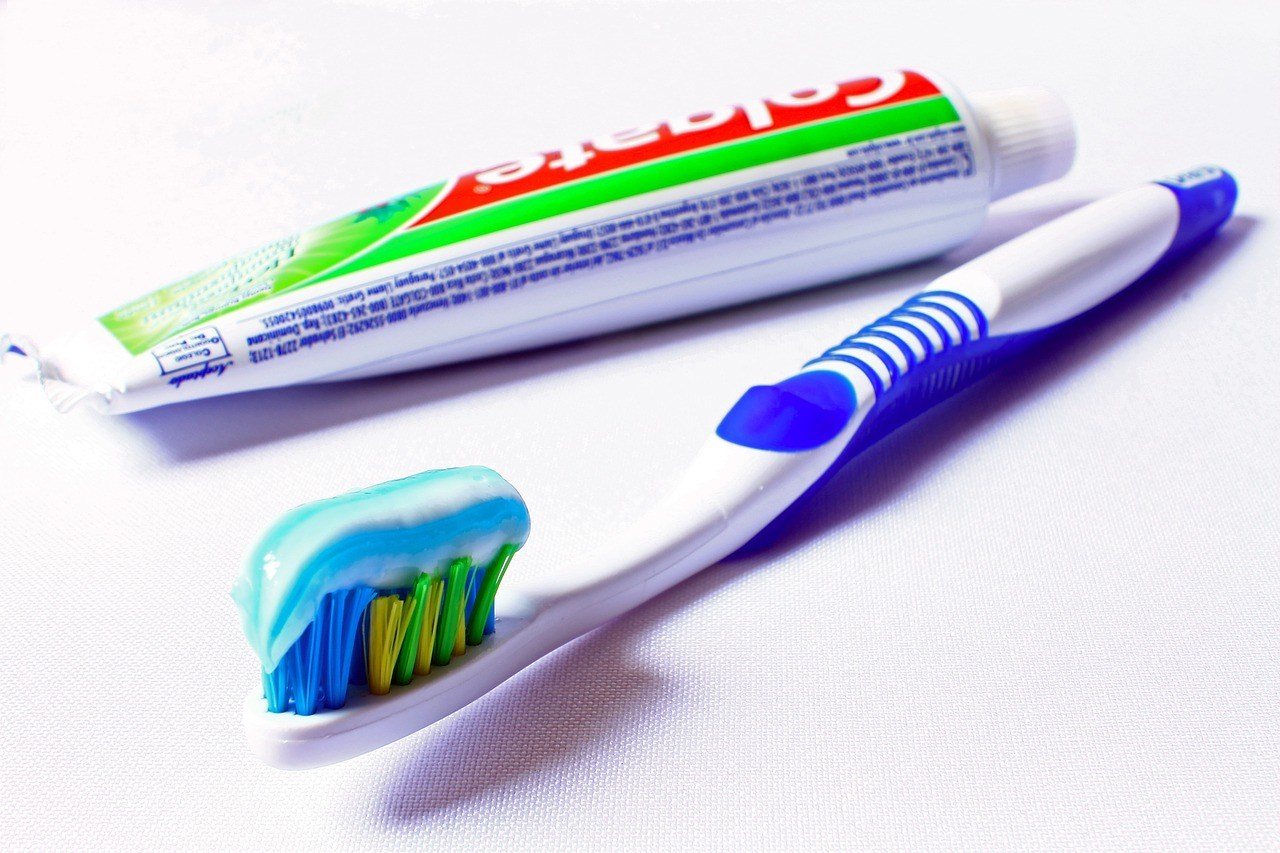
Which part of the body can I use this object to clean.
Hands
Hair
Teeth
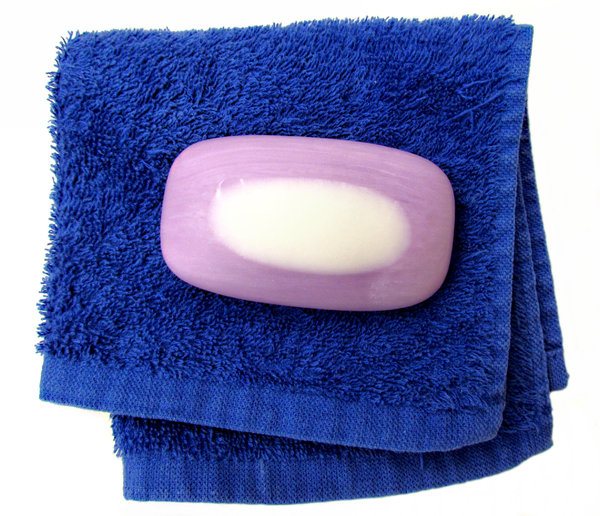
What can I use to bathe?
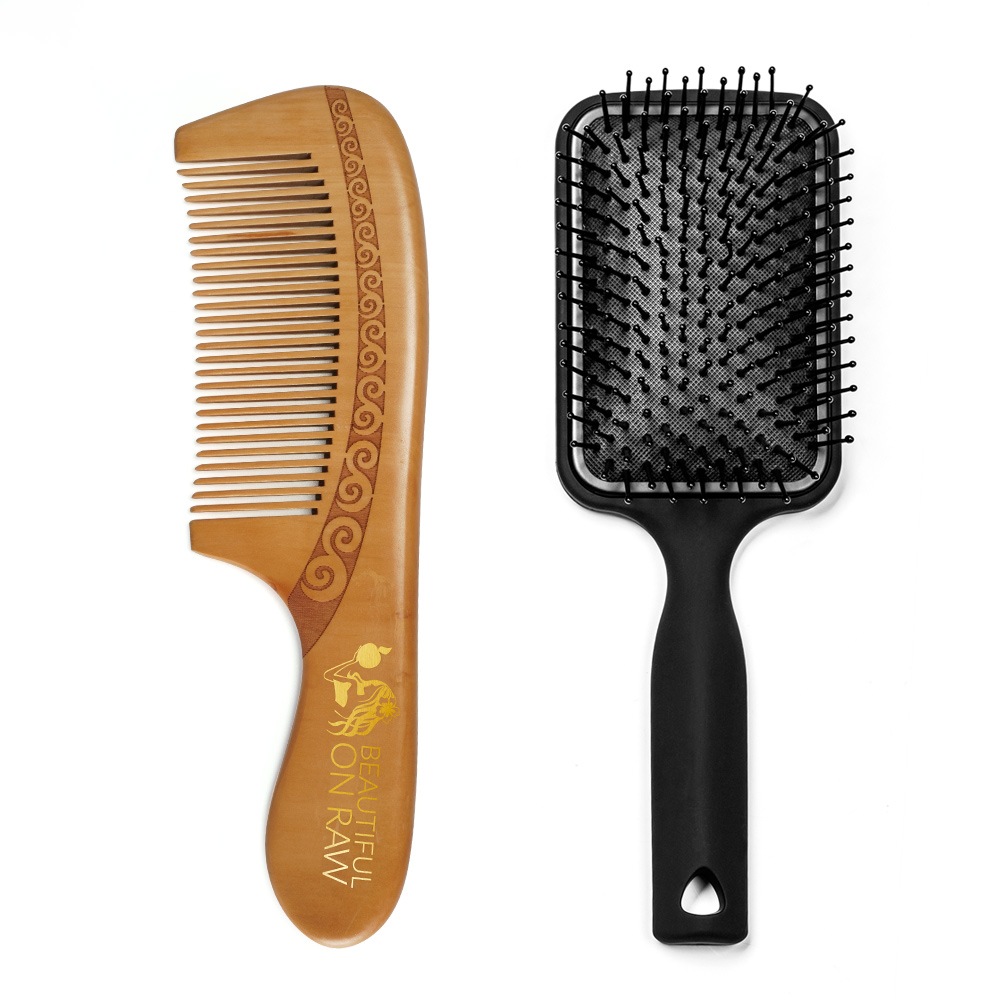

I use this object to cut my finger and toe nails. What am I?
Toothbrush
Comb
Nail clip
Rag

What is the name of this action?
Hopping
Skipping

Jane likes to sit at her table. What is the action she is doing in this picture?
Talking
Singing
Writing

My friends and I like to play together. What are we doing?
Skipping
Hopping
Running
Writing
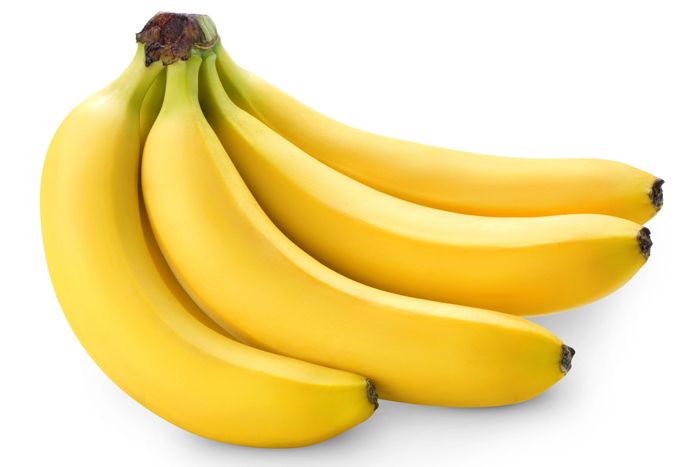
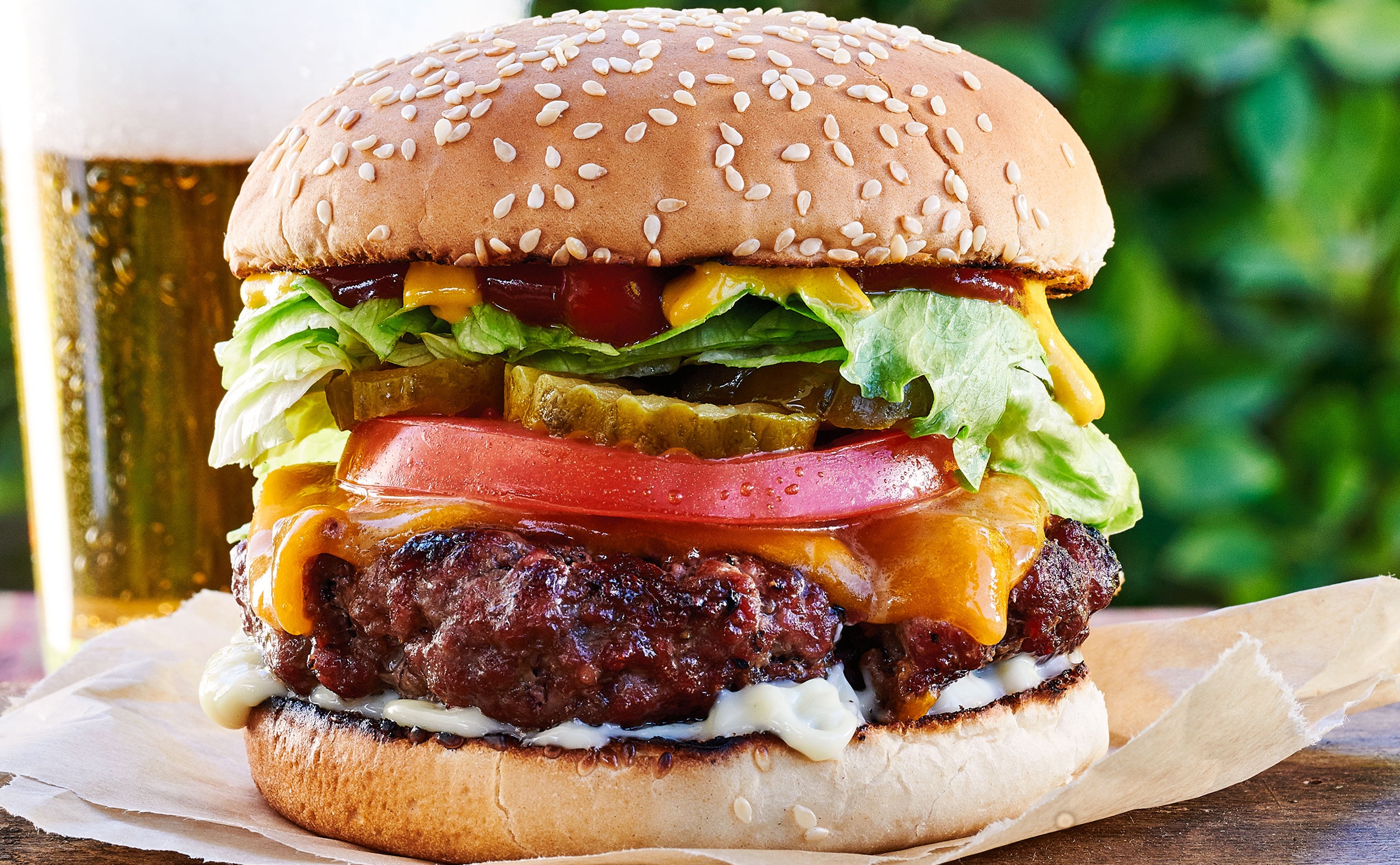
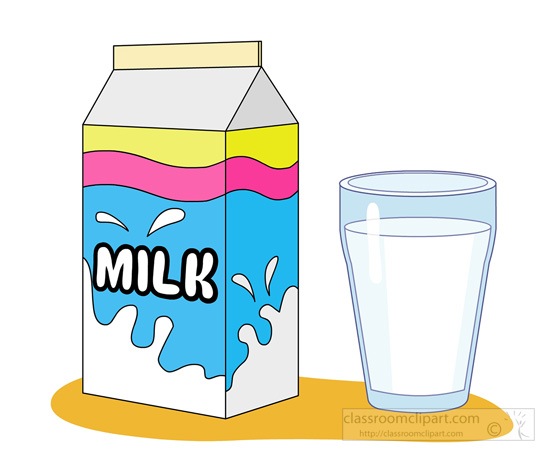
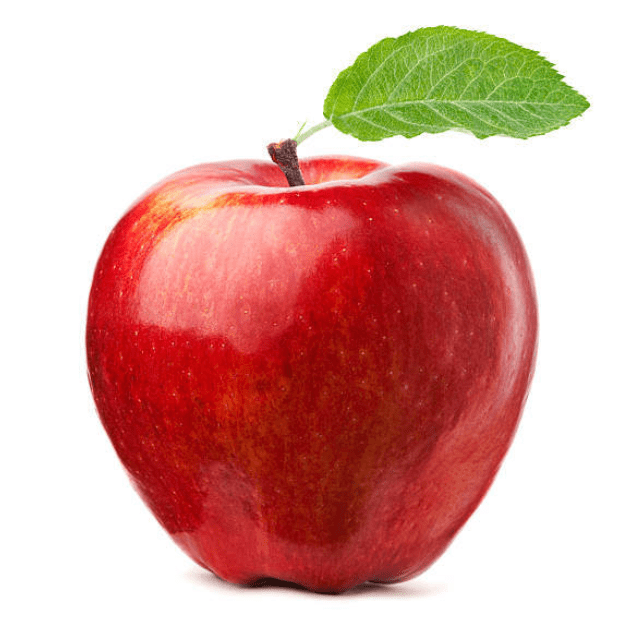
Healthy foods are good for us. Which foods are healthy?
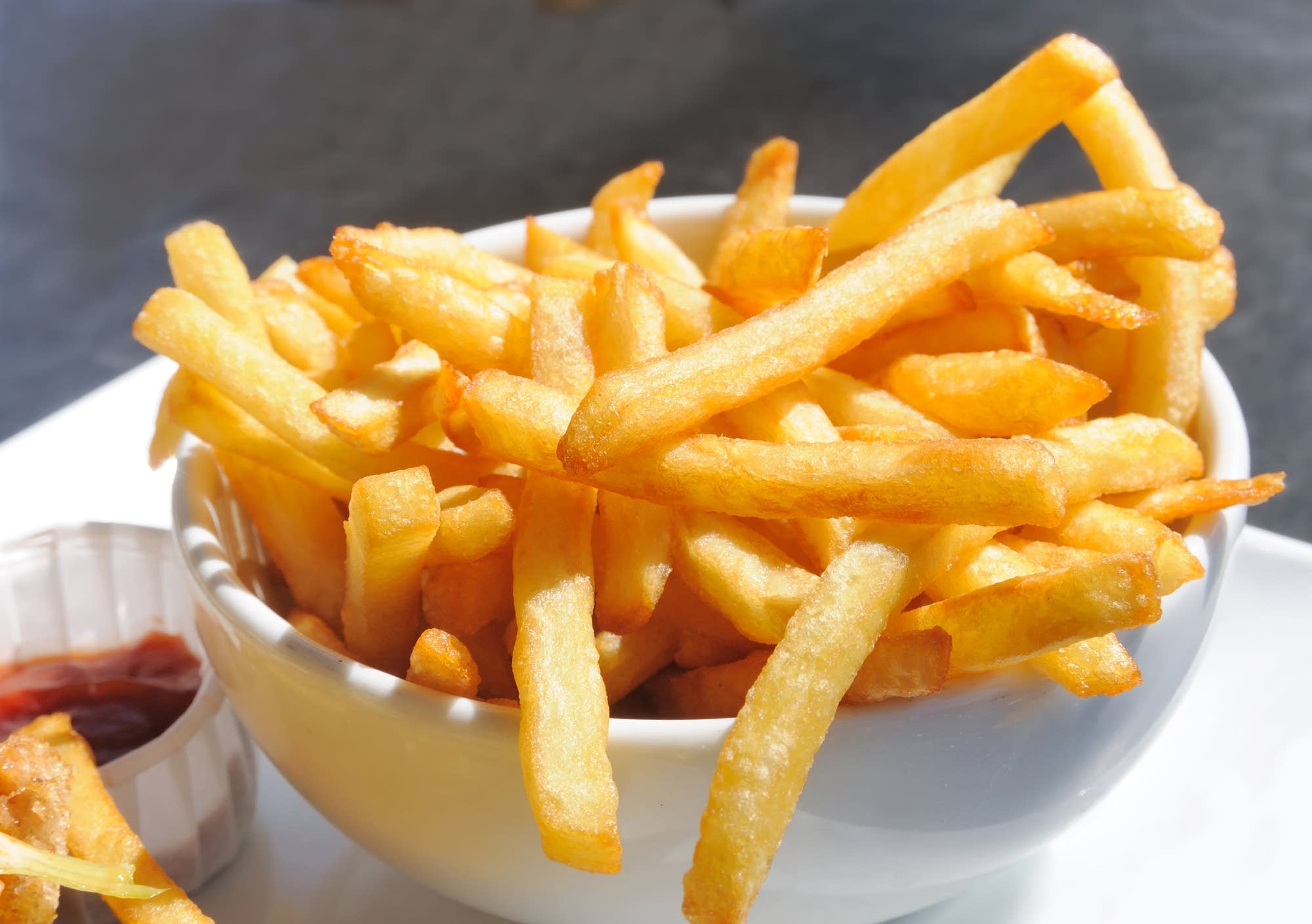
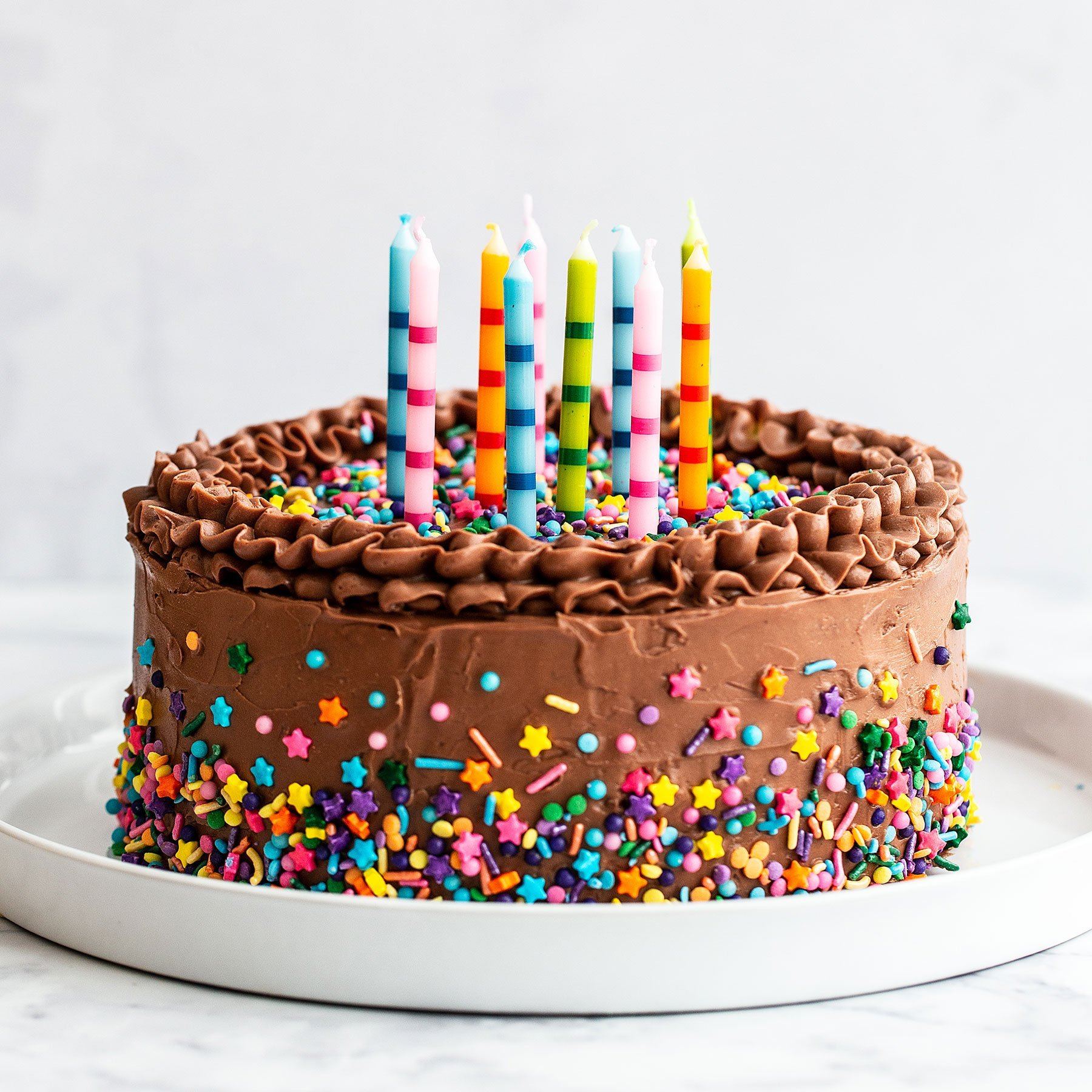
Unhealthy foods are not good for our body. Which foods are unhealthy for us?

Which word matches the picture?
Farmer
Shop keeper
Cook

I am a food provider. What is my name?
Shop keeper
Fisherman
Baker
Farmer

What is the name of this body part?
Hands
Ears
Nose
I can be found on your body, you use me to walk. What am I?
Head
Nose
Feet
I can be found on your head. You use a comb or brush to take care of me. What am I?
Eyes
Nose
Hair
Mouth

We are body building foods. We are the
GO Foods
GLOW Foods
GROW Foods

We are help your hair, skin and nails to be healthy. We are the
GO Foods
GLOW Foods
GROW Foods

We give you lots of energy. We are the
GO Foods
GLOW Foods
GROW Foods

Which type of food is this?
GO Food
GLOW Food
GROW Food

Which type of food is this?
GO Food
GLOW Food
GROW Food

Which type of food is this?
GO Food
GLOW Food
GROW Food

Which type of food is this?
GO Food
GLOW Food
GROW Food

Which type of food is this?
GO Food
GLOW Food
GROW Food
Glow foods are important as they
Give us energy to run and play.
Build up our bodies
Help our hair, skin and nails to be healthy.
Grow Foods are essential to our daily diets as they
Help our skin, hair and nails to be healthy.
Give us energy to run and play.
Build up our bodies.
Go foods are important as they help to
Build our bodies.
Provide the energy we need.
Keep our hair, skin and nails healthy and glowing.
Paul had apple juice and fruit salad at snack time. He had Grow Foods.
TRUE
FALSE
Crystal ate crackers and pasta at lunchtime. She had Go foods.
TRUE
FALSE
Jamar had three slices of ham, a chicken leg and a glass of milk for dinner. He had Grow Foods.
TRUE
FALSE
1) What is the part of the tooth you can see above the gum?
(a)Crown
(b) Pulp
(c) Cavity
What is the correct order of arrangement of teeth from front to back of the mouth?
Incisors, Canines, Premolars, Molars.
Canines, Premolars, Molars, Incisors.
Incisors, Premolars, Canines, Molars.
What is the function of incisors?
For cutting
For grinding
For swallowing
None of the above
What is the function of canines?
Tearing
Cutting
Grinding
All of the above
The pulp at your teeth contains ______, which send messages to the brain if your ice pop is too cold.
blood vessels
nerves
brain waves
none of the above
This type of tooth is pointy, sharp, and made to help tear food.
molars
incisors
canines
pre molars
What kind of teeth do babies have?
primary
permanent
These teeth are big and strong to help you grind food so it can be swallowed.
wisdom teeth
canines teeth
molars teeth
premolar
What is pink and helps hold our teeth in place in our mouths?
gum
tongue
cheeks
lips
How many baby teeth do we usually have?
10
16
20
26
Teeth not only help you eat, but they also help you:
taste
talk
hear
think
The pulp contains ______, which send messages to the brain if your ice pop is too cold.
nerves
brain waves
receptors
What makes up the roots of your teeth and attaches to your jawbone?
cement
paste
mucus
cementum
How many teeth are there in the human body
33
34
32
43

Our sense organs ................. information from our surroundings
receive
interprets
The sense of .............. is related with the eyes.
sight
smell
touch
hearing
taste

The sense of .............. is related with the tongue.
sight
smell
touch
hearing
taste

The sense of .............. is related with the skin.
sight
smell
touch
hearing
taste

The parts of the nervous system are: the brain and nerves.
true
false

The.............carries messages from the tongue to the brain.
optic nerve
taste buds
receptors from the skin
auditory nerve
olfatory nerve

It's quiet
It's soft
It's dry
It's loud

It's rough
It's loud
It's soft
It's ugly
The sense related to the nose is ......
Smell
Touch
Taste
Sight
The hardest and strongest type of rock.
granite
limestone
sandstone
A type of rock that forms when grains of sand are compacted together over significant periods of time.
limestone
granite
sandstone
A type of rock that is made up of bits of animal shells.
granite
limestone
sandstone
A place where rocks are dug from the ground.
quarry
minerals
rocks
ocean
Rocks are made of _______________.
quarry
minerals
soil
stones
a type of soil that consists of small pieces of rock and it has poor water holding capacity.
sandy
clay
stony
compost
The ___________________ has let least water through because it has few rocks.
stony
sandy
compost
The ________________________soil has let most water through because it has lots of rocks.
stony
sandy
compost
wood


wool


metal


fabric


rock


rubber


plastic


I have two . . . . .
Eyes
Nose
Ears

I can smell good and smell bad,
I have .......
Ears
Nose
Hands

I have two ..... to hear the birds chirping
Feet
Shoulder
Ears
you can . . . . . with your tongue


To stay healthy. You Need . . . . .


Which food is healthy diet . . . . .


to stay healthy you need exercise too, there are playing soccer, cycling, swimming, skipping and . . . . .
running
sleeping
reading
Humans and Animals have five senses, there are : sight, smell, taste, touch and . . . . .
Eating
Hearing
Bonding
Humans are similar, but different, too
the correct picture is . . . . .


Which is young similar to their parents . . . .


this picture describe about . . . . .
Kitten become cat
The fawn become a deer
Caterpillar become butterfly
Humans can have babies. these babies grow up into adults
the correct picture is . . . . .


this object made of . . . . .
Wood
Paper
Glass

these objects made of . . . . .
Plastik
Metal
Rubber

this object made of . . . . .
Rubber
Glass
Fabric

this object made of . . . . .
Rubber
Paper
Fabric

This object made of . . . . .
Paper
Wood
Glass
the book made of paper
the correct picture is . . . . .


human have sense material.
as such as diamond is very shiny
the correct picture is . . . . .


Materials have a lots of . . . . .
Hardest
Properties
Materials
I have two . . . . .
Eyes
Nose
Ears
I can smell good and smell bad,
I have .......
Ears
Nose
Hands
I have two ..... to hear the birds chirping
Feet
Shoulder
Ears
you can . . . . . with your tongue
To stay healthy. You Need . . . . .
Which food is healthy diet . . . . .
to stay healthy you need exercise too, there are playing soccer, cycling, swimming, skipping and . . . . .
running
sleeping
reading
Humans and Animals have five senses, there are : sight, smell, taste, touch and . . . . .
Eating
Hearing
Bonding
Humans are similar, but different, too
the correct picture is . . . . .
Which is young similar to their parents . . . .
this picture describe about . . . . .
Kitten become cat
The fawn become a deer
Caterpillar become butterfly
Humans can have babies. these babies grow up into adults
the correct picture is . . . . .
this object made of . . . . .
Wood
Paper
Glass
these objects made of . . . . .
Plastik
Metal
Rubber
this object made of . . . . .
Rubber
Glass
Fabric
this object made of . . . . .
Rubber
Paper
Fabric
This object made of . . . . .
Paper
Wood
Glass
the book made of paper
the correct picture is . . . . .
human have sense material.
as such as diamond is very shiny
the correct picture is . . . . .
Materials have a lots of . . . . .
Hardest
Properties
Materials

non-living thing


living thing


non-living thing


They are .....
living things
non living things

Living things are ....
alive
dead
bences


farm


beach


ocean


aquarium


clam


monkey


grass


Animals need food and water.


not enough food and water


too much food and water


Human need food and water.


food from animals


food from plant


rice plant


Anything which carries electricity is called a
conductor
metal
insulator
gas

Electricity is
a liquid
alive
a form of energy
a gas

Sound is something which
is alive
is loud
can be heard
is a vibration

A peacock's feathers are for
keeping warm
scaring away predators
camouflage
flying

When a liquid freezes it turns into a
solid
liquid
gas
mess

The rib cage protects
the brain
the arms
the stomach
the heart and lungs

This is a skeleton of a
reptile
fish
bird
mammal

This is a skeleton of a
bird
mammal
fish
reptile

A duck has webbed feet to help it to
walk
fly
swim
think

This is called a
bar of chocolate
piece of wood
piece of plastic
magnet

The nails are ________ the magnet
stuck to
attracted by
eaten by
repelled by

This is called an electric
bulb
wire
switch
cell

It is dangerous to touch the light bulb because it will
break
burn you
cry
give you an electric shock

The jelly fish is
a reptile
an invertebrate
a mammal
a bird

The yak has thick fur to
keep it warm
make it attractive
help it run
keep it cool

Water freezes at _______ degrees Celsius.
100
0
10
25

The polar bear's sharp claws help it
keep warm
swim
catch food
smell food

A _______ measures how hot or cold something is
clock
balance
thermometer
ruler

A snake is a
reptile
amphibian
bird
fish

A frog is
a fish
an amphibian
a reptile
a bird
Which one of the following animal that live on the land?
dolphin
dog
star fish
What plant need to grow?
water
rice
meat
What animal that are live on the sea?
dolphin
dog
fox
Which one is not living things?
animal
plant
chair
To keep our body healthy, we should ...
eat as many as we can
eat healthy food
eat a lot of rice
After going outside, we should ...
wash our hand
eat together
sleep enough
To avoid the corona virus, we should put on ... when we go out.
raincoat
umbrella
mask
What should we do if we are having a pet?
giving candy
feed them
singing together
What we call the young of dog?
puppy
kitten
tadpole
Young of elephant is ... from the adult elephant.
different
look like
bigger
I fall down in the form of drops of water. I come from clouds. My name is ___.
Wind
Rain
Breeze
Strom
Choose the odd option from the following options.
Summer
Winter
Monsoon
Noon
About ______ of our body weight is Water.
70%
60%
50%
140%
When the weather same for few months, it is called _____.
Storm
Seasons
Thunder
Light
Choose the correct answer for the question:
____ and ___ wind is called breeze.
hard
Soft
Strong
gentle
In the ___ and ___ the sunrays are slanting.
Mid night
Noon
Morning
Evening
(a) is present all around us.
Moving air is called ___.
Rain
Wind
Breeze
Humans and animals breathe in (a) .
Sunny days are hotter than cloudy days.
False
True
Air also contains (a) and germs which makes the air impure.
___, ___ and ___ are the main seasons in India.
Summer
Spring
Winter
Monsoon
The humans breathe in the gas Carbon – di – oxide.
False
True
Rain is very good for ____.
Garbagges
Shoes
Crops
The continuous cycle of water is called as ___
Oxygen cycle
Water cycle
Nitrogen cycle
The clouds ___ the sunrays.
enter
allow
block
____ is formed when water vapour mixes with dust particles and gets cooled in the sky.
Strom
Clouds
Thunder
Breeze
Choose the rainy season from the given options.
Summer
Monsoon
winter
Autumn
(a) is the hottest time of the day.
Carbon – di – oxide gas is used by plants to prepare their own food.
True
False
Body _______ work together in tissues and organs.
muscles
skin
cells
___________ in the nervous system travel as electrical signals in a network of nerves.
impulses
directions
messages
The ____________ is the largest part of the brain.
brain stem
cerebrum
cerebellum
The cerebellum helps us with _____________and _____________.
breathing
sleep
balance
movement
The cerebrum helps us with _____________and _____________.
memory
sleep
working out things
eating
The brain stem controls _____________, breathing, sleep and _____________.
memory
heart rate
eating
balance
The messages get to and from the brain by the _________ system.
nervous
circulatory
digestive
respiratory
The _____________ controls our body systems and allows us to think and feel emotions.
liver
lungs
heart
brain
The ____________ protects the brain from damage.
head
skull
heart
eyes
The ____________ is the smallest part of the brain.
brain stem
cerebrum
cerebellum

