
 Worksheets
Chemical reactions in biology
Total questions: 67
Worksheet time: 48mins
The process by which plants, some Bacteria, and some Protists make their own food is called __________.
Phototropism
Cellular Respiration
Mitosis
Photosynthesis
Why is sunlight/ light energy written above the arrow and not as a Reactant?
Sunlight makes plants green and only green plants photosynthesize
Light energy travels through the plant down to the roots and causes the water rise
Sunlight is needed for the chemical reaction in photosynthesis to occur
Light energy can be written as either a Reactant or a Product of photosynthesis
Multiple select: What are the products of photosynthesis?
oxygen
water
glucose
carbon dioxide
light energy
Where does photosynthesis occur?
Golgi Body
Chloroplast
Nucleus
Mitochondria
Cell Wall
Multiple select: An organism that cannot make its own food is called a/n __________.
abiotic
autotroph
producer
consumer
heterotroph
Nearly all living organisms obtain energy either directly or indirectly from the ____________ captured during photosynthesis.
sun
moon
soil
water
atmosphere
Where does the digestive system start?
The liver
The throat
The stomach
The mouth
physical digestion

Sugar belongs to which class of macromolecules?
proteins
lipids
nucleic acids
carbohydrates


Photosynthesis requires what organelle to occur?
Mitochondria
Chloroplast
Cytoplasm
Endoplasmic Reticulum
Cellular Respiration requires what organelle to occur?
Mitochondria
Chloroplast
Cytoplasm
Endoplasmic Reticulum
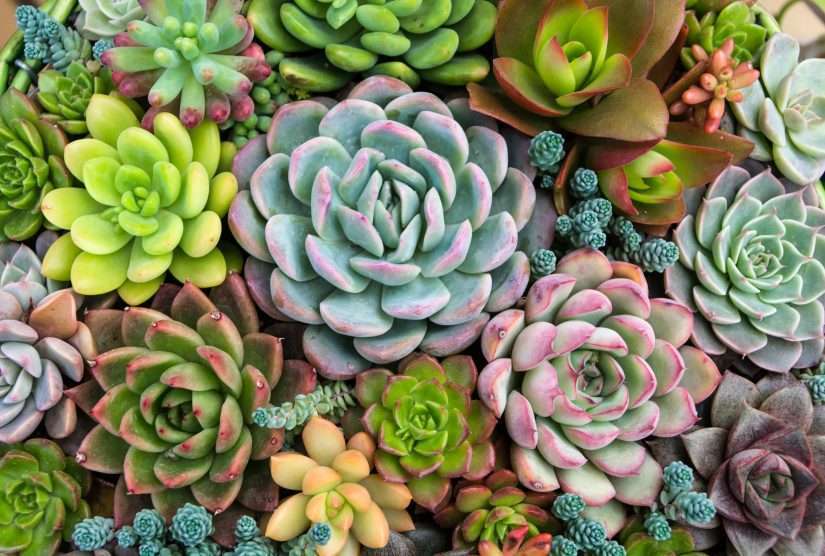
In regards to how they obtain energy, these organisms are what?
Autotrophs
Heterotrophs
Plants
Photophilic
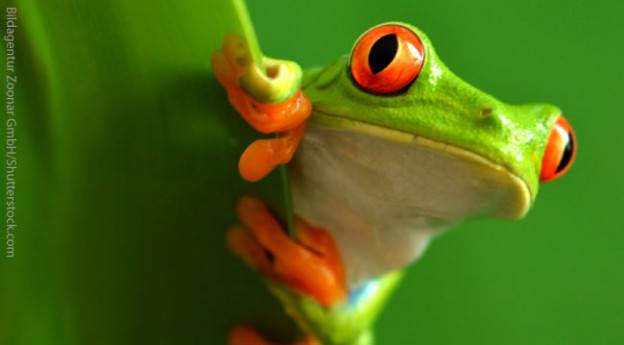
In regards to how it obtains energy, this frog is what?
Autotrophic
Heterotrophic
Animal
Cellular Respiration
Almost every food chain/web on planet Earth can be traced back to a ____________ or an ____________.
Plant
Animal
Algae
Chloroplast

What process does this represent?
Photosynthesis
Cellular Respiration
Mitochondria
Chloroplast

What is missing from the equation? Choose the best answer.
Water (6H2O)
ATP
Dihydrogen Monoxide
Mitochondria

What is missing from the equation? Choose the best answer.
Sugar
Sucrose
Chloroplast
Glucose (C6H12O6)
What energy molecule, required for many heterotrophs, is created by Cellular Respiration?
ATP
Glucose
Energy
Adenosine Diphosphate

What is missing from the equation? Choose the best answer.
Nitrogen
Glucose (C6H12O6)
Carbon Dioxide (6CO2)
Carbon Monoxide

What is missing from the equation? Choose the best answer.
Liquid
Glucose (C6H12O6)
Water (6H2O)
Carbon Monoxide
Absorbs energy
Endothermic
Exothermic
Cellular Respiration
Endothermic
Exothermic
Energy is being taken in
Endothermic
Exothermic
Photosynthesis
Endothermic
Exothermic
The sun gives us what type of energy?
chemical
radiation
potential
kinetic
For the body to use food for energy and building materials, the food must first be ______________________ into molecules that are absorbed and transported to cells.
built
digested
circulated
transmogrified
Crystal is trying to increase the protein in her diet. Which foods will best satisfy this nutritional need?
peas, fish, milk, and beans
apples, carrots, juice, and rice
kiwi, lettuce, tea, and strawberries
watermelon, spinach, coffee, and pasta
Which best describes the relationship between diet and exercise for a healthy body?
Consuming large amounts of carbohydrates ensures energy to perform exercise.
A well-balanced diet increases energy levels and improves the ability to exercise.
The body burns more calories through exercise if a high-fat content diet is consumed.
Poor nutritional quality causes the body to increase energy production and provides more energy for exercise.
An ________________ is any substance that cannot be broken down into simpler substances.
Carbohydrate
Cell
Element
Compound
What forms when two or more elements combine chemically?
Compounds
Elements
Carbohydrates
Proteins
Carbohydrates
Make up cell membranes
Energy-rich organic compounds made of the elements carbon, hydrogen, and oxygen
Large organic molecules made of carbon, hydrogen, oxygen, nitrogen, and, in some cases, sulfur
A group of proteins that speed up chemical reactions in living things
A group of proteins that speed up chemical reactions in living things.
Nucleic Acids
Enzymes
Lipids
Carbohydrates
40 grams of calcium reacts with 71 grams of chlorine to produce _______ g of calcium chloride.
31
101
100
111
______ g of hydrogen reacts with 32 g of oxygen to produce 34 g of hydrogen peroxide.
2
3
66
64
Is the chemical equation following the Law of Conservation of Mass?
3 H2 + N2 → 2 NH3
Yes, it is following the Law
No, it is not following the Law
How many oxygen atoms in TOTAL make up the chemical equation below?
6 CO2 + 6 H2O → C6H12O6 + 6 O2
18 atoms total
6 atoms total
36 atoms total
2 atoms total
Mass is neither created nor ______________.
made
destroyed
changed
Which of the following would provide the evidence that the number of atoms present before a chemical reaction is equal to the number of atoms present after the chemical reaction?
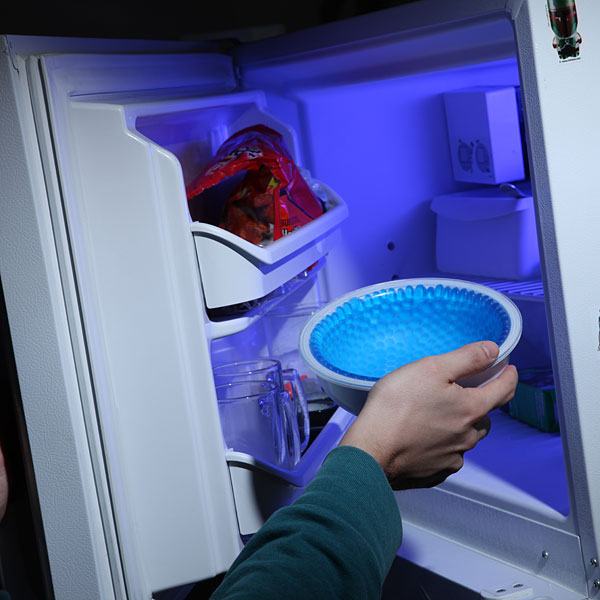
How many atoms do you have in the compound 2MgCl2?
2 atoms
4 atoms
6 atoms
8 atoms

What is matter? (choose the best answer)
Anything with mass and takes up space
Where to begin?
Solids
things I can see and touch
Chemical properties include
Melting point
Reactivity
Flammability
Rust
What happens in EVERY chemical change?
A gas is produced.
A temperature change occurs.
At least 3 substances combine
A new substance is formed.
Marcus folded a piece of paper to make an airplane. He commented " I caused a chemical change!" Which statement BEST describes Marcus' claim?
Marcus was correct because only a chemical change can create something new.
Marcus is right because folded paper can never go back to its original shape.
Marcus' claim is incorrect because folding paper doesn't cause the molecules to rearrange.
Marcus is incorrect because a gas is always produced during a chemical change.
Which of the following is an example of a chemical change?
Dissolving salt
Crushing a juice box
Frying an egg
Melting silver

