
 Worksheets
Unit 2 Review
Total questions: 20
Worksheet time: 10mins
Name
Class
Date
1.

1. The diagram above shows a block from the periodic table. The number six represents the...
a)
A. atomic mass of the element carbon
b)
B. atomic number of the element carbon
c)
C. number of neutrons in the element carbon
d)
D. number of valence electrons in the element carbon
2.
2. Carol placed a lid over a pot of boiling water. After five minutes, she removed the lid and noticed water drops had formed all over the lid's inner surface. Which statement describes the change in the water vapor molecules as they changed to liquid?
a)
A. Heat energy at the lid's surface increased.
b)
B. The water molecules average speed decreased.
c)
C. The attractive force between the water molecules decreased.
d)
D. The water molecules average speed increased
3.
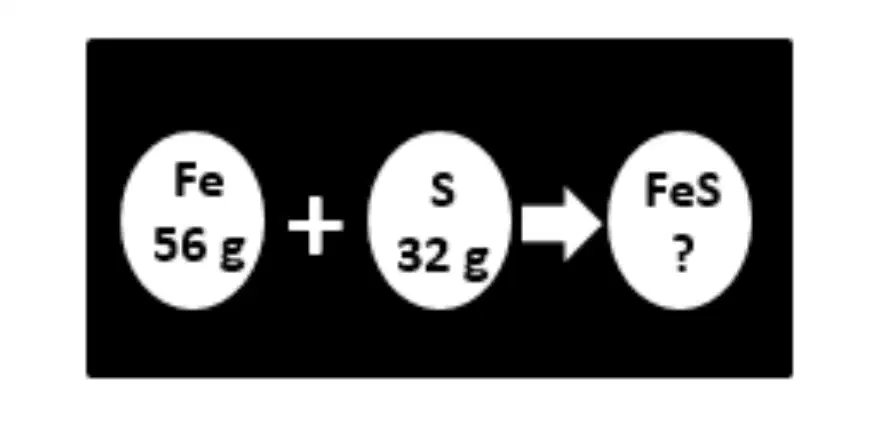
3. Using the Law of Conservation of Matter, determine the number of grams of iron sulfide (FeS) that will be produced in this reaction.
a)
A. 24 grams
b)
B. 32 grams
c)
C. 56 grams
d)
D. 88 grams
4.
4. As you move across the periodic table from left to right within a period, the elements __________
a)
A. become less stable.
b)
B. become more reactive.
c)
C. change from gases to solids.
d)
D. change from metals to nonmetals.
5.
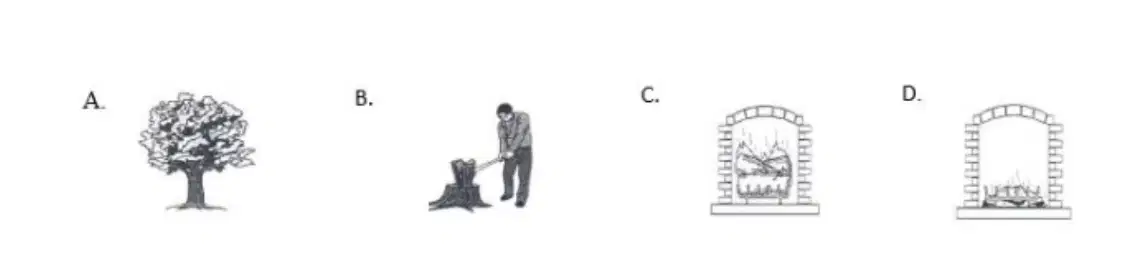
5. Look carefully at the pictures below. Which picture shows only a physical change in the wood?
a)
A
b)
B
c)
C
d)
D
6.
6. Mary wants to find the density of a small stone. Which tools will she need?
a)
A. A meter stick and a thermometer.
b)
B. A thermometer and a balance.
c)
C. A balance and a graduated cylinder.
d)
D. A graduated cylinder and a meter stick
7.

7. If different kinds of atoms are represented by different colored dots, which picture below represents a mixture?
a)
A
b)
B
c)
C
d)
D
8.
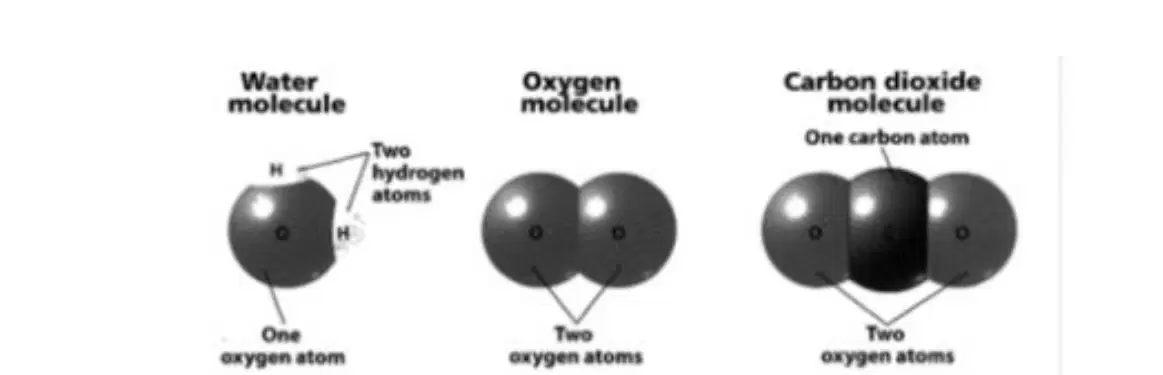
8. How many different types of elements make up a carbon dioxide molecule?
a)
A. 1
b)
B. 2
c)
C. 3
d)
D. 4
9.
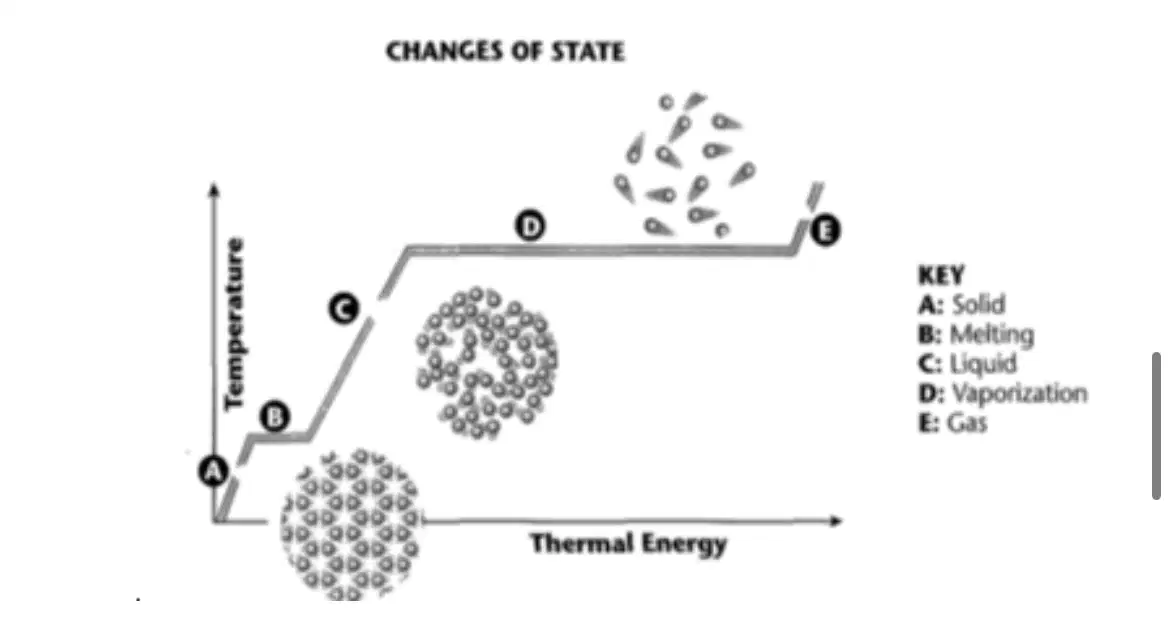
9. What happens to a liquid when it reaches its boiling point and more heat is added?
a)
A. It stays a liquid.
b)
B. Its atoms and molecules move faster and it eventually becomes a gas.
c)
C. It chemically changes into a new substance.
d)
D. Its atoms and molecules gain enough energy for it to become a solid.
10.
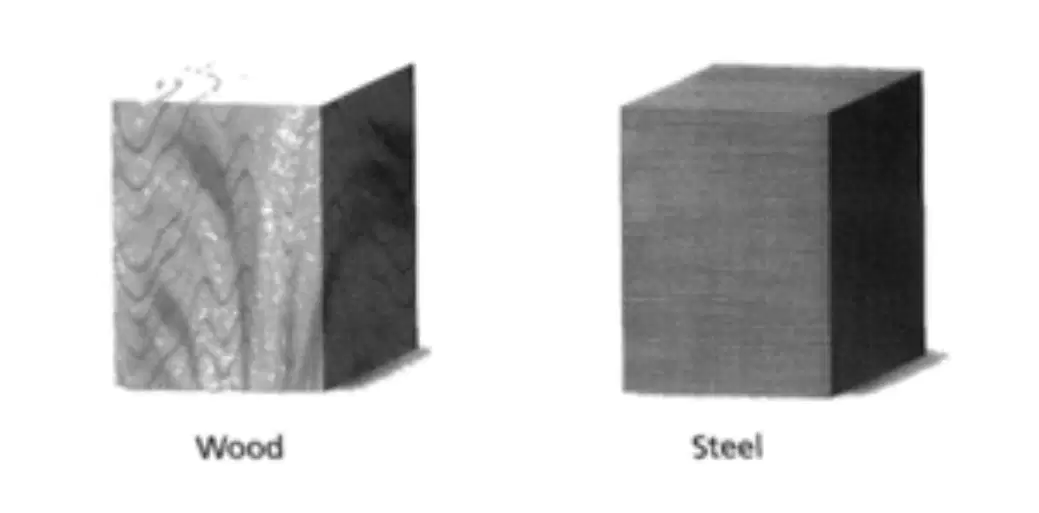
10. The two blocks shown have the same volume. Which one has the greater density?
a)
A. The one with more mass
b)
B. The one with more texture
c)
C. The one with the darker color
d)
D. The one with the lower melting point
11.

11. The element sodium (Na) is an example of...
a)
A. An inert gas
b)
B. A reactive metal
c)
C. A reactive nonmetal
d)
D. A semimetal
12.
12. An effervescent tablet is dropped into a beaker of water and begins fizzing. The total mass before the reaction is 300 grams. The mass after the reaction is 295 gram. Why is the mass less after the reaction?
a)
A. Some atoms were destroyed in the reaction
b)
B. The reaction produced 5 grams of gas that drifted away
c)
C. Chemical reactions always result in a reduction of mass
d)
D. New atoms were created
13.
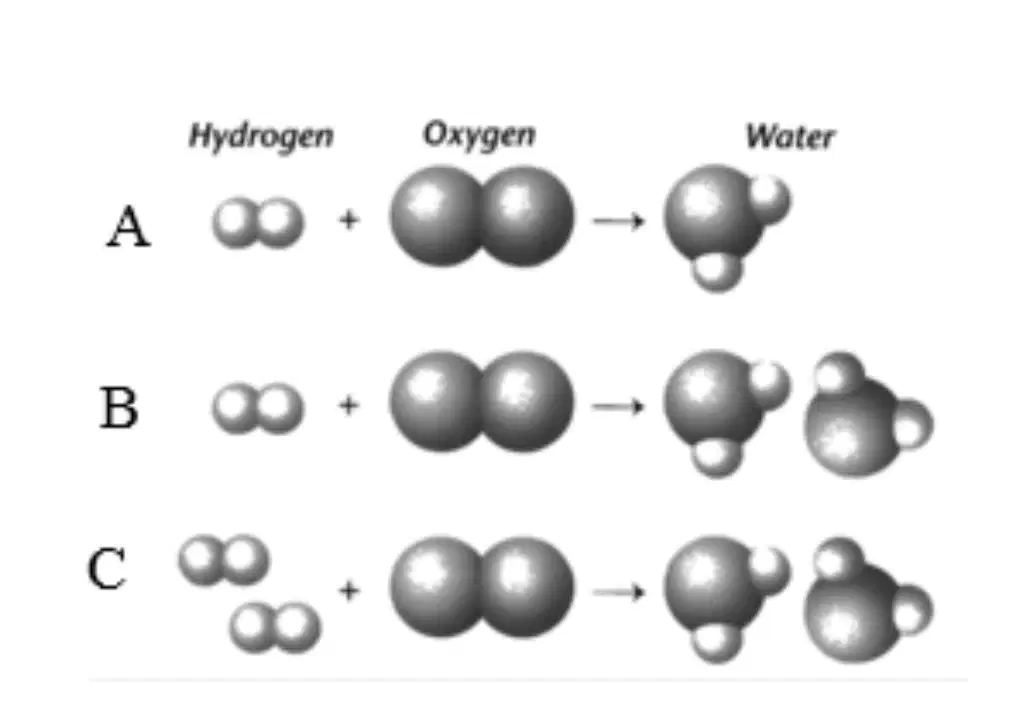
13. Which of the three diagrams below, represents a balanced equation, showing conservation of matter?
a)
A. Equation A
b)
B. Equation B
c)
C. Equation C
d)
D. None of the above
14.
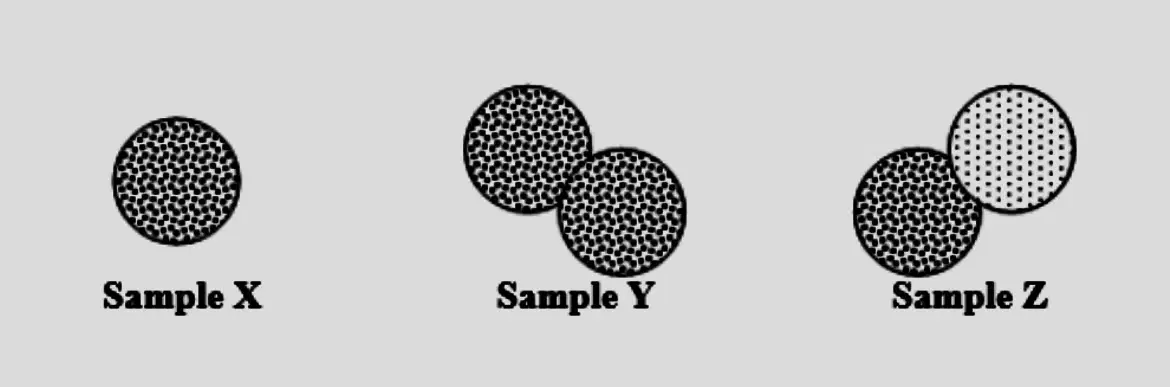
14. Which sample or samples are classified as molecules?
a)
A. Sample Z and Sample Y
b)
B. Sample X and Sample Y
c)
C. Sample X, Sample Y, and Sample Z
d)
D. None of the samples can be classified as molecules
15.
15. A student lights a candle and the wax begins to melt. Which statement describes the movement of the particles as the solid candle melts to a liquid?
a)
A. The particles move faster and farther apart.
b)
B. The particles move slower and farther apart.
c)
C. The particles move faster and closer together.
d)
D. The particles move slower and closer together.
16.
16. A student is investigating a substance to determine what it is made of. He studies the physical and chemical properties of the substance. Which of these properties of the substance is a chemical property?
a)
A. The melting point of the substance.
b)
B. How easily the substance bends.
c)
C. How well the substance burns.
d)
D. The density of the substance
17.
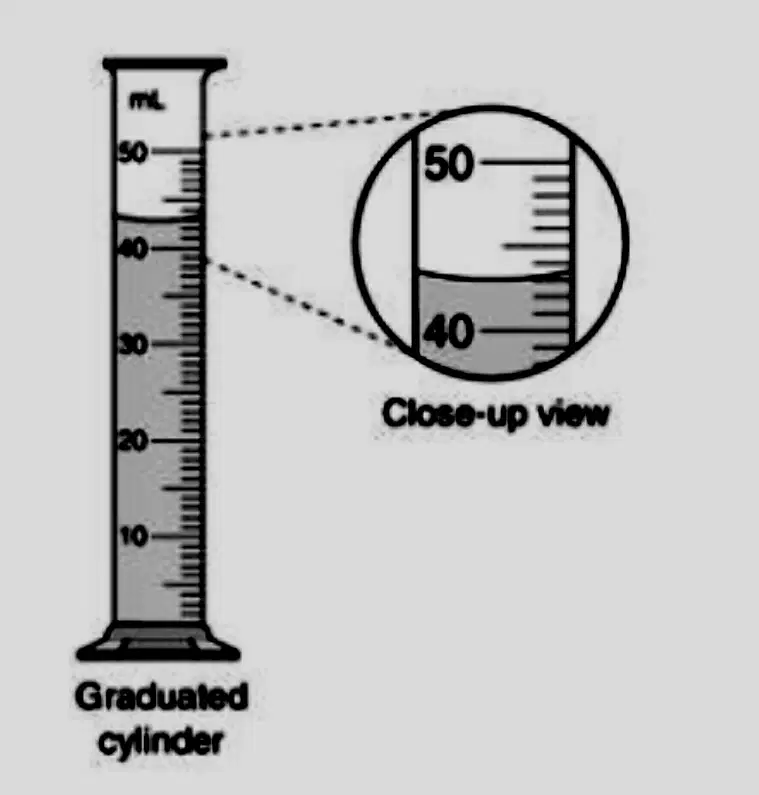
17. The graduated cylinder below contains a sample of sulfuric acid. To the nearest whole number, how much acid is contained in the cylinder?
a)
A. 43 mL
b)
B. 44 mL
c)
C. 45 mL
d)
D. 50 mL
18.
18. Almost the entire mass of an atom is concentrated in the _______________________.
a)
A. Proton
b)
B. Electrons
c)
C. Nucleus
d)
D. Neutrons
19.
19. Which state of matter has no definite shape?
a)
A. Solid
b)
B. Liquid
c)
C. Gas
d)
D. Both B and C
20.
20. Water freezes. Which of the following has occurred?
a)
A. Water changes from an isotope to a plasma state.
b)
B. Water changes from a solid to a liquid state.
c)
C. Water changes from a gas to a solid state.
d)
D. Water changes from a liquid to a solid state.
100 %

