wayground logo

Free Printable Worksheets

Font size

S
M
L
XL
Worksheets

T2Q2: Organ systems, Microorganism, Infectious diseases

Total questions: 28

Worksheet time: 24mins

Name
Class
Date
1.

What is this called ?

a)

Flute

b)

Microscope

c)

Ammeter

d)

Magnifying Glass

2.

What is the other name for microorganisms ?

a)

organisms

b)

microor

c)

microbes

d)

microges

3.
______________ helps us  digest our food and they produce needed vitamins.
a)
Bacteria
b)
Fungi
c)
Protozoa
d)
Algae
4.
Yogurt and cheese  can be produced from ___________.
a)
Bacteria
b)
Virus
c)
Protozoa
d)
Algae
5.
Some bacteria is known as ________________ and cause disease.
a)
pathogens
b)
flagella
c)
influenza
d)
ebola
6.
The variable that is changed in an experiment.
a)
Independent Variable
b)
Dependent Variable
7.
Which is not an example of a helpful microorganism?
a)
Yeast to help bread rise
b)
A virus used in a vaccine
c)
Microbes used to clean oil spills
d)
Bacteria that causes strep throat
8.
A group of cells that work together to perform the same function.
a)
cells
b)
tissue
c)
organ
d)
system
9.
What system protects organs?
a)
Skeletal
b)
Muscular
c)
Digestive I
d)
Excretory
10.
Which organ is part of the respiratory system?
a)
trachea
b)
blood vessels
c)
spinal cord
d)
bladder
11.
Which organ is part of the excretory system?
a)
heart
b)
spinal cord
c)
bladder
d)
liver
12.

All things adapt to changes in their environment. Which of the following is an example of a living thing adapting to changes in the environment?

a)

Organisms responding to stimuli.

b)

Taking antibiotics to treat an illness but then continuing to be sick.

c)

RNA being made in the nucleolus.

d)

Cells remaining in homeostasis.

13.

What are germs?

a)

Animals such as cockroaches and rats.

b)

Rotten food.

c)

Harmful micro-organisms.

d)

Viruses.

14.

How do protect ourselves and others from coronavirus?

a)

Wear a mask

b)

Avoid crowds

c)

Stay long in the crowded places

d)

Wash hand often.

15.

Which of the following diseases can be spread by mosquitoes?

a)

the common cold

b)

dengue

c)

influenza

d)

chicken pox

16.

How can infectious diseases be spread from one person to another?

***Select ALL that apply.

a)

trough the air

b)

by physical contact

c)

by animals

d)

through food and water

17.
Viruses are the smallest disease-causing organisms.  Fact or Fiction
a)
Fact
b)
Fiction
18.
All diseases are caused by pathogens.  Fact or Fiction?
a)
Fact
b)
Fiction
19.
A doctor would most likely prescribe an antibiotic to treat what type of pathogen?
a)
Fungi
b)
Helminth
c)
Virus
d)
Bacteria
20.
The __________ period is how long the disease can spread from one person to another.
a)
Sickness
b)
Bed rest
c)
Contagious
21.
The ________ is the first line of defense.
a)
eyes
b)
stomach
c)
t-cells
d)
skin
22.

What is a pathogen?

a)

A germ that causes disease

b)

A disease

c)

A microbe that causes disease

d)

Something that can make you feel very ill
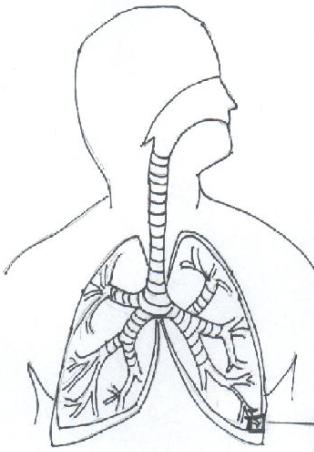
23.
What is the function of the bronchi?
a)
Transport air from nose to lungs
b)
Transport air from trachea to lungs
c)
Transport air from lungs to alveoli
d)
Transport air from alveoli to blood
24.
What is tube that is also known as your wind pipe?
a)
esophogus
b)
bronchi
c)
trachea
d)
alveoli
25.

The heart is divided into how many chambers

a)

2

b)

3

c)

4

d)

5

26.

The smallest blood vessels in the body are called

a)

arteries

b)

veins

c)

arterioles

d)

capillaries

27.

Your skeletal systems work to protect which organ located in the cardiovascular system?

a)

heart

b)

kidneys

c)

brain

d)

spinal cord

28.

Which statement describes ALL living things?

a)

They can move.

b)

They are composed of one or more cells.

c)

They are capable of making their own food.

d)

They have organ systems that carry out the process of life.