
Font size
 Worksheets
Driver's Ed study guide (partial)
Total questions: 74
Worksheet time: 41mins
What is the recommended time limit driving for a single driver.
6 to 8 hours
8 to 9 hours
11 to 12 hours
5 to 6 hours
What do you do when entering a Curve
-Decelerate your vehicle to reduce kinetic energy.
-Try to accelerate after the apex
-Avoid braking in the curve
To reduce driving
distance:
• Plan your trip using a
map or app
• Familiarize yourself
with the map’s “legend”
which explains various
map markings and
symbols
• Check weather
conditions and possible
road construction work
SPEED UP
Befoore leaving for a road trip as the driver check for
Tires and if there ok
Check if you beought food
Fill up the gas tank and
Fix problems
before you go
A car wash
•Belts & hoses
•Gauges and
warning lights
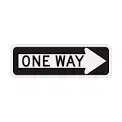
What does this mean
Travel only in the direction indicated by the arrow
there are no more roads left but one
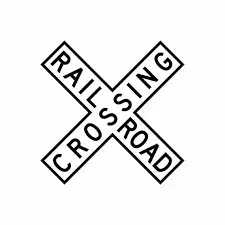
What does the sign mean
Railroad crossing

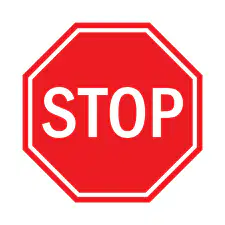
What does the sign indicate
Come to a complete stop
Come to a complete yeild
slow down

What does the sign mean
RUN THEM OVER!!!
Watch for bicycles
pedestrians
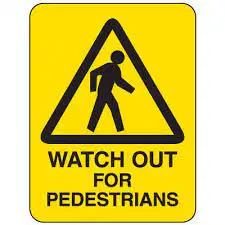
What does the sign mean
Pedestrians are only allowed on the road
pedestrians may be ahead of your time
free meat
pedestrians may be ahead
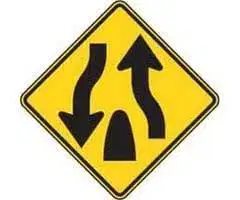
What does it mean
Stay on the left side of the roadway
A cave is up ahead
U turns are welcome
stay on the right side of the roadway
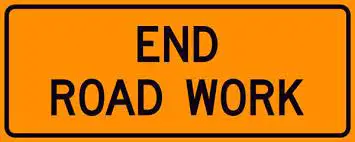
Who/what should you watch out for when you see this
workers
cones
children
The exit of the construction zone
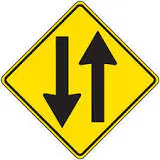
What does the sign indicate
U turns are welcome
two way traffic
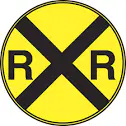
What does the sign indicate
Advance railroad ahead
Do not cross railroad
Listen up for approaching trains and slow down
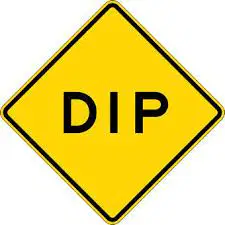
What does the sign mean
Low place on the road ahead
hill incoming

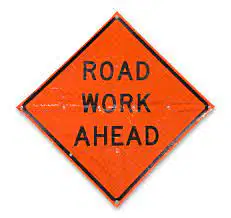
What does the sign communicate
Road work ahead
Potholes incoming
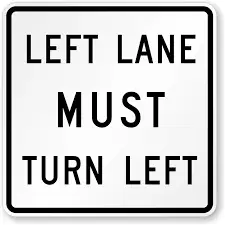
What does the sign indicate
Traffic in the right lane must turn left at the intersection ahead
Traffic in the left lane must turn left at the intersection ahead
Traffic in the left lane must turn right at the intersection ahead
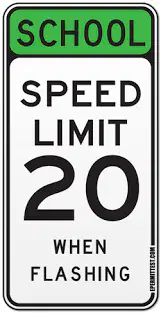
What answer means the same as the sign
School zone, travel 20 mph or less when the light is flashing
School zone, travel 20 mph or less when the light is not flashing

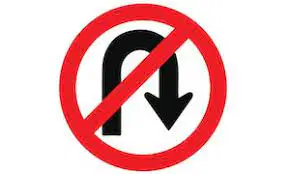
What does the sign mean
only left U turn not permitted
U turn not premited
w turn not permitted
What is the sign wording for the sign passing not allowed
NO
PASSING
DO
NOT
PASS
PASSING
NO
DONT
PASS

What does this mean
Trucks ahead
steep trucks ahead
steep downhill ahead
truckers watch out

What does this mean
wet when slippery
slippery when wet
tight curves ahead

What does this mean
Pedestrians possibly ahead
side walk
school crossing
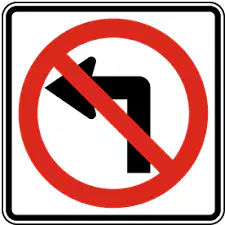
What does this sign mean
No left turns allowed
No turn are allowed in the direction of the arrow
no right turns are allowed
The road has a dangerous curve
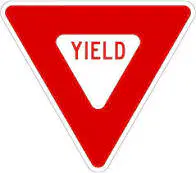
What does this mean
Stop
Yield
Yield to right of way
Red signs indicate
Stop
Danger
warning
General warning signs are
Green
yellow
square shaped
triangle shaped
A triangle shaped sign indicates
problems ahead
stop
yeild
warning
A vertical shaped sign is a
stop sign
Roadwork ahead sign
Warning sign
regulatory sign
A yellow line indicates
Two way traffic
Merging lane
merge only in emergencies
A solid line indicates
two way traffic
yes passing
no passing
The basic color for construction signs are
blue
red
orange
yellow
The fine for speeding in a work zone may be up to..
200 dollars
100 dollar
2 points on your license
500 dollars
You should signal at least ____ before you turn or change position
7 seconds
200 feet
5 seconds
6 seconds
According to the VA law, you must turn into
the furthest left lane
the closest lane
the furthest right lane
the first open lane going in your direction
The correct method of steering through a turn is
turn on your turn signal
slide push pull
push pull slide
swerve through the sholder
When parking downhill with a curve
you turn your wheels towards the curb
you turn your wheels towards the road
you keep your wheels straight
You must park at least __ from a fire hydrant
The speed limit in school, buissness, and residential areas is
17 mph
25 mph
15 mph
10mph
You are required to dim your headlights when you are within __ feet of an approaching vehicle
300
500
400
600
An important thing to remember in skid control is
Do not panic
Do not brake
Look where you want the vehicle to go
Steer in the direction you want to go
The first thing you should do in the event in brake faliure is
Pump the brake pedal rapidly
lightly press your brakes
Do panic
If your tire losses pressure while driving, you should
Stop by a mechanic
pull over and call a mechanic
keep a firm grip on the steering wheel with both hands
Realese the accelerator pedal slowly
It is illegal to pass on the right in VA
True
False
If the foot brake fails, the parking brake may be used to stop the vehicle
True
false
Use of a lower gear may be helpful when going up or down steep grades
True
False
The use of cruise control is helpful on slippery roadways
True
False
What isn't a necessary step when approaching a vehicle
watch for signals
leave a space cussion
check tire tread depth with a penny
Preventive maintenance
Is outlined in the owners manual
Is routine care you give to your vehicle
Includes checking fluids
The oild should be changed every
2000-4000
3000-5000
2000-3000 miles
4000-6000
When seated properly, the driver should be at least __ inches from the steering wheel
8 inches
12 inches
7 inches
10 inches
What is the correct hand position on the steering wheel
3-9 o'clock
4-8 o'clock
2-10 o'clock
When using the accelerator and brake pedal, the heel of your foot should remain on the floor
True
false
The rearview mirror should be adjusted to frame the back windshield
True
False
Cruise Control
allows a driver to travel at a set speed
Works at speed above 25 MPH
Is the same thing as the netural gear
Should not be used on slippery surfaces
When backing, the driver should turn the steering wheel to the right in order to back to the left
True
false
When securing the vehicle, the parking brake should be set before placing the vehicle in park
True
False
Gears below drive provide more engine power
True
False
Position one on the ignition switch allows you to use accessories with the engine off
True
False
The turn signla will always adjust after a turn
True
False
Safety experts recommend the use of headlights whenever a vehicle is moving
True
False
Weight transfer from side to side is known as
Roll
load shifting
inertia
Vehicle balance is maintained through
precise steering
smooth acceleration
controlled braking
good tire pressure
steering input to the left will result in weight transfer to the
Right
Left
Center
Weight transfer forward or backwards is known as
inertia
Pitch
In traditional mirror settings, there is blind spot
on the top corners
true
Over the right and left shoulders
When pulling into traffic, the following is important to remember
Visibility
time
space
When parking or turning beyond an inntersection, you should signal left or right
based on where you planning to go
when its legal
After you have entered the intersection
How many seconds should you leave between you and a vehicle in front of you in NORMAL SAFE conditions
4-5 seconds
2-3 seconds
5-7 seconds
Shou should prepare for a turn approximately __ before you make it
10 seconds
8-12 seconds
5-10 seconds
12-15 seconds
When making a turn , you should use your turn signal at least
150 to 200 feet in advance in urban areas
A 2-point turn is when you use
a driveway to reverse your direction
Estimating the distance between yourself and an object
estimation
depth preception
distance judjment
odometer defonition
keeps track of tire pressure
keeps track of miles so far
keeps track of gas left in car
What is a car automatic choke
a choke that automatically controls the flow of air to the carburetor

