
Font size
 Worksheets
Chemistry Ch 5 & 6 (Review)
Total questions: 104
Worksheet time: 2hrs 13mins

This experiment was used by Thomson to study what?
the particles in the nucleus
the size of the nucleus
the electron
the rings inside an atom

Which scientist described the location of electrons as specific circular paths around a nucleus?
Bohr
Dalton
Democritus
Einstein

This experiment was used to discover what?
an electron
a small dense nucleus
a plum pudding or chocolate chip cookie
a marble
How did Dalton describe an atom?
like a solar system
having a small dense nucleus
like a tiny solid sphere
having an electron cloud
Rutherford conducted experiments to determine the structure of atoms. What material did he use?
gold foil
plum pudding
a marble
a model of the solar system
The overall purpose of developing an atomic model is ___.
to describe the structure of an atom
to measure radioactive atoms
to calculate the density of atoms
to learn how to destroy atoms

What were John Dalton three contributions to atomic history?
Created the atomic theory
Discovered that the atom is mostly empty space
Believed that atoms of a given element are identical
Hypothesized that the atom is a tiny, hard sphere
Believed that the universe was made of tiny "uncuttable" particles

What were J. J. Thomson's three contributions to the atomic theory?
Discovered the electron
Discovered the nucleus -did the gold foil experiment
Used the cathode ray tube in his discovery
Created a model of the atom with electrons moving around the nucleus in fixed orbits
Created the "plum pudding" model of the atom




The cathode ray experiments led to which particle being discovered?
Nucleus
Proton
Neutron
Electron
The alpha particles in Rutherford’s experiments were used to -
Identify chemical properties
Bombard sheets of gold
Identify the melting point
Determine the molecular mass
In a famous experiment conducted by Ernest Rutherford, a few positively charged alpha particles were scattered by a thin gold foil. Which of the following is a conclusion that resulted from this experiment?
The nucleus is negatively charged.
The atom is a dense solid and is indivisible.
The mass is conserved when atoms react chemically.
The nucleus is very small and the atom is mostly empty space.
Who is recognized for discovering the nucleus.
John Dalton
JJ Thomson
Ernest Rutherford
Neils Bohr

Why do carbon, silicon, and tin all react similarly?
They are located in the same period
They have an even atomic number
They have the same number of energy levels
They are located in the same group

What do Rb, Re, and I have in common?
family
number of energy levels
location of discovery
valence electrons

What is the valence electron count of the alkaline earth metal family?
-2
-1
2
1

The diagram below is the bohr model of an atom. Which best describes this atom?
it has a full outermost shell
it has 6 valence electrons
it has a positive charge
it has 6 electrons

How many valence electrons are in a neutral atom of nitrogen?
5
3
2
15

which two elements have the same number of valence electrons?
C and O
Cl and F
Ga and Ge
Na and Mg

What is the correct lewis dot diagram for Boron?


The alkali metals elements are in the same family in the periodic table because they all have
eight valence electrons
seven valence electrons
two valence electrons
one valence electron

The elements F, Cl, and I are all in the same column on the periodic table. Which is the best explanation for this arrangement.
They have the same number of energy levels
They were all discovered at ancient times
They were all gases at room temperature
they have the same number of valence electrons

Which of the following is a property shared by the elements in the carbon family? (Column IV)
The same electron configuration
The number of valence eletrons
An atomic mass of 12
An atomic number of 6
Elements with the same valence electron configuration can be expected to have similar
chemical reactivity
number of protons
number of electrons
atomic mass

Which element is most similar to potassium (K)
argon
chlorine
phosphorus
sodium
Both calcium and magnesium have the same number of valence electrons. How else can these two elements be the same?
Both elements have the same atomic number
Both elements have the same atomic mass
Both elements are in the same group in the periodic table
Both elements are in the same period on the periodic table

Bob and Tanya study two electron configurations of a neutral atom. What do the two atoms have in common?
Family
Period
Mass number
Atomic number

The diagram represents an element. Which best describes this element?
10 protons and 9 neutrons in the nucleus
9 protons and 9 neutrons in the nucleus
2 electrons in the first energy level; 8 electrons in the second energy level
2 electrons in the first energy level; 7 electrons in the second energy level
What is an isotope?
An atom with the same number of neutrons and electrons, but a different number of protons.
An atom with the same number of protons and electrons, but a different number of neutrons.
An atom with the same number of neutrons and protons, but a different number of electrons.
which type of decay is also referred to as a helium nuclei?
alpha
beta
gamma
The word atom comes from the word "atomos" which means
invisible
indivisible
invincible
visible
What are the particles that made up the atom?
nucleus, protons, electrons
neutrons, protons, electrons
nucleus, electrons
nucleus, protons
What is the charge of the nucleus?
positive
negative
neutral
both positive and negative
Almost the whole mass of an atom is concentrated in
the number of electrons
the number of protons
the number of neutrons
the nucleus
Rutherford's alpha scattering led to the discovery of the
eletrons
protons
neutrons
nucleus

In the experiment of alpha scattering on the diagram, why was alpha particle A got deflected?
The alpha particle was attracted by the electron nearby
The alpha particle was repelled by the nucleus
It was repelled by another alpha particle
It was repelled by the neutron
In the experiment of alpha scattering on the diagram, alpha particle B was back-scattered or bounced off. Why?
It was heading almost directly towards the nucleus and the force of repulsion was strong.
It was interacting with another alpha particle
It was repelled by the nucleus
It was repelled by the neutron

What is the charge of an alpha particle?
2
+2
-2
+4
What are alpha particles?
Alpha particles are a type of beta radiation.
Alpha particles are a type of electromagnetic radiation.
Alpha particles are a type of ionizing radiation consisting of two protons and two neutrons.
Alpha particles are a type of gamma radiation.
Which subatomic particles are found in the nucleus?
positrons
photons
electrons
protons and neutrons
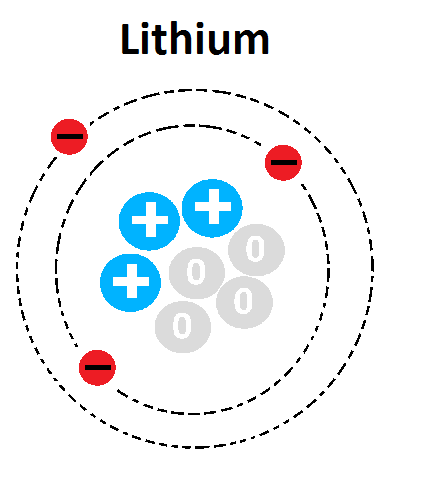
What is the mass number of this atom?
1
3
4
7
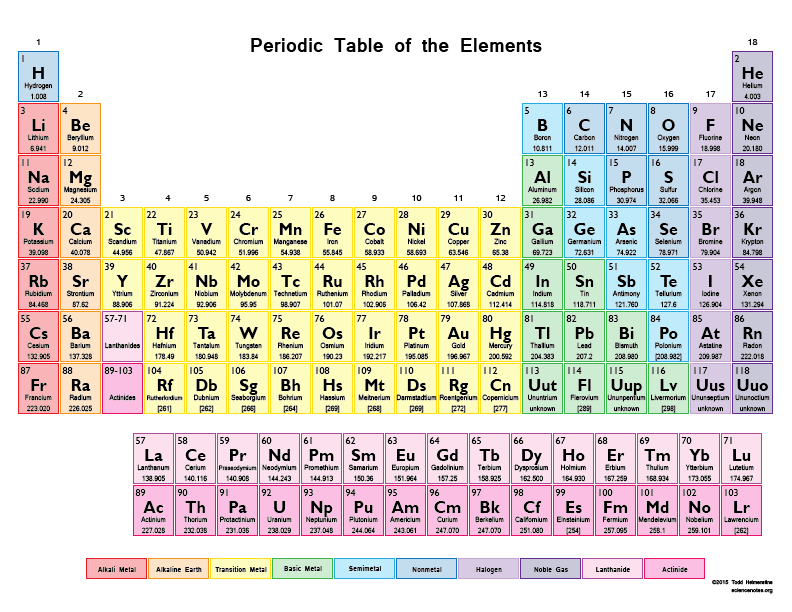
What is the atomic number of Barium, Ba? (enlarge the periodic table)
20
38
56
88
How many protons are in a sodium atom, Na? (tap to enlarge the periodic table)
Sodium has 1 proton.
Sodium has 3 protons.
Sodium has 11 protons
Atoms of the same element which have a different number of neutrons are called _________________.
ions
isotopes
quarks
molecules
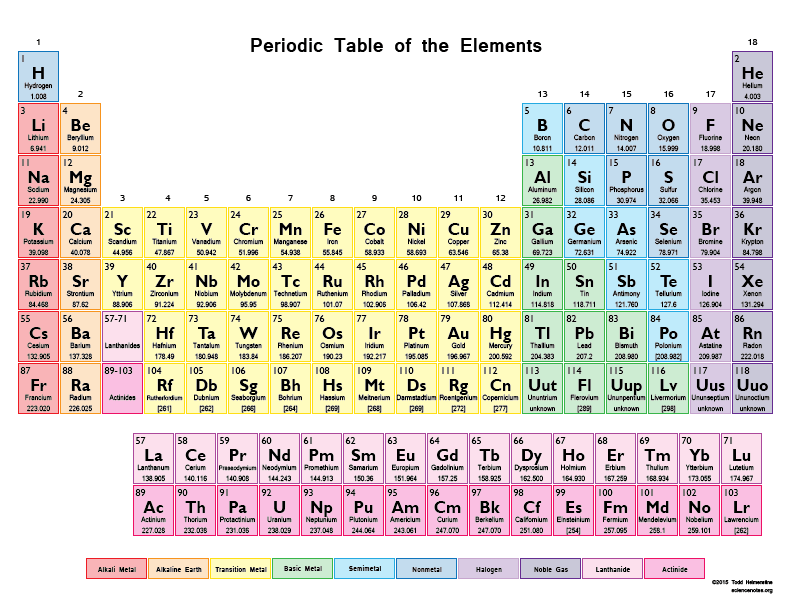
How many neutrons does C-14 contain? (tap to enlarge the image)
6
7
14
8
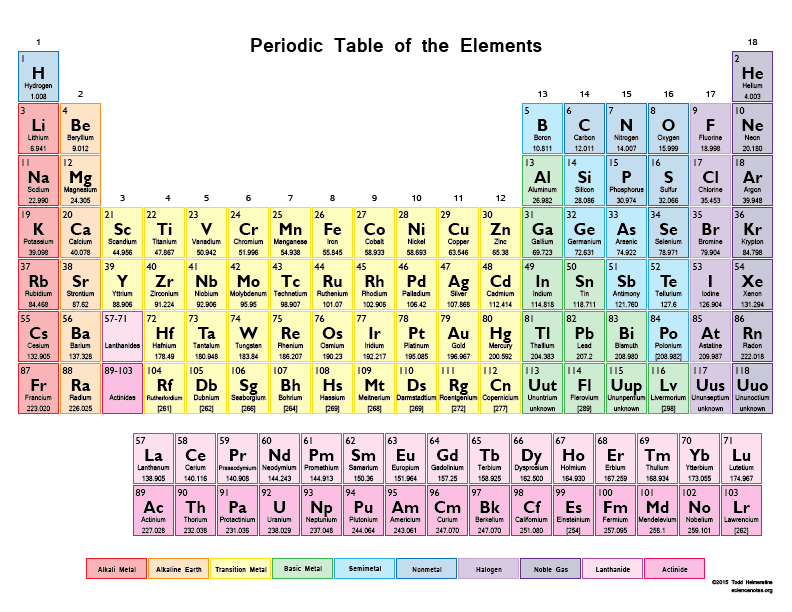
How many neutrons does an atom of the isotope Neon-22 have? (tap to enlarge the image)
12
10
22
20
ALL atoms of the same element have:
same number of proton
same number of nucleon
different number of neutron
different number of electron
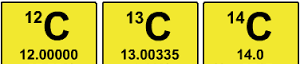
Which term best matches the following definition?
Definition: the number of protons in the nucleus of an atom, which is characteristic of a chemical element and determines its place in the periodic table.
Atomic Number
Atomic Mass
Net Charge
Chemical Symbol
Which term best matches the following definition?
Definition: the mass of an atom of a chemical element expressed in atomic mass units. It is approximately equivalent to the number of protons and neutrons in the atom.
Atomic Number
Mass Number
Net Charge
Chemical Symbol

What is the number of protons in Magnesium atom ?
12
24
23
8
An atom has 10 protons, 15 neutrons and 10 electrons what is its mass number.
20
10
5
25
True/False: The mass number is the number of protons minus the number of neutrons
True
False
An atom of hydrogen has 1 proton and a atomic mass of 1.
How many neutrons must it have?
0
1
2
3

What is the atomic number of this atom shown in the Bohr model?
11
12
13
23
How many atoms are there in the compound MgCO3?
3
4
5
6
H2O
Which of the following has valency 3?
nitrate
sulphate
phosphate
thiosulphate
An atom has four shells and 19 protons in its atom , what is its valency?
1
2
3
4

what is valency of the given element?
1
2
3
4
Which of following has valency 2?


An atom of an element has the electronic confi-guration 2,8,2. To which group does it belong?
(a) 4th group
(b) 6th group
(c) 3rd group
(d) 2nd group
The arrangement of elements in the Modem Periodic Table is based on their
(a) increasing atomic mass in the period
(b) increasing atomic number in the horizontal rows
(c) increasing atomic number in the vertical columns
(d) increasing atomic mass in the group
Where would you locate the element with electronic configuration 2, 8 in the Modern Periodic Table?
(a) Group 8
(b) Group 2
(c) Group 18
(d) Group 10
Element ‘X’ forms a chloride with the formula XCl2, which is a solid with high melting point. X would most likely be in the same group of the periodic table as:
(a) Si
(b) Mg
(c) Al
(d) Na
Atoms of elements in group 1 have ____________.
one electron in their outermost energy level
two electrons in their outermost energy level
seven electrons in their outermost energy level
eight electrons in their outermost energy level
Which of the following does not increase while moving down the group of the periodic table?
Atomic radius
Metallic character
Valency
Number of shell in an element
Newlands relation is called
a) Musical Law
(b) Law of Octaves
(c) Periodic Law
(d) Atomic Mass Law

The elements with atomic numbers 2, 10, 18, 36, 54 and 86 are all
halogens.
nobel gases.
nobel metals.
light metals.
The number of periods and groups in the
periodic table are______.
6,16
7,17
8,18
7,18
_____ group contains the member of
halogen family.
17th
15th
18th
16th
Dobereiner tried to arrange the elements with similar properties into group. So, he called the groups “_______”
Octaves
Triad
Metals
Non-Metals
Which of the following is the correct order of the atomic radii of the elements oxygen, fluorine and nitrogen?
O < F < N
N < F < O
O < N < F
F < O < N
Atoms of elements in group 1 have ____________.
one electron in their outermost energy level
two electrons in their outermost energy level
seven electrons in their outermost energy level
eight electrons in their outermost energy level

The period number tells us...
How many electron shells an element has
How many electrons are in the most outer shell
The mass number
The valency
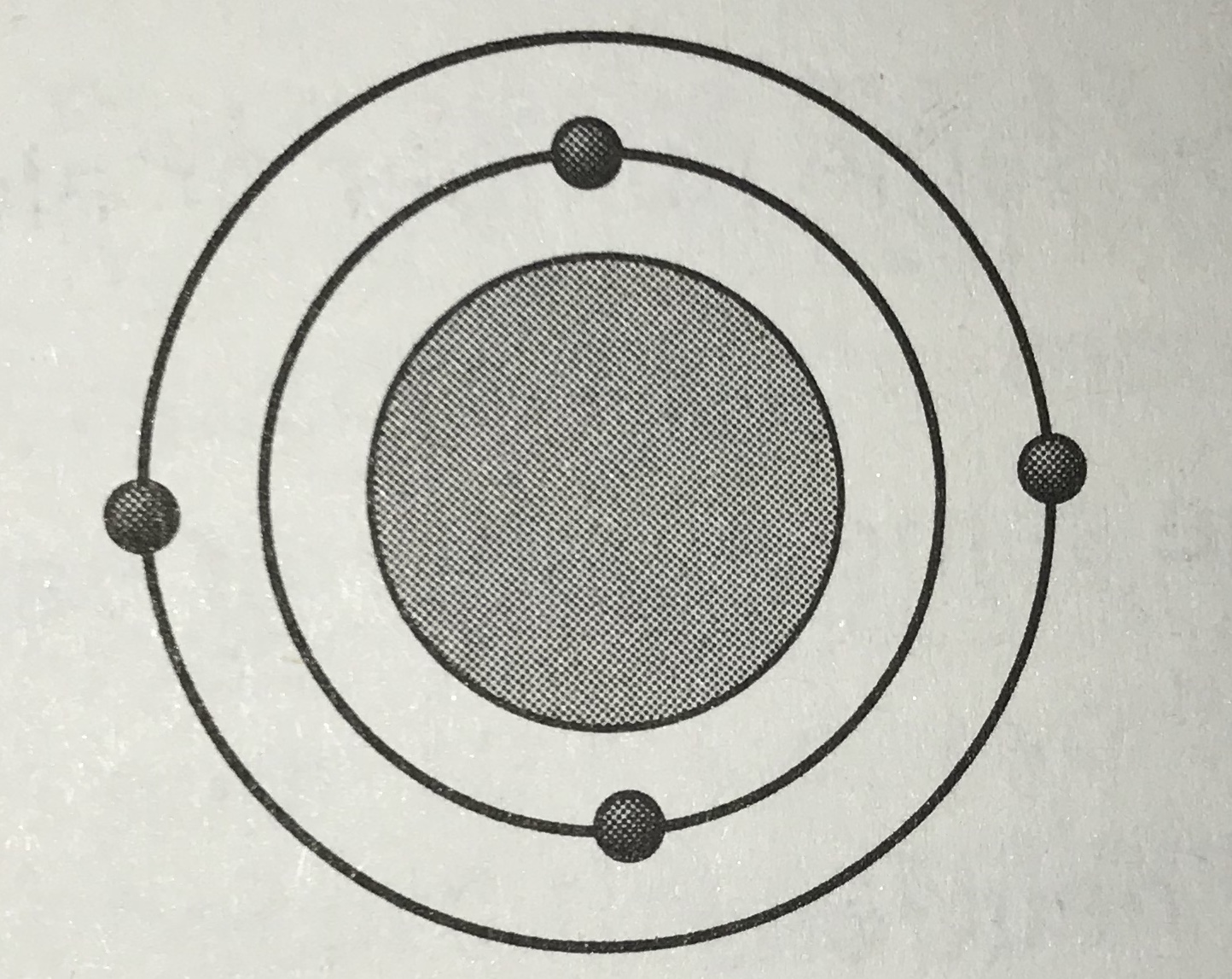
Which model represents the most reactive atom?
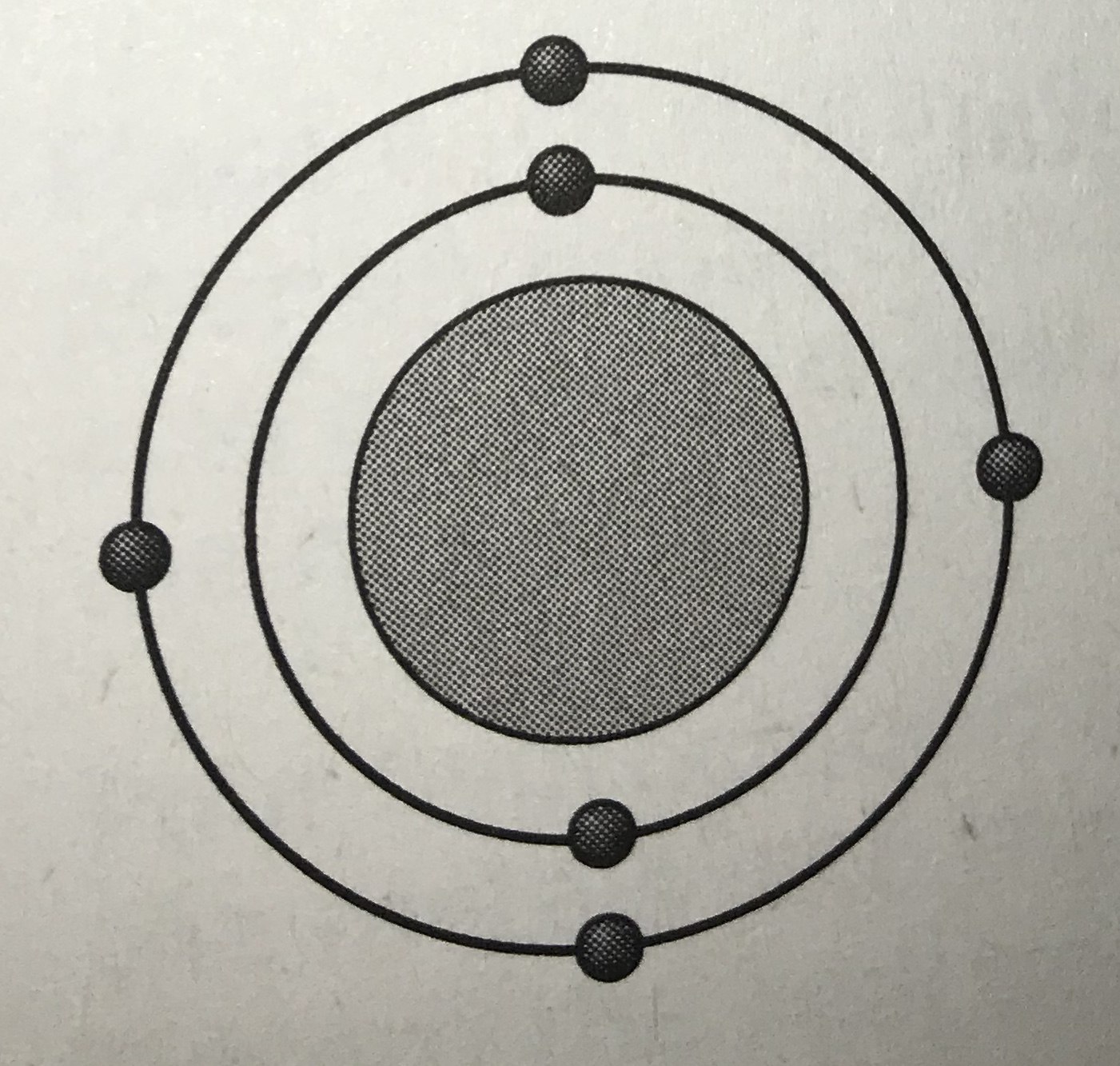
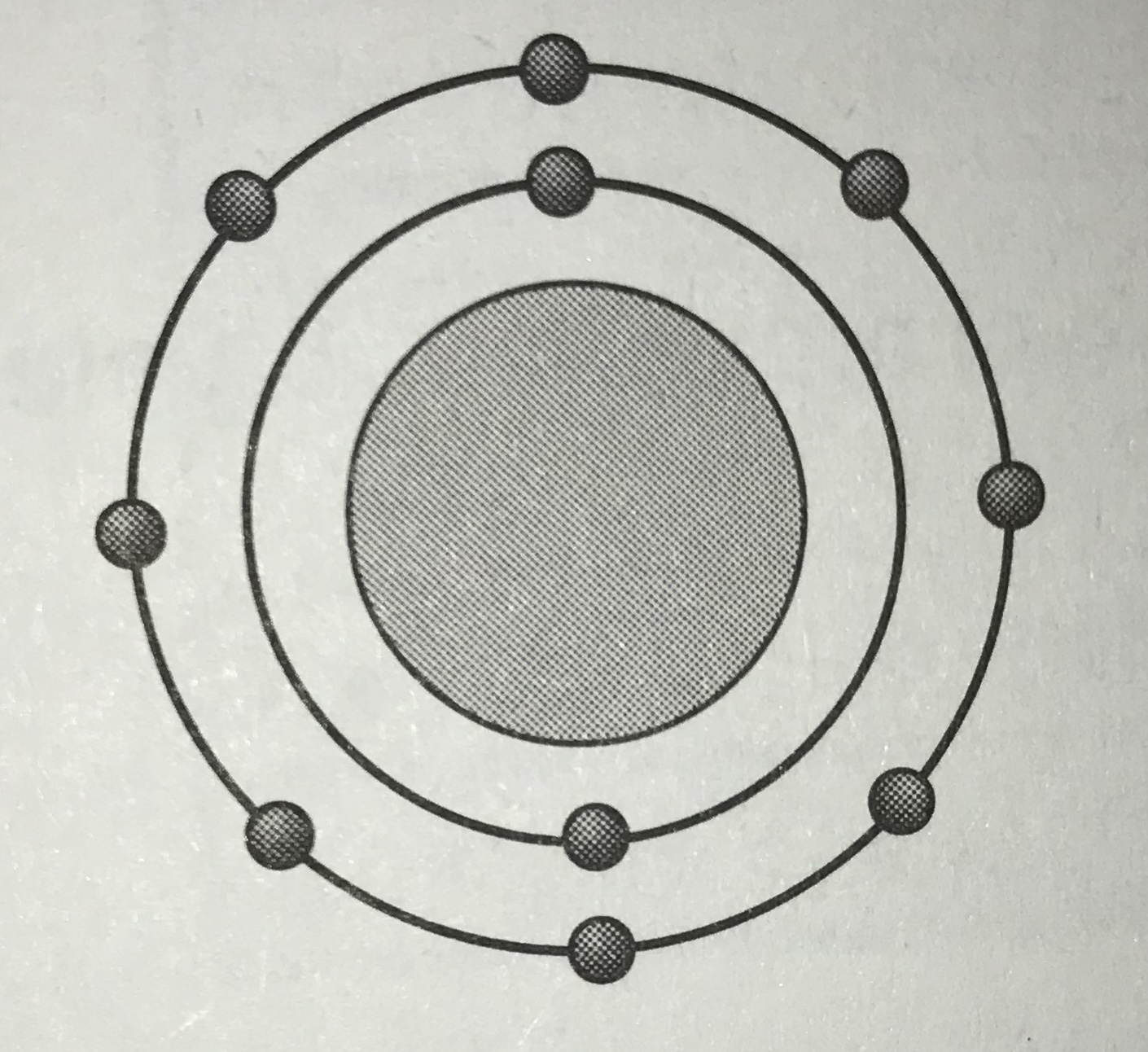
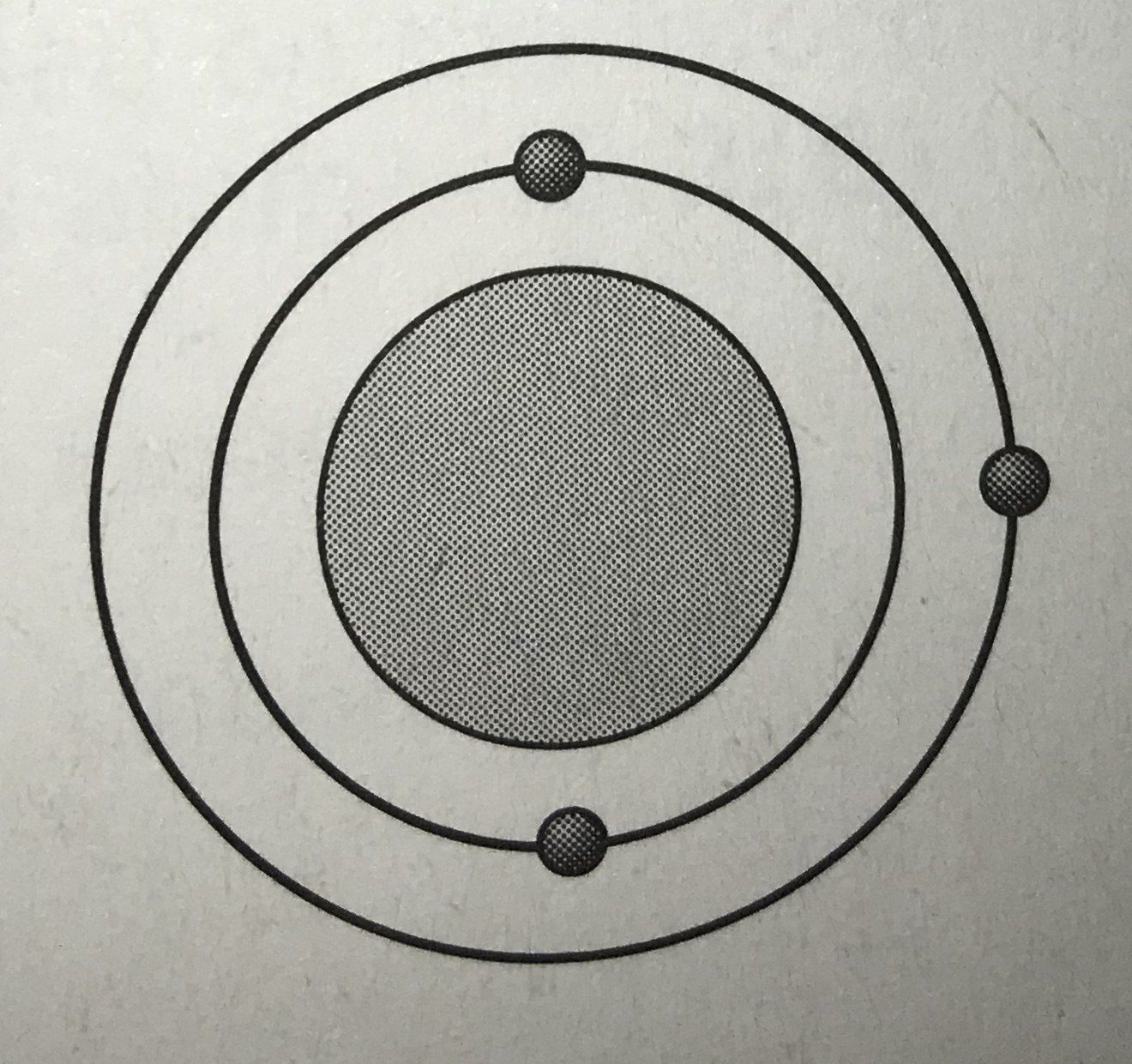
Newlands could classify elements only upto
Copper.
Chlorine.
Calcium.
Chromium.
Up to which element,law of octaves found to be applicable
Oxygen
Calcium
Cobalt
Potassium
According to Mendeleev periodic law, the elements were arranged in the Periodic table in order of
Increasing atomic number
Decreasing atomic number
Increasing atomic mass
Decreasing atomic mass
In Mendeleev periodic table,gaps were left for the elements to be discovered later. Which of the following elements found a place in the Periodic table later
Germanium
Chlorine
Oxygen
Silicon
On moving from left to right in a period in the Periodic table, the size of atom
Increases
Decreases
Does not change appreciably
First decreases and then increases
Which of the following does not increase while moving down the group of the periodic table?
Atomic radius
Metallic character
Valency
Number of shell in an element
Which one of the following elements do not constitute a Doebereiner's triad ?
Cl,Br, I
Li,Na,K
S,Se,Te
N,P,As
In the second period of periodic table (a) has the largest size.(excluding noble gases Ne)
3.An atom of an element has the electronic confi-guration 2,8,2. To which group does it belong?
(a) 4th group
(b) 6th group
(c) 3rd group
(d) 2nd group
4.The arrangement of elements in the Modem Periodic Table is based on their
(a) increasing atomic mass in the period
(b) increasing atomic number in the horizontal rows
(c) increasing atomic number in the vertical columns
(d) increasing atomic mass in the group
According to the periodic Law of elements, the variation in properties of elements is related to their
atomic mass
atomic number
mass of proton
mass of neutron
Noble gases are present in-------- group
13th
15th
17th
18th

