
 Worksheets
intro to bio and ecology cumulative
Total questions: 67
Worksheet time: 1hrs 2mins

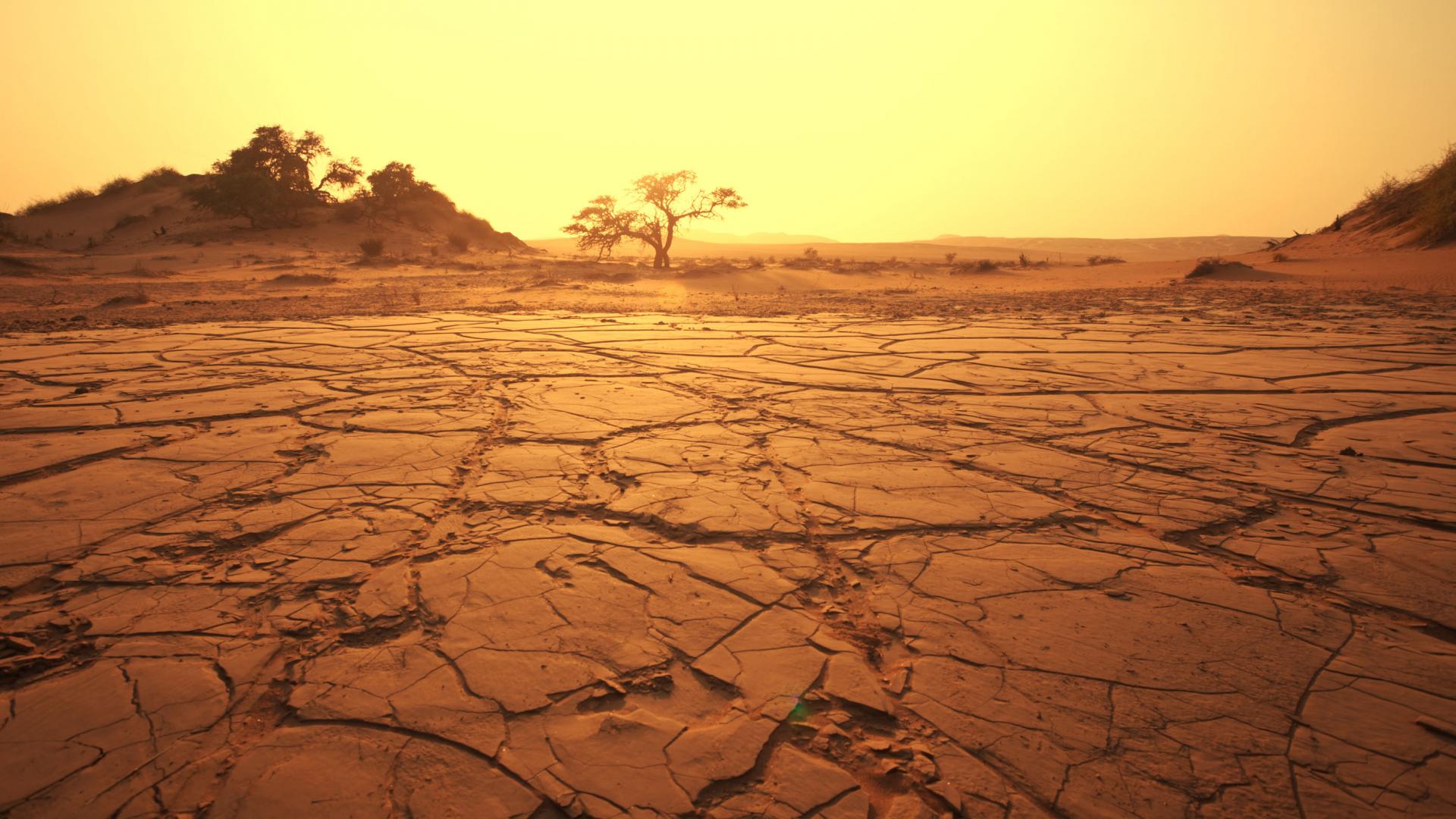
Plants and animals in the tundra must be able to adapt to the extremely ___________ weather
small
cold
perennials
shallow

Which biome is sandy and/or rocky with very little rain?
Desert
Tundra
Grassland
Tropical Rain Forest


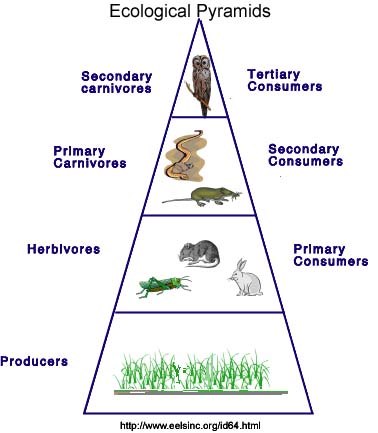
How does the energy flow in an energy pyramids?
up the pyramid
down the pyramid
Photosynthesis is important because...
it makes carbon dioxide
it makes food for the food webs
it makes water
it's not important


You suggest that the presence of water could accelerate the growth of bread mold. This is a/an _____.
conclusion
analysis
hypothesis
experiment
When enough experimental data support a hypothesis, the hypothesis becomes a/an ____.
fact
inference
conclusion
theory
What is the term for the area of Earth where living things exist?
community
population
biosphere
environment
Which of the following characteristics of living things best explains why birds fly south for the winter?
Living things maintain internal balance.
Living things respond to their environment.
Living things are based on a universal genetic code.
Living things are made up of units called cells.
Information gathered from observing a plant grow 3 cm over a two-week time period results in ____.
data
variables
inferences
hypotheses
What is the term for a group of organisms of one type living in the same place?
population
environment
ecosystem
biosphere
In the metric system, the basic unit of length is the ____.
kilometer
centimeter
meter
millimeter
Which of the following is NOT a characteristic of all living things?
ability to move
response to the environment
ability to reproduce
growth and development
Which level of organization includes all of the other levels?
organism
population
community
ecosystem
A controlled experiment allows the scientist to isolate and test ____.
several variables
a mass of information
a conclusion
a single variable
Which statement is an example of how carbon moves through a food chain as part of the carbon cycle?
Producers release carbon dioxide, and consumers take it in.
Producers take in carbon dioxide, and consumers release it.
Producers take in carbon from the soil, and they release it when they decompose.
Producers release carbon into the soil, and consumers take it in from the soil.

Students construct a graphic organizer to illustrate the different levels of biological organization.
Which terms does the X represent?
cell
organism
ecosystem
biosphere

Which statement provides the best explanation for the difference in biomass of organisms found at each trophic level?
Organisms at higher trophic level have less energy available to them than organism at lower trophic levels.
Organisms at higher trophic levels require smaller habitats that organisms at lower trophic levels.
Organisms at lower trophic levels provide less energy than organisms at higher trophic levels.
Organisms at lower trophic levels outcompete organisms at higher trophic levels.
Modern scientists continue the tradition of the Greek philosophers in their efforts to understand the world around them. They know that the universe consists of objects, organisms, and processes that interact in many different ways, and proper scientific methods can help this understanding. Which two statements state goals of science?
A goal of science is to use observation, evidence, and experimental testing to understand phenomena in the natural and supernatural world.
A goal of science is to generate testable explanations for events in the natural world.
A goal of science is to use the best available tools and methods to gather evidence and conduct experiments that can define and support a permanent database of scientific facts.
A goal of science is to make useful predictions about natural events, and to understand patterns in nature by using explanations supported by data.
Scientific methodology is a general style of investigation in which scientists make ______ about the world around them.
observations
hypotheses
controlled experiments
ask questions
Scientists conduct _________ which include a control group to serve as a basis for comparison.
hypotheses
observations
data
controlled experiments
___________ responds to change.
An independent variable
A control group
A dependent variable
Controlled experiments
A good scientist is _________ about the world and its mysteries.
open-mined
curious
a skeptic
creative.
A good scientist is _________ who demands evidence.
open-mined
curious
a skeptic
creative.
A good scientist is a skeptic who demands _______ before accepting explanations.
observe
evidence
hypotheses
bias
A __________ is an area with a particular combination of physical and biological environmental factors
niche
habitat
microhabitat
microbiome
A __________ is a tiny part of a lager habitat.
niche
habitat
microhabitat
microbiome
A __________ is a microbial community.
niche
habitat
microhabitat
microbiome
Intraspecific competition is when there is conflict between members of the same species.
True
False
Interspecific competition is when there is conflict between members of the same species.
True
False
The arrows in a food chain or web represents what?
They point to the organism that is being eaten.
It shows how sunlight flows within an ecosystem.
They show the direction the energy is flowing between organisms.
They represent how water is transferred within a habitat.


Consumers that eat only plants
Carnivores
Omnivores
Herbivores
Scavengers
Consumers, such as vultures, that feed on the bodies of dead organisms
Carnivores
Omnivores
Herbivores
Scavengers
A food _______ is a series of events in which one organism eats another and obtains energy.
chain
web
pyramid
plate
Which process do plants use to turn sunlight into food energy?
photosynthesis
cellular respiration
transpiration
evaporation
Which organism is an example of a producer?
moth
mushroom
rose bush
cheetah
"Bio-" means
life
water
Earth
air

Into which trophic level will herbivores most likely be placed?
X
W
Y
Z

Which would most likely happen if the Bluegill population decreased significantly?
The Zooplankton population would start being consumed by the Kingfisher population.
The Crayfish population would compete with
the Minnows for food.
The Minnows population would decrease in number.
The Kingfisher population would decrease in number.
Which is the correct representation of energy flow through an ecosystem?
sun → autotrophs → heterotrophs
water → squirrel → nuts
sun → consumers → producers
autotrophs → heterotrophs → sun
In this food chain
Algae → Zooplankton → Small fishes → Squid → Shark
The Algae at the beginning of the food chain are
Decomposers
Consumers
Heterotrophs
Producers


If only 10% of the energy in the pyramid is available as you move from one trophic level to the next, what happens to the other 90%?
Passed on to decomposers
Metabolized and "lost" as heat energy and waste
Assembled into tissues of producers permanently
False statement - 100% of the energy is available


