
 Worksheets
Reactions Quizizz
Total questions: 80
Worksheet time: 2hrs 1mins
How does a catalyst work in speeding up a reaction?
By lowering the activation energy or reaction
by giving them more energy
by making them more available
A substance that increases the rate of a reaction without being used up during the reaction is called a
catalyst
product
reactant
solute
What is the name given to a catalyst in the human body?
Biology
Catalyst
Chemical
Enzyme
Is the following equation balanced?
Al + O2 ---> 2Al2O3
YES
NO
What is the number before a chemical formula called?
Example: 2H2 + O2 ---> 2H2O
Coefficient
Atom
Subscript
Equation
Complete the sentence.
During a chemical reaction, atoms ________.
can appear
can disappear
get rearranged
stop moving and vibrating
What is the Law of Conservation of Mass?
It states that matter cannot be created or destroyed.
It states that energy cannot be created or destroyed.
It states that matter can be created or destroyed.
It states that sound can be created or destroyed.
Mg + __HCl ---> MgCl2 + H2
A ___ change causes the substance to change to a new substance with different properties.
Physical
Chemical
A ____ change only changes the look of the substance but NOT the chemical make-up.
Physical
Chemical

Is it a physical or chemical change?
physical
chemical

Is it a physical or chemical change?
Physical
Chemical

Vinegar + baking soda reaction.
Is it a physical or chemical change?
Physical
Chemical

Is it a physical or chemical change?
Physical
Chemical

Rotting banana
Is it a physical or chemical change?
Physical
Chemical

Is it a physical or chemical change?
Physical
Chemical

Water + Kool-aid Powder.
Is it a physical or chemical change?
Physical
Chemical

The metal is rusting.
Is it a physical or chemical change?
Physical
Chemical

Leaves changing colors in the fall.
Is it a physical or chemical change?
Physical
Chemical

Mixing sugar and water.
Is it a physical or chemical change?
Physical
Chemical
Choose all of the following that are PHYSICAL changes.


Choose all of the following that are CHEMICAL changes.


What does the Law of Conservation of Mass say? It says,
"During a chemical reaction, mass is neither _______ or destroyed."
burned
created
melted
So, the Law of Conservation of Mass would tell us that the mass of all the REACTANTS must __________ the mass of all PRODUCTS in a chemical reaction.
equal
be greater than
be less than
An ENDOTHERMIC reaction would feel ______ to the touch, while an EXOTHERMIC reaction would feel ______ to the touch.
hot ; cold
cold ; hot
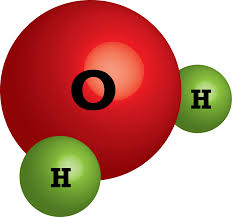
H2O

What type of system is shown in the picture?
Open
Close
Isolated
Which of the following is an open system? Check all that apply.


What type of system is shown in the picture?
open
close
isolated
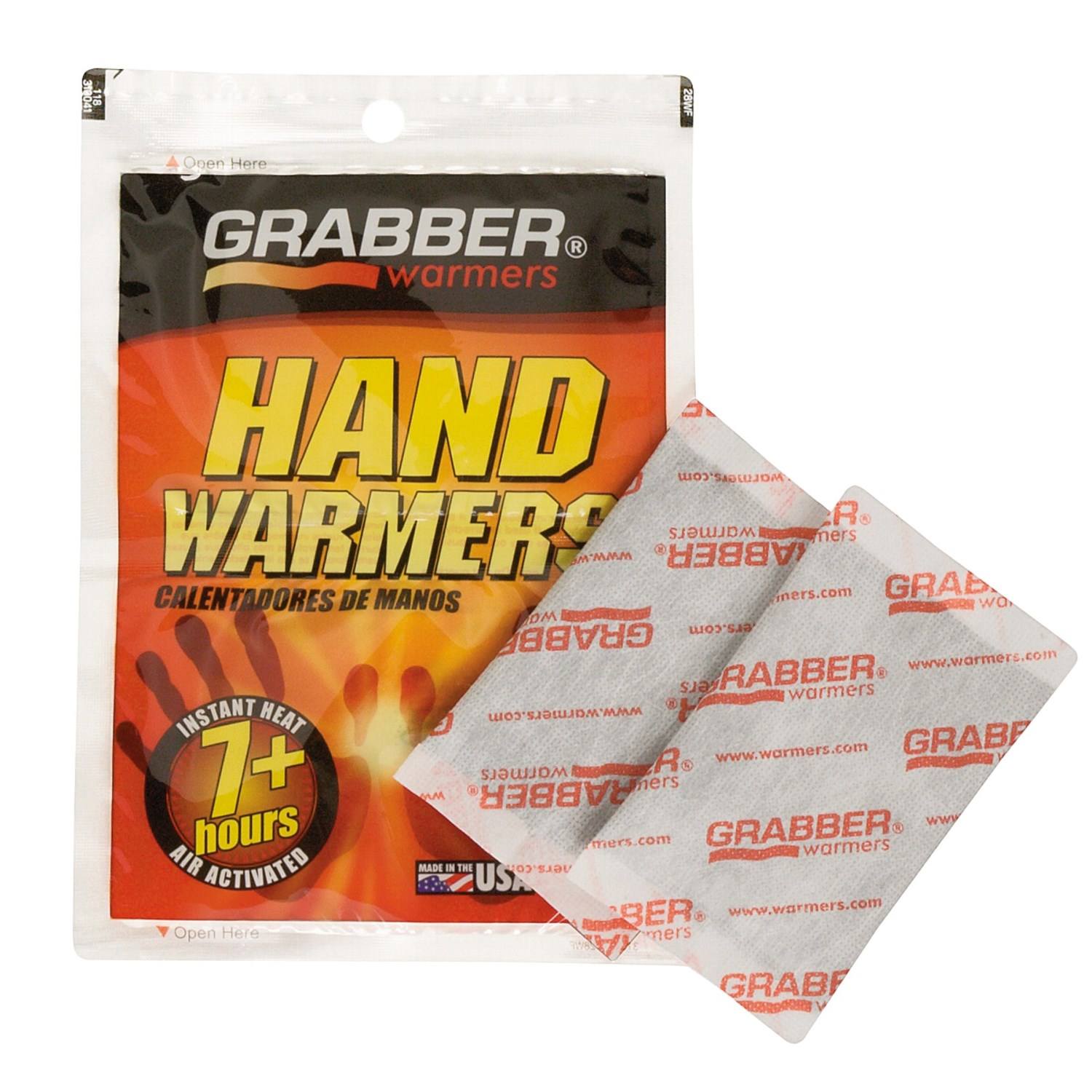

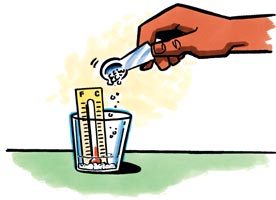
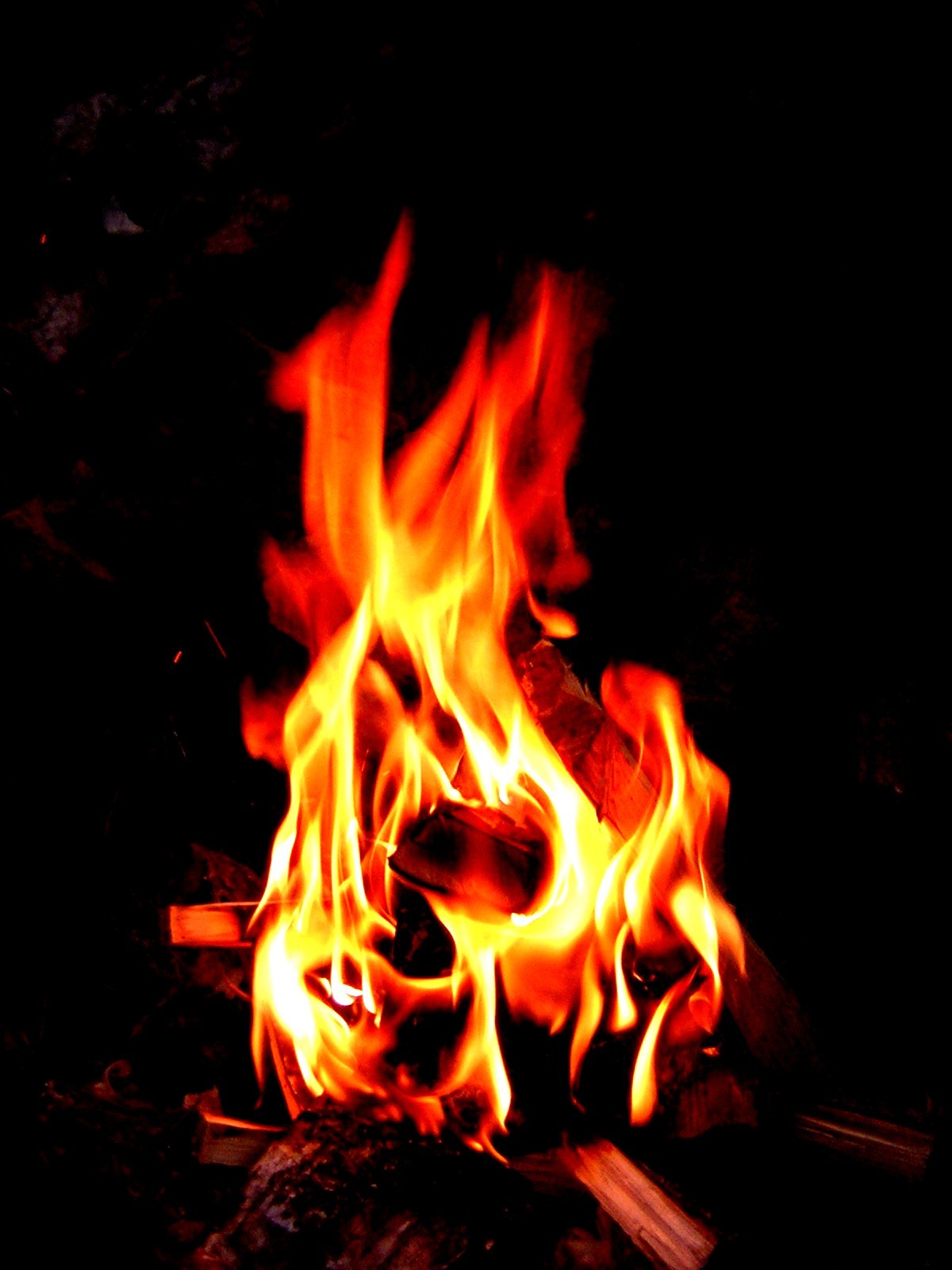
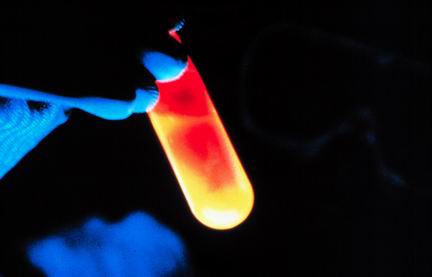
_____ reactions usually feel hot!
endothermic
exothermic
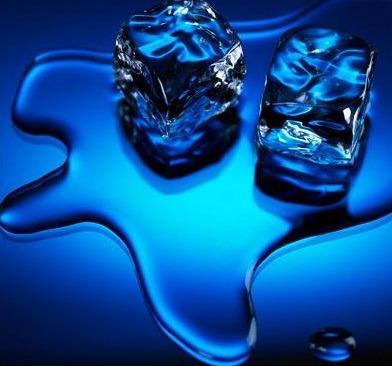
____ reactions usually feel cold.
endothermic
exothermic
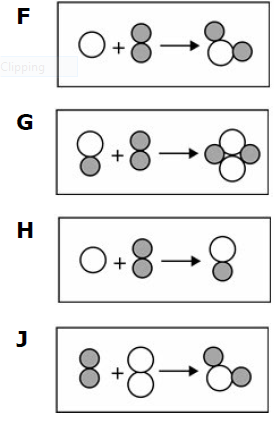
What is the conservation of mass?
mass of reactants > mass of products
mass of reactants < mass of products
mass of reactants = mass of products
When you combine vinegar and baking soda, a gas is produced. The gas produced is considered evidence that a chemical reaction occurred.
True
False
What is the little number after an element in a chemical equation called.
Example: H2
Coefficient
Subscript
Atom
Equation
How many different elements are in C6H12O6?
1
2
3
4
H2SO4

Synthetic materials are made by _________.
aliens
humans
farmers
nature
True or False. Natural resources must come from either plants, animals, or the earth.
True
False
What is a synthetic resource?
a resource made by humans from natural materials
naturals resources such as trees and water
Which of the following is an example of a natural material?
plastic
nylon
syngas
cotton
Read the following statements. Select each answer choice that is a true statement about synthetic materials. Please select 4 answers.
Synthetic materials are made from natural resources
Synthetic materials are made by chemically changing natural resouces to create a material with different characteristics.
Some examples of synthetic materials are plastics, medicines, and new fuels.
A synthetic substance cannot be chemically identical to a naturally-occurring substance
Making and using synthetic materials have both positive and negative impacts on society.
What is an example of a natural material?
kevlar
polyester
wood
plastic
What is an example of a synthetic material?
cotton
petroleum oil
leather
nylon
What is an example of a synthetic resource?
plants
potatoes
potato chips
Synthetic materials DO impact society.
True
False
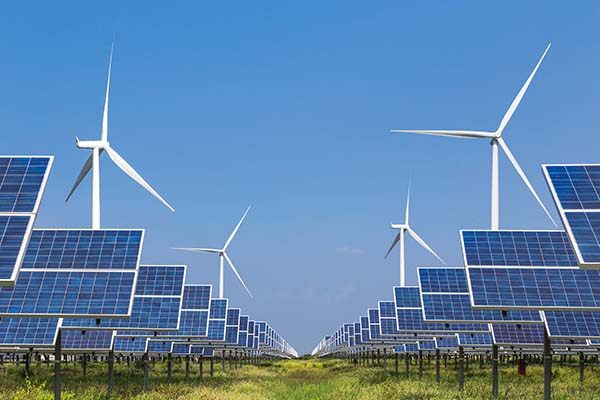
What are renewable resources?
A limited amount and cannot be replaced in a human life time.
Plastic bags
Coal, oil, and natural gas
Can be replaced in our lifetime through natural processes
Which statement is true?
Oil is an example of a renewable resource.
Gold is a renewable resource
Wood is an example of a nonrenewable resource.
Fish are an example of a renewable resource.
True or False: Nonrenewable energy can be replaced in a lifetime.
True
False
Nonrenewable energy takes ________ to be replaced.
days
months
years
millions of years
A resource is considered renewable if it
can be created only over millions of years.
can be replaced in a relatively short amount of time.
is made of Earth's materials like rocks and minerals.
is useful to humans in making energy and materials.
In principle, ______________________ resources will never run out.
renewable
non-renewable
fossil fuel
reprogrammable

