wayground logo

Free Printable Worksheets

Font size

S
M
L
XL
Worksheets

Types of Energy and Heat Review

Total questions: 84

Worksheet time: 2hrs 55mins

Name
Class
Date
1.
Which 2 letters have the most kinetic energy
a)
W & Y
b)
X & Z
2.

Potential energy depends on the ________ and ________ of the object.

a)

Height and weight

b)

Friction and weight

c)

Mass and Movement

d)

Height and speed

3.
What kind of energy is in a rock at the edge of a cliff?
a)
Potential
b)
Kinetic
4.
What kind of energy is in a moving skateboard?
a)
Potential
b)
Kinetic
5.
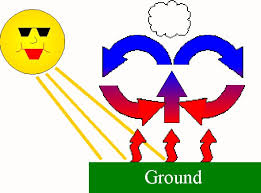
Warm air rises and the cool air sinks demonstrates this type of heat transfer. 
a)
conduction
b)
convection
c)
radiation
d)
Insolation 
6.
A group of friends gather around a fire to stay warm.
a)
conduction
b)
convection
c)
radiation
7.
You get sunburned due to __________ from the sun.
a)
conduction
b)
convection
c)
radiation
8.

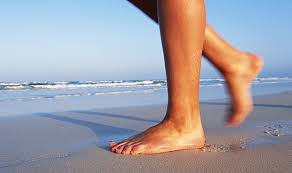
Walking on the warm sand with your bare feet demonstrates this type of heat transfer.

a)

conduction

b)

convection

c)

radiation

9.
At point B, the energy is ______.
a)
Potential
b)
Kinetic
c)
Thermal
d)
Chemical
10.
A metal spoon heating up in a bowl of hot soup
a)
Conduction
b)
Convection
c)
Radiation
11.

These are all conductors except...

a)

metal spoon

b)

wire

c)

iron nail

d)

plastic spoon

12.

The plastic covering over this wire acts as a(n)...

a)

insulator

b)

conductor

13.

What type of energy is being used?

a)

electromagnetic

b)

mechanical

c)

thermal

d)

sound

14.

What type of energy is being used?

a)

electromagnetic

b)

mechanical

c)

thermal

d)

sound

15.

What type of energy is being used?

a)

electromagnetic

b)

mechanical

c)

chemical (photosynthesis)

d)

sound

16.
Energy of motion is which type of energy?
a)
Potential
b)
Kinetic
c)
Sound
d)
Gravitational
17.
What type of energy is in this picture?
a)
Kinetic
b)
Potential
c)
Chemical
d)
Sound
18.
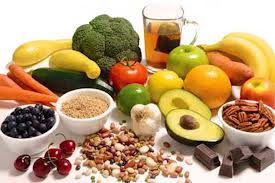
When plants convert the sun's energy into food, which type of energy is it?
a)
kinetic
b)
chemical
c)
thermal
d)
radiant
19.
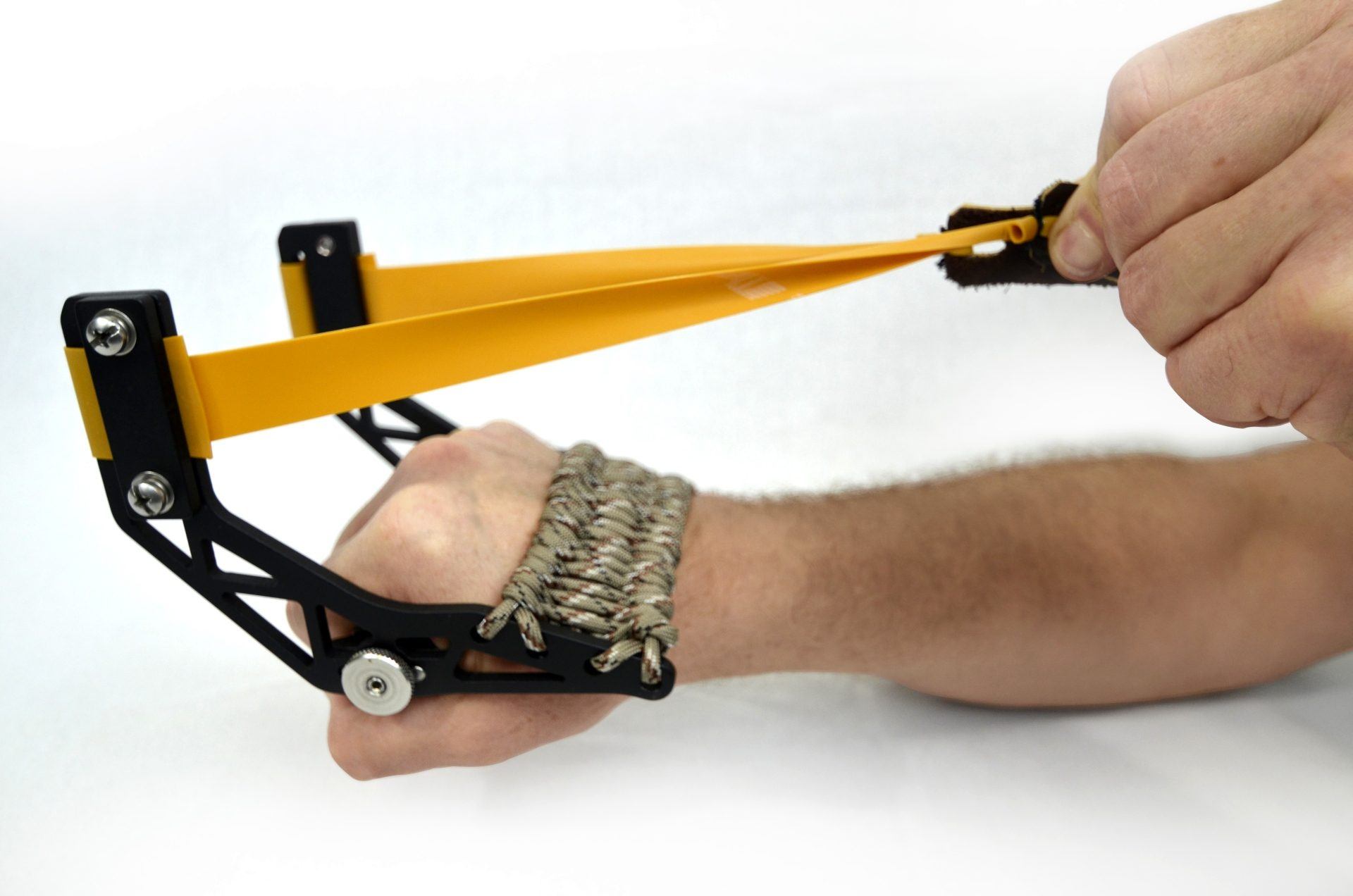
What kind of energy is represented in this picture?
a)
Thermal
b)
Potential
c)
Nuclear
d)
Mechanical
20.
What kind of energy does this device use?
a)
Chemical
b)
Electrical
c)
Thermal
d)
Chemical
21.
What kind of energy is represented in the picture?
a)
Thermal
b)
Chemical
c)
Sound
d)
Nuclear
22.
A battery converts what type of energy to another?
a)
sound to kinetic
b)
light to heat
c)
mechanical to electrical
d)
chemical to electrical
23.
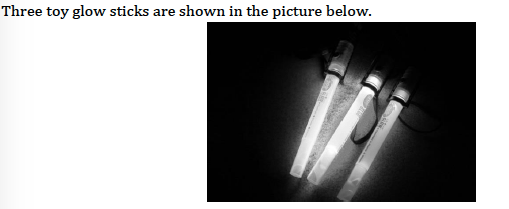
The glow sticks produce light for a short amount of time. The light from the glow stick is a conversion from what to what?
a)
thermal to light
b)
gravitational to potential
c)
radiant to electrical
d)
chemical to light
24.
Wind turbines and windmills convert what energy to another?
a)
Kinetic to electric
b)
Gravitational potential to electric
c)
Mechanical to potential
d)
Thermal to sound
25.
Work is:
a)
A transfer of energy by a force to move and object
b)
Something you get paid for
c)
Something you take home
d)
Makes you sweat
26.
What machine changes electrical energy into light and sound energy?
a)
battery
b)
lightbulb
c)
alarm clock
d)
apple
27.
On a roller coaster, where is maximum potential energy?
a)
At the bottom of a big hill
b)
When going around a corner
c)
When going upside down
d)
At the top of a big hill
28.
On a roller coaster, where is maximum kinetic energy?
a)
At the bottom of a big hill
b)
When going around a corner
c)
When going upside down
d)
At the top of a big hill
29.
Energy that is stored in bonds between atoms is:
a)
Mechanical energy
b)
Chemical energy
c)
Kinetic energy
d)
Nuclear energy
30.
Energy caused by the movement in the particles of matter. It is a form of kinetic energy.
a)
Nuclear energy
b)
Sound energy
c)
Light energy
d)
Thermal energy
31.
Energy that comes from the nucleus of an atom. A form of potential energy.
a)
chemical energy
b)
Nuclear energy
c)
Sound energy
d)
Electrical energy
32.
According to which law of energy, energy can't be created or destroyed?
a)
First law of motion
b)
The law of tacos
c)
Laws of Energy
d)
law of conservation of energy
33.
The purpose of the panels is to change solar energy into ____________.
a)
light energy
b)
electrical energy
c)
chemical energy
d)
mechanical energy
34.
What machine changes chemical energy into heat, light and sound energy
a)
blender
b)
firecracker
c)
lightbulb
d)
apple
35.

When energy is released, it disappears.

a)

True

b)

False

36.

When energy is released, it disappears.

a)

True

b)

False

37.

What energy transformation takes place when you turn on an electric light?

a)

Chemical > light + heat

b)

Chemical > electrical + heat

c)

Mechanical > light + heat

d)

Electrical > light + heat

38.
Some students observing a classroom device being used, noticed the below energy transformations. 
Electrical → Mechanical → Sound
Which device were the students most likely observing?
a)
A triple beam balance measuring an object’s mass.
b)
A pencil sharpener plugged into a wall outlet.
c)
A projector displaying a diagram on the screen.
d)
A working flashlight used to light up a dark corner.
39.
Which type of energy transformation occurs when a flashlight shines?
a)
chemical → thermal → electrical
b)
chemical → electrical → light
c)
thermal → chemical → light
d)
chemical → electrical → chemical
40.
When water falls through a dam and turns a turbine connected to a generator, electricity is produced. This electricity is often used to light our homes and offices. Which of the following shows the energy transformations that occurs?
a)
electrical → light → mechanical
b)
chemical → mechanical → electrical
c)
mechanical → chemical → light
d)
mechanical → electrical → light
41.
A lamp that plugs into a wall socket draws energy which flows through a thin wire in the bulb causing it to glow. What energy transformations are taking place?
a)
chemical → light → electrical
b)
mechanical → sound → light
c)
thermal → solar → electrical
d)
electrical → thermal → light
42.
Which of the following shows the correct order of the energy transformations that occur when green plants produce their food from the Sun’s energy?
a)
chemical → thermal
b)
light → chemical
c)
thermal → light
d)
chemical → electrical
43.
The Theory of the Conservation of Energy states -
a)
Energy can be created, just not destroyed. It changes its form from one type to another.
b)
Energy can never be created nor destroyed. It can only change its form from one type to another.
c)
The total energy in our Universe changes, as different forms of energies can be transformed from each other under certain circumstances.
d)
Energy transformations do not passively occur in our lives, rather we actively make use of energies and transform energies.
44.
Solar Energy is transferred to _____ Energy.
a)
Mechanical
b)
Solar
c)
Sound
d)
Electrical
45.
Electrical Energy is transferred to _____ Energy.
a)
Thermal
b)
Solar
c)
Electrical
d)
None
46.
Kinetic Energy is transferred to _____ Energy.
a)
Solar
b)
Electrical
c)
Thermal
d)
Potential
47.
Which of the following shows an energy transformation from chemical energy to electrical to light energy?
a)
A bolt of lightning lights the night sky.
b)
A candle glows brightly in the dark.
c)
A fire in a fireplace lights up a room.
d)
A battery causes a flashlight to shine.
48.
People get energy from the food that they eat and transform that energy as they move. Which energy transformations occur as a student rapidly rubs the palms of his hands together?
a)
mechanical to thermal to electrical
b)
chemical to mechanical to thermal
c)
mechanical to chemical to sound
d)
chemical to sound to electrical
49.
A television works by transforming electrical energy into what other kinds of energy?
a)
Light, thermal, and sound
b)
Thermal, chemical, and solar
c)
Sound, mechanical, and electrical
d)
Light, chemical, and mechanical
50.
Energy transformations occur when...
a)
energy is created through conduction
b)
energy changes from one form to another
c)
two forces slide together that are touching
d)
a chemical reaction takes place
51.

Energy is the ability to do work or cause changes.

a)

True

b)

False

52.

Which of following are types of kinetic energy? Check all that apply.

a)

sound energy

b)

light energy

c)

thermal energy

d)

mechanical energy

e)

potential

53.

We receive ________ and heat energy from the Sun.

a)

sound

b)

mechanical

c)

light

d)

kinetic

54.

Vibrations produce _______ energy.

a)

chemical

b)

sound

c)

potential

d)

light

55.

Which of the following is an example of kinetic energy?

a)

A rock at the top of a hill.

b)

Water falling down a waterfall.

c)

A pencil sitting on a desk.

d)

A backpack on the ground.

56.
Energy is stored in the ___ of an atom.
a)
proton
b)
neutron
c)
electron cloud
d)
nucleus
57.
How do nuclear power-plants work?
a)
Fusion
b)
Half-life
c)
Fission
d)
Fusion or fission
58.
Heat makes things _______________________
a)
colder
b)
warmer
c)
faster
59.
Heat is a form of _______________.  
a)
movement
b)
energy
c)
melting
60.

What is a conductor?

a)

a material that heat moves through easily

b)

a material that heat does not move through easily

c)

a material that turns cold when heated

d)

a tool for measuring temperature

61.

Which of these is a better conductor?

a)
b)
62.

Stir frying vegetables is an example of

a)

Convection

b)

Conduction

c)

Radiation

63.

Hot water rises and cold water sinks. Is this:

a)

Convection

b)

Conduction

c)

Radiation

64.
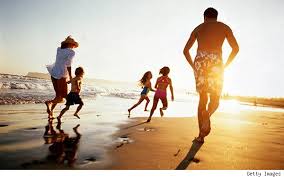
The sun shines down on this family as the play on the beach.
a)
conduction
b)
convection
c)
radiation
65.

Cold Pack on Person

a)

Heat is transferred from the cold pack to the person.

b)

Heat is transferred from the person to the cold pack

c)

The cold pack is getting colder. The person is getting warmer.

66.
How heat is transfered?
a)
From high to low temperature
b)
From low to high
c)
Up to down
d)
Left to right
67.
The lowest possible temperature is
a)
0 F
b)
0 K
c)
0 C
d)
273 K
68.

How much heat is required to raise the temperature of a sample of copper from 10.0°C to 55.0°C, if its mass is 10.00 g? specific heat of copper is 0.385 J/(g∙°C).

a)

1881 J

b)

250. J

c)

173 J

d)

359 J

69.
The amount of heat required to raise the temperature of one gram of a substance by one degree Celsius is ________
a)
Heat energy
b)
Specific heat
c)
convection
d)
thermal energy
70.

Heat is defined as

a)

the transfer of thermal energy from one object to another due to temperature difference

b)

the temperature of a solid, liquid, or gas

c)

The kinetic energy of a solid, liquid, or gas.

71.
THE ENERGY THAT AN OBJECT BECAUSE OF ITS MOTION
a)
KINETIC ENGERGY
b)
THERMAL ENERGY
72.
IS THE MEASURE OF THE AVERAGE KINETIC ENERGY OF THE PARTICLES IN A SUBSTANCE
a)
TEMPERATURE 
b)
THERMOMETER
73.
ENERGY THAT AN OBJECT OR SUBSTANCE HAS BECAUSE OF  ITS POSITION OR CONDITION 
a)
POTENTIAL ENERGY
b)
THERMAL ENERGY
74.
THE TRANSFER OF THERMAL ENERGY FROM ONE SUBSTANCE TO ANOTHER
a)
HEAT
b)
CONDUCTION
75.

How do you calculate heat lost or gained?

a)

m x change in Temperature x specific heat

b)

mass/ change in temperature

c)

mass x change in temperature/ specific heat

d)

mass x change in temperature

76.

How much heat (Q) is needed to raise the temperature of 8.00 g of lead by 15.0C?

a)

15.6J

b)

16J

c)

10.4J

d)

-15.6J

77.

The temperature of a 100.0-g block of ice increases by 5.00C. How much heat does the ice receive

a)

100J

b)

-1,045J

c)

104J

d)

1,045J

78.

The temperature of a 10g Gold nugget decreases from 100C to 70C. How much heat did the Gold nugget lose?

a)

-20J

b)

28.7J

c)

-28.7J

d)

47.8J

79.

Is heat gained or lost if Gold goes from 5C to 10C?

a)

gained

b)

lost

c)

neither

80.

Is heat gained or lost if Lead goes from 60C to 10C?

a)

gained

b)

lost

c)

neither

81.

Is heat gained or lost if a substance goes from 70C to 100C?

a)

gained

b)

lost

c)

neither

82.

How much heat is gained in 20g of Lead if it goes from 70C to 80C?

a)

26J

b)

2.6J

c)

-26J

d)

-80J

83.

How much heat is gained if 200g Copper goes from 16C to 26C?

a)

76J

b)

760J

c)

-760J

d)

-200J

84.

If 50g of water goes from 70C to 85C, how much heat is gained?

a)

15J

b)

3135J

c)

-3135J

d)

-15J