
 Worksheets
Cell Transport Review
Total questions: 20
Worksheet time: 10mins
What is the movement of particles from an area of high concentration to an area of low concentration called?
Active transport
Facilitated diffusion
Osmosis
Diffusion
What is the movement of water molecules across a selectively permeable membrane called?
Osmosis
Active transport
Diffusion
Endocytosis
Which type of transport uses protein channels to move molecules across the cell membrane from an area of high concentration, to low concentration?
Endocytosis
Osmosis
Active transport
Facilitated diffusion
Which type of transport moves substances from low to high concentrations (against the concentration gradient)?
Osmosis
Passive transport
Facilitated diffusion
Active transport
Which type of transport is responsible for the movement of sodium, calcium or potassium across the cell membrane?
Osmosis
Facilitated diffusion
Active transport
Passive transport
Which type of transport requires the input of ATP?
Passive transport
Facilitated transport
Osmosis
Active transport
Which type of transport moves particles from high to low concentrations (with the concentration gradient)?
Passive transport
Active transport
Endocytosis
Exocytosis
Imagine Lily and Ethan are conducting a fun science experiment. Lily carefully adds two drops of vibrant green food coloring to a beaker brimming with crystal-clear water. They eagerly watch the clock tick by, and after 5 exciting minutes, they observe with amazement as the water transforms into a uniform shade of pale green. With a high-five, they conclude that the process of __________ has magically caused the dye to spread evenly throughout the water.
diffusion
osmosis
active transport
facilitated diffusion
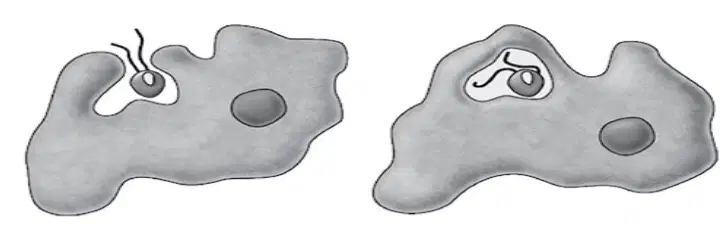
An amoeba is a single-celled organism. Amoebas extend their cell membrane around a food particle or prey organism. Then, they bring the food into the cell, as is shown in the illustration.
Which term best describes the cell process amoebas use to get food?
endocytosis
exocytosis
passive transport
facilitated diffusion
What is the main difference between active transport and passive transport?
During active transport the water inside the cell is used to transport substances throughout the cell. Passive transport uses the cell’s cytoplasm to move substances around the cell.
Passive transport moves substances throughout the cell without using the cell's energy and active transport moves substances using the cell’s energy.
Active transport moves substances from higher concentrations to lower concentrations and passive transport moves substances from lower concentrations to higher concentrations.
Passive transport moves substances that are too large to get through the cell membrane by forming a vesicle inside the cell and active transport forms the vesicle on the outside of the cell.
Imagine Olivia, Aria, and Mason are in a club with a special door that only lets certain members in. This door is a lot like a cell membrane, which only allows some substances to move through while blocking others. Which word describes this quality?
really picky
semi passable
selectively permeable
partially permeable
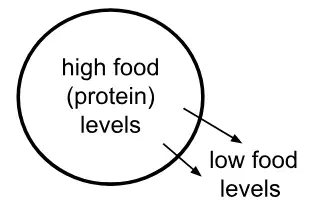
The cell is showing an example of which type of transport?
diffusion
active trasport
endocytosis
exocytosis
osmosis
Which of the following are examples of passive transport? (select all that apply)
osmosis
diffusion
facilitated diffusion
endocytosis
exocytosis
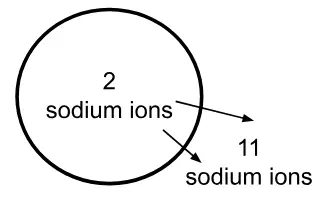
Samuel, Emma, and Benjamin are having a debate about cell transport. They are looking at a cell under a microscope. Samuel thinks the cell is showing an example of which type of transport? Can you help them?
diffusion
active transport
facilitated diffusion
osmosis
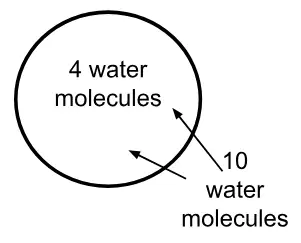
The cell is showing an example of which type of transport?
diffusion
active trasport
facilitated diffusion
osmosis
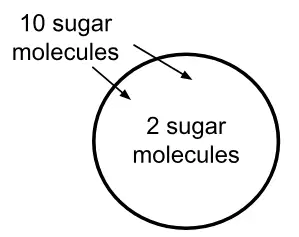
The cell is showing an example of which type of transport?
diffusion
active trasport
facilitated diffusion
osmosis
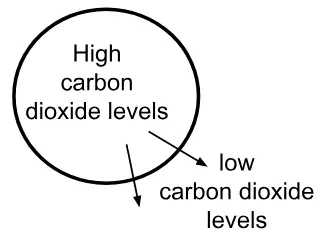
The cell is showing an example of which type of transport?
diffusion
active trasport
facilitated diffusion
osmosis
What process do plant cells use to take in carbon dioxide from the atmosphere for photosynthesis?
Active transport
Diffusion
Osmosis
Endocytosis
Priya, David, and Zoe are having a debate about cell biology. They are trying to figure out during which process do vesicles release their contents outside the cell. Can you help them?
Endocytosis
Facilitated diffusion
Exocytosis
Passive transport
Imagine Jackson, Hannah, and Noah are in a dance-off, moving from a crowded dance floor to an open space. What is this similar to in biology, where molecules or ions shimmy from a region of higher concentration to a region of lower concentration with the help of transport proteins?
diffusion
Facilitated diffusion
Active transport
Secondary transport

