
 Worksheets
8th Grade semester 1 final
Total questions: 109
Worksheet time: 3hrs 2mins
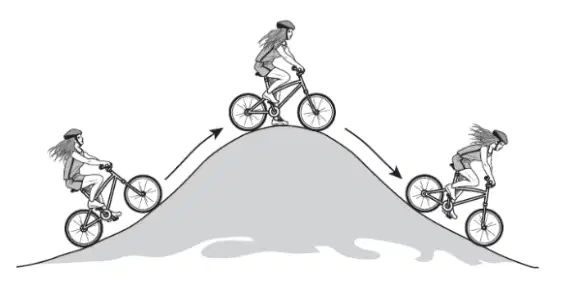
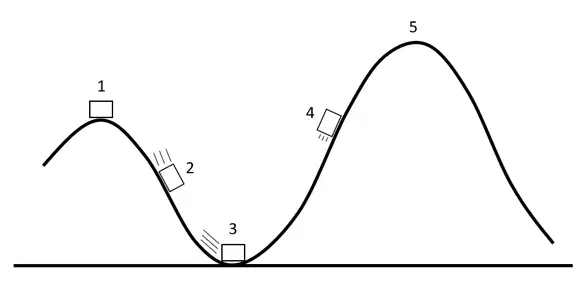
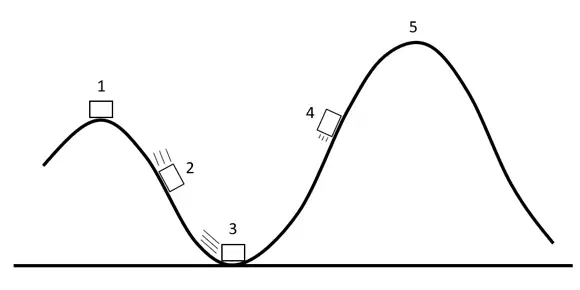
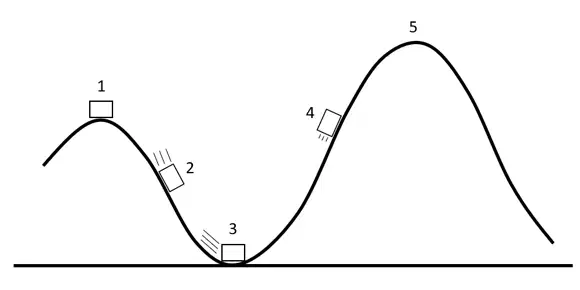



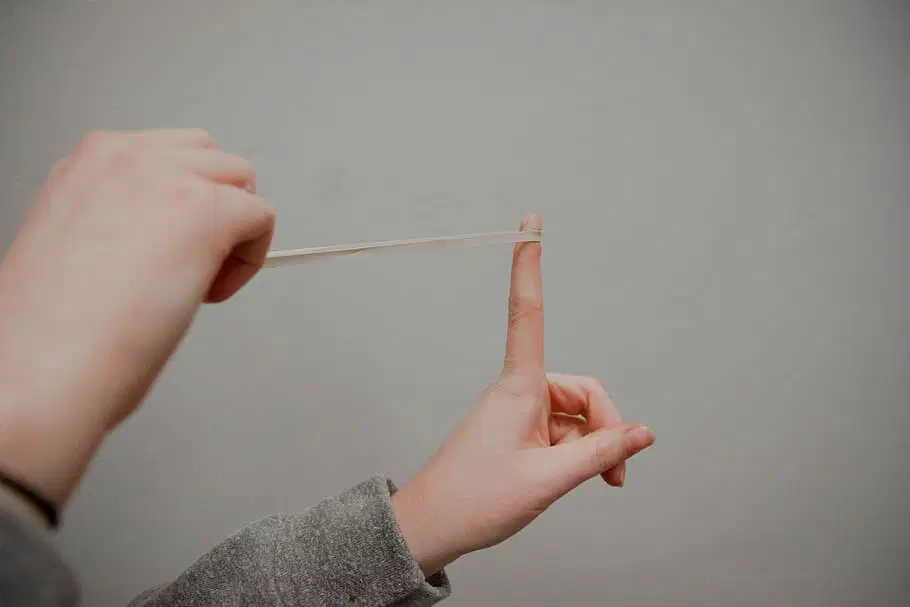




What is kinetic energy?
The energy an object has due to its position or condition
The energy an object has due to its motion
The energy an object has due to its chemical composition
The energy an object has due to its atomic structure
Which object has the most potential energy?
A ball resting on the ground.
A ball being thrown at 100 miles per hour.
A ball on top of a refrigerator.
A ball resting on the edge of a cliff.
What is contained in the nucleus of an atom?
Protons only
Electrons only
Electrons and Protons
Protons and Neutrons
Which of the following would be an example of a physical property?
Volume
Flammability
Ability to rust
Combustibility
Which of the following would be a physical property of a sheet of notebook paper?
Reactivity
Solid
Combustibility
Ability to react
Which unit would be best to measure the length of a pencil?
meters
kilometers
Centimeters
Decimeters
Which of the following metric measurements would be used to measure the length of a football field?
centimeters
kilometers
meters
millimeters
The SI unit for volume is the __________.
meter
kilogram
liter
second
Newton
How many valence electrons are found in atoms of group 14?
4
3
14
16
What are valence electrons?
The total number of electrons in an atom
The number of electrons in the outermost shell
The number of electrons in the second shell
The number of protons in the outermost shell
Which elements have the most similar chemical properties?
boron and carbon
oxygen and sulfur
aluminum and bromine
argon and silicon
What group is the most reactive metals?
2
18
1
16
What group is the most reactive non metals?
1
17
2
1


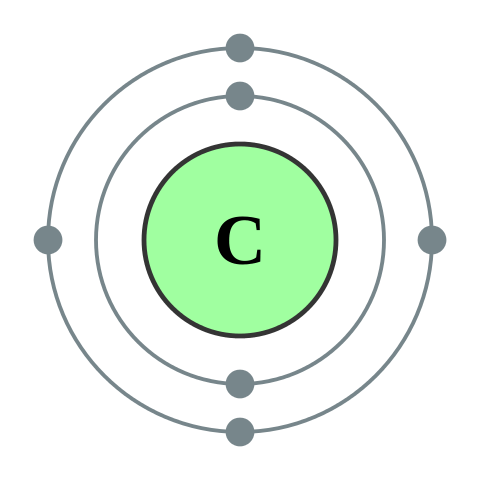
How many valence electrons does carbon have?
4
5
6
7

You calculated the density of an unknown substance to be 7.8g/cm3. According to the chart, which of the substances doe you most likely have?
Zinc
Copper
Tin
Iron
What is the density of an object with a mass of 3g and a volume of 1cm3? (Hint: Density = mass / volume)
1/3 g/cm3
3 g/cm
3 g/cm3

You calculated the density of an unknown substance to be 5.7g/cm3. According to the chart, which of the substances do you most likely have?
Aluminum
Iron
Tin
Zinc
H2SO4
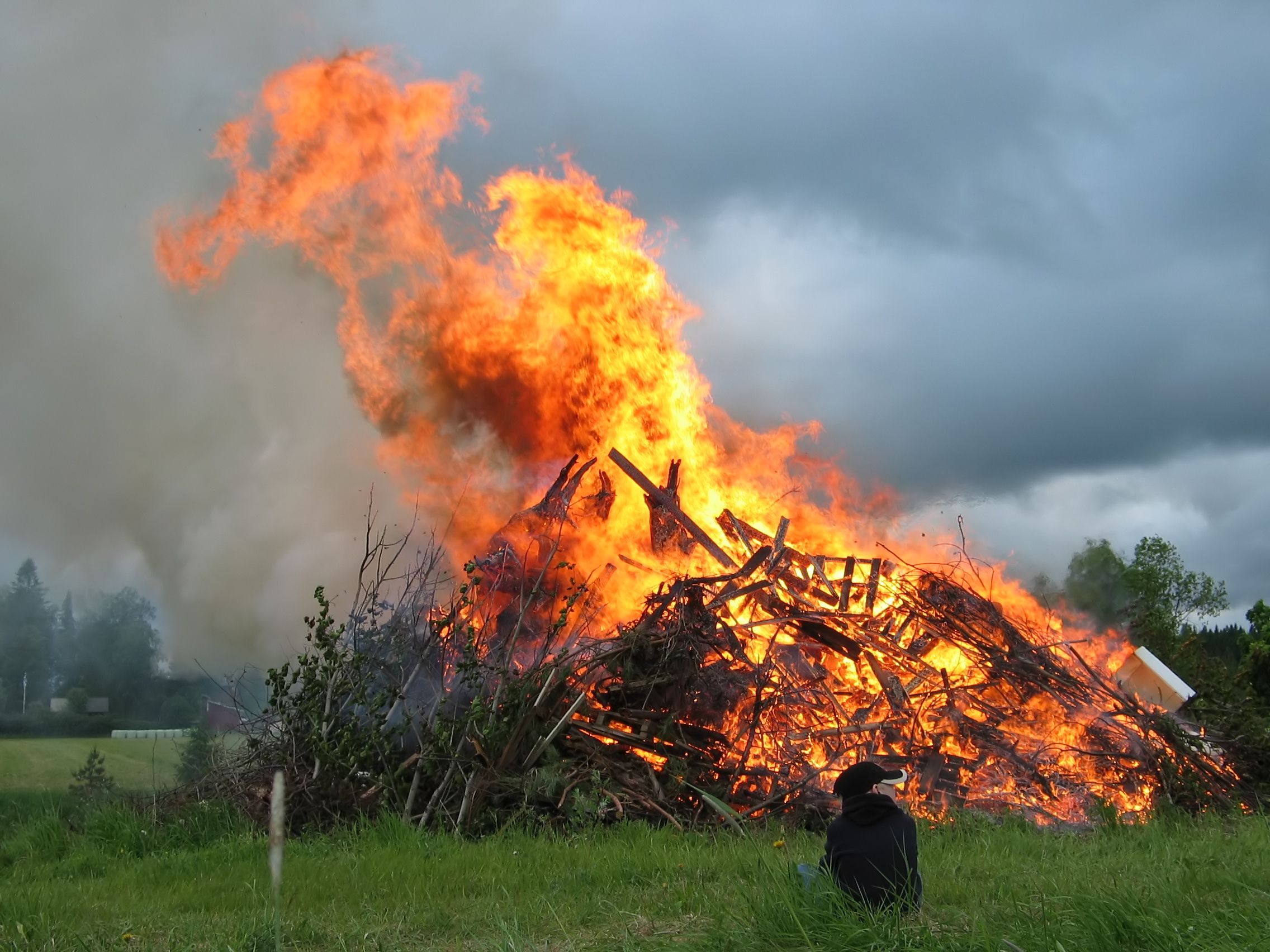
When a student runs and kicks a ball, they have applied an ___________ force to move the ball.
Balanced
Magnetic
Spring
Unbalanced
Which law of motion says that you must push or pull objects harder if they have more mass?
1st
2nd
3rd
4th
What law is best described by inertia?
1st
2nd
3rd
law of conservation of mass
What Unit do we Measure Force in?
Newtons
Joules
Force
Kilograms
What is Newton's First Law
F=ma
Every action has an equal and opposite reaction
An object at rest stays at rest, an object in motion stays in motion.
Friction
A 20 kg bike accelerates at 10 m/s2. what was the force
F = m x a
25 Newtons
20 Newtons
200 Newtons
10 Newtons
Newton's third law states that any action will have a(n) _______ and ______ reaction
Equal and similar
Equal and opposite
Equal and different
Greater and opposite
8 N to the left , and 4 N to the right. Find the net force. Is this balanced
12 N Right No
4 N Left No
12 N Right Yes
4 N Left Yes

What is this graph representing?
Constant Speed
Acceleration (speeding up)
Deceleration (slowing down)
No motion


If an object is not moving the forces acting upon it are _____________
unbalanced
weak
balanced
Hulk Smash!
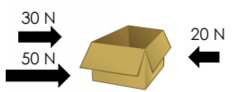
Calculate the Net Force.
60N, Right
60N, Left
100N, Right
100N, Left


A negatively charged particle located outside the atom's nucleus is
a neutron.
a proton.
an electron.
a quark.
A positively charged particle found in the nucleus of an atom is
a quark.
an electron.
a proton.
a neutron.
The smallest particle of an element that still retains the element's properties is
an atom.
a nucleus.
a quark.
an electron.
A scientist performs tests on a sample of an element. The element is a shiny solid that conducts electricity and heat. The scientist is able to bend and flatten the sample when pressure is applied to it. Based on this information, the element could NOT be a member of which group on the periodic table?
Group 2
Group 8
Group 12
Group 13
How many valence electrons are in an atom of each element in Group 15 in the periodic table? Enter only a number, no letters or words.
(a)

Four students were asked to complete a table for a science assignment. Each student selected one chemical element from each of four groups in the periodic table and then classified each element as a metal, nonmetal or metalloid. Which table was completed correctly?
A
B
C
D

Students were asked to identify the location of elements in the periodic table based on clues printed on game cards. Based on the data, which periodic table shows the correct location of the four elements?
*the answer choices (F, G, H & J) are the same in the question image and the answer choice images...trying to make it so you can zoom in to see the answers!


Which pair of properties describes the elements in Group 18?
they are chemically stable and liquid at room temperature
they have eight valence electrons and are flammable
they are magnetic and boil at low temperatures
they are gaseous at room temperature and chemically stable

Element R and Element Q have the same number of valence electrons. These elements both have similar chemical behavior, but Element R has fewer energy levels than Element Q. Which statement best describes the positions of the two elements in the periodic table?
the two elements are in the same period, with element R the first element in the period and element Q the last element
the two elements are side by side in the same period, with element Q to the left or element R
the two elements are in the same group, with element R just above element Q
the two elements are in the same group, with element Q at the top of the group and element R at the bottom

Students in a science class prepared flash cards so that they could quiz one another about the arrangement of the periodic table. One of the flash cards contained information about two elements, Element L and Element M.
The students had to use the information on the flash card to determine possible positions of the two elements on a blank periodic table. Which periodic table has the elements placed in locations that match the information on the flash card?


The periodic table is organized into groups and periods of elements. The characteristics of a certain group of elements are listed in the image.
Which of these elements is in this group:
Lithium
Strontium
Aluminum
Silicon
Which two elements on the periodic table are in the same period?
Sn and Rb
F and Cl
K and Ba
Se and Te

A student is studying the ways different elements are similar to one another. Diagrams of atoms from four different elements are shown in the image.
Which two atoms are of elements in the same group in the periodic table?
Atom 1 and Atom 2
Atom 1 and Atom 4
Atom 2 and Atom 3
Atom 3 and Atom 4
A researcher wants to experiment with an element that reacts like phosphorous (P) but has a greater atomic mass. Which element should the researcher select for the experiment?
Nitrogen (N)
Sulfur (S)
Arsenic (As)
Silicon (Si)

The model of the periodic table in the image shows the location of four elements. A student is asked to identify an element that is a pale-yellow brittle solid and does not conduct electricity. At which location in this periodic table would the element most likely be found?
1
2
3
4
Four students were asked to complete a table for a science assignment. Each student selected one chemical element from each of four groups in the periodic table and then classified each element as a metal, nonmetal or metalloid. Which table was completed correctly?
A
B
C
D
Which two elements on the periodic table are in the same period?
Sn and Rb
F and Cl
K and Ba
Se and Te
A student is studying the ways different elements are similar to one another. Diagrams of atoms from four different elements are shown in the image.
Which two atoms are of elements in the same group in the periodic table?
Atom 1 and Atom 2
Atom 1 and Atom 4
Atom 2 and Atom 3
Atom 3 and Atom 4
The model of the periodic table in the image shows the location of four elements. A student is asked to identify an element that is a pale-yellow brittle solid and does not conduct electricity. At which location in this periodic table would the element most likely be found?
1
2
3
4
What is an example of newtons 2nd law
sleeping
velocity
driving
sitting

