
 Worksheets
Science DCP #2 Review 23-24
Total questions: 76
Worksheet time: 2hrs 31mins


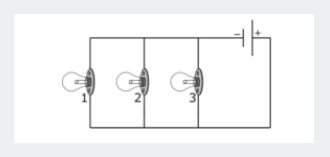

A student builds a circuit made up of a battery, two light bulbs, and a switch. What will the student most likely observe in this circuit?
Light bulb 1 and light bulb 2 will both be on
Light bulb 1 will be off, but light bulb 2 will be on
Light bulb 1 and light bulb 2 will both be off
Light bulb 1 will be on, but light bulb 2 will be off

Students constructed a circuit using different-colored lightbulbs. What will happen if Switch 3 is closed and the other switches are left open?
Only the white bulb will operate
None of the bulbs will operate
Only the white and yellow bulbs will operate
Only the red and blue bulbs will operate

The diagram shows an electric circuit with four bells that a student plans to build. When the student connects the wire as shown, which of the bells will ring?
Bell 1 only
Bells 1 and 4 only
Bells 3 and 4 only
Bells 1, 2, 3, and 4


A
B
C
D

Shadow casts by objects change throughout the day. The picture below shows the shadow cast by a tree at 3:00 p.m. Which picture shows how the tree's shadow most likely looked at 9:00 a.m. ?


Which of these best explains why the sun appears to move across the sky each day?


A student draws a model showing the movements on Earth, the moon, and the sun. Which arrow shows the movement that caused day and night on Earth?
Arrow 1, because it shows the rotation of the sun
Arrow 2, because it shows the orbit of Earth around the sun
Arrow 3, because it shows the orbit of the moon around Earth
Arrow 4, because it shows the rotation of the Earth
A student draws diagrams of her house and the location of the sun in the sky. Which diagram below does NOT correctly represent the location of the sun at the time indicated?


Maya designed an experiment to answer the following question: How does the amount of water given to a lima
bean seed affect how tall it grows?
In this experiment, what variable should Maya CHANGE?
the amount of water
the kind of plant
the type of soil
the amount of sunlight it gets

Anthony designed an experiment to answer the following question: How does the temperature of water affect the time it takes for a sugar cube to dissolve?
Multiple answers!!! Which things should Anthony keep the same in his experiment?
the amount of water
the size of the sugar cubes
the temperature of the water

Anthony designed an experiment to answer the following question: How does the temperature of water affect the time it takes for a sugar cube to dissolve?
Which factor should Anthony CHANGE in his experiment with the sugar cubes?
the amount of water he uses
the size of the sugar cubes
the temperature of the water

Anthony designed an experiment to answer the following question: How does the temperature of water affect the time it takes for a sugar cube to dissolve?
What tool should Anthony use to measure how much time it takes for the sugar to dissolve?
ruler
stopwatch
triple beam balance
thermometer

Xavier’s team designed an experiment to answer the following question. How does the surface of a ramp affect how far a toy car rolls?
Which factor should Xavier change in the experiment?
the kind of car
the height of the ramp
the surface of the ramp
Ben observed that puddles outside seem to disappear more quickly when it is a sunny day. He decided to test this by setting up an experiment in which he placed a graduated cylinder with 10 ml of water in a dark closet and a graduated cylinder with 10 ml of water by the window. Each day he measured the amount of water.
What did Ben change in this experiment?
the amount of sunlight on the water
the amount of water in the cup
the kind of cup

What was the Independent Variable?

The experiment in the picture can determine-
How mass affects the force needed to move an object
How force affects the mass
How the force of the dictionary changes
How the mass of the marbles affects the mass of the dictionary
Caroline designs an experiment to determine how much force is needed to move blocks of wood of different masses. Which procedure should be included?
Use a different scale to pull each block of wood
Pull a different side of the block each time
Use a different surface for each trial
Pull the blocks the exact same way each time

Katelyn designed the experiment in the picture. What does she need to fix to make it a better experiment?
Use blocks of equal masses on the rubber bands
Use blocks with more mass that will break the rubber bands
Use more pieces of rubber bands and more blocks

What is mechanical energy?
Energy associated with the motion
Energy caused by the movement of electrons.
Energy we can see
Heat energy
What is electrical energy?
Energy associated with the motion
Energy caused by the movement of electrons.
Energy we can see
Energy we can hear, travels in waves
What is thermal energy?
Energy associated with the motion
Heat energy
Energy we can see
Energy we can hear, travels in waves
What is light energy?
Energy associated with the motion
Heat energy
Energy we can see
Energy we can hear, travels in waves
What is sound energy?
Energy associated with the motion
Heat energy
Energy we can see
Energy we can hear, travels in waves


Which object requires only mechanical energy to perform its main function?
A
B
C
D

What type of energy causes ice cream to melt?
thermal/heat
light
sound
electrical


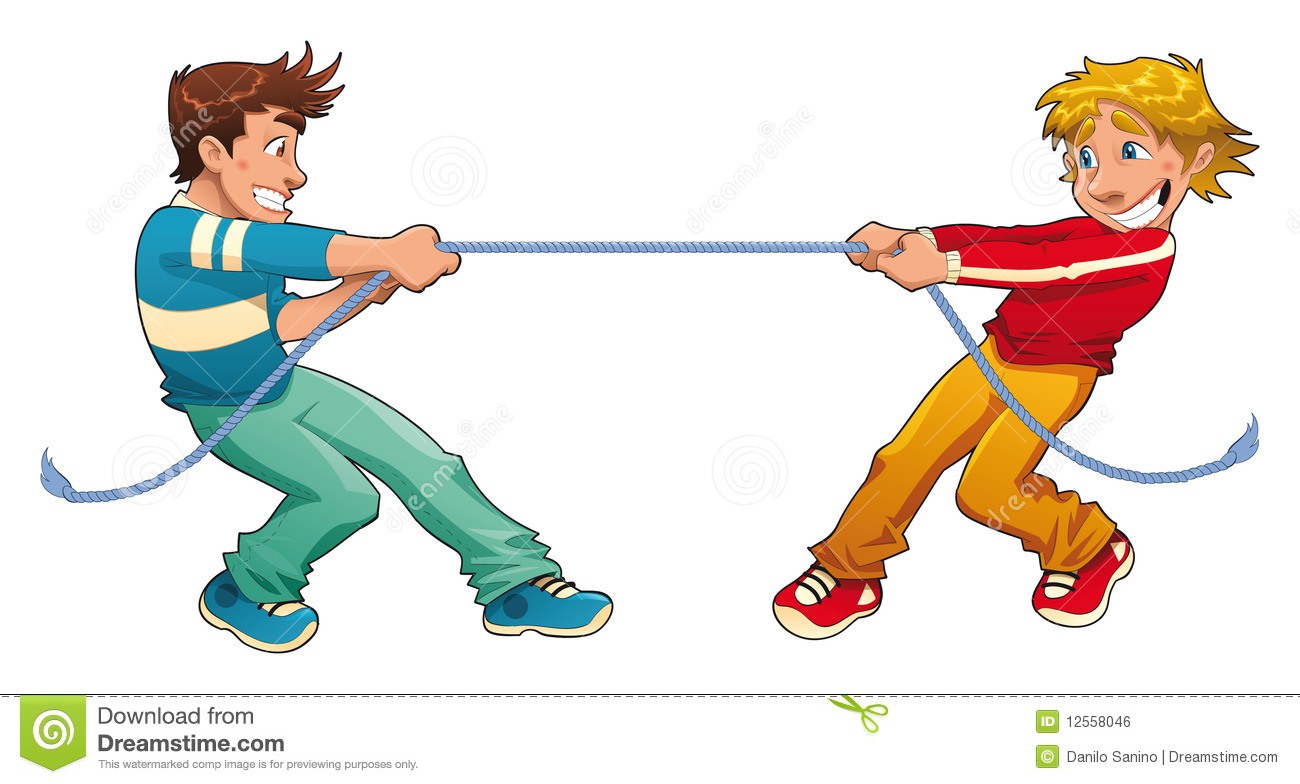

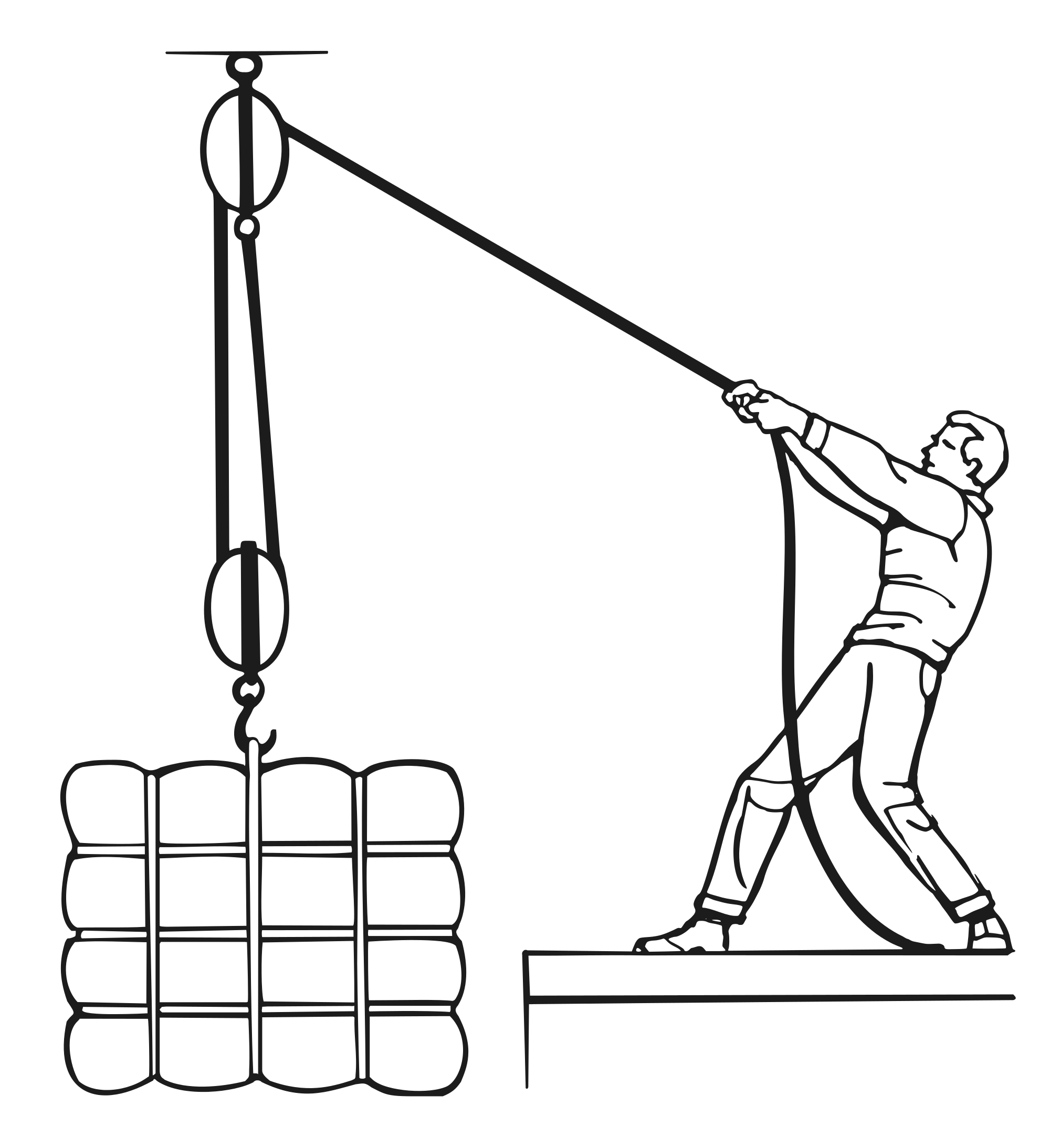

What should you do to make a toy car roll faster down a ramp?
Push it with more force
Push it with less force
Remove the force of gravity
Use magnetism to push it down


What types of energy does the toy oven use to bake the cakes?
Light and sound
Electrical and thermal
Thermal and mechanical
Mechanical and electrical

Which of these is NOT an example of the bicycle using mechanical energy?
The pedals, gears, and chin help turn the wheels.
The wheels turn when the bicycle moves.
The front wheel guides the bicycle as it moves.
The reflector allows the bicycle to be seen at night.
A physical property that describes matter as a solid, liquid, or gas
relative density
solubility
state of matter
conductivity
Whether something sinks or floats in water
relative density
solubility
conductivity
state of matter

Volume is __________
How dense something is compared with a reference material. Sink or Float
Anything that has mass and takes up space.
How much space something takes up.
Measurement of the ability of a solid to dissolve in a liquid.

Insulator
The amount of matter in something; measured in grams.
Material that allows heat or electrical energy to easily flow through it.
How much space something takes up.
Material through which heat or electricity does not easily flow.

Conductor
The amount of matter in something; measured in grams.
Material that allows heat or electrical energy to easily flow through it.
How much space something takes up.
Material through which heat or electricity does not easily flow.

Magnetism is ___________
The amount of matter in something; measured in grams.
Material through which heat or electricity does not easily flow.
How much space something takes up.
The property of attraction to a magnet.

Matter is ____________
Anything that has mass and takes up space.
The property of attraction to a magnet.
How dense something is compared with a reference material. Sink or Float
Measurement of the ability of a solid to dissolve in a liquid.
Energy that can be measured by a thermometer.

A student puts four objects in a bucket filled with water. The objects are listed below.
-Plastic ball
-Glass Marble
-Metal Paper clip
-Wood Block
Which two objects are most likely less dense than the water?
wood block and metal paper clip
Plastic ball and glass marble
Metal paper clip and glass marble
Wood block and plastic ball
What are the 4 inner planets?
Mercury, Jupiter, Saturn, Pluto
Earth, Venus, Mars, Neptune
Mercury, Venus, Earth, Mars
Jupiter, Saturn, Neptune, Uranus
What are the 4 outer planets?
Mercury, Venus, Earth, Mars
Uranus, Mercury, Earth, Mars
Jupiter, Uranus, Saturn, Neptune
Jupiter, Saturn, Earth, Mars
The inner planets share 2 qualities or characteristics
Humans can live on them, they all have water
They are rocky, and humans can find food on them
They are rocky and close to the Sun
They are close to the Sun, and humans can live on them
The first planet, closest to the Sun, and the smallest planet. Is extremely hot during the day and freezing cold at night.
Mercury
Jupiter
Venus
Uranus
The fourth planet from the Sun, called the Red planet, and extensively explored and observed
Neptune
Venus
Jupiter
Mars
What are the 2 characteristics of the 4 outer planets.
They are rocky and small in size
Larger planets and made of gas
Closer to the Sun and made of gas
Farther from the Sun and made of gas
If you saw a full moon today, how long would you have to wait to see another full moon?
One day
One week
One month
One year

