wayground logo

Free Printable Worksheets

Font size

S
M
L
XL
Worksheets

Mid Term Review

Total questions: 162

Worksheet time: 2hrs 21mins

Name
Class
Date
1.
A population is...
a)
A group of one species in one area
b)
Multiple species that live in one area
c)
All of the living and nonliving things in an area
d)
None of these
2.

What is the world population in 2020?

a)

900 million

b)

2.5 billion

c)

7.8 billion

d)

8.5 billion

e)

12 billion

3.
If the number of births is greater than the number of deaths in a population, what will happen to the growth of the population?
a)
It will increase.
b)
It will decrease.
c)
It will stay the same.
d)
It will fluctuate.
4.

What does the term carrying capacity describe?

a)

The maximum number of birth rates for a population.

b)

The ability of a population to accept new immigrants.

c)

The ratio of birth rates to death rates in a population.

d)

The population size that the environment can sustain.
5.
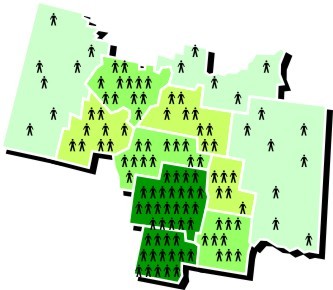
The average number of people living in an area
a)
population distribution
b)
population density
c)
urbanization
d)
population rate
6.
The maximum population size of a species that the environment can sustain indefinitely, given the food, habitat, water and other necessities available in the environment.
a)
sparse population
b)
environmental
c)
carrying capacity
d)
dense population
7.
The average number of people living in a square kilometer is called...
a)
urbanization. 
b)
internal migration. 
c)
population density. 
d)
pull factors. 
8.
If the number of births in a population is the same as the number of deaths in a population, what will happen to the growth of the population?
a)
It will increase.
b)
It will decrease.
c)
It will stay the same.
d)
It will fluctuate.
9.
When a population grows past the ecosystem's carrying capacity, what happens to the population?
a)
Continues to grow
b)
The population starts to die off to return to carrying capcity
c)
The population will go extinct due to lack of resources
d)
The population grows then finds a new carrying capacity
10.
The number of deaths compared to the total number of people in a population
a)
death rate
b)
doubling time
c)
population decline
d)
birth rate
11.
The number of births compared to the total number of people in a population
a)
death rate
b)
birth rate
c)
baby boom
d)
doubling time
12.
To enter and live in a new country
a)
Emigration
b)
Immigration
c)
Urbanization
d)
Industrialization
13.
The number of organisms in a population which die each year 
a)
Death Rate
b)
Birth Rate
c)
Immigration
d)
Emigration
14.
2 factors which increase population size
a)
Birth Rate, Immigration
b)
Death Rate, Immigration
c)
Birth Rate, Emigration
d)
Death Rate, Emigration
15.

Which of the following is NOT a potential limiting factor of human population growth?

a)

disease

b)

war

c)

medicine

d)

famine

16.

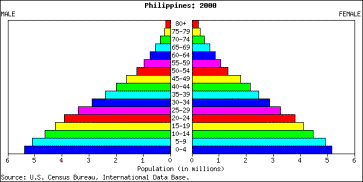
Name the type of pyramid in the picture.

a)

slow growth

b)

rapid growth

c)

zero growth

d)

negative growth

17.
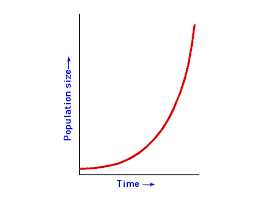
What type of growth is shown in the diagram?
a)
exponential growth
b)
logistic growth 
c)
predator-prey cycle
d)
boom-bust curve
18.
Which of the following would most likely occur if a population exceeded the carry capacity of the environment?
a)
The birth rate would likely increase.
b)
Birth rate would be equal to the death rate.
c)
The death rate would increase.
d)
Immigration would increase.
19.
If the number of births in a population is the same as the number of deaths in a population, what will happen to the growth of the population?
a)
It will increase.
b)
It will decrease.
c)
It will stay the same.
d)
It will fluctuate.
20.
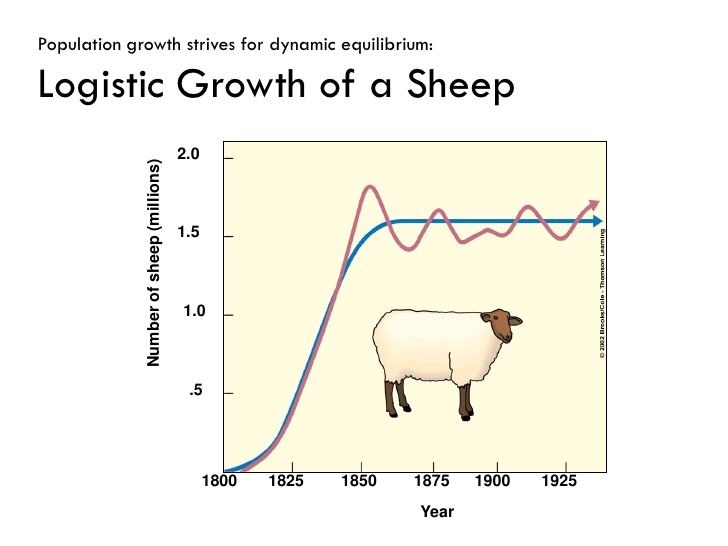
What is the carrying capacity for this sheep population?
a)
1.8 million
b)
1.25 million
c)
1.6 million
d)
1.o million
21.
What is the carrying capacity of the following graph?
a)
1000
b)
8000
c)
800
d)
600
22.
According to the population pyramid of this country, its population is most likely...
a)
growing slowly.
b)
growing rapidly.
c)
decreasing.
d)
not changing.
23.
According to the United Nations, at what number is world population expected to plateau?
a)
9-11 billion
b)
13-15 billion
c)
20-25 billion
d)
never
24.
Which of the following is likely to be affected by a population of 7 billion?
a)
amount of land for agriculture
b)
amount of clean water
c)
number of people who are unemployed
d)
all of the above
25.

Which of the following age structure diagrams demonstrates little to no growth in the population?

a)
b)
c)
d)

none of the above

26.

Which of the following age structure diagrams demonstrates NEGATIVE growth in the population?

a)
b)
c)
d)

none of the above

27.

Which of the following age structure diagrams demonstrates POSITIVE, RAPID growth in the population?

a)
b)
c)
d)

none of the above

28.

Wealthy, old, low birth and death rates, Industrialized, slow growth

a)

Developed Nation

b)

Developing Nation

29.

Poor, Young, High Birth and Death Rates, Population Increasing rapidly, Agricultural

a)

Developed Nation

b)

Developing Nation

30.

What evidence do you see in Figure 5–6 that the United States is gradually entering the last stage of demographic transition?

a)

The age structure for the US has fewer children in the younger age categories

b)

The age structure for the US has fewer adults in the middle age categories

c)

The age structure for the US has greater numbers in the 15-19 age category

d)

The age structure for the US shows females living longer than males.

31.
Which of the following is NOT one of the three layers of soil?
a)
topsoil
b)
undersoil
c)
subsoil
d)
bedrock
32.
Ellen grabs a topsoil sample in her hand. She rolls it into a ball. The soil feels gritty and the ball falls apart. What part of the topsoil most likely made the topsoil feel gritty?
a)
clay
b)
sand
c)
silt
d)
humus
33.
Which of the following is the largest particle in soil?
a)
sand
b)
silt
c)
humus
d)
clay
34.
The texture of soil depends mainly on
a)
the types of plants that grow in the soil.
b)
the size of the particles in the soil.
c)
the color of the soil.
d)
the number of worms in the soil.
35.
You dig a small hole in the soil and the next day it rains. The hole fills with water, but does not empty even after several days of dry weather. What is the soil mostly made of?
a)
clay
b)
sand
c)
humus
d)
silt
36.
Soil is made of
a)
Weathered rock
b)
decomposed plants and animals
c)
air and water
d)
all of the above
37.
What are the three soil particles that we use to classify soils?
a)
sand, dirt, and soil
b)
clay, sand, and silt
c)
silt, loam, and sandy loam
d)
clay, salt, and pebbles
38.

What do we call the different layers of soil?

a)

Deposits

b)

Horizons

c)

Minerals

d)

Rocks

39.

Which soil horizon is on the bottom?

a)

topsoil

b)

subsoil

c)

bedrock

d)

bottomsoil

40.

What horizon is just below the topsoil?

a)

soil

b)

subsoil

c)

topsoil

d)

terrace farming

41.

Which horizon of soil contains leaf litter, and other organic matter?

a)

O - Humus/Organic

b)

A - Topsoil

c)

B - Subsoil

d)

R - Bedrock

42.
The ___________________ the grain size, the faster the water will move through the soil.
a)
more mixed
b)
smaller
c)
larger
43.

The rock particles in soil arranged from largest to smallest are

a)

Sand, clay, and silt.

b)

Silt, sand, and clay.

c)

Sand, silt, and clay.

d)

Clay, sand, and silt.

44.

The best soil for growing plants is

a)

mostly sand.

b)

mostly silt.

c)

mostly clay.

d)

a mixture of sand, silt, and clay.

45.

The layer of loose, weathered material on Earth's surface in which plants can grow is

a)

topsoil

b)

humus

c)

weathering

d)

bedrock

46.
A(n) ______ is a substance with a pH less than 7
a)
Acid
b)
Alkaline/Base
47.
The sand, silt, and clay portion of soil comes from weathered _____ material.
a)
parent
b)
bedrock
c)
plant
d)
insect
48.
Most plants grow best in soils with a pH between _____.
a)
1 and 4
b)
4 and 10
c)
5 and 7
d)
6 and 12
49.

The elements are organized into what two groups?

a)

gaseous; liquid

b)

liquid; solid; gas

c)

macronutrients; micronutrients

d)

none of the above

50.

What are the 3 nutrients required on fertilizer labels?

a)

NDA

b)

NPK

c)

KPH

d)

CHN

51.
Which of the following is NOT one of the three layers of soil?
a)
topsoil
b)
undersoil
c)
subsoil
d)
bedrock
52.
Which layer of soil is on the top?
a)
topsoil
b)
subsoil
c)
bedrock
d)
dirt
53.
What layer of soil is in the middle?
a)
topsoil
b)
bedrock
c)
minerals
d)
subsoil
54.
Humus is.....
a)
the dead parts of plants and animals in soil.
b)
A food we eat with pretzels.
c)
The tiny particles inside of soil
d)
The roots that come off of a plant and live in soil.
55.
Ellen grabs a topsoil sample in her hand. She rolls it into a ball. The soil feels gritty and the ball falls apart. What part of the topsoil most likely made the topsoil feel gritty?
a)
clay
b)
sand
c)
silt
d)
humus
56.
Which of the following is the largest particle in soil?
a)
sand
b)
silt
c)
humus
d)
clay
57.
The texture of soil depends mainly on
a)
the types of plants that grow in the soil.
b)
the size of the particles in the soil.
c)
the color of the soil.
d)
the number of worms in the soil.
58.
You dig a small hole in the soil and the next day it rains. The hole fills with water, but does not empty even after several days of dry weather. What is the soil mostly made of?
a)
clay
b)
sand
c)
humus
d)
silt
59.
Soil is made of
a)
Weathered rock
b)
decomposed plants and animals
c)
air and water
d)
all of the above
60.
What are the three soil particles that we use to classify soils?
a)
sand, dirt, and soil
b)
clay, sand, and silt
c)
silt, loam, and sandy loam
d)
clay, salt, and pebbles
61.
If a soil particle is big, meaning it has a larger pore space, how will the water flow?
a)
Fast
b)
Slow
62.
Organisms, like bacteria and fungi, that recycle nutrients back to the soil
a)
Eutrification
b)
legumes
c)
Nitrogen Fixing
d)
decomposers
63.
Which type of soil drains the slowest?
a)
silt
b)
clay
c)
sand
d)
loam
64.
Abiotic factors in the environment are all __________. 
a)
living
b)
nonliving
65.
A group of populations that interact in an area is __________
a)
ecosystem
b)
community
c)
biome
d)
population
66.
Lions, birds, snakes and trees are all __________.
a)
abiotic factors
b)
biotic factors
c)
part of a niche
d)
in the same food chain
67.
Grass --> Grasshopper --> Mockingbird represents __________. 
a)
food chain
b)
food pyramid
c)
food web
d)
ecosystem
68.
Algae, grasses and trees are all __________. 
a)
decomposers
b)
consumers
c)
autotrophs/producers
d)
pyramids
69.
A trophic level represents a _________. 
a)
consumer
b)
feeding level
c)
speeding level
d)
cooking level
70.
An animal that eats plants and meat is a(n) __________.
a)
herbivore
b)
omnivore
c)
carnivore
d)
decomposer
71.
An organism`s role in its community is its __________, and where it lives is its _________.
a)
habitat; niche
b)
role in community; niche
c)
niche; role in the community
d)
niche; habitat
72.
What is the source of energy that flows through most of the food chains on Earth?
a)
plants
b)
the sun
c)
temperature
d)
wind
73.

Ecology is the study of .

a)

life

b)

Interactions among organisms and their environments

c)

interactions among organisms

d)

how traits are passed from parents to offspring
74.

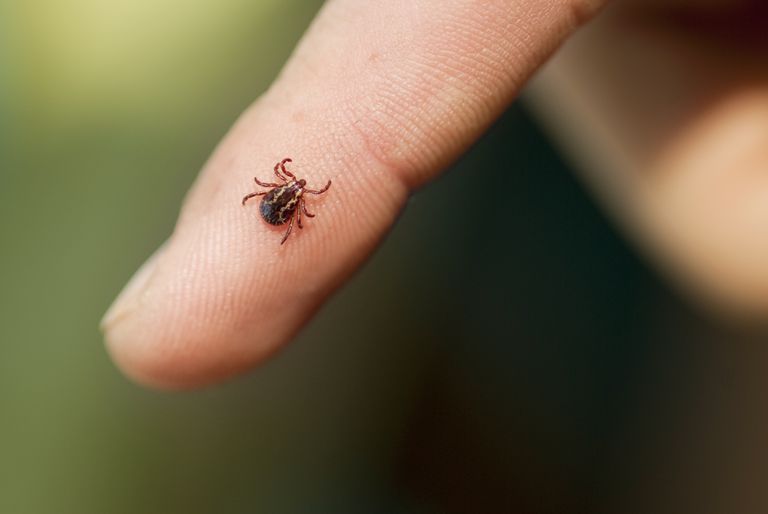
An ongoing relationship in which one organism benefits and the other is harmed.

a)

A. Predator & Prey

b)

B. Mutualism

c)

C. Commensalism

d)

D. Parasitism

75.

There are birds that eat the food from between the teeth of alligators, leaving the alligators with clean teeth and the birds with a meal. What type of ongoing relationship is this?

a)

A. Predator & Prey

b)

B. Mutualism

c)

C. Commensalism

d)

D. Parasitism

76.

Which of the following is a predator and prey relationship?

a)

A. Cow and grass.

b)

B. Vulture and a dead lion.

c)

C. Tick and a deer.

d)

D. Spider and a fly.

77.

Tell if the item is an abiotic factor or biotic.....

Water

a)

Abiotic

b)

Biotic

78.

An organism’s habitat is where it lives.

a)

True

b)

False

79.

Tell if the item is an abiotic factor or biotic factor.....

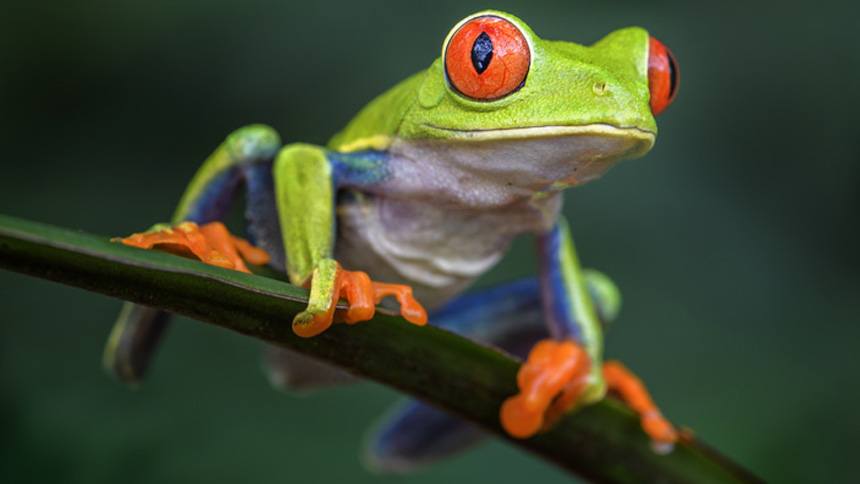
Tree Frog

a)

Abiotic

b)

Biotic

80.

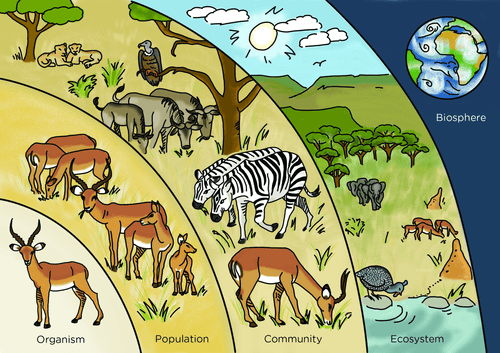
The living world is organized in levels. Biotic and abiotic factors also can be arranged into levels of biological organization. Put the words below in order from the least complex to the most complex

a)

Community, Organism, Biome, Population, Biosphere, Ecosystem

b)

Organism, Population, Community, Ecosystem, Biome, Biosphere

c)

Organism, Biome, Population, Community Biosphere, Ecosystem
81.

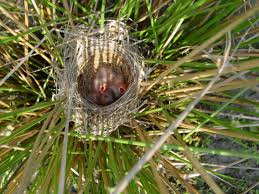
Bird builds nest in tree.

a)

Commensalism

b)

Mutualism

c)

Predator/Prey

d)

Parasitism

82.
An individual belonging to a specific species
a)
Biotic
b)
Community
c)
Organism
d)
Reptile
83.
All of the living and nonliving things in an area that interact with each other are called a/an ______.
a)
community
b)
habitat
c)
population
d)
ecosystem
84.
The image provided is an example of a(n):
a)
Producer
b)
Autotroph
c)
Consumer
d)
Insect
85.
The amount of energy that usually transfers from one trophic level to the next...
a)
10%
b)
20%
c)
80%
d)
50%
86.
An illustration that uses arrows to show the many possible directions in which matter and energy can pass through the organisms in an ecosystem.
a)
Food chain
b)
Food web
c)
Energy Pyramid
d)
Succession Map
87.
Which organisms are producers?
a)
Chemosynthetic bacteria and symbiotic bacteria
b)
Amphipods and zooplankton
c)
Tubeworms and zoarcid fish
d)
Octopuses and mussels
88.
Which organisms are both secondary and tertiary consumers in this food web?
a)
Chemosynthetic bacteria and amphipods
b)
Zooplankton and mussels
c)
Ratfish and octopuses
d)
Galatheid crabs and zoarcid fish
89.
In the energy pyramid here, which organisms have the most energy available?
a)
Producers
b)
Carnivores
c)
Herbivores
d)
Top Predator
90.
If there is 1000 Kcal available in the producers in trophic level 1, how much energy is available in the herbivores in trophic level 2?
a)
10 Kcal
b)
1 Kcal
c)
100 Kcal
d)
1000 Kcal
91.

At what population was carrying capacity met?

a)

250

b)

1000

c)

400

d)

720

92.

Density-independent limiting factors to population growth includes

a)

stress from overcrowding

b)

parasitism

c)

competition

d)

natural disasters

93.

What is a condition that halts population growth?

a)

limiting factors

b)

renewable resources

c)

climate

d)

conservation

94.
What type of growth is shown in the diagram?
a)
exponential growth
b)
logistic growth 
c)
predator-prey cycle
d)
boom-bust curve
95.
What is the approximate carrying capacity of Paramecium aurelia cultured alone?
a)
150
b)
400
c)
450
d)
500
96.

What type of growth curve is this?

a)

Logistic

b)

Exponential

c)

Abiotic

97.
The process of plants losing water through their leaves is called ____.
a)
condensation
b)
evaporation
c)
transpiration
d)
exhaling
98.
What is the only process that removes carbon from the atmosphere?
a)
combustion
b)
cellular respiration
c)
photosynthesis
d)
decomposition
99.
Respiration is the process by which ____________ is consumed and _______________ is produced.
a)
Carbon, Oxygen
b)
Oxygen, Carbon dioxide
c)
H20, oxygen
d)
Carbon, H2O
100.

Where are nitrogen-fixing bacteria found?

a)

In the atmosphere

b)

around the roots of plants

c)

In dead things

d)

in the water

101.
The direction of the flow of energy in a food web is represented by ___.
a)
Light bulbs
b)
Dotted Lines
c)
Arrows
d)
Bubbles
102.
Which of these is an example of an autotroph?
a)
Sunflower
b)
Krill
c)
Leopard
d)
Hummingbird
103.
Consumer that eats plants
a)
heterotroph
b)
herbivore
c)
producer
d)
community
104.

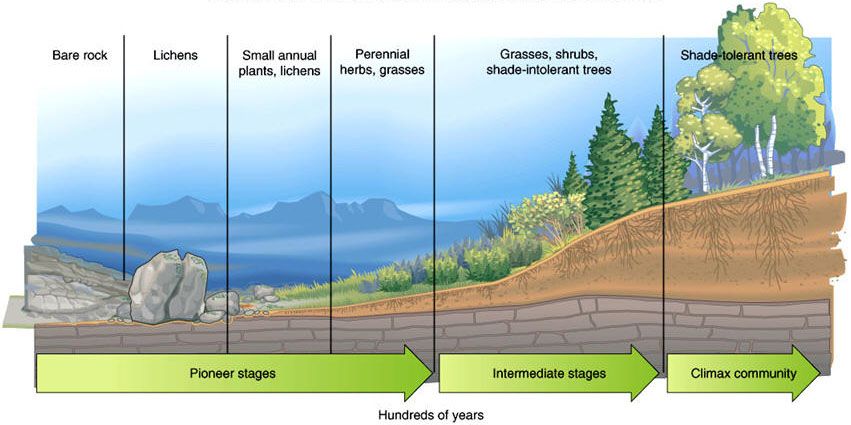
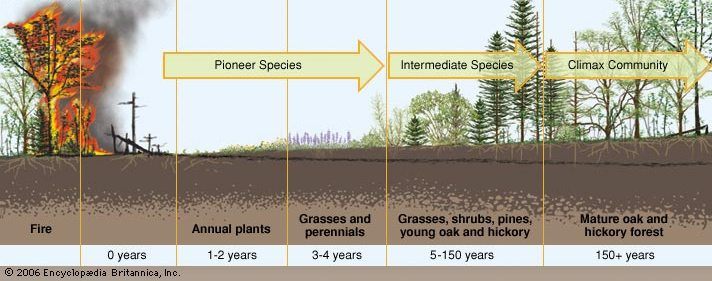
The picture display which type of succession?

a)

primary

b)

secondary

c)

tertiary

d)

all of the above

105.

The picture displays which type of succession?

a)

primary

b)

secondary

c)

tertiary

d)

all of the above

106.

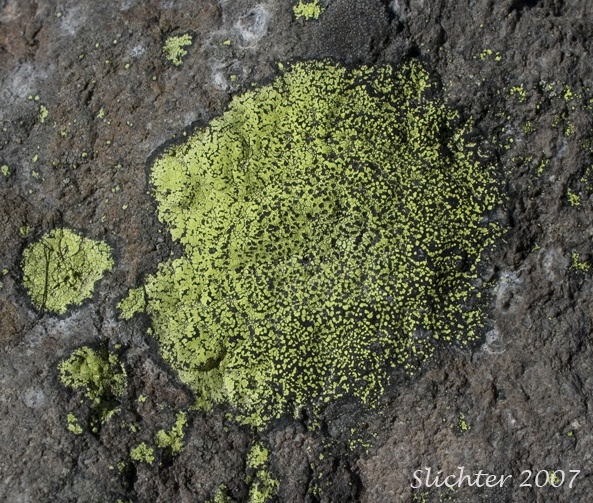
What is the name given to lichen/algae during primary succession?

a)

pioneer species

b)

volunteer species

c)

founder species

d)

conqueror species

107.

After a volcanic eruption, volcanic rock is present (but no soil). Which of the following states the most likely order of succession that would be seen?

a)

Lichens → Shrubs → Grasses → Trees

b)

Lichens → tree → shrubs→Grasses

c)

Grasses → Lichens → Shrubs → Trees

d)

Lichens → Grasses → Shrubs → Trees

108.
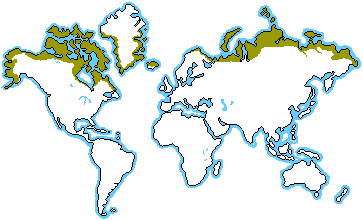
The area of the map shaded in green represents which of the following terrestrial biome
a)
Coniferous Forrest
b)
Deciduous Forrest 
c)
Desert
d)
Tundra
109.

Which land biome is covered mainly with conifer trees?

a)

Tropical Rain Forest

b)

Deciduous Forest

c)

Tundra

d)

Taiga

110.

Which biome is hot and humid all year round with plenty of rain?

a)

Tundra

b)

Tropical Rain Forest

c)

Taiga

d)

Temperate Forest

111.

Which land biome do we live in?

a)

Grassland

b)

Tundra

c)

Deciduous/Temperate Forest

d)

Taiga

112.

Which land biome is the coldest in temperature without any trees?

a)

Taiga

b)

Grassland

c)

Tundra

d)

Deciduous Forest

113.

Which biome is sandy and/or rocky with very little rain?

a)

Desert

b)

Tundra

c)

Grassland

d)

Tropical Rain Forest

114.

Which of the following are elements found in living things? (check all that are correct)

a)

Oxygen

b)

Sulfur

c)

Sodium

d)

Calcium

e)

Hydrogen

115.

Which of the following would cause a population's size to INCREASE? (check all that are true)

a)

death

b)

birth

c)

immigration

d)

emigration

116.

Which of the following would cause a population's size to DECREASE? (check all that are true)

a)

death

b)

birth

c)

immigration

d)

emigration

117.

Which of the following DOES NOT RETURN CARBON to the atmosphere?

a)

photosynthesis

b)

cellular respiration

c)

burning fossil fuels

118.
What type of solution is this cell in?
a)
Isotonic
b)
Hypertonic
c)
Hypotonic
d)
diffused
119.

Which is an example of a nucleic acid?

a)

DNA

b)

pasta

c)

amino acid

d)

lipid

120.
This biome is found around the equator and is home to a large amount of biodiversity.
a)
Deserts
b)
Tropical Rain Forests
c)
Savannas
d)
Chaparral 
121.
Estuaries form where 
a)
a lake evaporates
b)
a river meets the sea
c)
a river becomes dammed
d)
a wetland becomes filled in
122.
Important limiting factors in streams and rivers include
a)
amount of oxygen
b)
temperature of water
c)
all of the above
123.

The area of land that drains into a body of water is called...

a)

mountain

b)

watershed

c)

flood plain

d)

coast

124.
Microscopic, free-floating, autotrophic organisms that function as producers in aquatic ecosystems are called...
a)
plankton
b)
zooplankton
c)
phytoplankton
d)
bacteria
125.

The phytoplankton in this food chain is the ...

a)

Autotroph

b)

Herbivore

c)

Heterotroph

d)

Decomposer

126.
New lakes with relatively low levels of nutrients, deep & cold, with little organic matter (little phytoplankton)
a)
eutrophic
b)
mesotrophic
c)
limtrophic
d)
oligotrophic
127.

Most of the source of food in aquatic ecosystems is produced by

a)

Fish

b)

plankton

c)

crabs

128.

The types of organisms found in a pond or lake depend on

a)

The amount of sunlight available

b)

The temperature of the water

c)

The presence of nutrients

d)

All of the above

129.
An immediate increase in the amount of algae and other producers that results from a large input of nutrients is called...
a)
plant growth
b)
algal bloom
c)
phytoplankton growth
d)
aquatic bloom
130.

As water temperature increases, water density

a)

Increases

b)

Decreases

131.

Which stratification layer has both highest temperature and most dissolved oxygen?

a)

Metalimnion

b)

hypolimnion

c)

epilimnion

d)

thermocline

132.

The study of freshwater ecosystems is called

a)

ecology.

b)

limnology.

c)

hydrology.

d)

aquology.

133.

The bend in the river labeled with the letter E is called a

a)

watershed.

b)

tributary.

c)

meander.

d)

reservoir.

134.

Letter G is the _________ of the river.

a)

source

b)

mouth

c)

runoff

d)

water table

135.

Based upon the stream order method of stream classification, what order would stream A be considered?

a)

1

b)

3

c)

0

d)

2

136.

Which of the following refers to the entire land area that delivers water, sediments & dissolved substances via small streams into a river?

a)

water table

b)

thermocline

c)

watershed

d)

headwater

137.

A clear, deep lake with high oxygen, low nutrients and very little biological productivity would be

a)

dystrophic.

b)

mesotrophic.

c)

oligotrophic.

d)

eutrophic.

138.

A shallow, weedy lake with low oxygen, high nutrients and a large amount of biological productivity would be

a)

dystrophic.

b)

mesotrophic.

c)

oligotrophic.

d)

eutrophic.

139.

Why is turnover so important in a lake system?

a)

It assures that light can penetrate the water and allow photosynthesis to occur.

b)

It prevents algal blooms from occurring in the spring..

c)

It brings oxygen to the lower depths of the lake and nutrients to the upper levels of the lake.

d)

It keeps the lake organisms warm throughout the year.

140.

What is the temperature zone indicated by Roman numeral III?

a)

metalimnion

b)

epilimnion

c)

hypolimnion

d)

oligolimnion

141.

What are considered "the commons"

a)

Common house hold items like knifes, spoons, and forks.

b)

A renewable resource owned by no one and available for use by anyone at little or no charge

c)

A field where college students can sit outside in between classes

142.

Which of these is not an example of a commons?

a)

The air

b)

The ocean

c)

Privately owned farms

143.

The "Tragedy of The Commons" is...

a)

An economic issue where people do not have enough money to buy basic needs so they resort to stealing and breaking the law.

b)

A type of play where someone tragically dies or gets killed.

c)

Economic issue where individuals tend to take advantage of the natural resource and it becomes unavailable for everyone.

144.

Sustainability

a)

The process of maintaining resources so they are not depleted or permanently damaged.

b)

The ability to read minds

c)

The ability to save resources for years and years

145.

What is overgrazing?

a)

When cows eat so much they get sick and throw up

b)

When a section of land is used for extended periods of time, or without sufficient recovery periods.

c)

When horses eat too much grass

146.

What is a negative consequence of overgrazing?

a)

vegetation or grass is damaged and the ground can no longer be used for feeding or agriculture.

b)

your animals cannot graze for one day

c)

your animals get sick

147.

What is overfishing?

a)

The removal of bad fish from a environment

b)

The removal of fish/ species of fish from a body of water at a rate that the species can not replenish in time.

c)

The removal of dead fish from a body of water

148.

What is one negative consequence oversfishing can lead to?

a)

Fish can grow two heads

b)

Fish species can adapt in order to escape fishermen

c)

Fish species can either become depleted or very underpopulated in that given area.

149.

True or False: "Tragedy of The Commons" also relates to people putting harmful producs into our waterways?

a)

TRUE

b)

FALSE

150.

TRUE or FALSE: Pollution in waterways does not affect the health of the people drinking the contaminated water.

a)

TRUE

b)

FALSE

151.

TRUE or FALSE: The government offering companies a tax break if they use green alternatives is one way to help limit greenhouse gas emissions .

a)

TRUE

b)

FALSE

152.

Which of the following are both examples of the tragedy of the commons?

a)

Overfishing and earthquakes

b)

Flooding and tsunamis

c)

Pollution and overpopulation

d)

Super-germs and virus outbreaks

153.

A public good is

1 rival

2 nonrival

3 excludable

4 nonexcludable

a)

1 and 3

b)

1 and 4

c)

2 and 3

d)

2 and 4

e)

4 only

154.

Which of the following is NOT an example of a public good?

a)

Fireworks display

b)

Public Transportation

c)

National Defense

d)

Lighthouse

e)

None of the above

155.

Which of the following goods is nonexcludable?

a)

city bus

b)

toll bridge

c)

lighthouse

d)

art museum

e)

all of the above

156.

The free rider problem for a public good means that

a)

the good is rival

b)

the good is excludable

c)

the market produces more than the efficient quantity

d)

the market produces less that the efficient quantity

e)

the market produces the efficient quantity

157.

The tragedy of the commons is the absence of incentives to

a)

reduce marginal cost of common access resources

b)

prevent underuse of common access resources

c)

prevent overuse of common access resources

d)

discover new common access resources

e)

export wool in sixteenth-century England

158.

A movie you watch in a mostly empty theatre is both nonrival and nonexcludable

a)

True

b)

False

159.

The assigning of property rights help with the problem associated with commonly held resources (common access resources).

a)

True

b)

False

160.

What is the free rider problem?

a)

Reaping all the benefits without contributing

b)

Scarcity even when you pay for a good

c)

All of the above

d)

None of the above

161.

Provide an example of a real-world tragedy of the commons situation and explain the consequences.

4 lines
162.

How does climate change relate to the tragedy of the commons, and what challenges does it present for global governance?

4 lines